
From campaigns against enforced disappearances in Latin America to exposing the exploitation of migrant workers in southern Spain and the UK, Andy Higginbottom has spent decades combining activism with research. He links racism and economic exploitation in the UK to social struggles beyond its borders. He advocates empathy to unite the struggles of immigrants and Latin Americans with British ones.
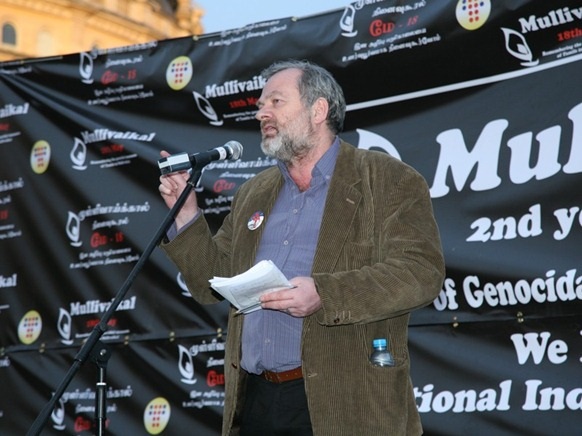
Pablo Muñoz
Working for the benefit of society is an attitude towards life that everyone should strive to attain. Injustice can become an opportunity for improvement, a fight for what’s right, a motivation to enhance connection to one another. Kindness in word and action goes a long way. Others amongst us take it a step further. There are those who make someone else’s struggle their own, devoting their conscience, resources, and time to the never-ending grapple with the global networks of capital that keep so many discriminated against.
One such person is Dr. Andy Higginbottom. He is perhaps an unlikely activist. By his own account, he had “a colonial upbringing”. His father was a sergeant in the Royal Air Force, so he travelled the world from an early age. Along came his four brothers and his mother, who was trained as a primary school teacher. His earliest memory brings him back to a ship on his way to Aden, in Yemen, where his father had been posted when he was two years old.
He remembers going to Mombasa, Kenya, aged four, on a family holiday at a time when prisoners from the Land and Freedom Army were being brutally beaten by British forces at Hola Camp, in the context of the Mau Mau rebellion. He was oblivious to this situation then.
From the age of 10, Andy held political views in favour of fairness. His teenage years were filled with reading on Third World poverty and The Communist Manifesto. He could not understand why “more people weren’t enraged about poverty in the world”, and when he went to university in Bristol to read sociology and economics in the mid-1970s, he studied Marx’s Capital “more seriously”.
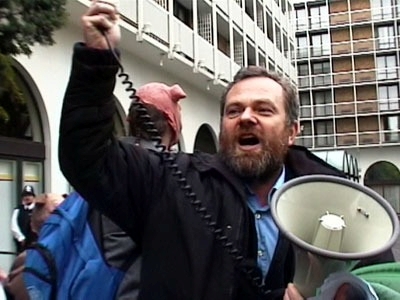 During his time at university, he joined a communist organisation, was arrested for the first time in his life, and got involved in movements against oppression. The Tanquetazo and later the coup d’état by Pinochet in Chile in 1973, the Soweto Uprising in South Africa in 1976, and the Irish republican movement were going on while he was studying at his alma mater, but his drive persisted beyond this time.
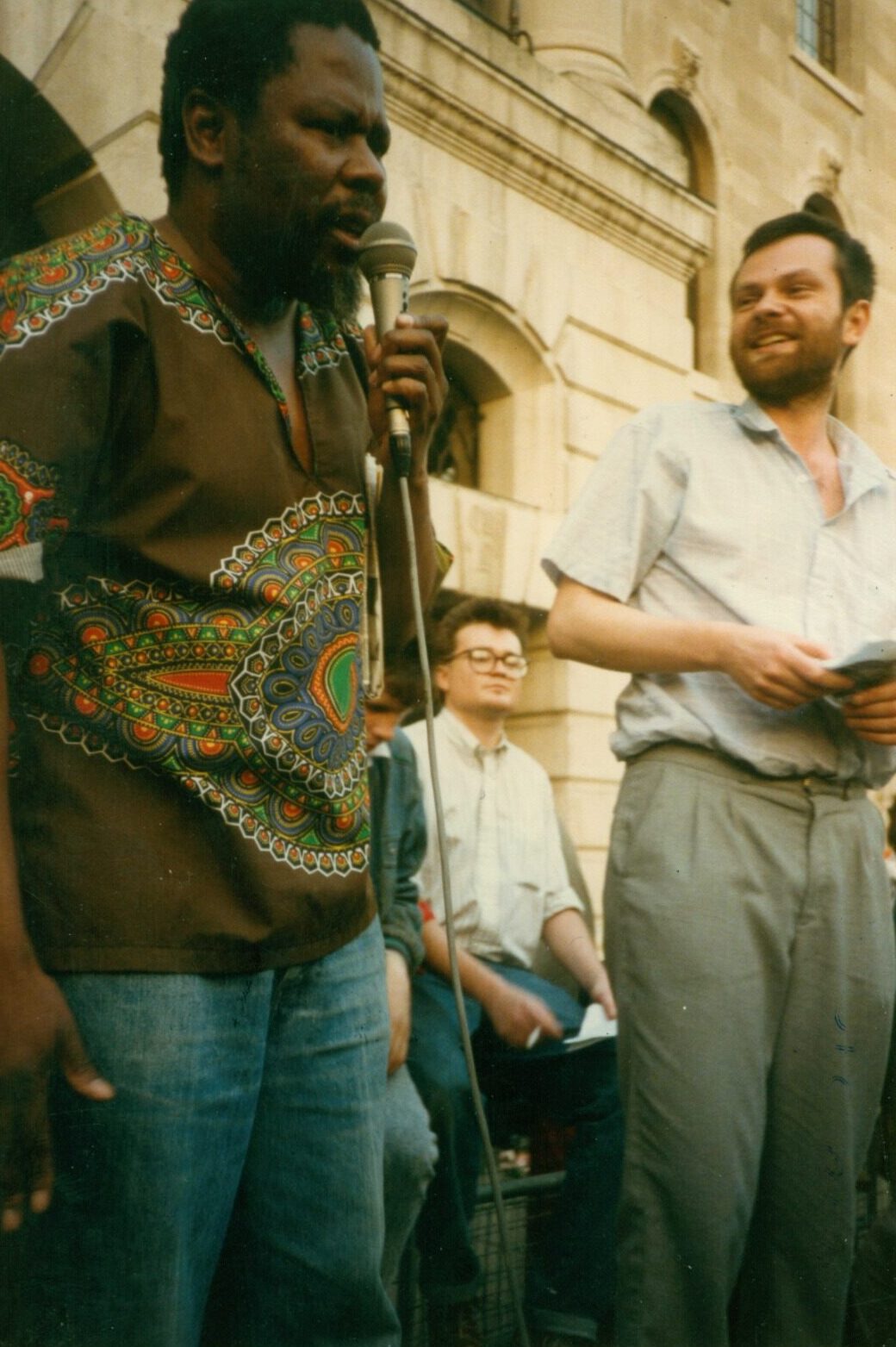
For 20 years, he was a professional in the information technology industry as a systems analyst. Even then, he participated in a non-stop picket outside of the South African embassy in the 1980s with the City of London Anti-Apartheid Group. With many others, he got arrested “about 20 times”, for which he had to attend magistrates’ court. His workmates gave him a present to cheer him up: a record by The Police. They said he was trying so hard to avoid getting a police record, they might as well give him one.
In his 40s, he decided to change careers and started a PhD in Criminology, later becoming an Associate Professor of International Politics, Human Rights and Social Justice position at Kingston University. He spoke to The Prisma in more depth about his activism.
How did your relationship with Latin America come about?
When I was a student, I went to Mexico during a summer tour. I thought the anthropological museum was tremendous and I visited the pyramids. I was interested in learning Spanish and developing my ‘book knowledge’. Years later, I became involved with Turkish and Kurdish groups who were fighting a phenomenon known as “disappearances”.
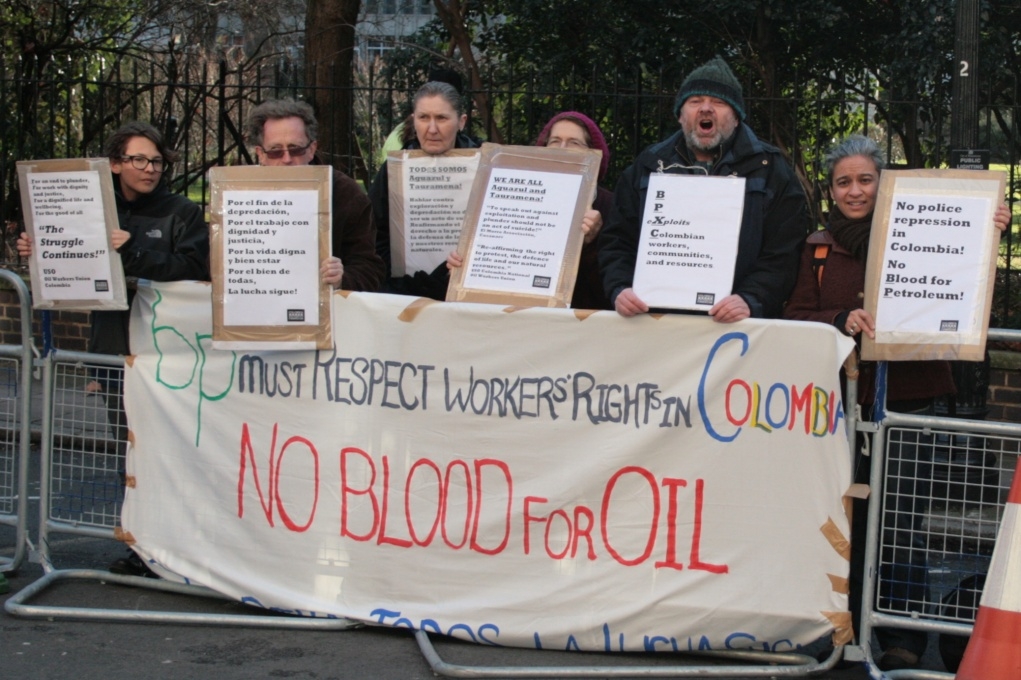 They were experiencing a massive repression by a dictatorial apparatus—which turned out to be very similar to the experiences under the dictatorships in Latin America, in particular Chile, Argentina, and Colombia. Through our Turkish and Kurdish friends, I became involved in an international committee against disappearances.
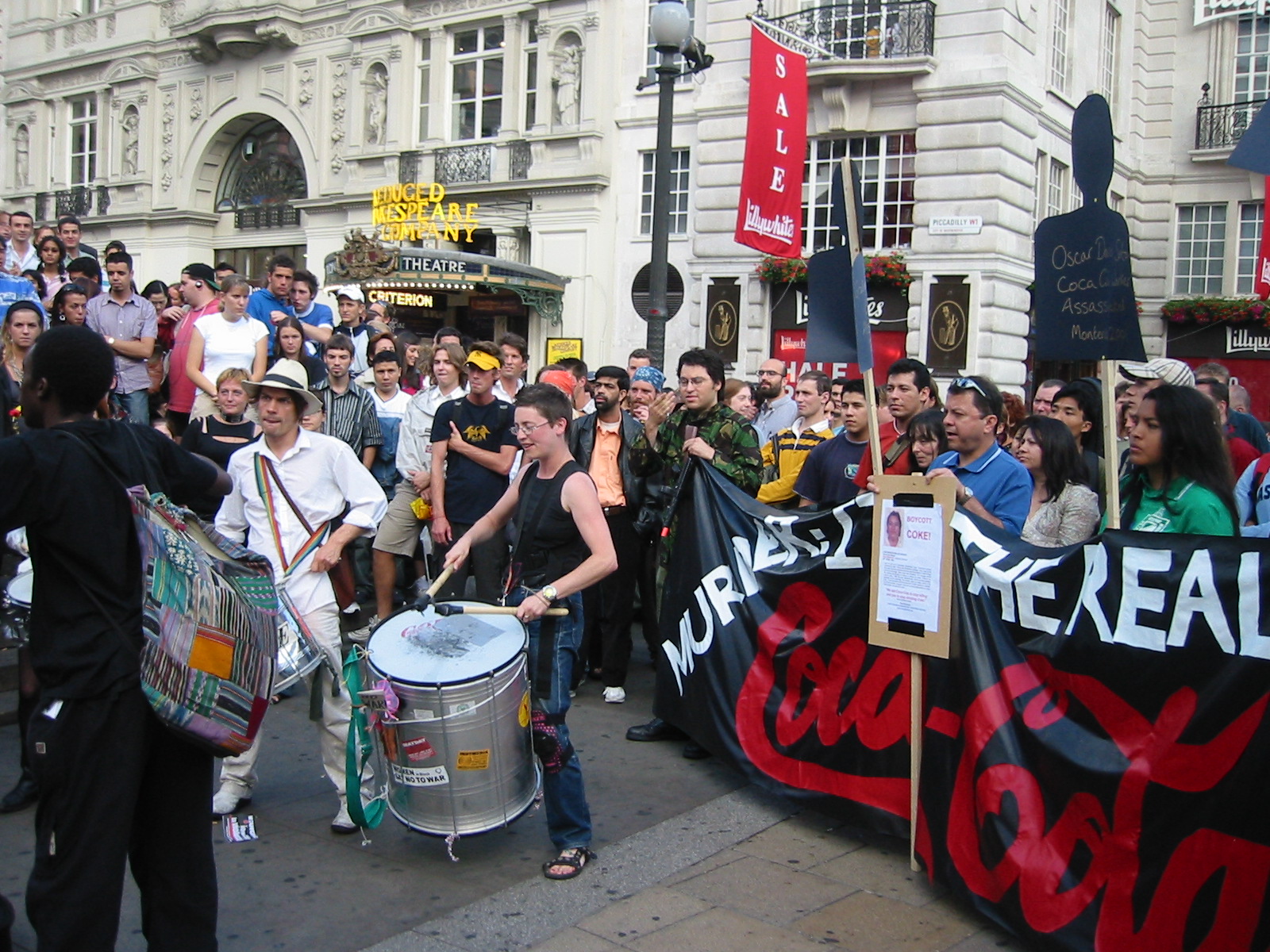
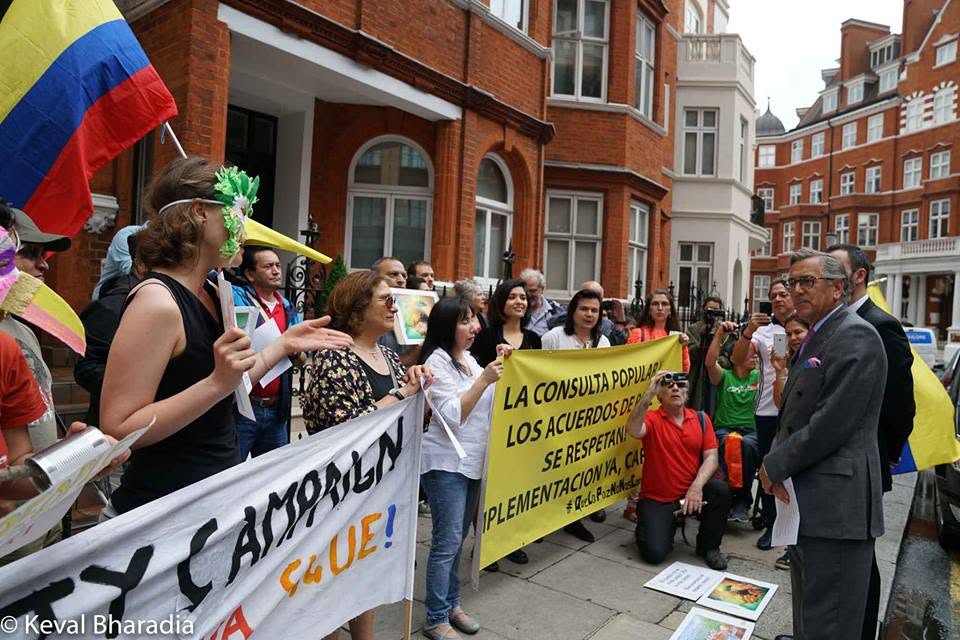
We went to Bogotá in 1998. We met the families of the disappeared, and at that time I decided to repurpose my time and start my PhD. My academic work and my activism became completely connected. We formed the Colombia Solidarity Campaign, which started as a platform against Plan Colombia and US intervention, and later got very involved in supporting communities fighting international corporations and the effects of privatisation.
You have also helped migrant workers in southern Spain. Tell us about it.
I lived in Spain with my wife and two children for six months, in a village in the province of Granada. The place was very close to El Ejido, where there’s a massive commercial production of food crops in greenhouses—a terrible example of super exploitation. At the time, there was news of this big outbreak of racial violence against the workers, most of whom were North African. I went down there to write about it and try to publish it in the British socialist press.
 What was going on was just appalling. There was a new local lumpen bourgeoisie making massive money off this super exploitation and controlling the workers through violence. They were hired by the day, worked for hours in 40-plus-degree conditions, with chemicals inside the greenhouses that gag you in your throat, and in a vulnerable position because of their status. They are forced into an exodus from their countries because of the impact of colonialism, and what are the rich countries doing to immigrants when they arrive?
You have supported causes in Latin America, but you have also been involved in struggles that directly affect migrants living in the UK. Could you tell us more about your work with the diaspora, particularly the Latin American diaspora living in the UK?
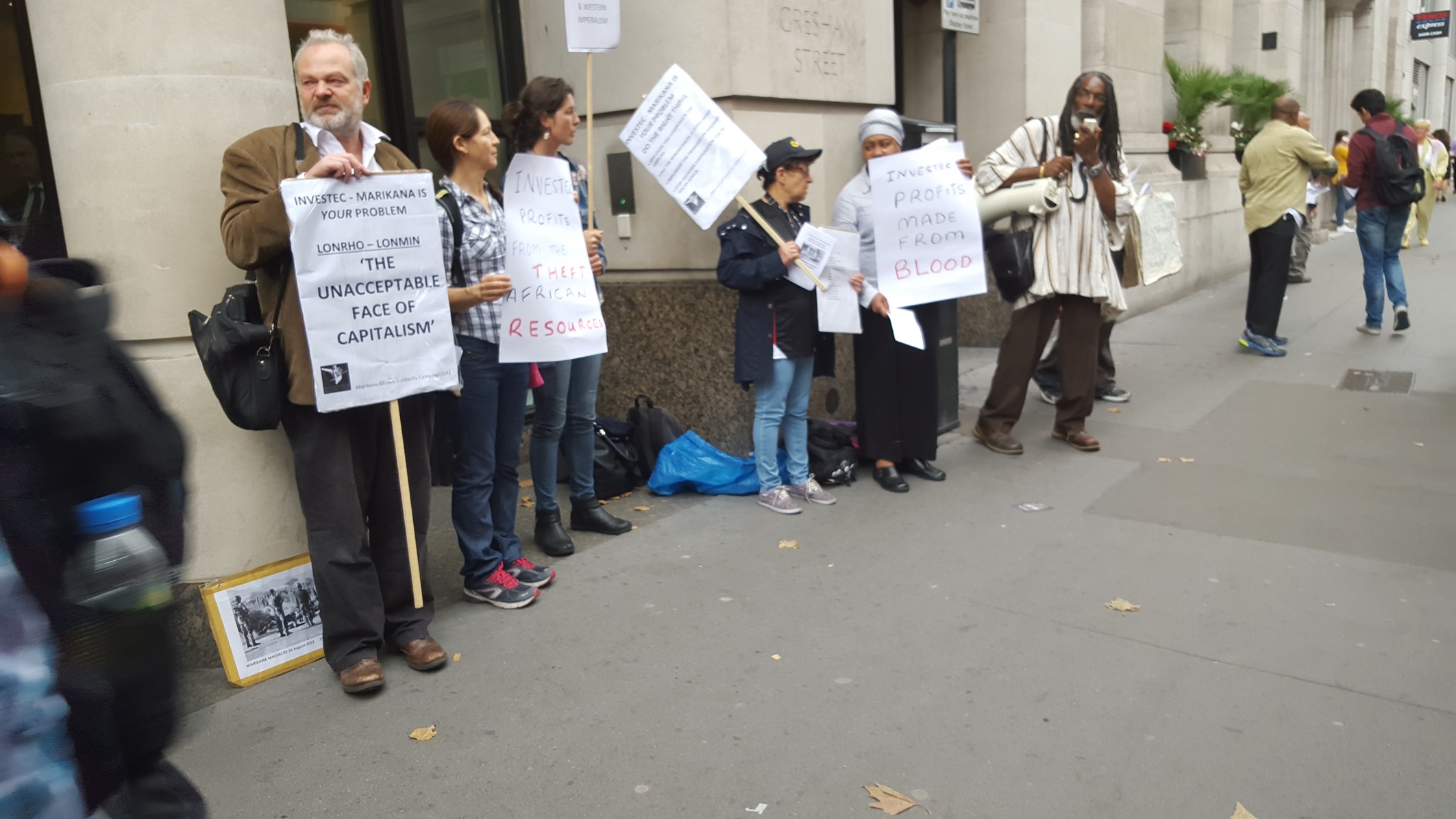
The independent union organisation of Latin American workers in London has been a major and welcome step forward. Working as cleaners, often with fragmented shifts and unsocial hours; or as security staff on the night shift; or as couriers these are the toughest jobs with the worst pay and conditions that keeps London going but are usually invisible. There was a phase when the mainstream unions looked like they would organise the cleaners, but then they dropped them again. I supported Latin American Workers Association, mostly by going to their Saturday English language conversation classes. I joined their memorable and lively pickets amongst the steel and glass buildings of the soulless City of London. At last, the workers voice was raised in the seat of economic power.
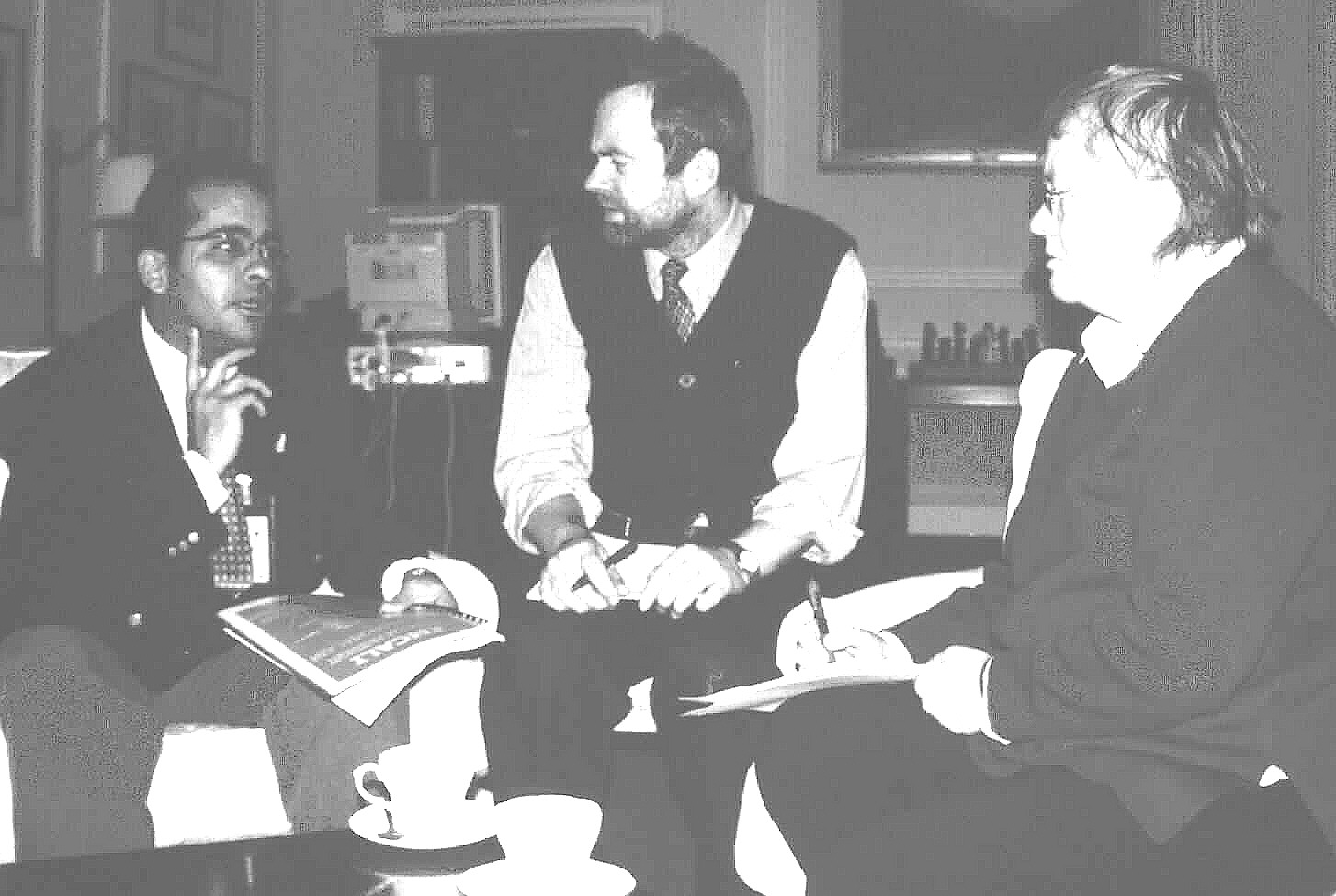
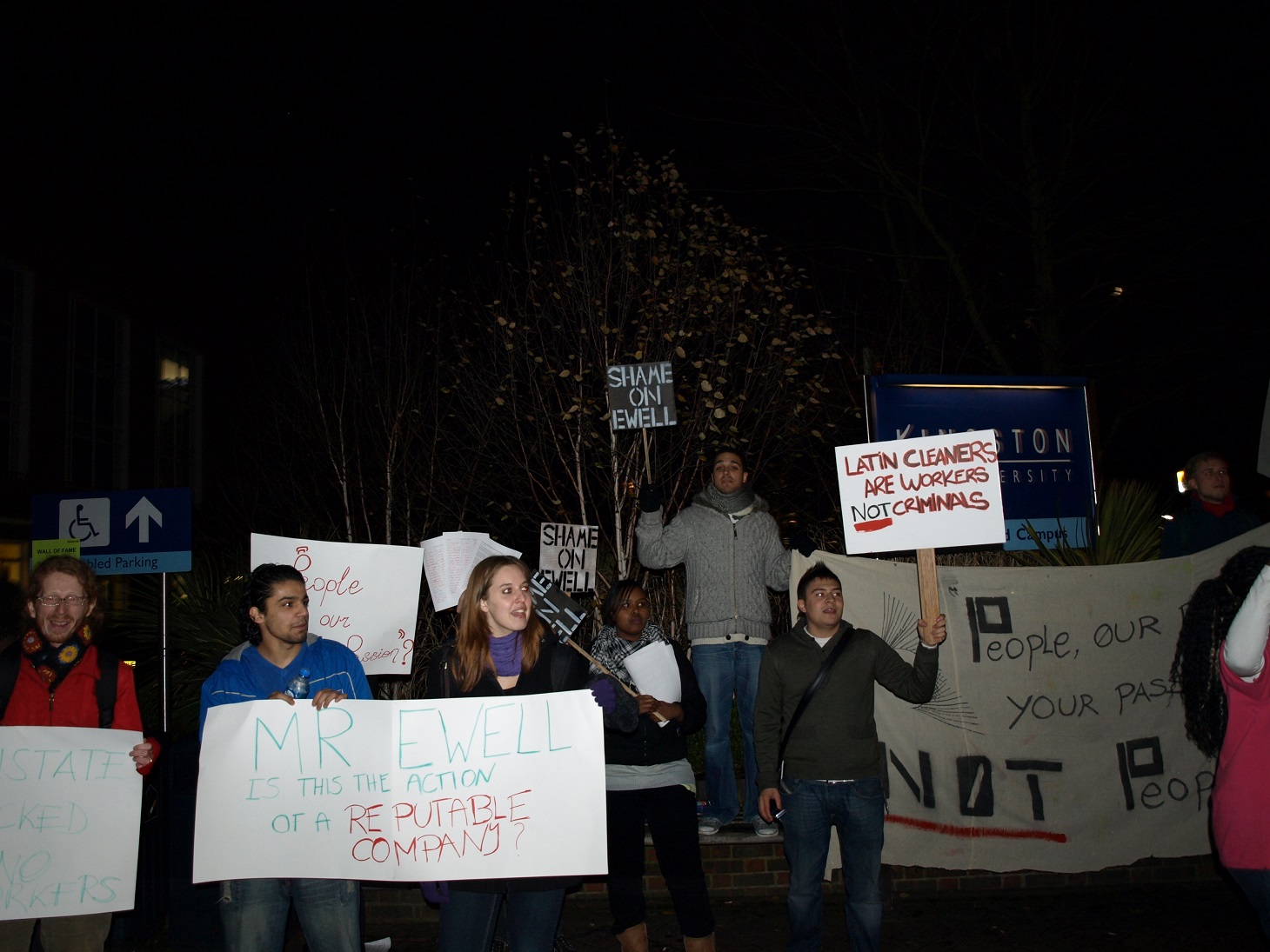
While I was teaching at Kingston University, the Colombian cleaners at the nearby National Physical Laboratory (NPL) in Teddington were sacked by the facilities company Amey, just for sending a leaflet to other NPL staff asking for their support. By pure chance Mel Ewell, Amey’s chief executive, was coming to an award ceremony, for a place in the University’s Hall of Fame. We mounted a brilliant picket with the cleaners and 80 students. Ewell was incensed; we really embarrassed him.
 A few years later the University put another union-busting graduate on its Wall of Shame, Ruby McGregor-Smith who was CEO of Mitie, another company that grew rich on privatisation and was running deportation centres.
We protested and the university cancelled her award ceremony.
Many people in the UK know little about Latin America and its diaspora. Others hold open prejudices and racist views.
To what extent do people understand the challenges faced by immigrants? What helps to build bridges of solidarity with immigrants, and what fuels hostility towards them? Why are alliances between migrants and the British community so important?
I am appalled at the growing, open racism. This is not just bigotry, its stems from the structural racism of the British state establishment who have deliberately fomented the hostile environment against all immigrants, and added to that a targeted culture war against Muslims. I live in Haringey, where the majority of people, certainly of the working class, were born outside the UK. Even here the system tries to sow division between the second generation and newly arrived.
We have an MP, David Lammy, the son of immigrants, who openly supports Israel in its genocide against Palestinians. In fact we solidarity activists stood a candidate Nandita Lal in the July 2024 general election standing ‘Free Palestine! For Tottenham!’. Starting from scratch in a month Nandita won 6% of the votes.
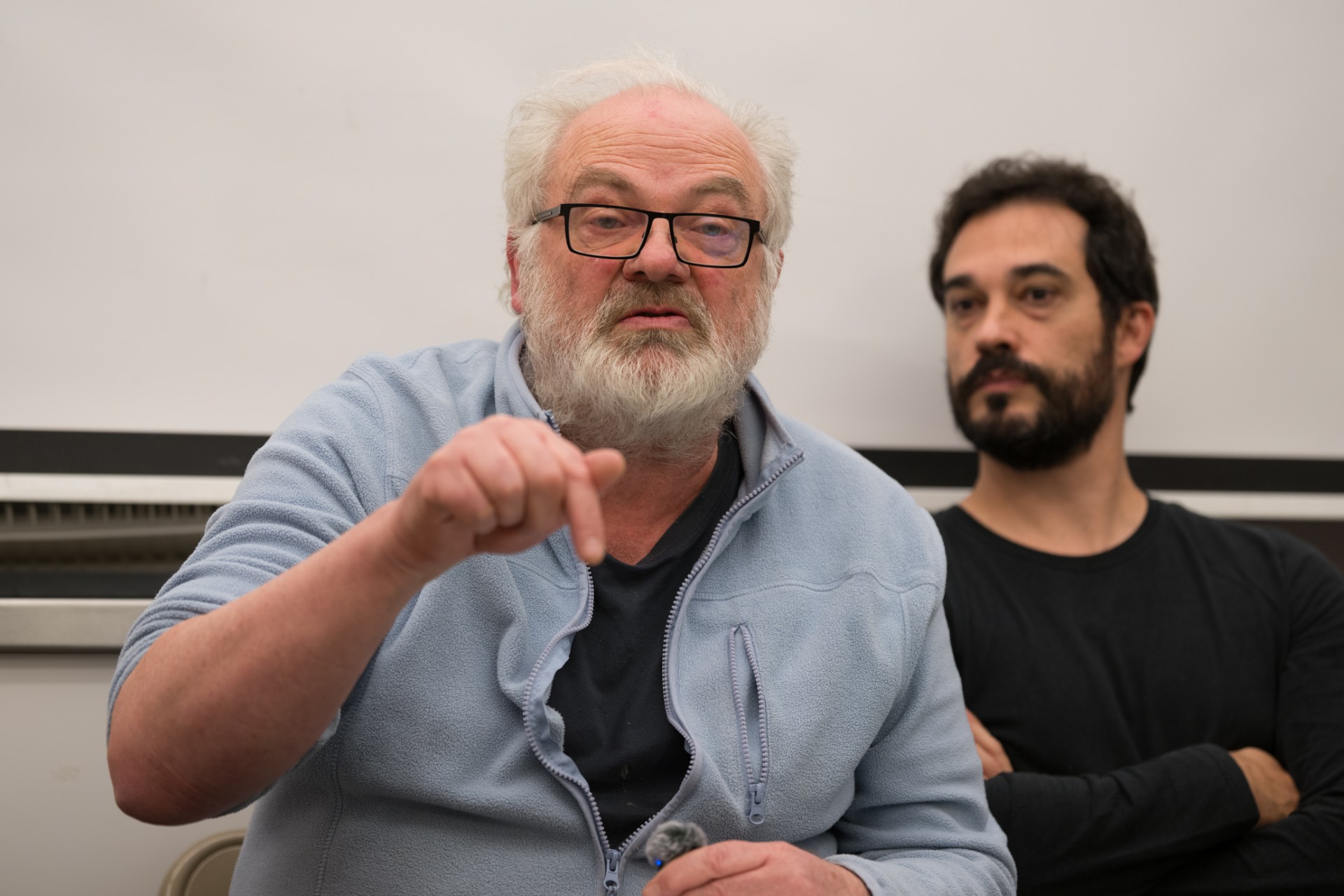
I think the biggest local challenge is that the different communities co-exist side by side, rather than really connecting and working together. We have to find ways of building grass roots organisations that blend the social and the political, across the communities. The most advanced where I live are the Turkish and Kurdish comrades. We socialist and internationalist activists collaborated with them to form the Haringey Socialist Alliance. We stood six candidates in the May 2026 council elections gaining 20 to 29% of the vote, so a step forward but unfortunately not quite enough to get elected. The new Green administration is a big improvement on Labour, but could be a lot bolder. What is really needed is independent community organisation to push them further. The social and political organisation of immigrant communities is the vital step. At the same time the British state is attentive to this and tries to criminalise and isolate such initiative. That is what is happening right now against Palestinian medical staff in the NHS. Our counterstrategy is support, defend, explain.
Beyond the media, to what extent does a lack of understanding of Britain’s colonial history contribute to the tendency to view migration as an external problem, rather than as a phenomenon resulting from Britain’s own history and responsibilities?
There is still a lack of understanding of Britain’s colonial history, in particular the rape of India and plantation slavery based on the holocaust of stolen Africans. But I would go further, which is how that history exists in the present. Britain is still an imperialist country.
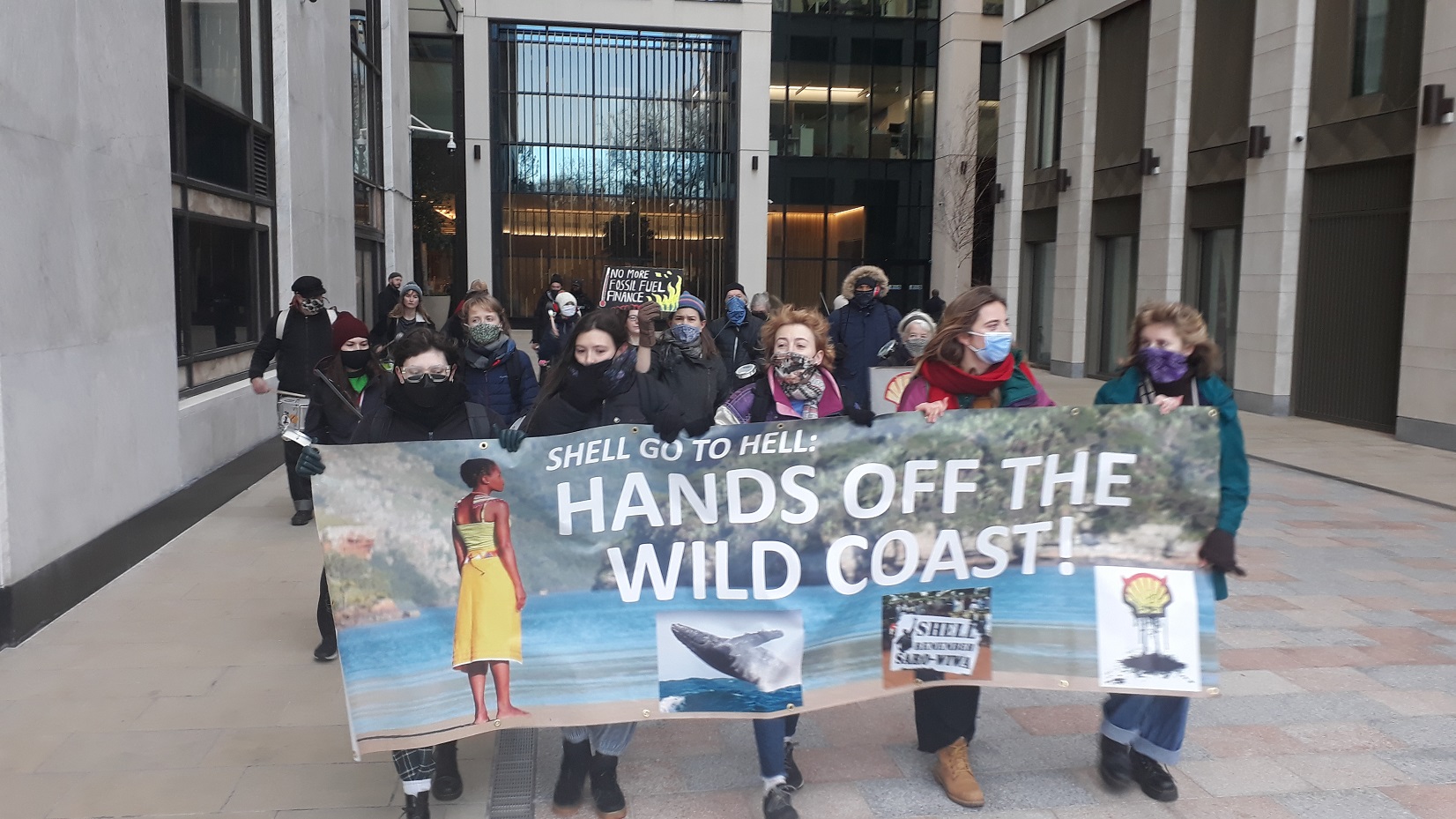 If you look at the top 20 UK companies, alongside the banks are the oil and mining corporations. Then come the food and drink multinationals, and pharmaceutical companies. Crucially, 70% of the FTSE 100 top companies revenue comes from abroad.
The overseas operations of the oil and mining corporations generate seven times more green house gas emissions than the entire UK population, but this is not on the agenda, never mentioned even by ‘net zero’ Ed Miliband. Nor even by the Greens, who should be highlighting this. We should be stopping UK multinationals destroying the planet. The more informed understanding is that in general people do not leave their families and home country willingly, unless they are forced to do so by poverty and persecution. My friends from the Andean region know this very well. They are here because imperialist extraction of wealth destroys their countries. This is happening today and is ongoing.
After the coup against President Maduro, things have just got a lot worse, not only for Venezuela but for all Latin America. A generation ago the popular mobilisations managed to stop the US project of a so-called ‘Free Trade Area of the Americas’. Now Trump has used military power to succeed where Bush failed. He has reached a similar point of subordinating the whole continent as a US led bloc against China.
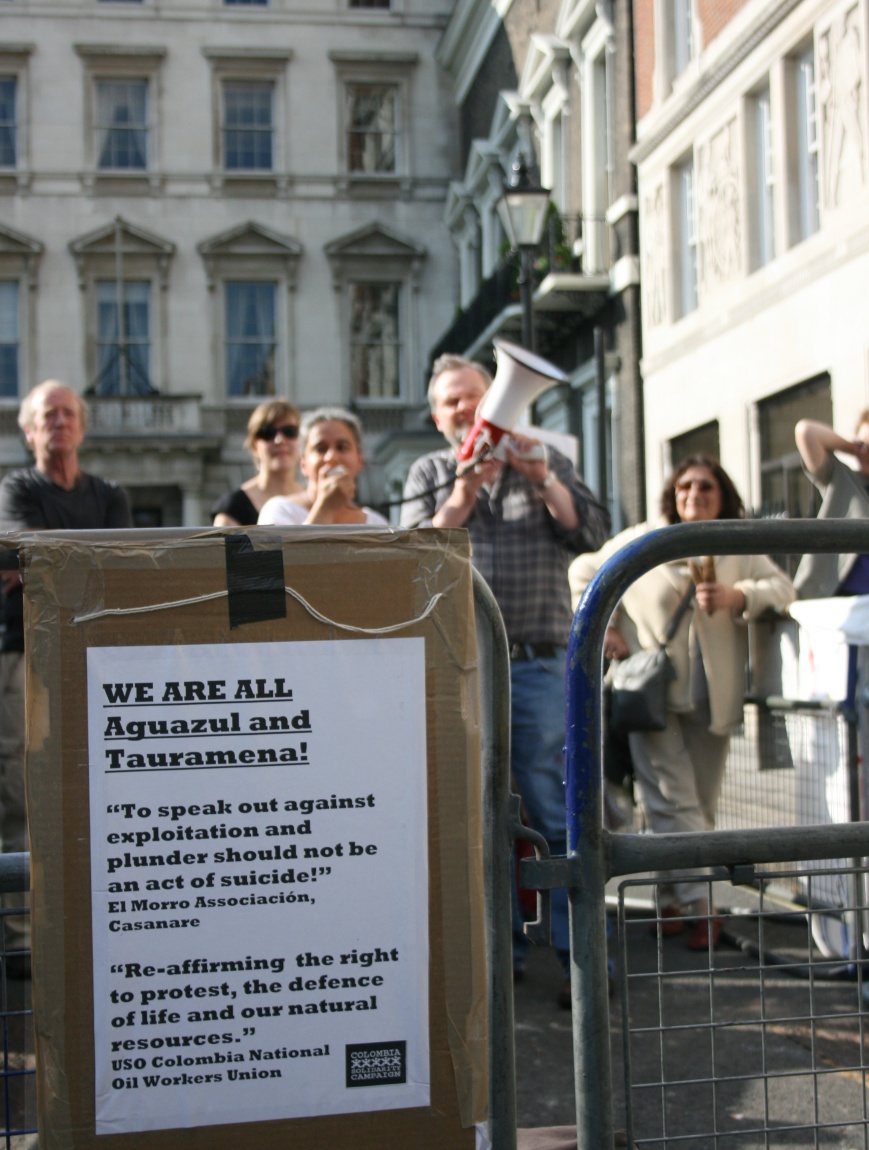 The UK is closely allied out of its own interest. Shell and BP are amongst the many oil companies now rushing in to benefit.
Brexit did mean a tougher time for small and mid size manufacturers, but they are not the key sector of decision makers. The banks and the multinationals hardly blinked, they have just kept going with their worldwide extractivism. Yet industrial is why there are relatively few decent jobs, and the impact on ‘left behind’ towns around the country. Burnham’s answer is to build weapons factories. We need a wider education explaining the British economy and genuinely socialist solutions.
With the far right gaining ground in many parts of the world, the challenges facing migrants and their communities are becoming increasingly acute. Do you still see grounds for hope in the struggle to defend the diaspora’s rights and address the root causes of migration? Where do you think the greatest opportunities for change lie?
The far-right are thriving, especially outside the major cities. In my parents home town in Thetford, Norfolk there have been attacks on asylum seekers in isolated housing, and marches to stop a detention centre nearby. The ‘stop the boats’ demonstrations show that the gulf is already very wide, and it will need a whole strategy to overcome. This racist upsurge that is continually fed by the capitalist media. To effectively resist we need a nationally organised socialist party and movement.
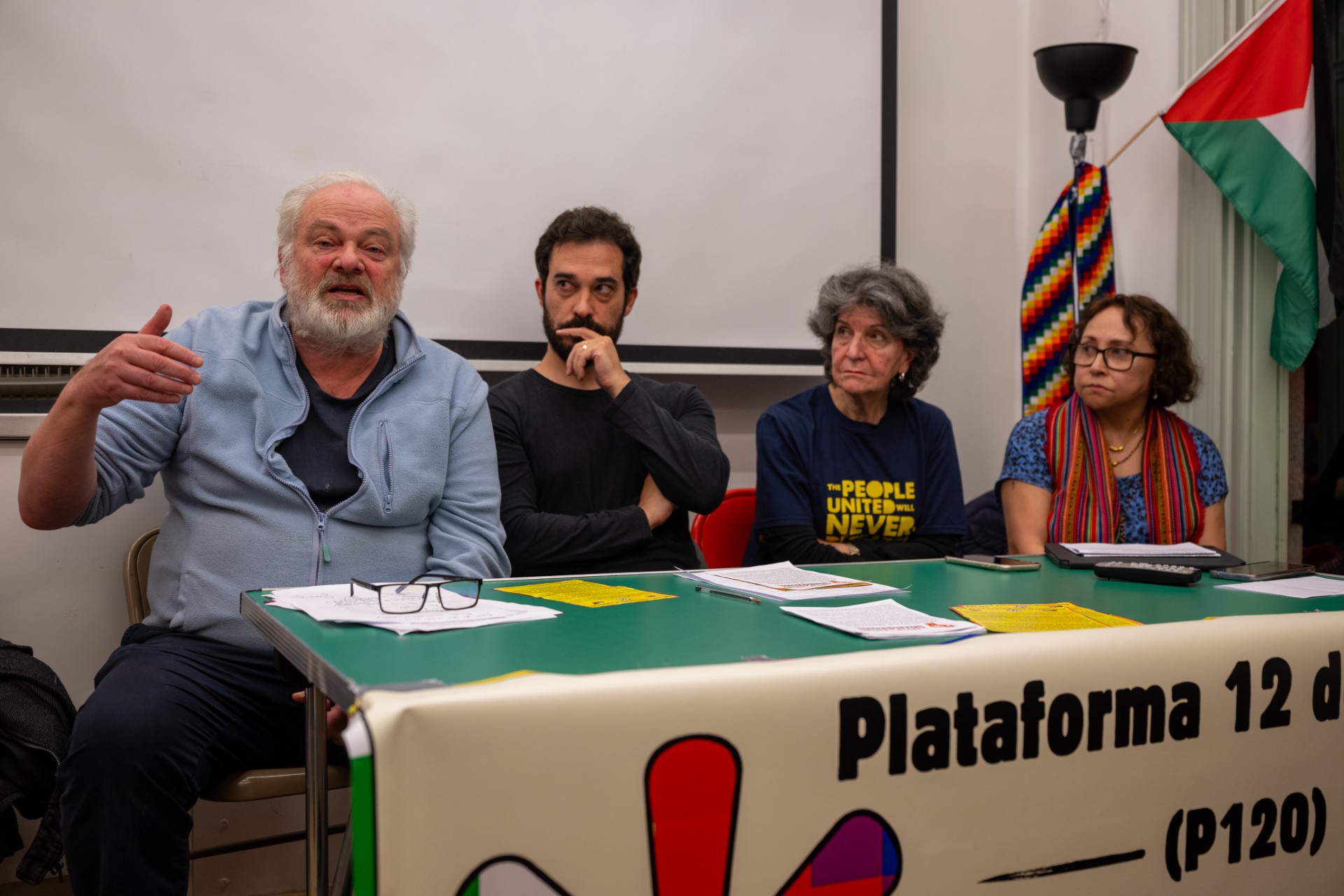
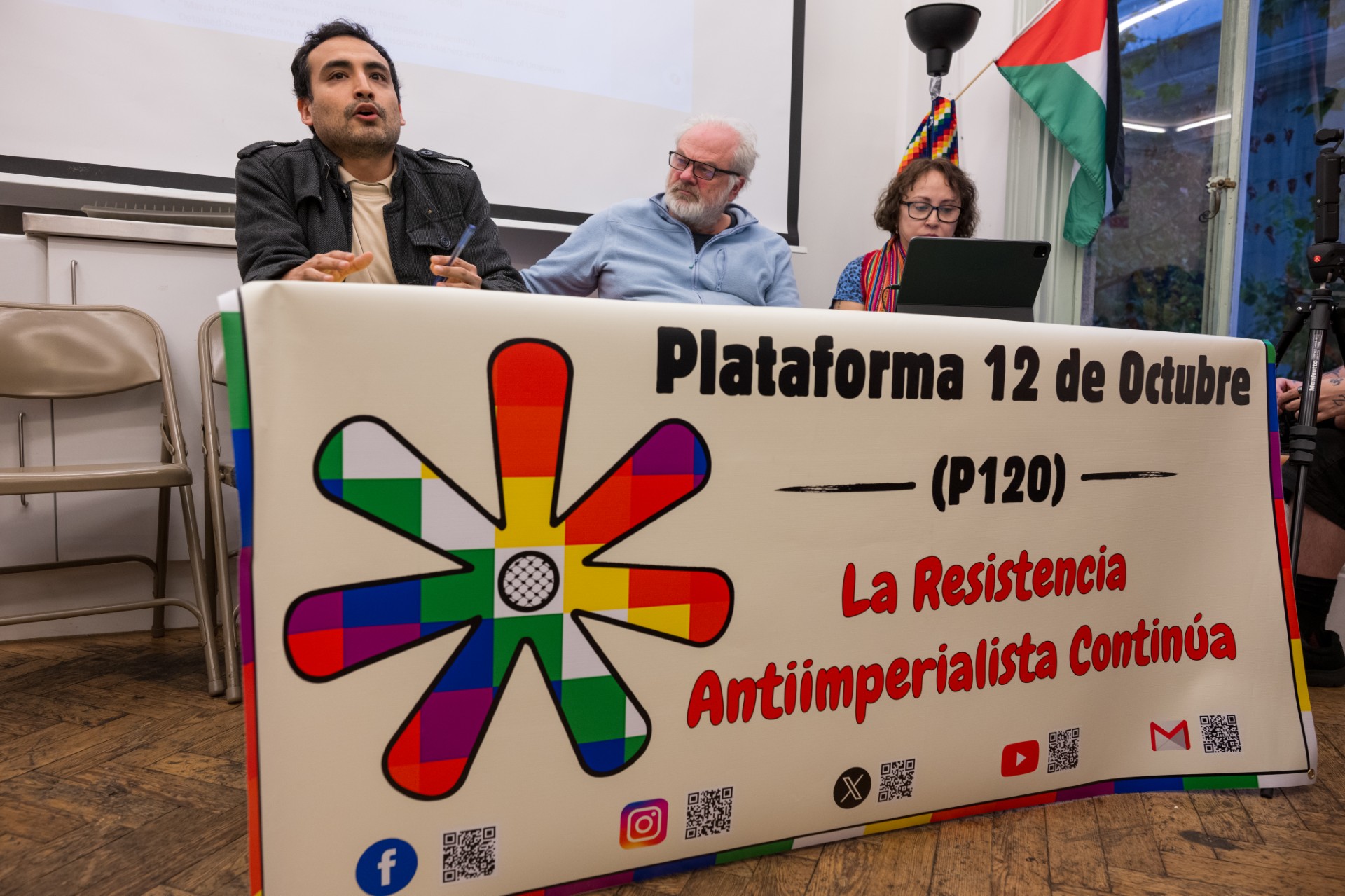
In any and every case immigrants, asylum seekers and refugees have every right to be here; and communities have the unconditional right to defend themselves. We in the 12 October Platform have started to work with other comrades in the Anti-Fascist International. AFI is a united front with the right political understanding as its foundation, which is that imperialism breeds fascism. But it is just a start. I hope that we can do popular education.
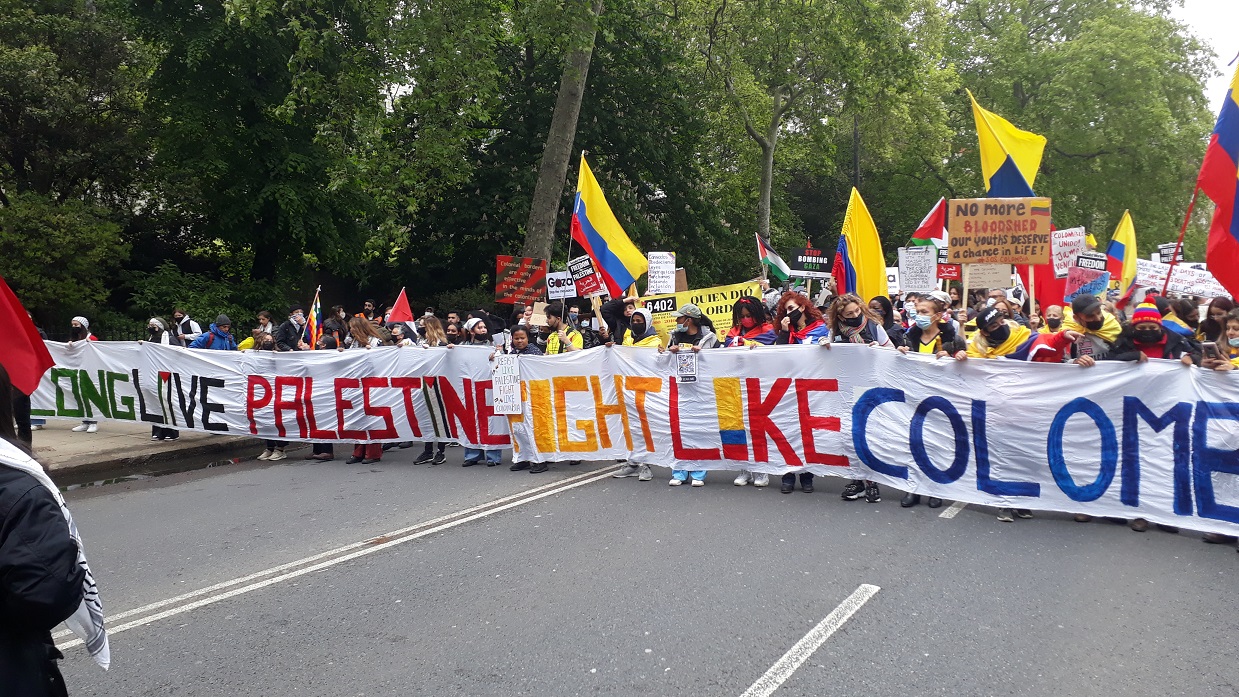 The continuing solidarity with Palestine shows that there are a lot of decent humanity loving people. We need to find ways to cohere a more sustained, socialist and democratic alliance.
How can you make people care about something that they don’t see directly benefiting their lives?
That’s a big problem. There’s a whole mobilisation of racist sentiment against immigrants coming about for very deep structural reasons. Working-class people are accepting this approach because they have no future, they have no jobs, their education is a battle… We should really try to build movements which are both international solidarity movements, and which fight for real change here too.
The movement we build should have, at its core, people who can make the connection between problems at home and abroad real, not abstract. Like NHS workers who can’t wear a Palestine badge, or those more than 2,000 people who got arrested for saying “I support Palestine Action”.
The issue is empathy, empathy for everyone facing problems. Local communities and international communities have a common enemy: British capitalism. It is destroying the planet at an accelerating pace.
 Scientists have warned us about turning points that are already happening. We need a socialist system on purely environmental grounds, just to save the planet.
But everyone becomes comfortable when the welfare state keeps afloat. Although a very sad and awful thing to say, people’s lives aren’t as desperate in the UK as they might be without that welfare provision. So even if people are not doing well, they are not doing so badly—which means they are not yet forced into a massive fight. However, the bellicose nature of world leaders today—such as Trump—economic crises, and racism are big-picture issues that affect all of us.
It seems like we are all in the same boat. Is it irrelevant for future politics to think in terms of left, or right?
No, not at all. It’s very important to recognise the contribution that young people are making. They are coming out of a generation of disillusionment but there has been a generational recovery coming from the left, and issues of feminism, environmentalism, and opposition to gender and racial oppression are much more central concerns to young people today than 30 years ago. The issue is: how do we go from that to building a movement? Let’s have that conversation.
(Photos supplied by the interviewee)











.jpg)












