
The legalisation of same-sex marriage in Cuba did not erase decades of discrimination or the contradictions of a revolution that persecuted part of the LGBTQ+ community. In “Quba!”, American filmmaker Kim Anno reconstructs the path towards legal recognition through the voices of those who sustained that struggle.
Pablo Muñoz
On 25 September 2022, Cuba went to the polls. Social pressure and pressure from evangelical churches led the Cuban government to omit the definition of marriage as the “union of two people” from its 2019 constitutional reform. Instead, Article 82 proclaimed that the law determines how this “social and legal institution” is constituted.
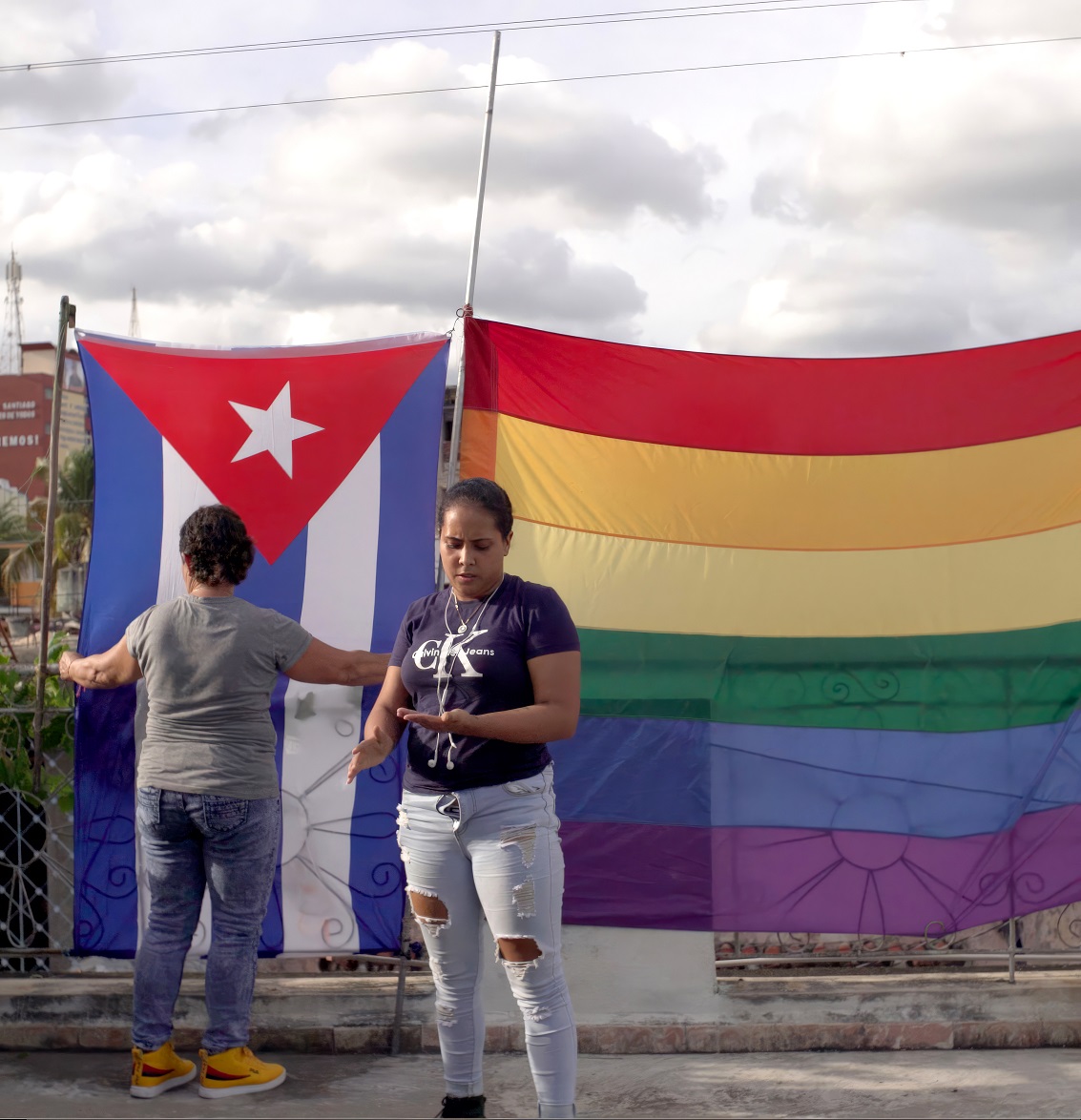
The Eleventh Transitory Provision of this constitution stipulated that a popular referendum would decide on the draft Family Code, which would legislate on how marriage is constituted. Promoted by Mariela Castro Espín, daughter of Raúl Castro and a member of the National Assembly of People’s Power, the new Code would open the doors to same-sex marriage, which is why President Díaz-Canel called it the “Code of Equality”.
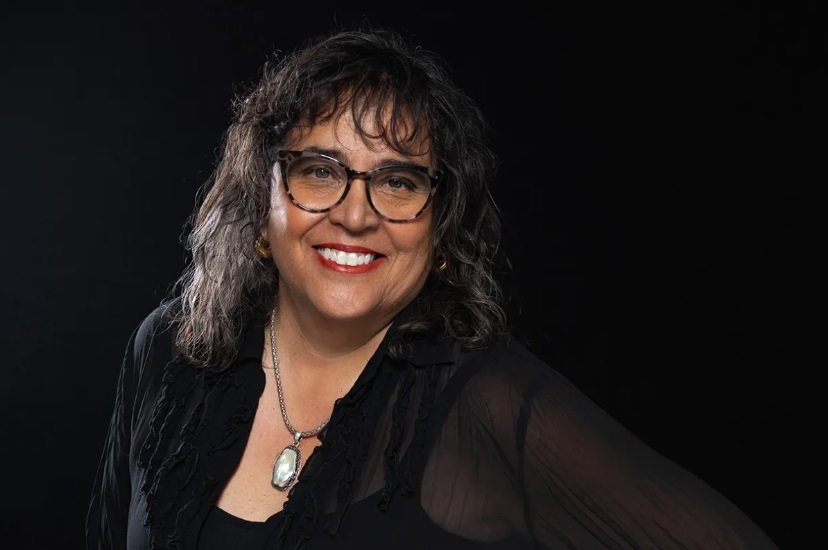
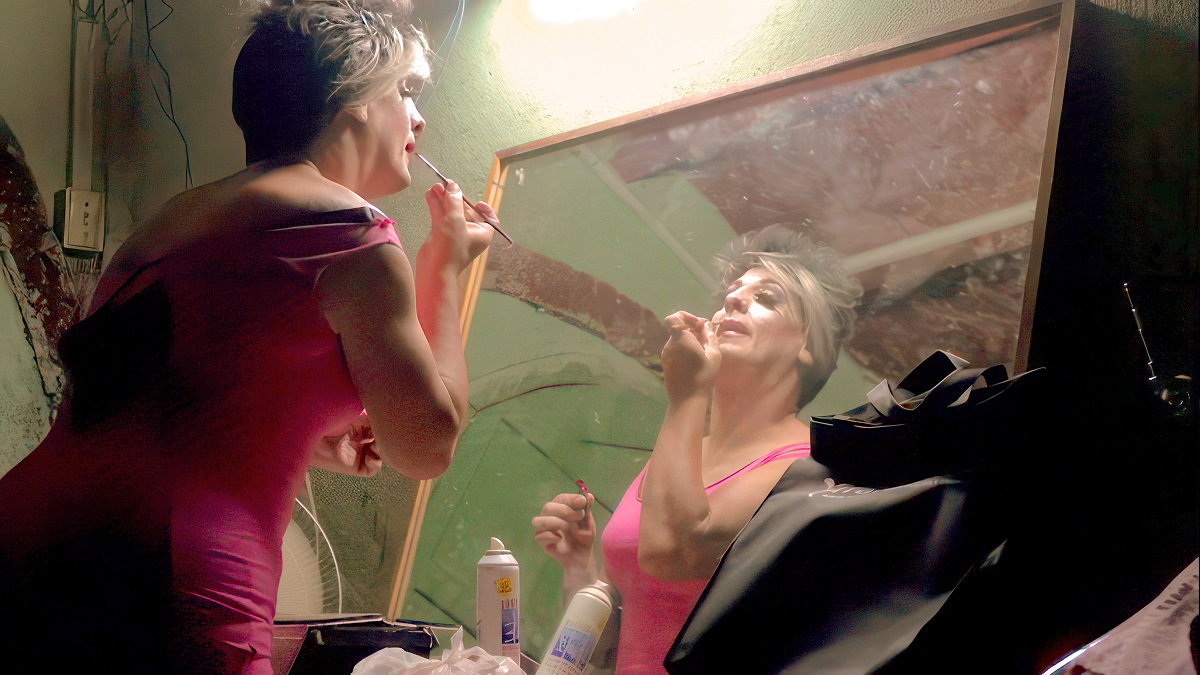
Political efforts reflect years of struggle by queer communities in Cuba. Kim Anno, an American painter, photographer, and filmmaker, began a project in 2016 to document the final push towards the legalisation of same-sex marriage on the island. Her documentary “Quba!”, which she presented this October at the first edition of the London Latino Film Festival, tells the stories of resilience and determination behind a struggle that culminated in Cuba becoming one of nine Latin American countries to recognise this right.
During the Festival, which took place in London between 2 and 6 October, The Prisma interviewed the filmmaker about the importance of this work, which won the award for Best Documentary at the London Latino Film Festival.
Why did you decide to document the final phase of this legal process in Cuba?
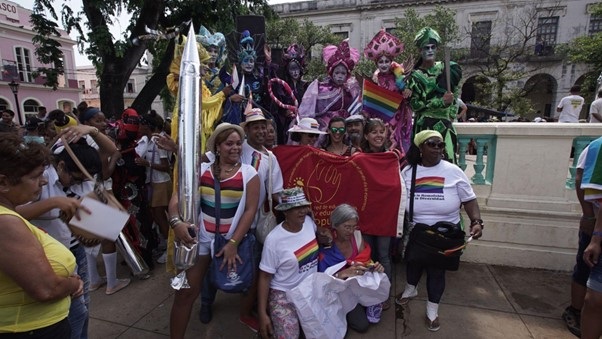
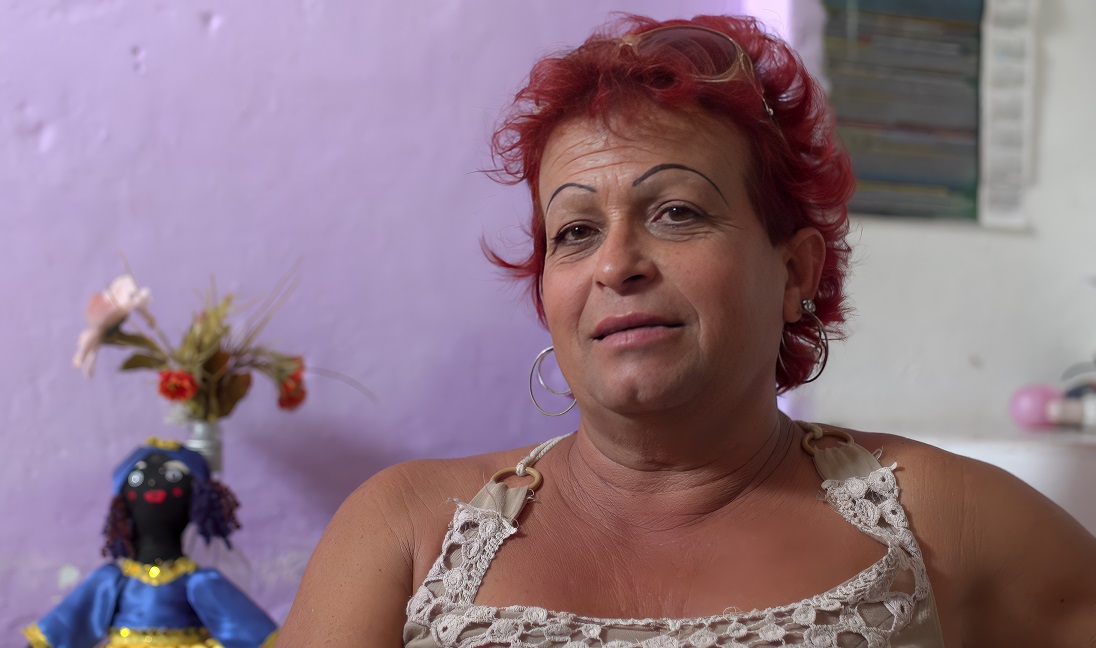
This is the first communist country in the world to guarantee human rights for the LGBTQ+ community. It is a unique story. It began in the 1970s with Vilma Espín, wife of Raúl Castro. She tried to introduce civil unions, but the population was against them. Her daughter Mariela Castro took over as a leader, but she is not the only leader. Other people have been struggling for more than 40 years, such as transgender legislator Adela Hernández, or Ramón Silverio, a Cuban playwright and cultural promoter. There are also young people supporting the movement, like Las Isabelas in Santiago. There is support and there are organisations defending LGBTQ+ rights throughout the country.
In my country — the US — there are people in government who are completely fascist and authoritarian, and I am sure they would want to eradicate all LGBTQ+ rights. There are 1,200 bills across all states right now attempting to deny our rights. So we have to ride this wave and keep showing up and saying, “This is what we must have: liberation and democracy for all, not just for a few.”
How was the documentary received on the island?
The world premiere was in New York. Later, it was screened in five Cuban cities, where people gave it a wonderful reception. Many people came, they cried…
Why do you think it took so long for a communist country to recognise same-sex marriage?
The stance of machismo and authoritarian control makes these countries very patriarchal. For instance, China currently sends members of the community to detention centres. The situation has hardened over these past eight years because Xi Jinping is very authoritarian and patriarchal. Homophobia in these countries is a consequence of the importance of patriarchal forces and authoritarianism.
Yet the documentary shows how LGBTQ+ Cubans exalt their revolutionary leaders, such as Fidel or Che, both of whom used homophobic rhetoric in the past. How do they reconcile themselves with that facet of these leaders?
It was not until 2010 that Fidel apologised for state homophobia and transphobia in the Mexican newspaper La Jornada. He did not do it in Cuba, but in Mexico, because he wanted his apology to be heard throughout Latin America. All leaders make mistakes, and I asked Adela Hernández the same thing.
She was in prison. She told me it was “a load of rubbish, it was horrible”, but she understands that a leader can be good or bad and, even so, make many mistakes. Some of those mistakes you have to acknowledge. She forgave him because, she told me, “everyone has something to learn. Even our leaders.”
I remember Maurice Bishop, the president of Grenada, broadcasting messages on the radio apologising for having said something sexist. I know it took them a long time to apologise. When you are being discriminated against, any amount of time is too long, but at least the apology came.
In the documentary, Ramón Silverio talks about how people in small towns have always welcomed and supported them. Why do you think there has been more support in the regions than in big cities?
I think Ramón is being a bit optimistic. When we filmed the drag shows he organises, I saw young people giggling in the background in the towns. What I think he is saying is that he visits those regions repeatedly and thus, gradually, convinces people. It is not as if he goes once and that is it; he has been doing it for 30 years. He started in Santa Clara, a city he transformed through El Mejunje, an LGBTQ+ cultural centre. But he wanted to take his shows to small towns and villages.
He uses art and music as a medium. In Cuba, that is the universal language. Art, dance, music… When mixed with changing ideas among a population with discriminatory attitudes, the result is work of the highest quality.
The documentary ends on a joyful note with the news that the Family Code was approved by 66.87% of the valid votes. But how would your documentary have ended if the “No” vote had won?
My idea was to finish the documentary earlier, because in 2018 they dropped Article 68 from the draft of the new constitution, which would have granted the right to same-sex marriage then. Pressure from the Evangelical Church, which today has 300,000 followers on the island, was the reason for its failure. I was prepared to end the documentary there, with a bittersweet ending, showing how activists had lost the battle. But they convinced me to continue. The activists themselves were the ones who, convinced, said to me: “Don’t stop. We are going to win.”
(Translated by Rene Phelvin – Email: renephelvin@gmail.com) – Photos supplied by the interviewee to The Prisma.










.jpg)












