
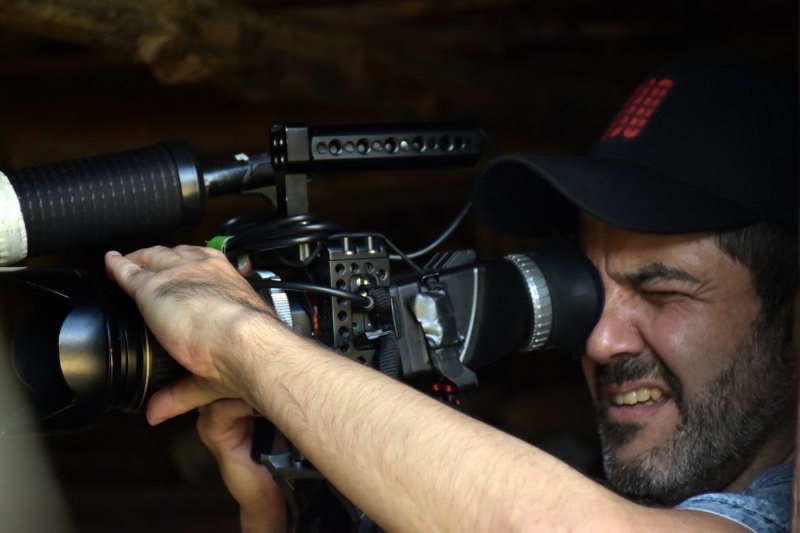
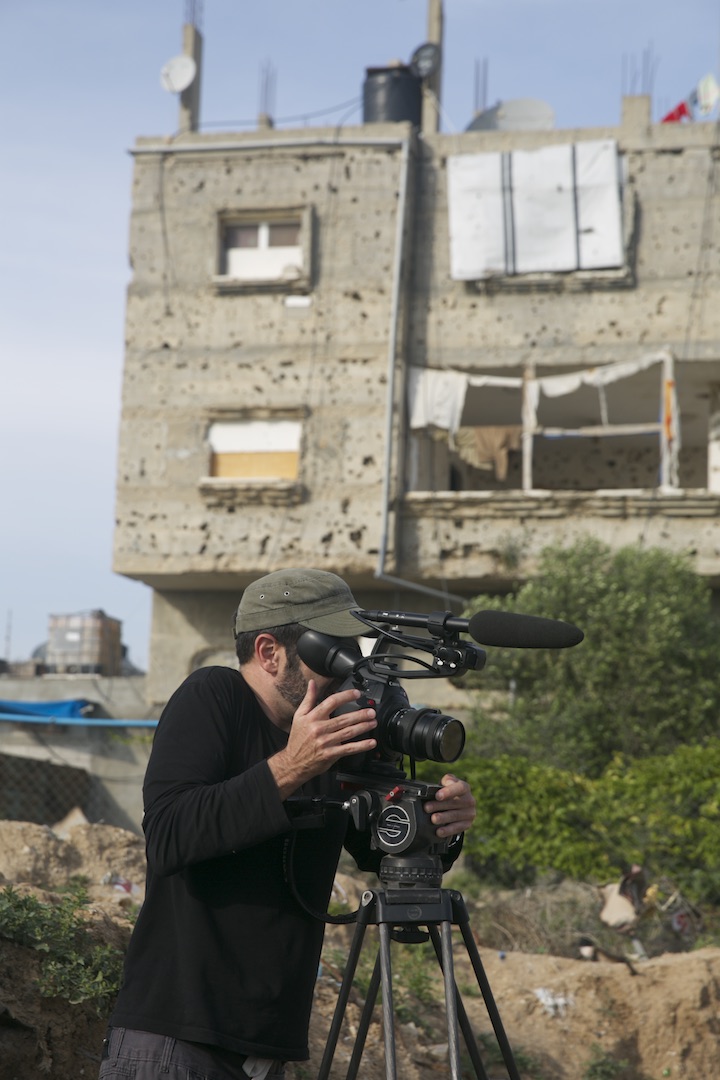
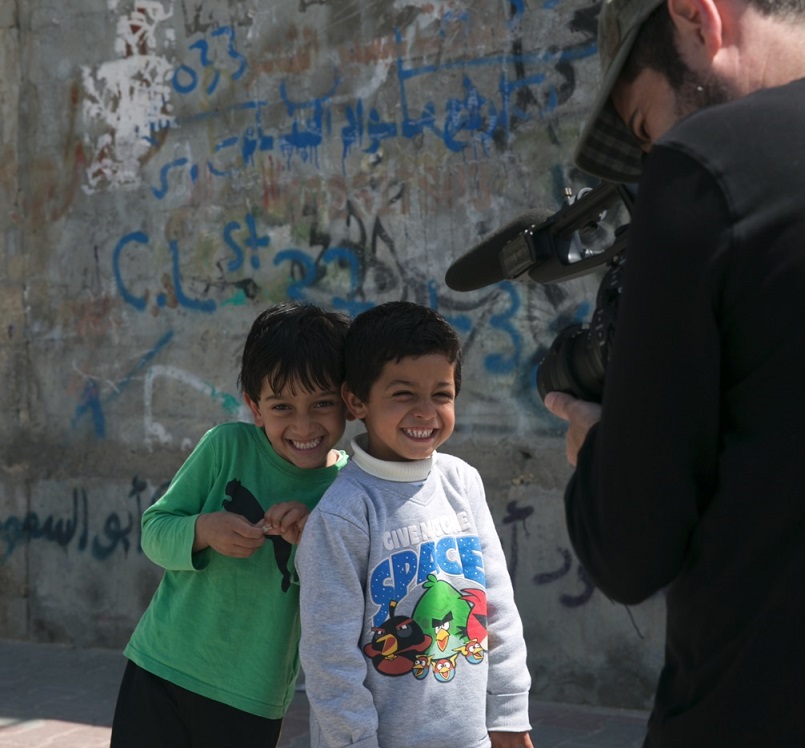
Rodrigo Vázquez has risked his life in Latin America and Gaza filming war zones and humanising people that some mainstream media has reduced to animals and terrorists. The director’s new feature-length Al Jazeera film in his native Argentina about a child that was disappeared during the dictatorship of 1986-73 comes out later this year.
Zac Liew
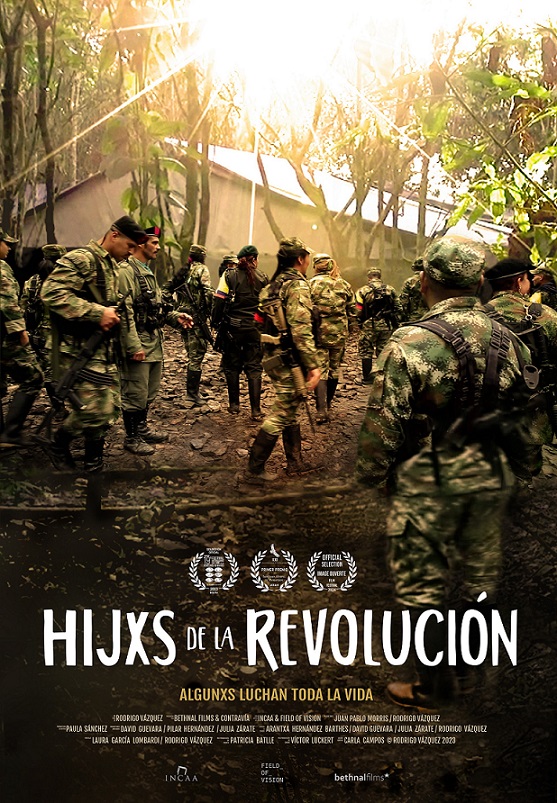
The screen faded to black and the lights came on, revealing Rodrigo Vázquez. He had come to the UK premiere of his documentary “Children of the revolution” (Hijxs de la revolución, 2023) and was ready to take questions from the audience now that the credits had rolled.
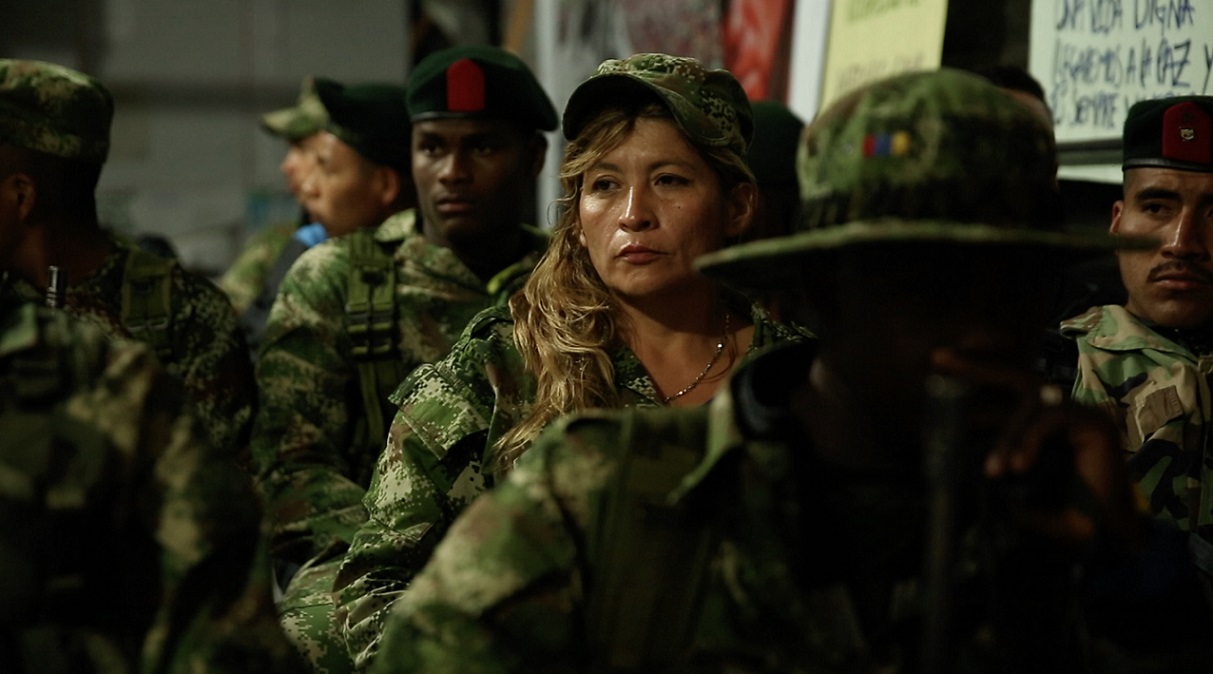
Someone asked for the latest news on the three protagonists. Amanda, Yuheni and Juan were three guerrilla fighters putting down their guns after the Revolutionary Armed Forces of Colombia (FARC) signed a peace agreement with the Colombian government in 2016. A hush came over the cinema as Vázquez delivered the bad news. Juan is now in jail for taking up arms again, Yuheni is in jail accused of recruiting for the dissident FARC, and Amanda is in exile in Switzerland.
Speaking to The Prisma, Vázquez says “Hundreds of ex-FARC fighters have been killed since the peace agreement. Part of the deal was they were to be protected against reprisals like that.”
“The government did not support them to reinvent themselves in any way and then their friends started being killed, yet people expect them to sit at home and wait for someone to show up and put a bullet in their head.”
 Juan had become an advocate for peace but was hunted down by paramilitaries. He survived two shootings and took up arms again. Yuheni had been asked by several young people about joining a guerrilla group and Vázquez says any sign of a positive response by her would have been enough for the government to lock her away.
Some people are angry that Vázquez made a documentary about ex-FARC guerrillas. One comment on a YouTube video for the trailer reads: “What in God’s name is this? Hahaha romanticising those killers! This video has been reported!”
Vázquez is not fazed by comments like these, which he gets often.
“What’s the difference between FARC soldiers and American soldiers who went to war in Iraq on the false pretence that there were weapons of mass destruction?” he asks.
“Does the American sniper who kills an Iraqi child become more legitimate when he is portrayed in a movie by Bradley Cooper?”
If Vázquez made a documentary about an American sniper he knows he would not be criticised so harshly. But he says it is not up to him to decide what people think. Instead, he looks to humanise people who have been ‘othered’ by the mass media.
“I have interviewed people who committed genocide and even in the case of these people, I tried to find their humanity. They are not monsters. They are human beings, that’s the point,” he says.
In “Children of the revolution” Vázquez captures funny moments in the FARC jungle camp that speak to the humanity of the guerrilla fighters. In one scene Yuheni is showering in her underwear and makes a joke that the cameraman is making everyone self-conscious.
 “Humour is one of the most subversive ways of stating facts, challenging the status quo and coming to a way of thinking right,” says Vázquez.
“Sometimes it is the only way to get a different perspective across and have people question their beliefs.”
He adds that if we stop questioning our ideas then we turn into the person who made the comment on the YouTube video about the guerrillas being killers and unworthy of having their story told.
A web of lies in the Colombian jungle
The director has filmed in the Colombian jungle for ten years where left-wing guerrillas, right-wing paramilitaries, and narcotraffickers jostle for territory. In 2005 he was detained by paramilitaries while making a documentary for Channel 4’s Unreported World.
“A mayor from one of the towns told us not to go to a specific area because it was flooded. We suspected something fishy and when we went we found paramilitaries there,” he says.
The mayor had told Vázquez that this district was clean of narcotrafficking but upon arriving the paramilitaries confessed that they were working with a cartel. Then they arrested him.
 “This was when I saw up close how the state is in cahoots with paramilitaries and narcotraffickers”.
He had come to the region after getting a tip that these same paramilitaries had massacred 30 people in a local town wearing FARC uniforms.
The FARC’s territories were made up 60% of land used for coca production and when they disbanded other insurgency groups rose to take its place. One of them is the National Liberation Army (ELN).
Vázquez travelled with the guerrilla group ELN to do some filming for Vice News and investigate how organised crime was taking on a new shape in Colombia’s Cauca Valley. The film he made revealed that the ELN was fighting a war against narco-traffickers as part of its program of socialist revolution. This did not sit well with Vice News.
“Vice took down the video after one day, saying one of their journalists in Colombia thought it was not objective enough, that I misrepresented the ELN,” Vázquez says.
“Vice wanted to put out the idea that the ELN is a narco-trafficking guerrilla army which is a notion they got from the New York Times. (It’s the argument pushed by the Colombian Army).”
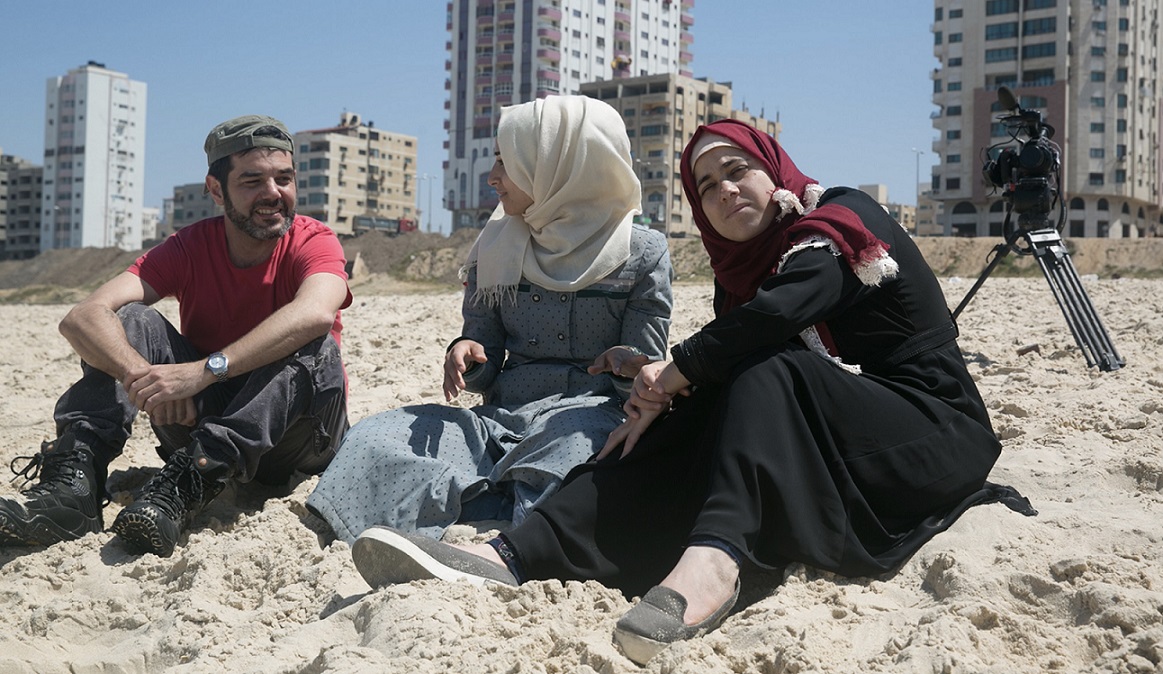
Vázquez had put his life at risk to make the film, which shows him entering enemy territory with the ELN and being shouted at to stay back as gunshots go off ahead.
 Yet Vice chose to turn away from his first-hand experience and to fall back on the New York Times’ editorial which is the official Colombian Army line, (whatever agenda it may have on Colombia’s war on drugs).
“In investigative journalism, if you’re given the bible of what you’re supposed to say and what you’re not supposed to say before you even start to investigate, how could you ever come up with the truth?,” Vázquez asks.
“Whatever the truth is, it’s better than a lie”
The investigative filmmaker returned to his native Argentina to begin filming for a new documentary which comes out later this year.
Titled “Argentina’s stolen identity”, it is about the story of Daniel Santucho who finds out aged 46 that his mother was captured during the dictatorship when pregnant and sent to a concentration camp, where he would be born.
Daniel meets his biological family and visits this concentration camp with them.
 “I was crying behind the camera the whole time. I’d been to concentration camps before- one of my uncles was tortured in Paraguay, and I took him there for the first time, 25 years later- but I’d never done it like that with a whole family, with children there,” Vázquez says.
“It’s an experience that changed me as much as when I went to Gaza in 2001.”
The investigative filmmaker says that it was a beautiful experience to see Daniel have his suspicions about who he was confirmed and his instincts validated.
“Whatever the truth is, it’s better than a lie,” he says.
(Photos supplied by Rodrigo Vázquez and authorised for publication)










.jpg)












