
On May 14, 2024, after years of negotiation, the European Union adopted the “Migration and Asylum Pact.” This legal package, which includes around ten regulations and directives, is designed to create a coordinated system for managing migration and asylum across the Union. The full implementation of these laws will begin in 2026.
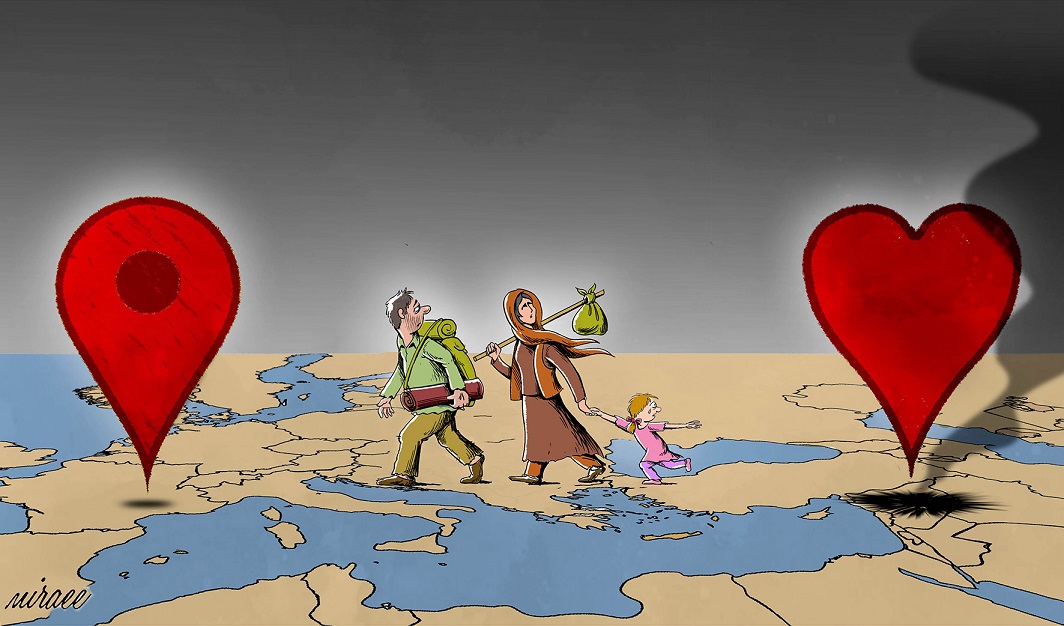 Rola Zamzameh*
The new EU Migration and Asylum Pact, while intended to streamline and improve migration processes, has faced widespread criticism from human rights organizations, experts, and civil society activists.
Instead of providing a humane response to the migration crisis, the pact relies heavily on security-focused and restrictive approaches. This pact threatens to violate human rights and the fundamental principle of non-refoulement. By allowing border detention and implementing rapid procedures in closed centres, there is a risk that asylum seekers will be returned to countries where they face serious dangers without effective access to legal counsel or a fair hearing. Speeding up case processing may sacrifice justice in favour of expediency.
Under the “mandatory solidarity” policy, countries that are unwilling to accept asylum seekers can avoid their obligations by paying a fee (20,000 euros per person).
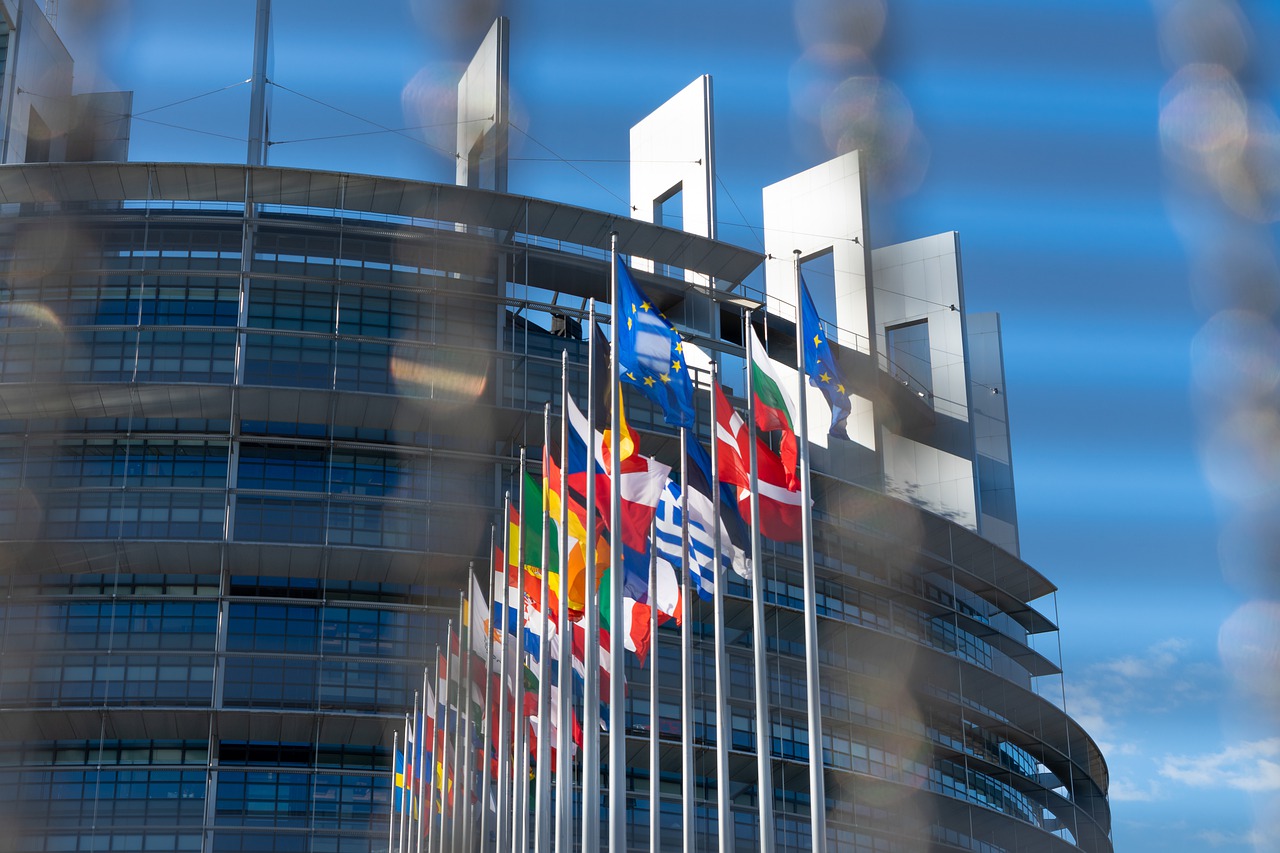
This mechanism effectively turns human responsibility into a financial transaction and undermines the EU’s values of solidarity.
The new pact mandates fast-track processing for asylum seekers from countries with low acceptance rates.
This approach, contrary to the principles of individual and fair case assessments, deprives many applicants of access to a fair process.
The policies institutionalize a security-driven and surveillance-based approach to migration. By focusing on control and detention instead of integration and support for migrants, it fosters an atmosphere of distrust and hostility toward asylum seekers, potentially strengthening far-right discourses. The pact fails to address the fundamental causes of migration, such as war, climate crises, corruption, or political repression. The policies presented are more reactive and short-term, aiming only to manage and contain migration rather than addressing its root causes.
Moreover, despite the EU’s previous stance against detaining children, the new pact allows for the detention of children and families in border centres.
 This action contradicts the United Nations Convention on the Rights of the Child and could lead to significant psychological and social harm for migrant children.
These policies increasingly create distinctions between asylum seekers.
While Ukrainian citizens receive rapid support and accommodation, asylum seekers from African or Middle Eastern countries are subjected to harsher border procedures. This structural discrimination undermines the principles of equality and human dignity. By focusing processing at border centres, the opportunity for independent oversight by NGOs, media, and human rights groups becomes more limited. Reduced transparency in asylum processes raises the risk of increased abuse, mistreatment, or systematic violations of refugees’ rights. This also diminishes public trust in the migration system, presenting a bleak picture of the EU’s humanitarian commitments.
*Rola Zamzameh: Senior journalist at the European Commission and Parliament.
(Images supplied by the author and authorized for free publication in The Prisma)










.jpg)












