
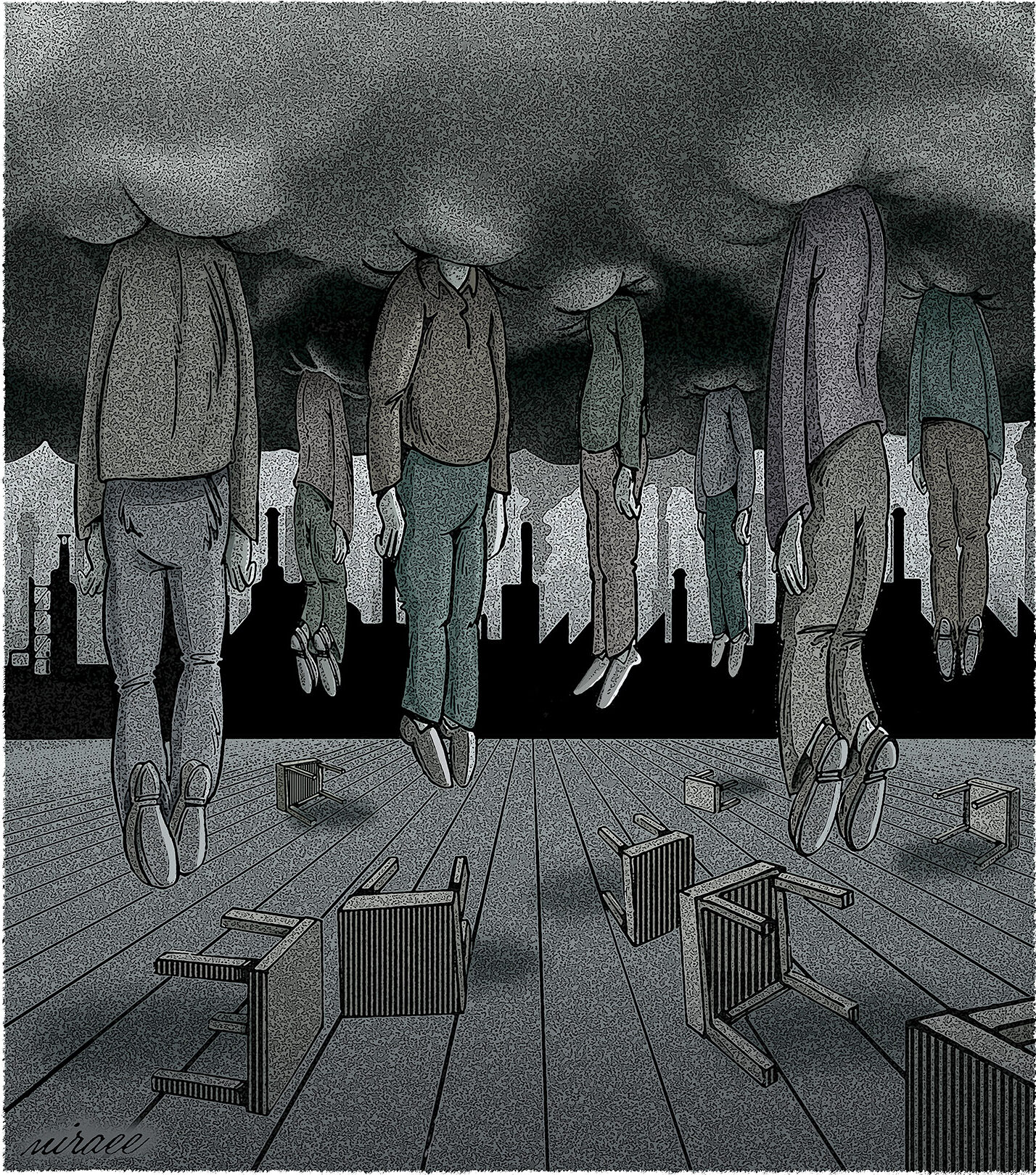
Climate change and air pollution have emerged as two of the most pressing global challenges of our time. In response, the European Union has recently adopted a set of ambitious environmental laws aimed at drastically reducing emissions. However, the effectiveness of these efforts depends largely on the cooperation of major global polluters like China, the United States, India, Russia, and Brazil.
 Text: Rola Zamzameh*
Cartoons: Ali Miraee
In recent years, the European Union has significantly intensified its environmental policies by adopting new laws aimed at combating air pollution and climate change. In December 2024, the EU approved the Ambient Air Quality Directive Amendment, aligning its air pollution standards with the recommendations of the World Health Organization. This amendment reduces allowable levels of key pollutants such as particulate matter (PM2.5 and PM10) and nitrogen dioxide (NO₂), aiming to reduce premature deaths caused by air pollution.
Alongside this, the EU introduced the Carbon Border Adjustment Mechanism (CBAM), which is set to fully take effect in 2026. CBAM imposes a carbon tax on imports of carbon-intensive products such as steel, cement, and fertilizers. Designed to prevent carbon leakage and protect domestic industries, this mechanism also aims to push non-EU countries towards cleaner industrial practices, although it may lead to increased trade tensions globally.
Furthermore, the EU passed stringent methane emission reduction rules in 2024, targeting methane leaks from the natural gas infrastructure. Since methane has a much higher global warming potential than carbon dioxide, tackling these emissions is critical for mitigating climate change.
 Another major initiative is the Clean Industrial Deal, which aims for a 90% reduction in greenhouse gas emissions by 2040.
This plan includes streamlining permits for clean industrial projects, creating a carbon removal investment bank, and accelerating the transition to clean technologies.
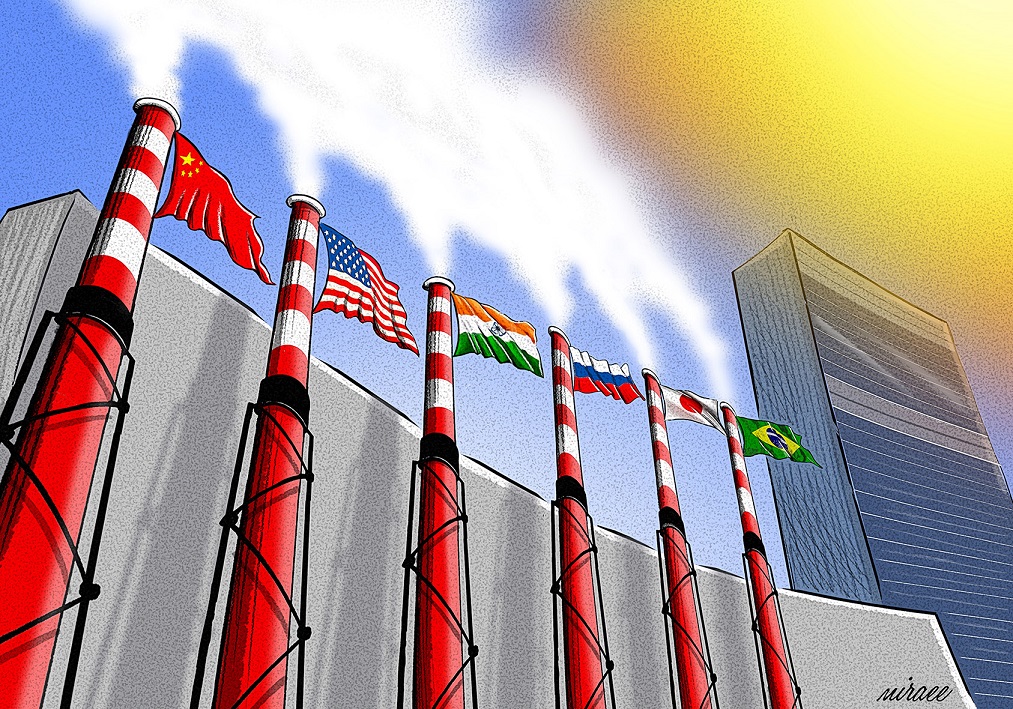
However, on the global stage, the EU’s efforts are overshadowed by the behaviour of major polluting countries: China, the United States, India, Russia, and Brazil. These nations, for various reasons—ranging from economic development pressures to dependency on fossil fuels and internal political dynamics—have shown resistance to aggressive climate interventions.
For example, China remains the largest coal consumer worldwide despite major investments in renewable energy. And the United States, while rejoining the Paris Agreement under President Biden, withdrew again, when Trump was inaugurated for a second time, and still faces significant political divisions and inconsistent climate policies at federal and state levels.
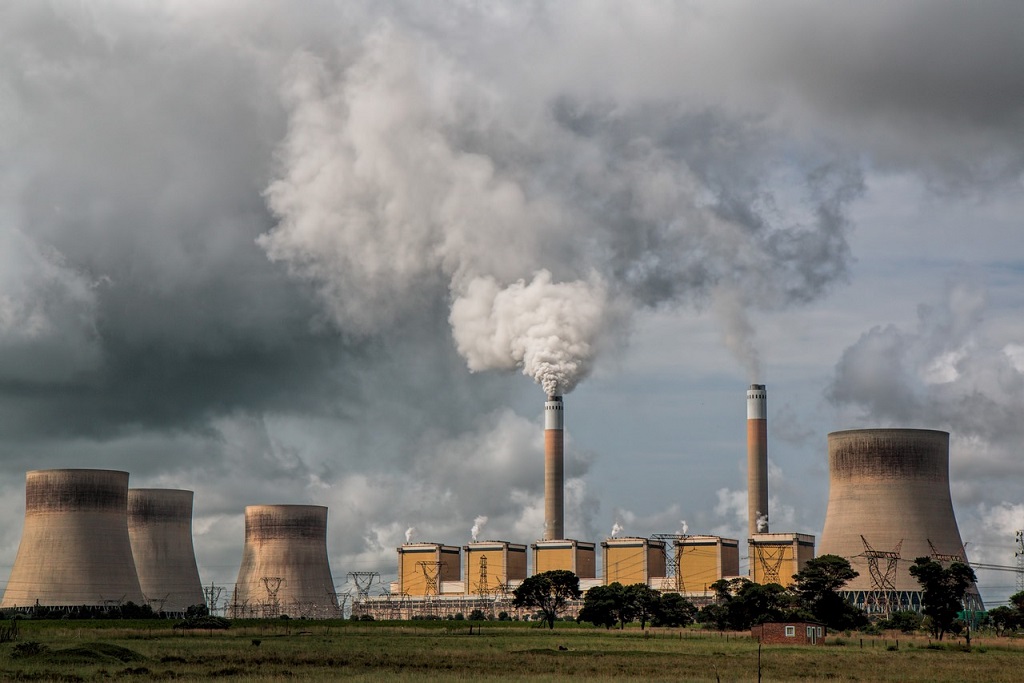 In addition, India prioritizes economic growth and poverty reduction, making immediate large-scale emission cuts politically challenging, and Russia has little incentive to curb fossil fuel exports, which form the backbone of its economy. Similarly, Japan, although committed to carbon neutrality by 2050, continues to rely heavily on coal and fossil fuels, especially after the Fukushima disaster reduced its nuclear energy capacity, making its transition to clean energy slower than expected. For its part, Brazil continues large-scale deforestation in the Amazon for agricultural expansion, undermining global climate efforts.
While the EU’s new regulations are a positive step, without active participation and stronger commitments from these major emitters, the overall impact on global climate change will remain limited. Mechanisms like CBAM could encourage higher environmental standards internationally, yet they also risk deepening economic and political rifts.
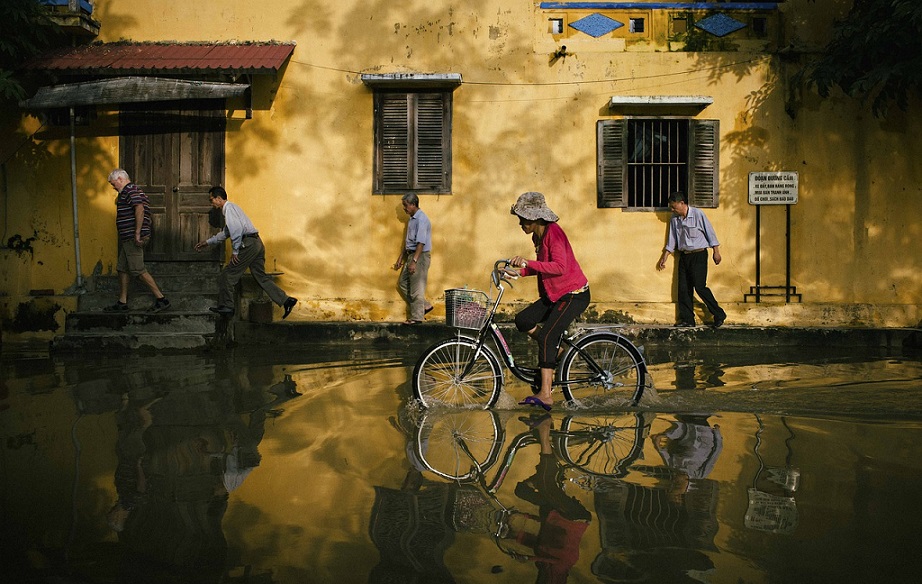 Ultimately, the climate crisis is a global phenomenon that demands real cooperation rather than economic competition. The EU must continue to lead morally and technologically, but achieving the “zero pollution” vision will require a shared international commitment—otherwise, it may remain a distant aspiration rather than an imminent reality.
*Rola Zamzameh: Senior journalist at the European Commission and Parliament.










.jpg)












