
The feelings of isolation suffered by domestic violence victims are more intense for LGBTQ+ people or members of other marginalized groups. Legal delays prolong the suffering. TV has an important role in stimulating discussion. And telling these stories requires capturing their emotional and social depth and understanding complex relationships in contexts of vulnerability.
 Graham Douglas
In a long interview with The Prisma – the first part of which we published last week, Marcío Laranjeira, director of “Casa Abrigo”, also discusses the larger issues in putting together a TV mini-series on a topic of public interest that is also often a taboo. By its nature domestic violence is hidden, because it’s a source of social disgrace for the family, and at the same time the perpetrator requires secrecy in order to impose his will and separate the woman from her social networks of support. This is especially evident in the use of hidden cameras by perpetrators.
The filmmaker is aware of the varied intersecting personal narratives that flow through the characters, and how they are accentuated or suppressed by the crisis of separation in the family.
Therapy can help the participants to understand the unconscious family narratives that are playing out in their relationships, but it is not always available. And slow-moving legal processes don’t keep pace with events and leave a sense of injustice for those obliged to leave their home, because of the violence of a person who carries on their life as normal.
 An important analysis of the treatment of domestic violence in Portugal was issued last week by the European Council. While acknowledging progress since 2019, they criticize the “patriarchal attitudes present among some members of the judiciary, which privilege the protection of the family unit at the expense of victim’s rights…” They also recommend mandatory training for members of the judiciary on all issues of violence against women covered by the Grevio or Istanbul Convention.
I look forward to hearing about the TV mini-series that this film showcases, which is planned to be shown on both Portuguese and Spanish networks and would have a powerful impact in the UK, where domestic abuse is also prevalent.
What we saw today is actually the first two parts of a TV miniseries. How did you choose which parts to make into a full-length film?
It was important for me to highlight this aspect because, as you saw, the first part is risky for a TV series. It doesn’t follow a conventional format with an open episode, and it doesn’t delve into all the characters. Instead, it focuses on a woman arriving at a refuge house, capturing that specific feeling.
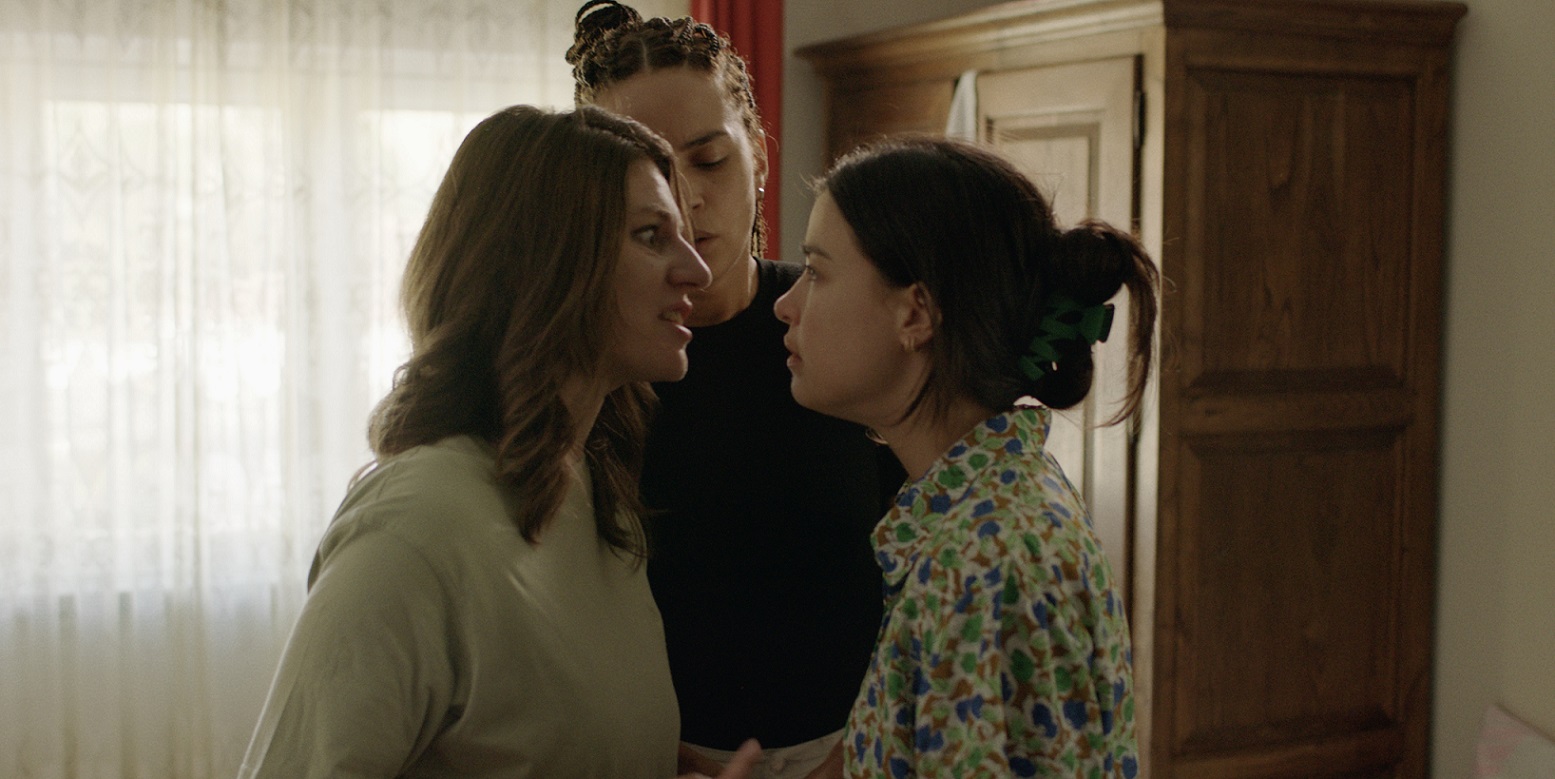 The second episode centers on Madalena but still encompasses the experiences of all the characters. At the IndieLisboa film festival, it was crucial to give a sense of the series by showcasing two episodes before it officially runs on TV.
I decided not to focus on just one story because it begins as a personal narrative but evolves into a public story that reflects the experiences of many people in this country. This isn’t just one movie, it’s much more than that. While I have always worked in cinema, I recognize that not everyone goes to the theater. I want this work to reach into people’s homes, where domestic violence often occurs. That’s why I chose to explore the stories of different characters across six parts.
This was a co-production with the TV network, and the screening at the festival was the first. Afterward, the TV network will decide when to air it.
You like to combine telenovela with a documentary, and telenovelas have a social function as well. So, when you say you wanted to get it into people’s houses, you were thinking of that?
It wasn’t originally about telenovelas. In Argentina, I studied documentary cinema and literature, which led me to focus on character development.
 For me, documentary doesn’t have to be strictly rooted in factual truth.
To discuss truth in a documentary is to acknowledge that it involves facts, but it is also about interpretation. Everyone engages in this kind of interpretation in their relationships, which can lead to many dangerous ideas.
Example…
Political ideas can be dangerous, especially in the age of fake news. Ideology also permeates scientific and philosophical concepts. Regardless of the political regime in power, there are always remarkable philosophers who engage with the truth, which makes it a perilous endeavor.
I enjoy documentaries, but they often focus on characters and individuals. However, people tend to represent ‘the other,’ and I find myself drawn to exploring that ‘otherness.’ It feels metaphysical to me, like a form of investigation.
I have written more than one story that intertwines many narratives within a single character, and these tales are not solely about truth. Instead, they reflect what my characters and I want to express: the violence that resides within us.
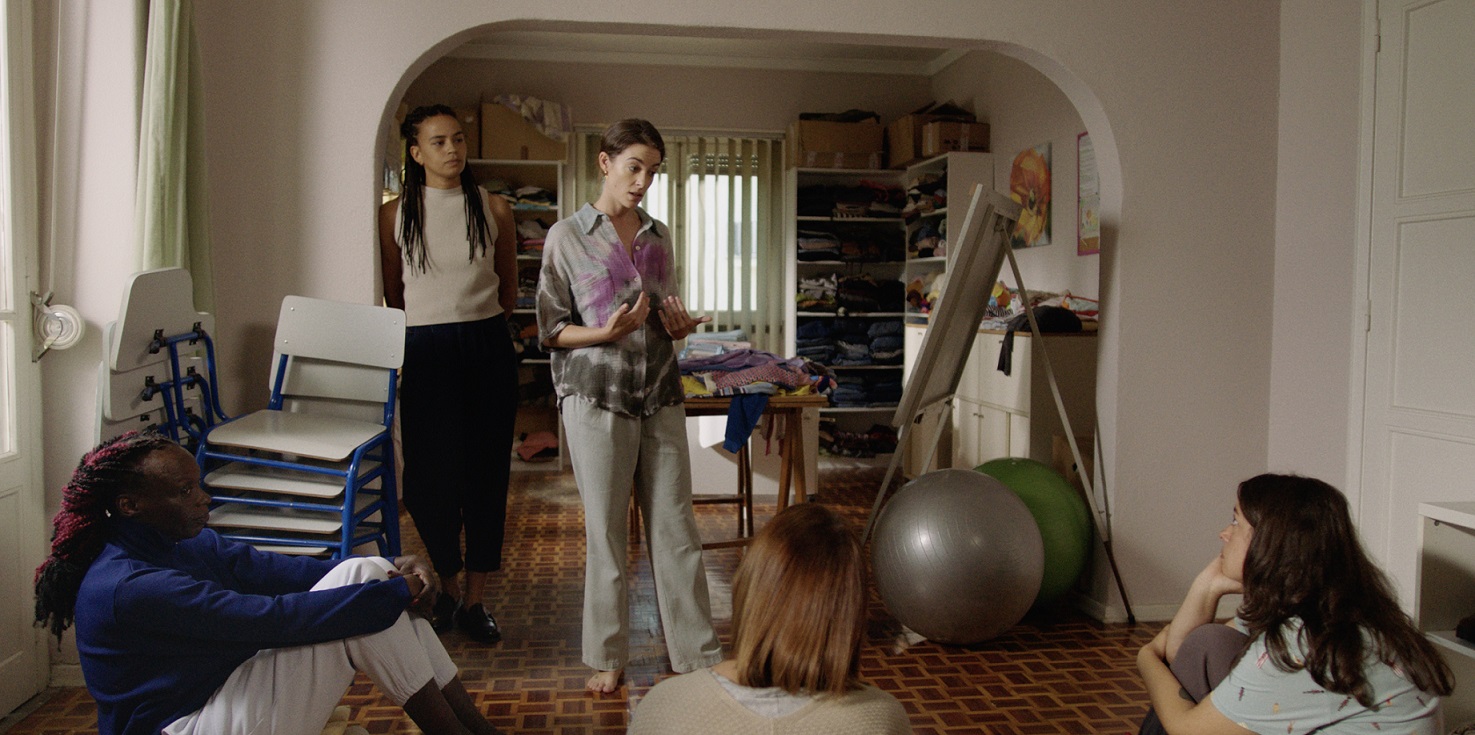 Talking about politics, especially with a regime like Trump’s, and probably Millei in Argentina, the family is a contested area, only ‘normal’ families can be shown in schools.
In the second episode, we highlight the critical need for safe shelters for LGBTQ+ individuals. In a world where many people may not have family support, especially in times of danger, it’s essential to create secure spaces for those who are vulnerable. LGBTQ+ individuals often face increased risks and threats, and the lack of acceptance in many areas, including schools, exacerbates their situation. Establishing safe shelters is vital to provide protection and a sense of belonging for those who are marginalized.
It seems to go back to what you were saying about loss of identity. I guess Madalena has always played the victim with her son, but it’s also part of her identity so she does it even more after moving to the refuge.
Yes, and I think it’s important to highlight the son’s reflections on what he said to Madalena. It creates a complicated dynamic; they’re both playing roles, and the question of guilt arises.
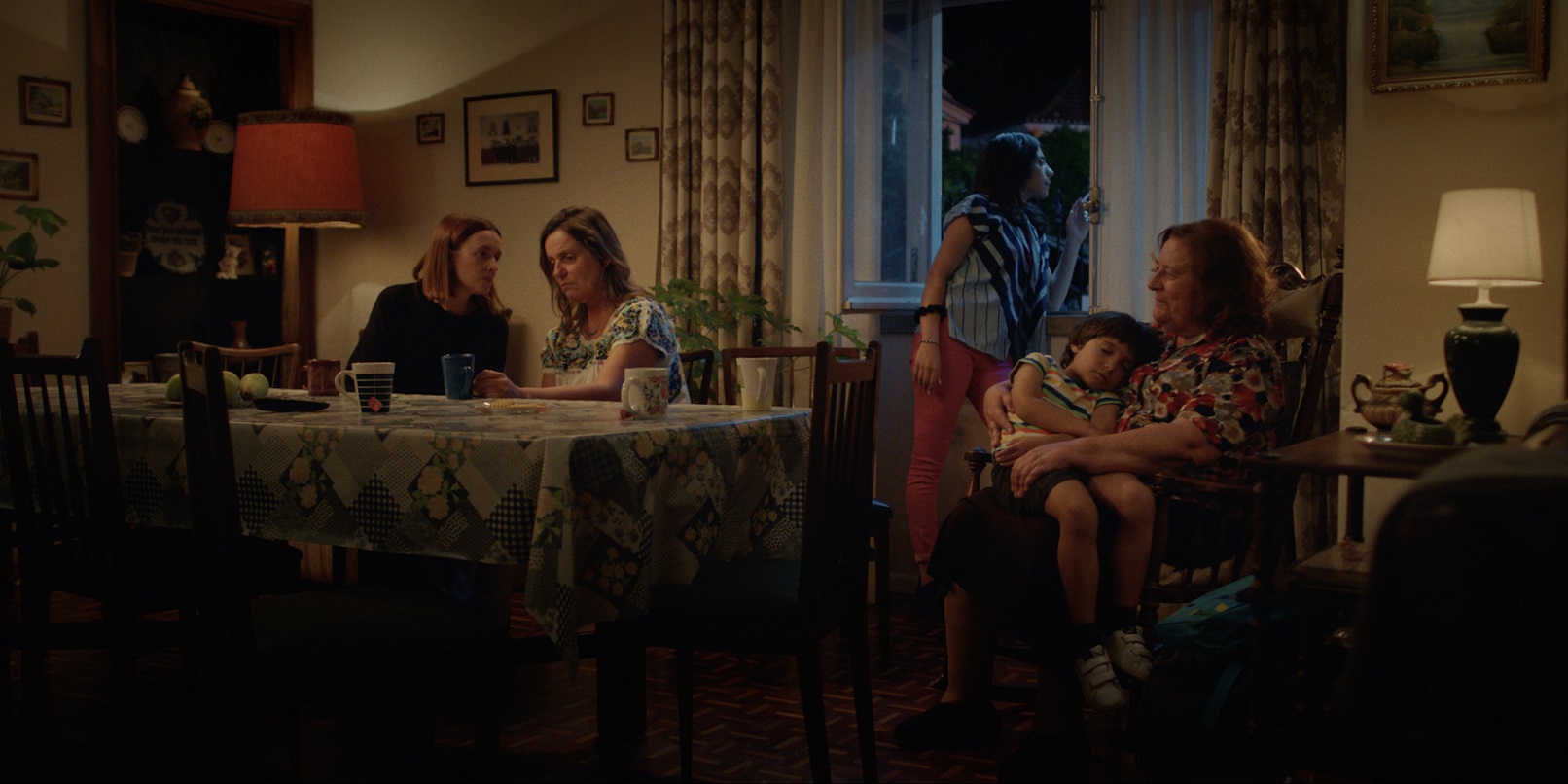 The real aggressor is absent from this scene.
What we see is just the mother and son, both of whom are victims, but also survivors. Madalena is in the house searching for an identity that she will ultimately discover later in this mini-series, which is a significant journey for her.
However, with the aggressor not present, the blame doesn’t lie with her or with the son. Yet, at the end of the episode, the son says, “It’s my fault, it’s my fault”.
That is a common phenomenon, in situations where somebody dies but you survive you feel guilty, because it didn’t happen to you. Raphael, talking to his boyfriend about that feeling that he never did anything to protect his mother, but just blamed her.
Raphael is indeed blaming his mother during that tense discussion in the café, even though he is a victim of everything that has happened. Madalena is doing her best under the circumstances. I decided not to include the perspective of the aggressor, but this omission can lead to misplaced blame directed at either of them.
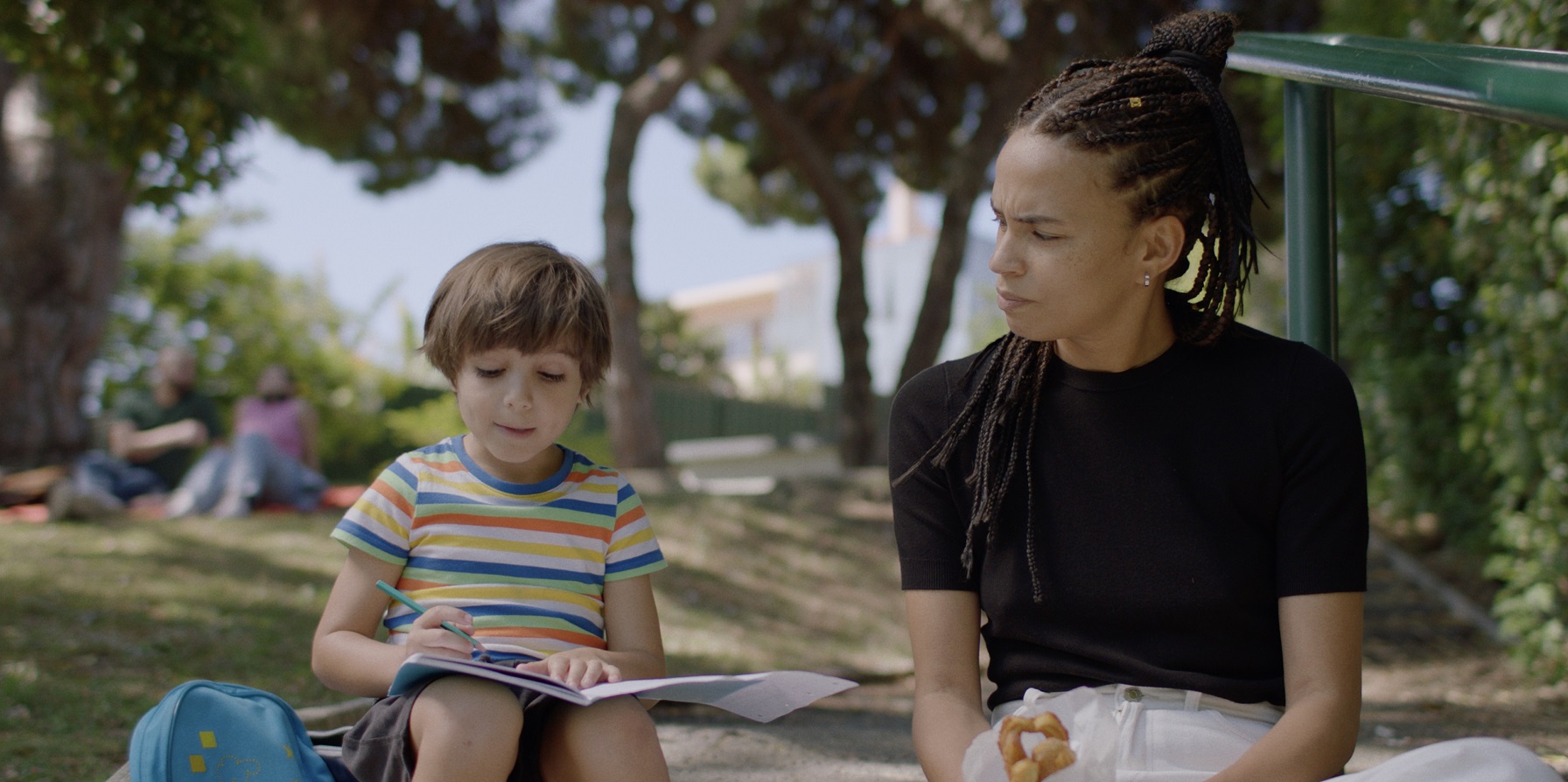 It’s crucial to remember that both are angry, and they are channeling that anger toward themselves and each other. Madalena’s aggression extends to Gabriela as well. This illustrates that the violence resides within them.
What access to therapy do people have there?
Every place is unique. Some locations offer therapy and group therapy sessions, which can be incredibly helpful. These settings provide women with the tools not just for their own healing, but also to contribute to a fundamental support system for other women in society. Through these experiences, they can find a sense of purpose in their lives; they realize they aren’t just victims but individuals who can help others. This shift in perspective is vital for their empowerment and growth.
Is there anything else you’d like to say that we’ve not talked about?
It’s never-ending; we just need to start the conversation. Once people begin to talk, it becomes an open book. This big discussion needs to happen.
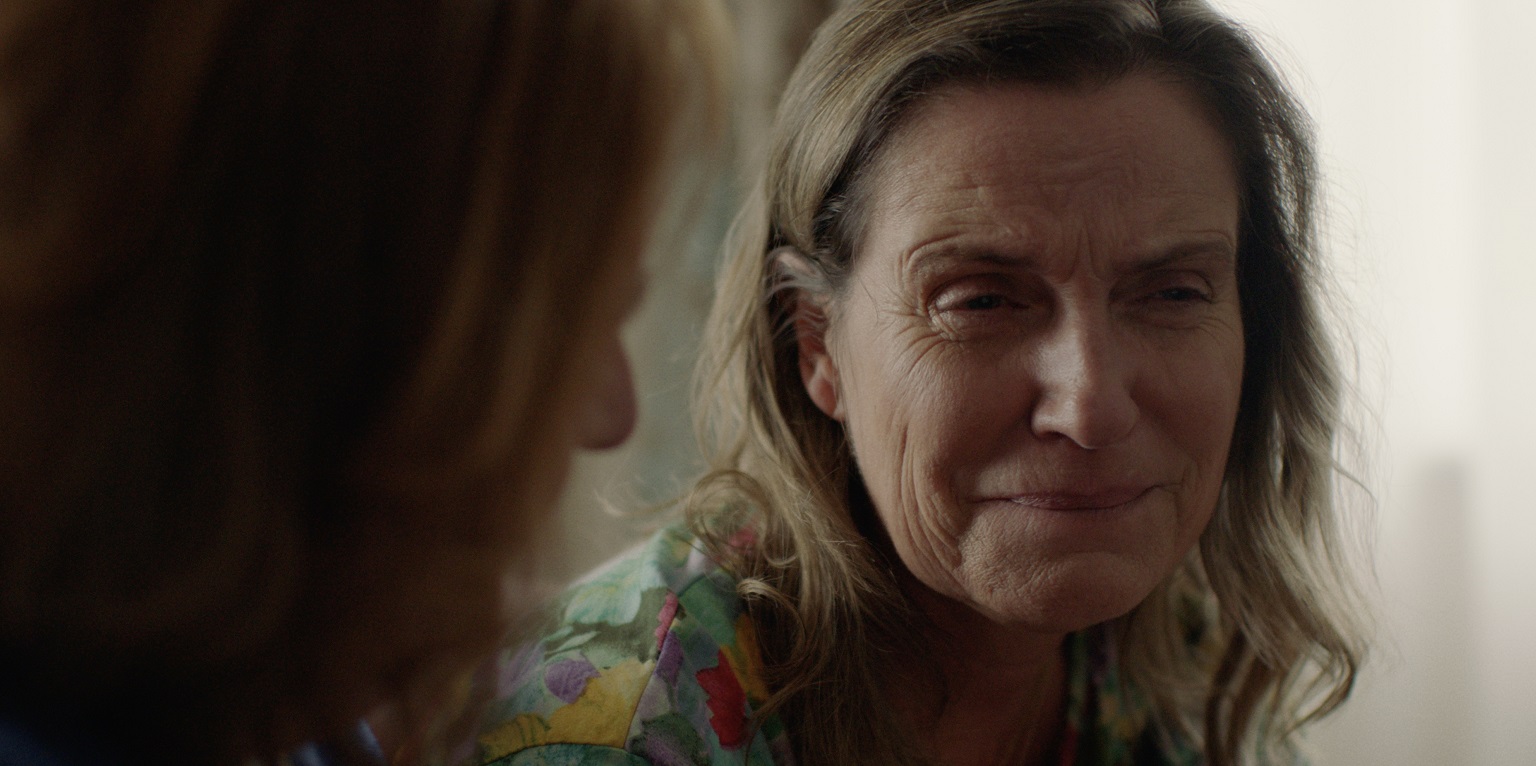
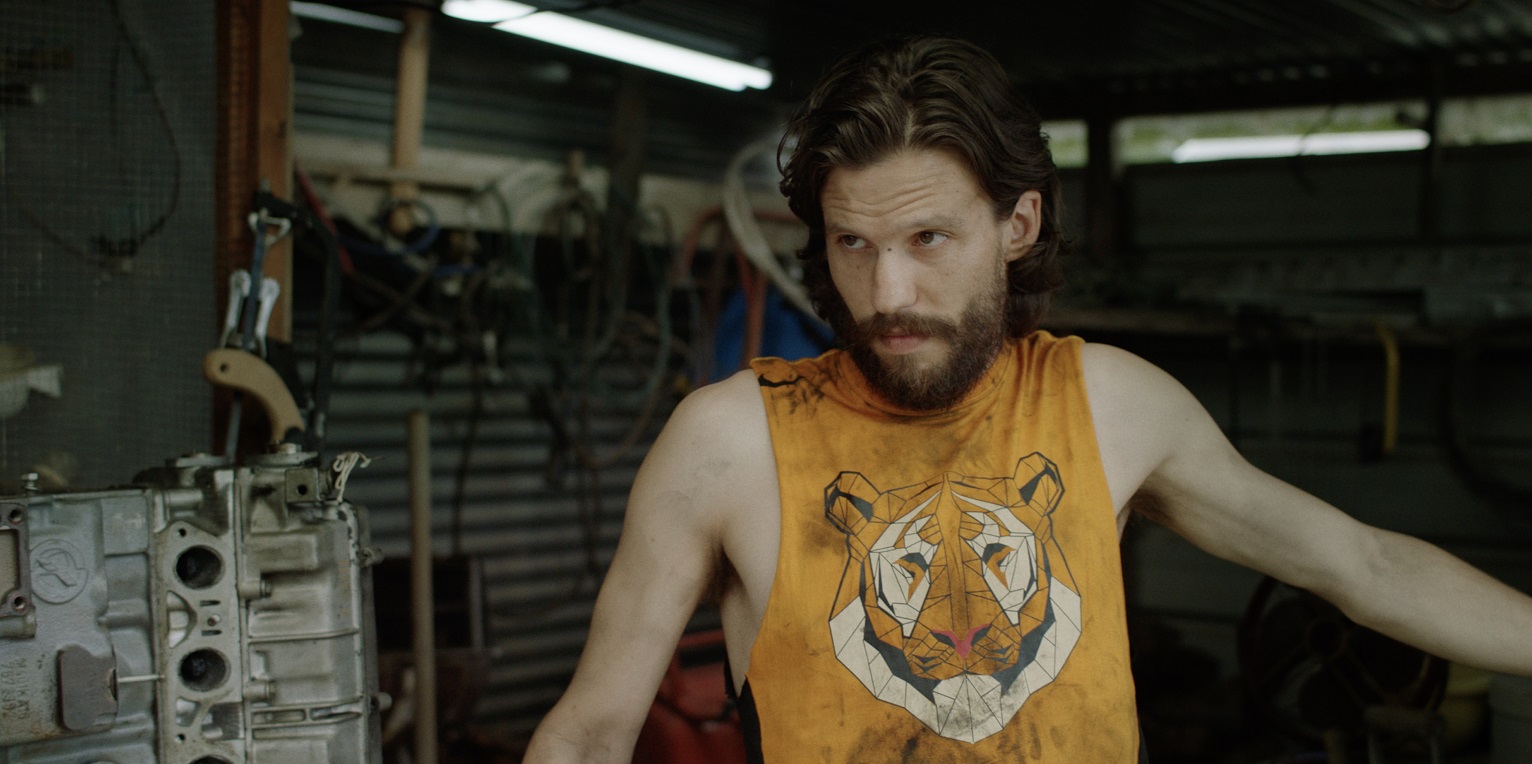
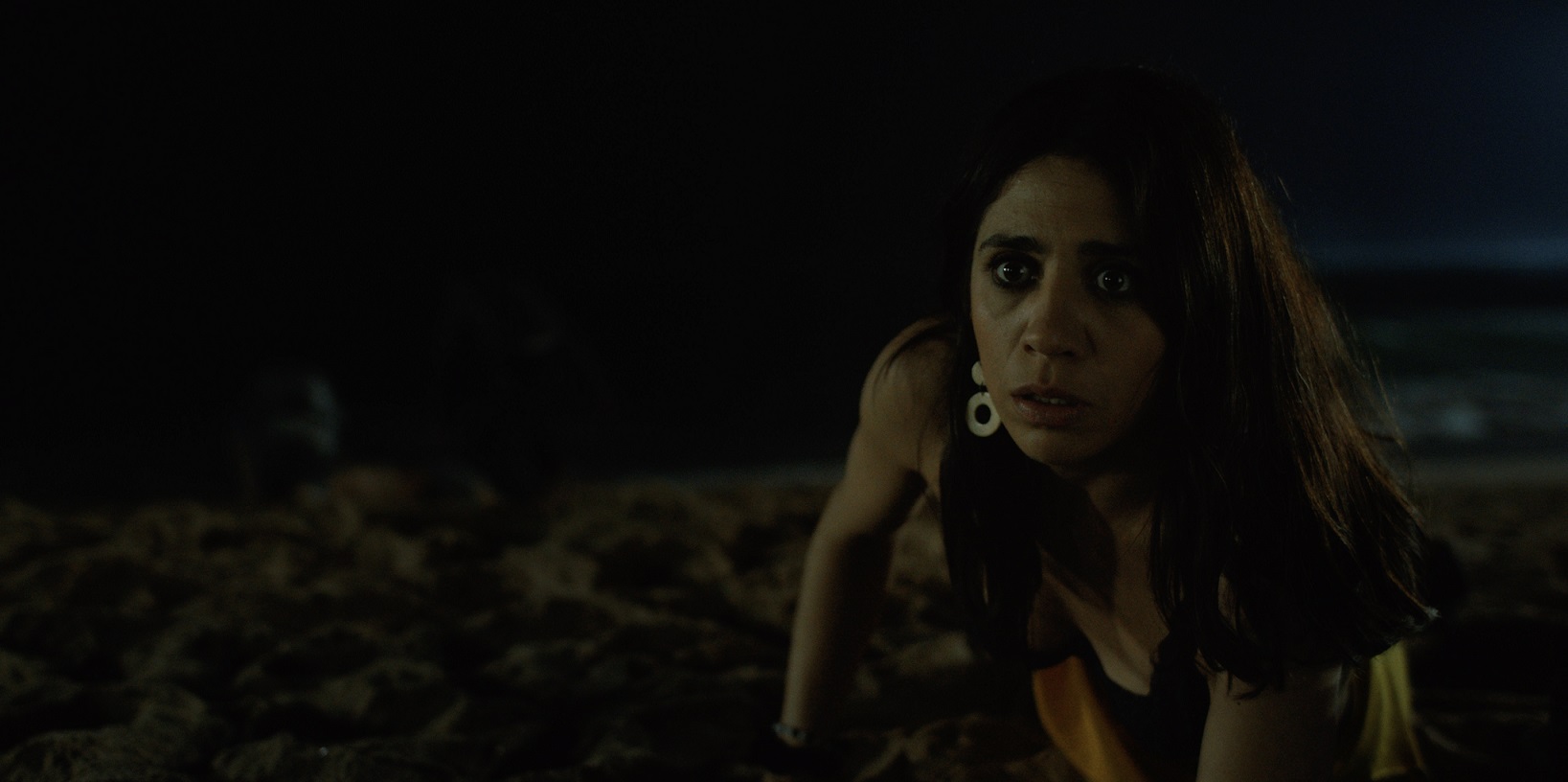
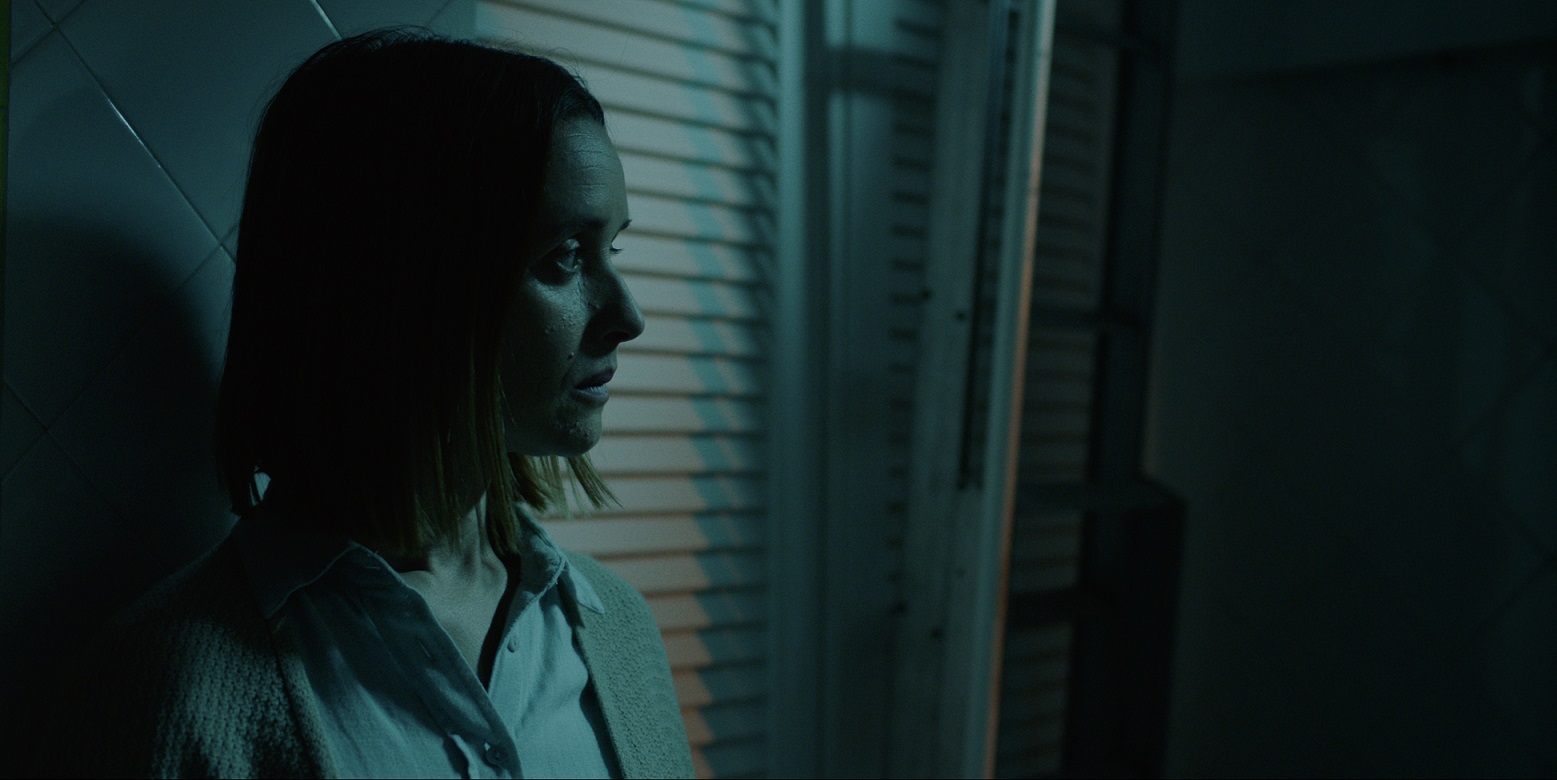
(Photos provided by FadoFilmes / Press Office for free publication in The Prisma).
Part 1: Domestic violence: the long road to freedom










.jpg)












