
The clinking of chains keeps sleep at bay…Thus, resistance turns into poetry—words that sprout from the heart of winter 2018, and, like ivy, climb the prison bars. In this segment, Nasrin Sotoudeh speaks of literature, accolades, and dreams—dreams that no wall could keep confined.
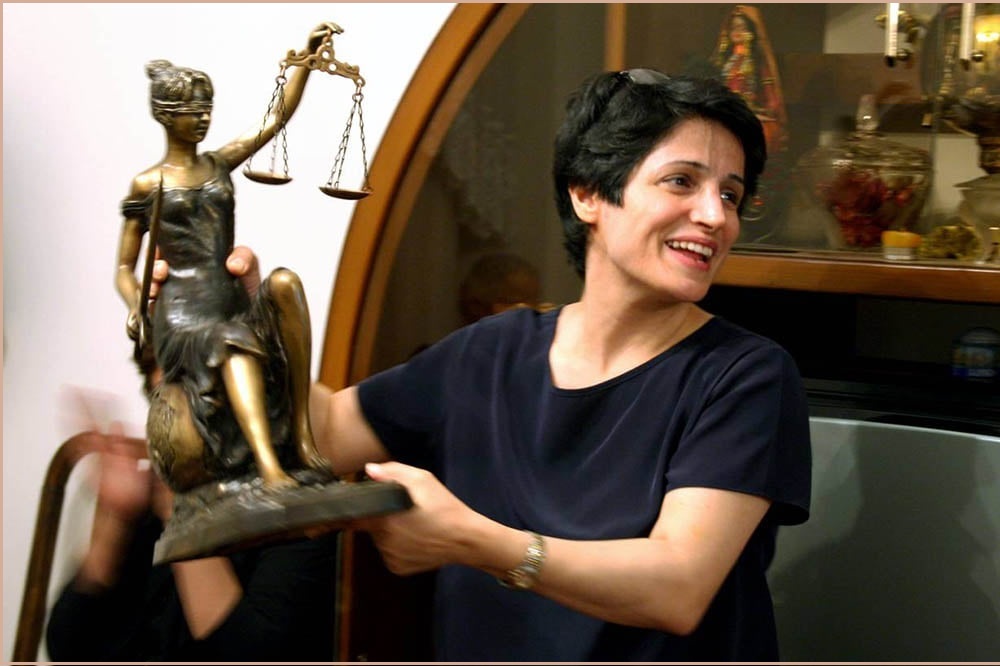 Rola Zamzameh*
We may know Nasrin Sotoudeh solely through courtroom windows, legal statements, and the heavy weight of her human rights cases.
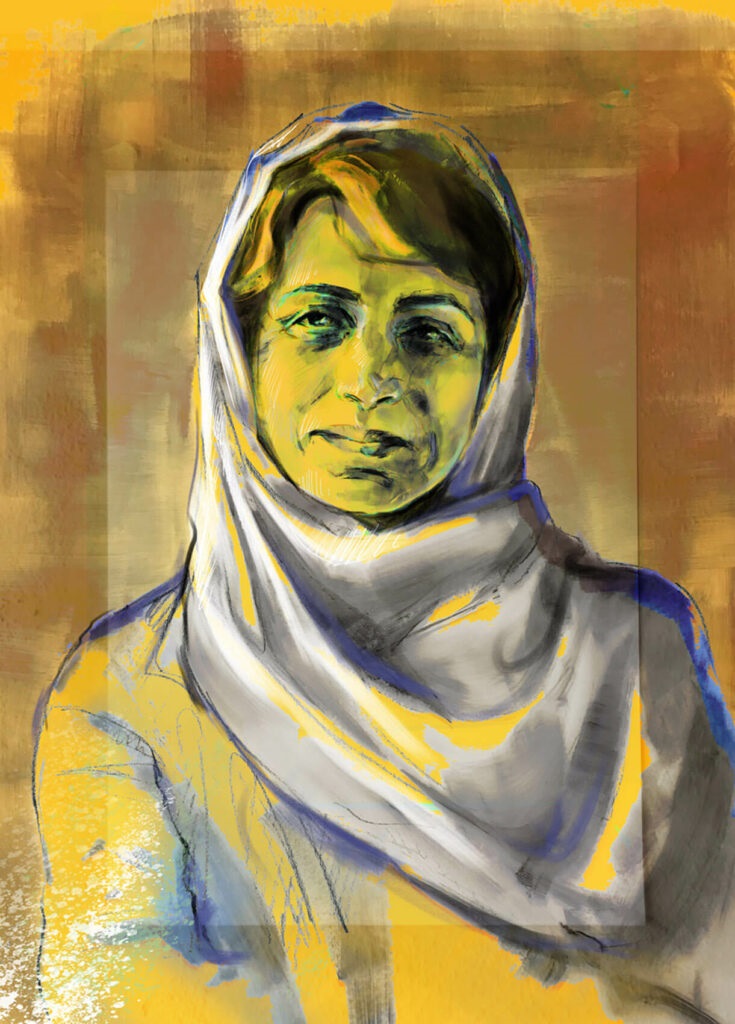
But behind this resolute public figure stands a woman who breathes poetry, finds solace in music, and constructs meaning through literature. In the second part of our interview, we enter Nasrin Sotoudeh’s inner world—where words, images, and silence speak louder than outcry. From books that comforted her in prison to global awards carrying her name, Sotoudeh reflects on how art shapes resistance and how resistance shapes art.
Fourteen years ago, just after your Bar Association hearing and before returning to prison, you shared a shackled embrace with your husband—now seen as visual poetry. How did that moment come about?
After nine months in detention, I was sentenced to eleven years in prison, plus long bans on law and travel. Around then, I was also summoned to the Bar’s disciplinary court, but my colleagues prevented a ruling. That day felt intimate—many fellow lawyers and feminists I’d defended were present.
After the session, someone shouted, “Raise your hands like before!” and I did. As we left, I heard my husband call my name.
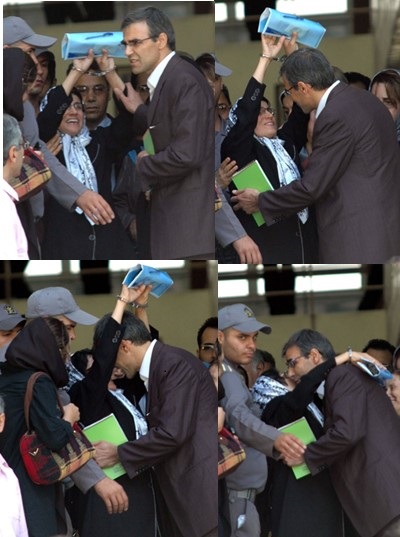 I turned and embraced him, even with shackled hands. I needed that human connection and didn’t want to resist the urge.
Could you describe your personal experience of resisting the enforced dress code in prison, particularly the compulsory chador?
This dates back to 14 years ago to 2011. Alongside the mandatory headscarf, female prisoners were forced to wear the chador over their manteau and scarf. Despite the injustice and hardship of incarceration, I resisted this from the moment I entered prison in September 2010 and never wore the chador.
When transferred from Ward 209 to the general ward, the resistance continued. After persistent efforts, we won a small victory: for four months, family visits were allowed without the chador. But then, prison authorities claimed some visitors wore excessive makeup and showed hair under the scarf, reinstating the chador rule. I refused to accept this and argued for months until my weekly visitation rights were suspended.
What were your days like in the women’s ward of Evin Prison?
In addition to doing crafts, exercising, and following daily routines, reading was one of the most important ways we passed time. When I arrived, I proposed the idea of holding Friday reading circles. About thirty women participated. We also had smaller book clubs—two to five people—formed around shared interests. And of course, there were solitary readers.
Books helped us tremendously. One of the most memorable was Marcel Proust’s seven-volume “In Search of Lost Time”. I deeply cherished that work.
How did you access books in prison?
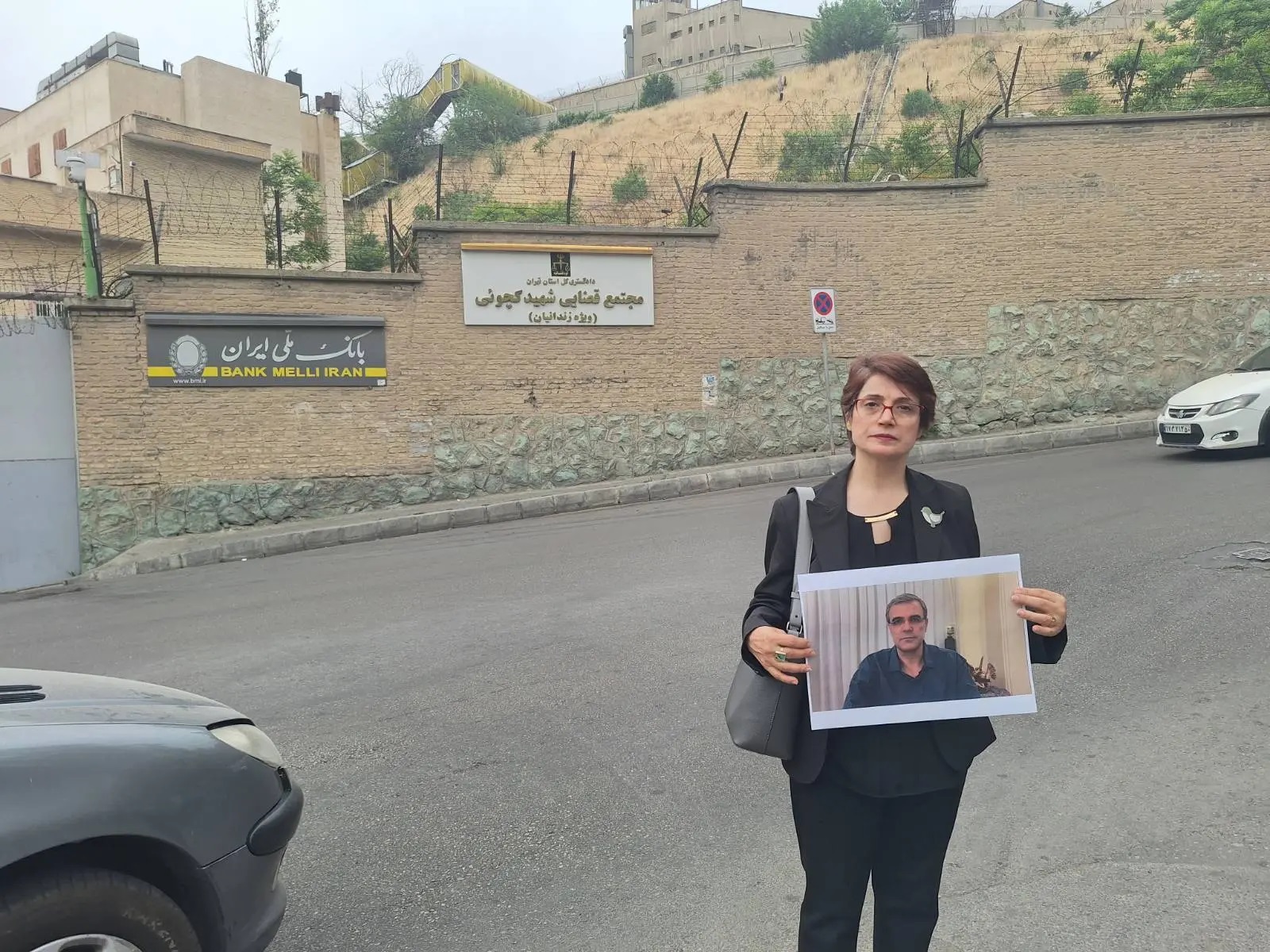
I remember when Khashayar Deihimi —an Iranian translator—donated his personal library to the prison. At that time, his late daughter “Nazanin”, who studied theatre, was imprisoned. During her four-month stay, she even staged Ariel Dorfman’s “Death and the Maiden”.
Still, even with a library, there were always specific titles we needed. We’d ask our families to bring them, but prison authorities often obstructed the process of getting books inside.
Do you recall a specific incident involving the authorities and books?
Yes. Once, when I was scheduled for a medical transfer, a security officer asked me: “Do you really read all these books?” His question made me laugh. I wanted to say, “No, we eat them!” But some people you simply can’t joke with. So I calmly said: “Yes, of course. And this isn’t even many books—just what you allow. They barely last us a short while.”
Reading in prison is unique. There’s an intense focus: it’s as if the outside world’s noise falls away. You’re cut off, yet strangely attuned. So the quality of attention—and of the reading experience—is unlike anything outside.
You received numerous international awards. How have these awards impacted your journey?
They had a positive impact. I remember when the Sakharov Prize was announced. An elderly woman in our ward, once my client, came from the clinic and said: “You and Jafar Panahi won the Sakharov Prize!” I knew I was nominated but hadn’t heard the final news.
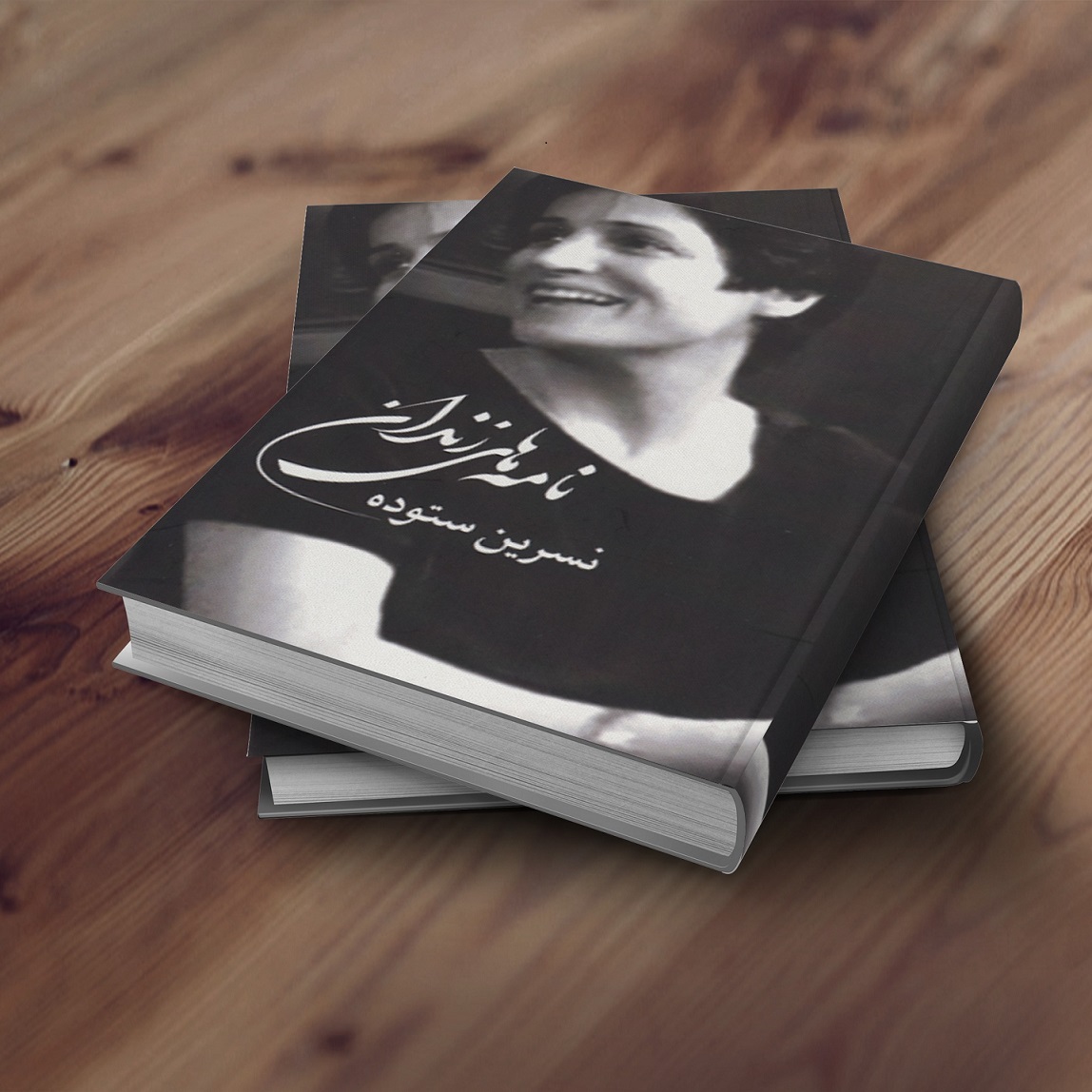 We had no phones, visits were limited and often through glass, and communication was very restricted. She learned the news from clinic staff.
Moments like this, shows how international solidarity impacts authoritarian regimes, forcing them to acknowledge human dignity. Sometimes, this recognition even earns silent respect from insiders. It’s not just about me, but the wise, compassionate choices of democratic societies.
I recall that Václav Havel, the late Czech writer and statesman, also paid tribute to you in 2010. Did these endorsements affect how prison officials treated you?
When Havel’s support became public, I was in solitary confinement—ward 209 of Evin. I had long admired his writings.
That day, I was unexpectedly called in for interrogation—something rare. During questioning, one officer said: “You know Havel has voiced support for you?” I was stunned. I instinctively replied, “Václav Havel?” The first interrogator turned to the second and said, “See? I told you—she knows who Havel is!”
They were surprised I recognized his name, likely thinking only they knew such figures. But do awards fully change our reality? Not entirely. Real change happens when we create it—and that moment hasn’t come yet. When it does, I’ll feel truly satisfied.
*Rola Zamzameh: Senior journalist at the European Commission and Parliament.
(Photographs supplied by Rola Zamzameh and authorised for publication free of charge in The Prisma)










.jpg)












