
Many cookbooks are underused because sections in them – like starters/ hors d’oeuvre, desserts – tend to be given short shrift by those with busy lives and more in need of good ideas for an evening meal than culinary creations that might impress visitors in our home.
 Sean Sheehan
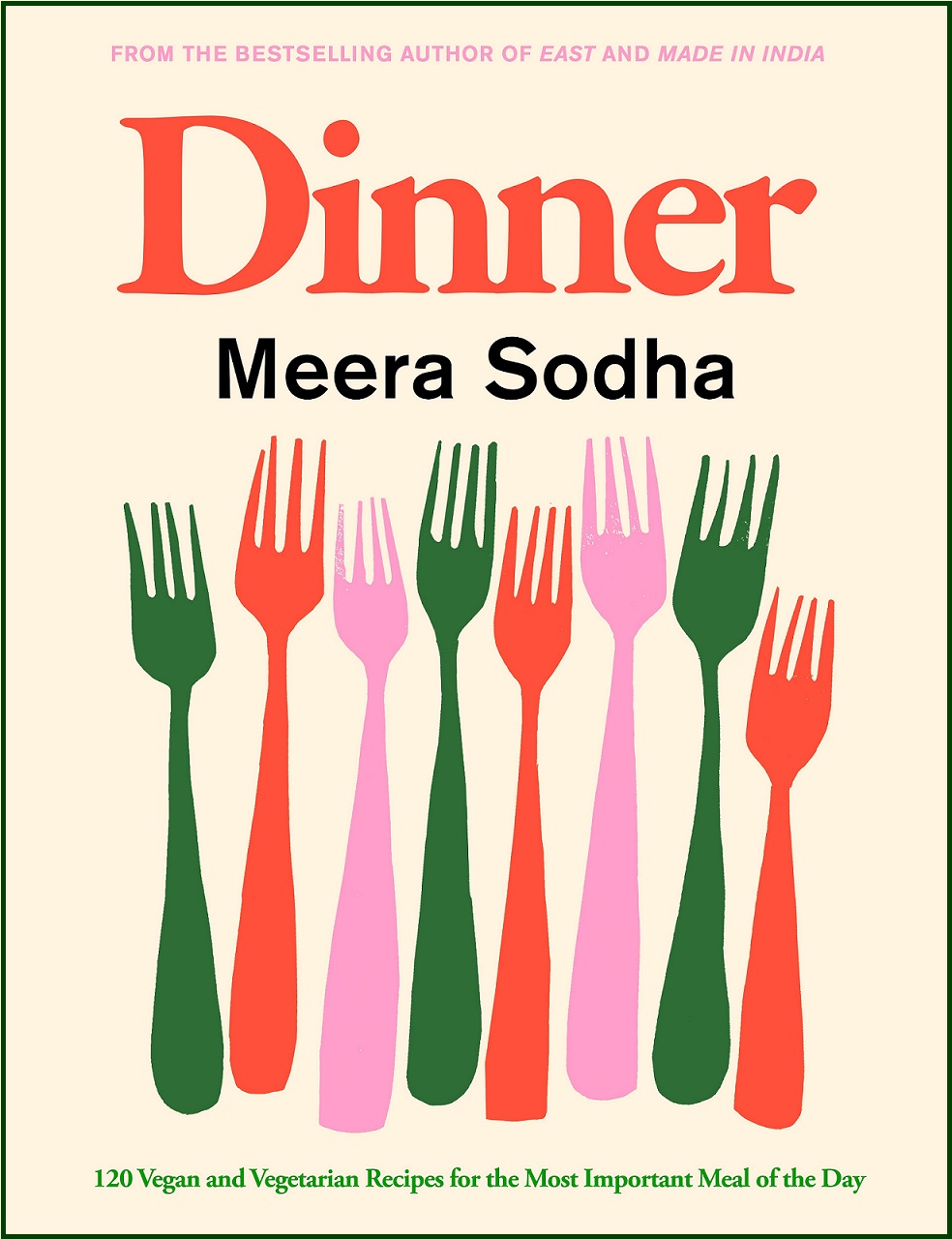
There is no danger of this with “Dinner” by Meera Sodha. Every recipe is a contender for your attention in the kitchen– especially if you are vegetarian or vegan – and taken together they constitute a tasty argument for eating less or no meat.
How you use this book is a personal choice and Sodha has put a lot of thought into this, making matters as flexible as possible. You can, if you wish, choose a recipe from her cookbook by turning the pages, looking at the recipes’ individual titles and the full-page photographs of what the food will look like on a plate. Or, you can consult the different Contents pages. One Contents is divided into vegetables, another follows a seasonal structure and a third has neat pointers like ‘Quick’, ‘One pot/pan’, ‘Bung it in the oven’ and ‘Salads’. A ‘Happy Endings’ section of about a dozen pages covers breads, roti, cakes and easy-to-make desserts.
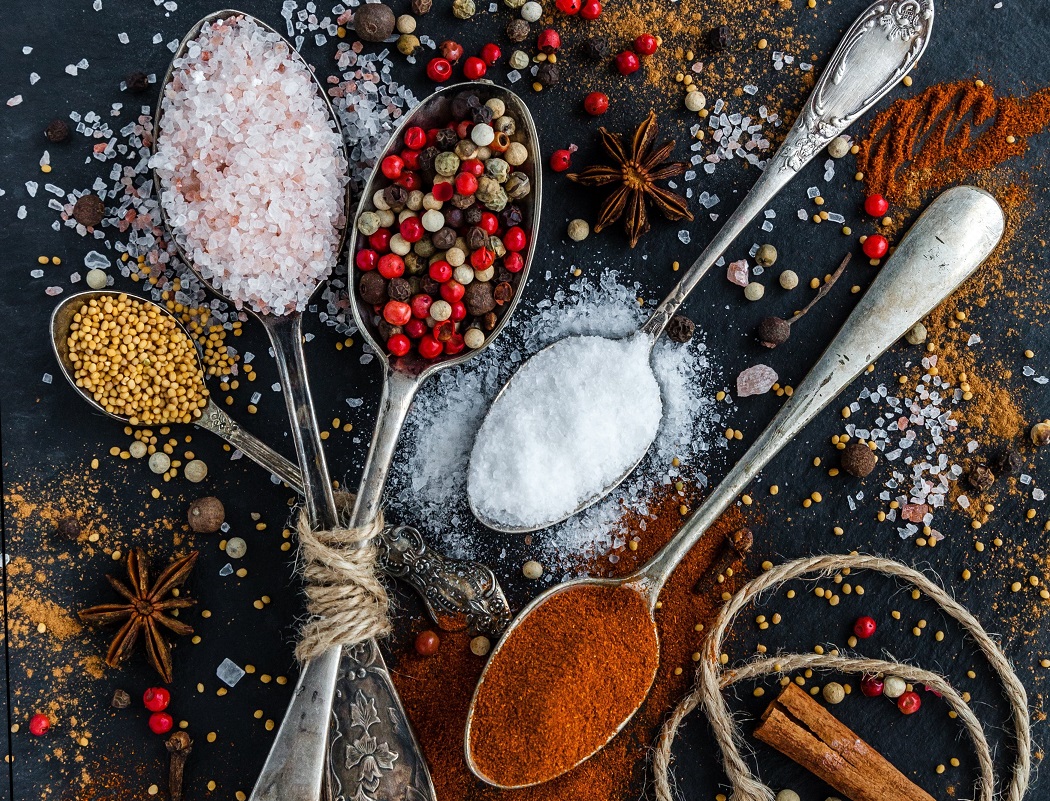
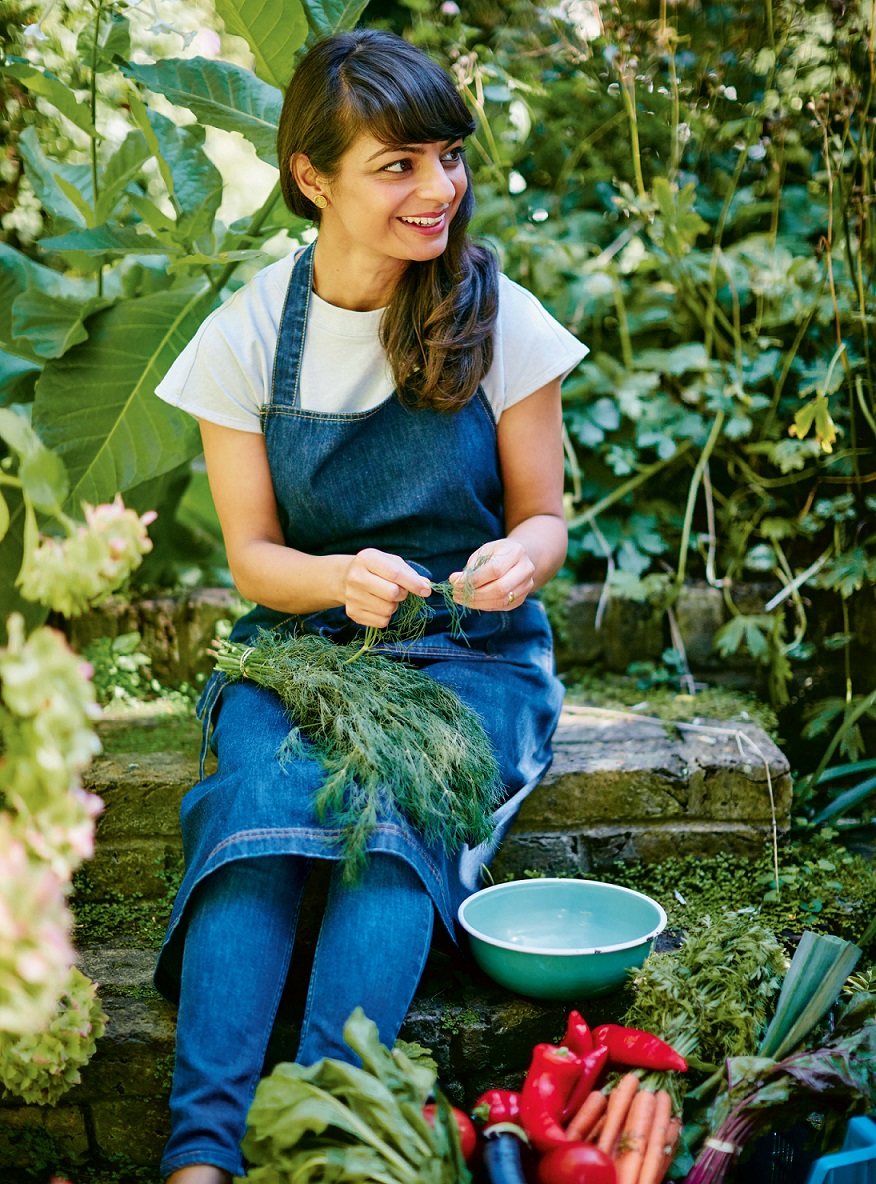
Meera Sodha was born in the UK to Ugandan Asian parents and there is no mistaking her deep love of Asian cuisine. It accounts for the focus of her earlier cookbooks and the way her repertoire includes Japanese, Korean, Malay and Thai ingredients. Using the recipes in “Dinner” involves basic spices like cumin, coriander, cinnamon and ginger as well as ones like Chinkiang vinegar, fenugreek seeds and gochujang that might mean a visit to a well-stocked supermarket or Asian store, A small subsection in her book, ‘Condiments’ covers pickles, sauces and chutneys she considers indispensable: Lao Gan Ma crispy chilli in oil, Kewpi mayonnaise, sambal oelek, kimchi and Geeta’s mango chutney.
All the recipes are vegetarian or vegan and ones I can attest to include swede rasam, a soup-like dish from south India, using swede and split yellow peas, and a Gujarati mung bean dal with sambharo. The stir-fry curry called sambharo may be unfamiliar to some but its mix of white cabbage with carrot with finger chillis makes a colourful accompaniment to the bean dal (and, I guess, other beans could be used in place of mung beans). Both were chosen because they are ridiculously easy to make, as is the Malaysian dal curry which only takes five minutes to prepare and 35 minutes to cook (try also adding frozen peas for the last few minutes of cooking).
Tofu is a key ingredient for non-meat eaters and Sodha’s black bean and onion braised tofu is a treat even if you may not be convinced of the need to mix the raw tofu with cornflower before cooking. The baked aubergines with chickpeas and tomatoes is a treat with, as she suggests, with dairy-free yogurt and tahini.
“Dinner” by Meera Sodha is published by Fig Tree (Penguin).










.jpg)












