
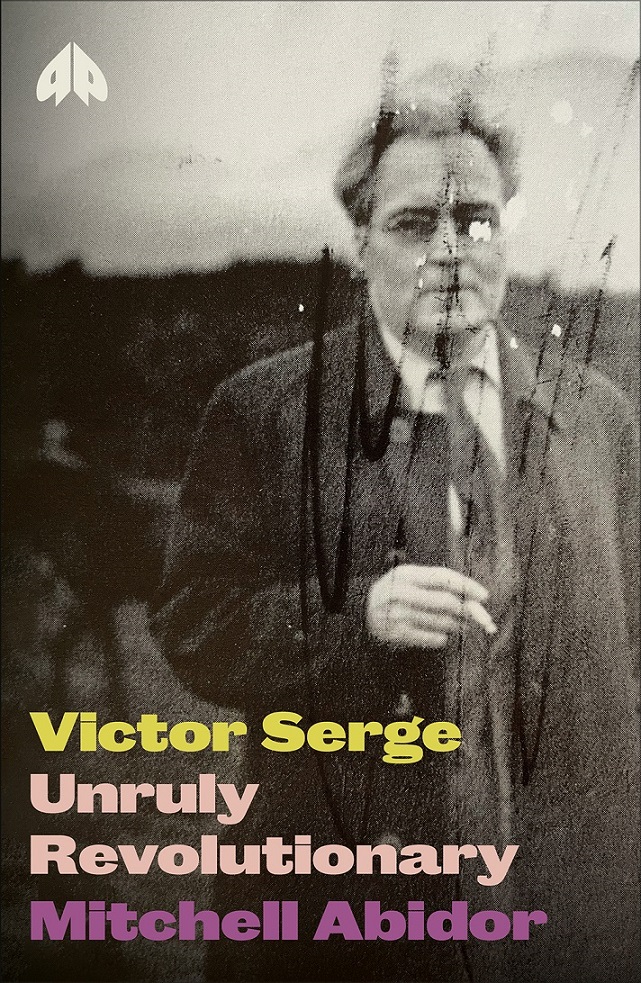
Victor Serge was born in Brussels in 1890 but came to live in many cities. He was, as an outstanding new biography puts it, an “unruly revolutionary”.
 Sean Sheehan
His parents were Russian immigrants and, in Paris, their son was drawn into anarchist circles and began writing for one of their newspapers from the age of 19. He was arrested in 1912 and imprisoned for five years, settling in Barcelona upon his release.
The Russian Revolution presented an opportunity to leave and in Russia he quickly started working for the Bolsheviks, ‘without’, as he wrote, “abdicating my [anarchist] ideas, except for what was utopian about them in contact with reality”.
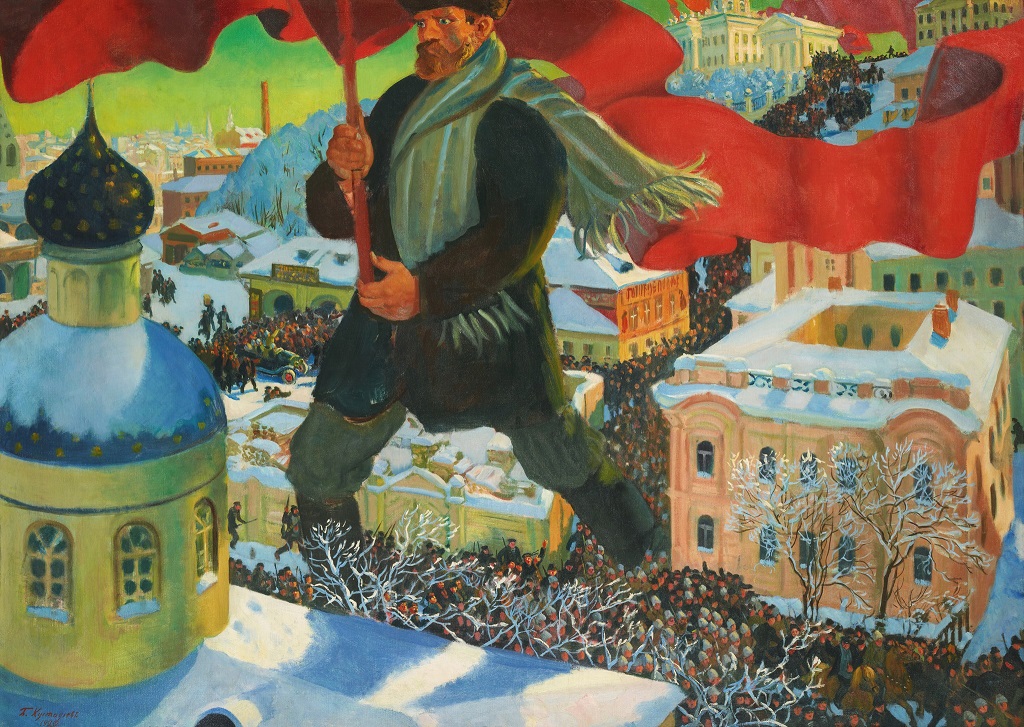
The 1920 uprising in Kronstadt by revolutionary sailors was ruthlessly crushed by Lenin’s government, costing the lives of perhaps as many as 10,000, and hundreds of captured insurrectionists were executed.
Serge sided with the government but from 1923 his doubts about the nature of post-civil-war Soviet Russia began to grow and five years later he was imprisoned by the secret police and held for over a month. The inevitable happened and in 1933, he was arrested, charged with counter-revolutionary activities and sentenced to three years of isolation in the Urals, some 1500km southeast of Moscow (but in a house with his wife, Liuba, and young son).
The family moved to Brussels upon his release and he mixed with socialist comrades and confronted his earlier silence over Kronstadt and pursuing the writing of novels.
With the Nazi advance into France, he fled south to Marseilles and gained passage on a boat crossing the Atlantic.
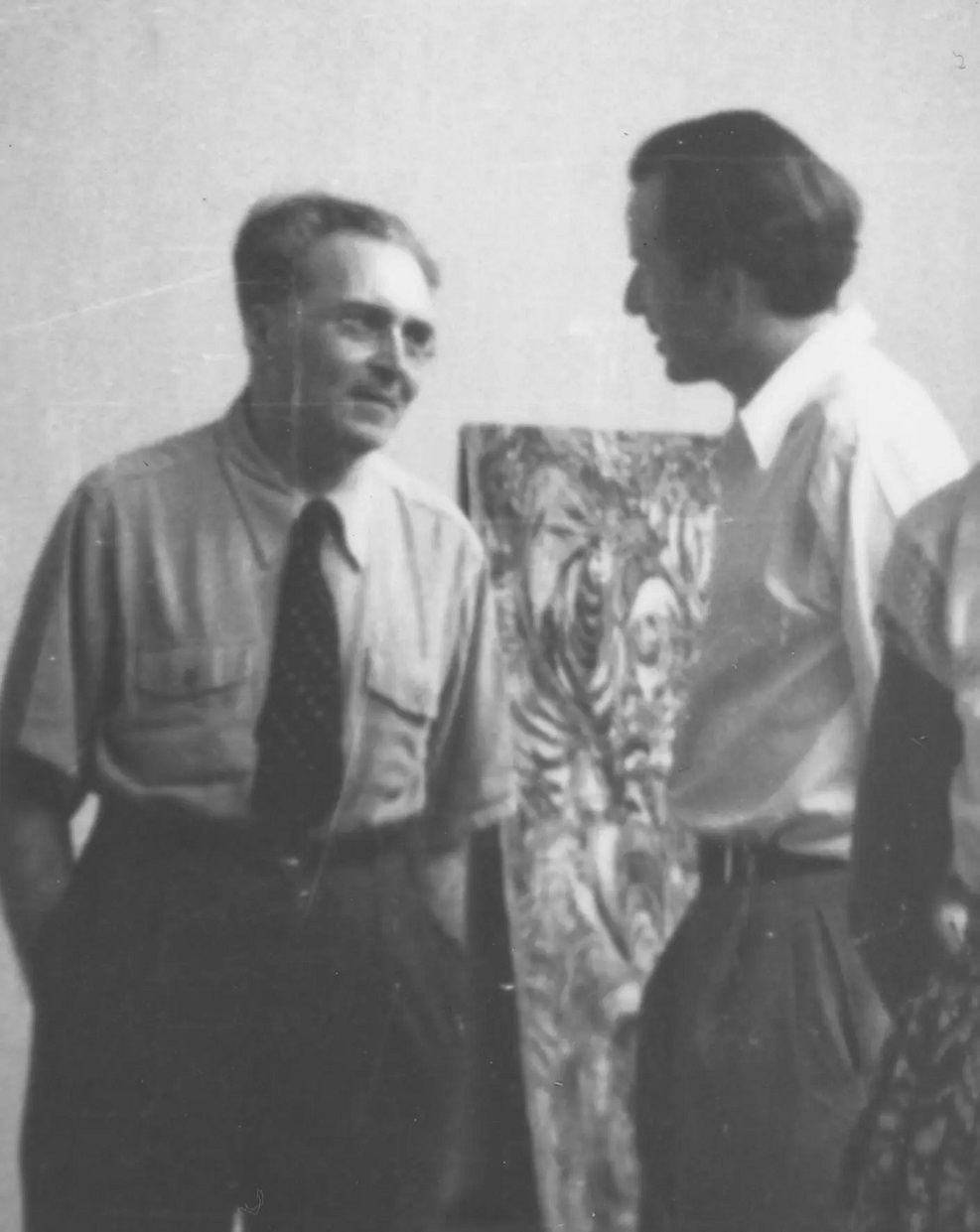
On board with him were the painter André Breton and the French anthropologist Calde Lévi-Strauss (on his way to Brazil). On his arrival in Mexico with his son in 1941, his registration papers record the languages he spoke (French, Russian, Spanish, English and German) and his height as 1.66m.
Liuba was left behind in Paris. Soviet Russia’s treatment of her husband and family, as well as numerous abortions, affected her badly and decades of mental illness resulted in residencies in psychiatric hospitals in Russia and, permanently, in France. The chapter on Liuba in this exceptionally good biography of Serge is very sad reading; never forgetting her husband or her affection for him, she outlived him by thirty-seven years.
In Mexico, Serge wrote what he considered his best novel, “The case of comrade Tulaev” and, having rediscovered his libertarian affinities, found comrades whose politics he shared.
The question mark in the title of one of the final chapters of this admirable biography, “Anti-communist?” provides a nuanced understanding of how he judged the October 1917 Revolution.
Many of his erstwhile companions had been murdered in the Stalinist era and he salutes them: they “were moved by a great will to liberation” but the authoritarianism that brought this about was laid down, he accepted, while Lenin was still alive.
“Victor Serge: unruly revolutionary”, by Mitchell Abidor, is published by Pluto Press.










.jpg)














