
One of my radio guests this past weekend, Guido Spannochi is Viennese by way of course Italian lineage.
He finds he can expand his parameters in London, where some find after a while that the daily commute grinds them down, move to the country, do their newspaper piece about how the lack of what they still deem essentials leaves them at a loss. (Zak Asgard of The Wimble here, our second guest, has circumvented that by promulgating a substantively cheery villagey vibe hereabouts). Almost a case of so near and yet so far, or the old saw about having to return prodigally to find your purposeful feet. The quest, by destiny and/ or happenstance recurs benignly. It has a myriad of variants that made the transatlantic intimacy of ‘Letter from America’ which nowadays speaks to us across receding time as a one-off alchemical invention.
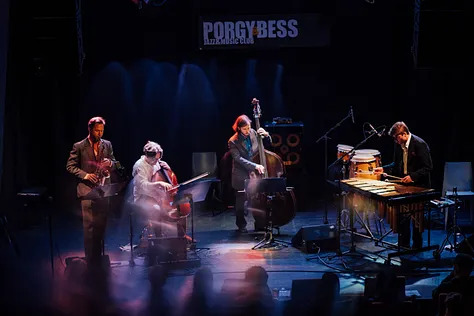
Some places that people yearn for are a bit performative about their appeal. Most Londoners are bemused and irritated by the tat in the kiosks up west while sometimes being a bit rusty on the minutiae which tourist bus guides need to have to hand when the traffic stalls. Others are old or future loves beckoning in the mind, as a state of mind. You think the fluence is enough and integrated, but the pull is visceral like the inner mongrel on the scent of plenitude. I got this last night watching the WDR Big Band feature the young-ish winners of its annual Jazzpreis. Young-ish is perhaps pivotal here in that the creative economy encourages, enables and expects its applicants to have earned their spurs rather than be thrown in the deep end.
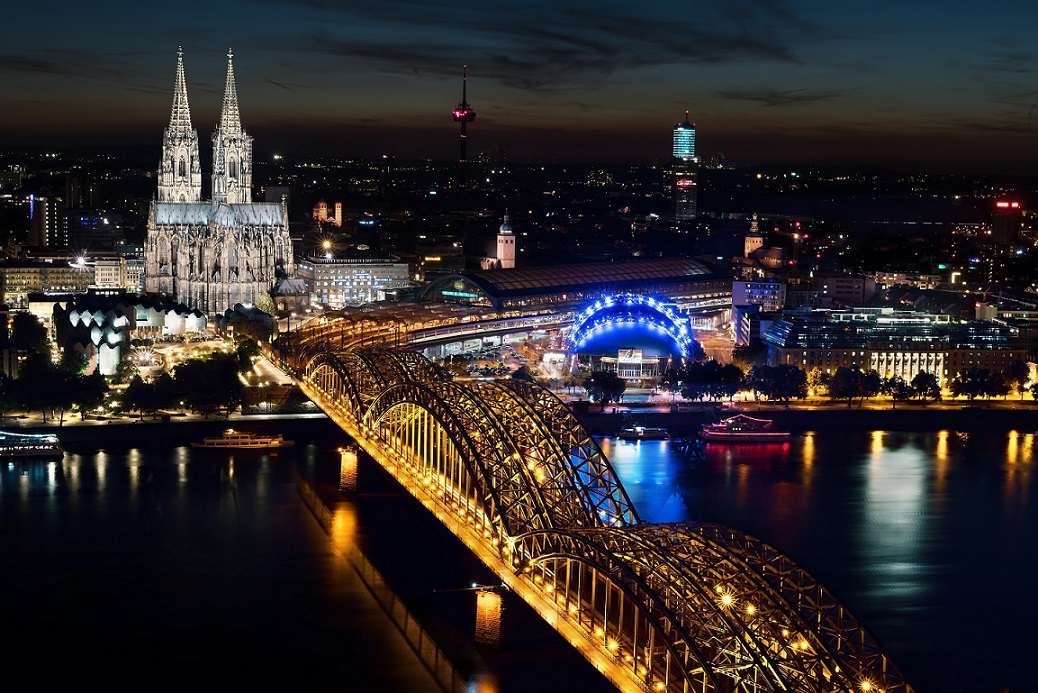
The urban landscape of Cologne, while these days familiar with the need for foodbanks and controversy over migrants, is uncluttered enough for its denizens to relish staying out of an evening as we did over here roughly until lockdown, give or take the odd kicking-off and contrasting evisceration of our Hohestrassen.
Contrasting with the sparkle of the Rhine and the Fountains, the epic soundscape of the Cathedral (Trumpets in a gallery too high to see one Easter Morning causing a Hausfrau a very pleasant sensory overload), and much more incandescent from 1976. Why do we over here say “…Never go back?” Well, for one thing my young man’s facility with language, living not far away in the early 80s, seems to have gone west. For all the savoir faire the savoir vivre has to be pieced back together bedecked with the ironies that hove into view in later life. But in Central Europe you have a population rather less on the defensive and not that motivated towards some, of late, disingenuous, tacky version of Bulldog spirit. Theirs is perhaps more the quiet stealth of the jazzman.
Guido has been over here 9 years, and my guess is that he brings his own synergy and lifelong wanderlust. The album depicts a younger man’s vision of Capetown through Township grooves as well an arriviste view of Seven Dials, on the cusp of what was Denmark Street furtively glancing towards Soho.
The paying of the dues is so often on the road whereas the 9 to 5ers is on the commute, where vignettes and vital signs get lost, “…Independence vanishing in the haze” as per the foresight Beatles “Help”.
This was of course post-Hamburg and replete with the nostalgia for Liverpudlia that informs Macca’s impending new album. Wags have said then and now that those who bang on about how great a place is have invariably left it. But it is your moral compass.
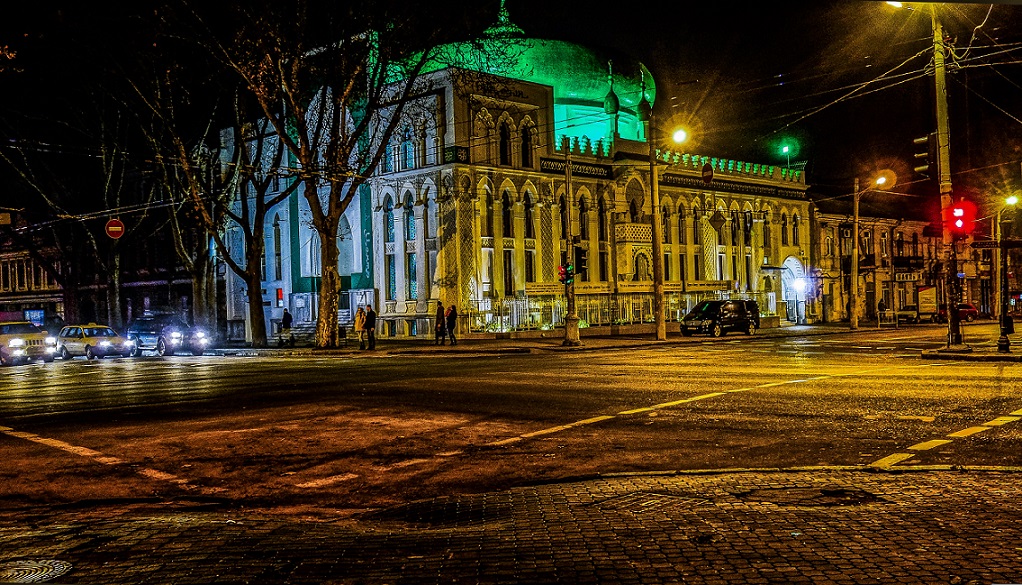
Luda with whom I lived in Odessa and Turin reckoned she had seen enough of London in terms of the concrete and the clay of the Marylebone Road around the Royal Academy of Music where she brough her youth choir one year before the war. She has gone back out of a profound homesickness that defies the times in which the city maintains itself. The thing about both cities is their immersive sensoria, I think. The New York of the 70s, violent and neglected, had olfactory delights and repellence. It was shop floor as well as 5th Avenue. Turin has the foodie persistence of radial Piedmont and the Alpine air that hits you as you breakfast on an inner-city terrace and becomes an exponential seasoning. Odessa is effectively 19th century Montmartre and innately cosmopolitan while being boho be design (courteously of Catherine the Great and her 8 artisanal associate-lovers).
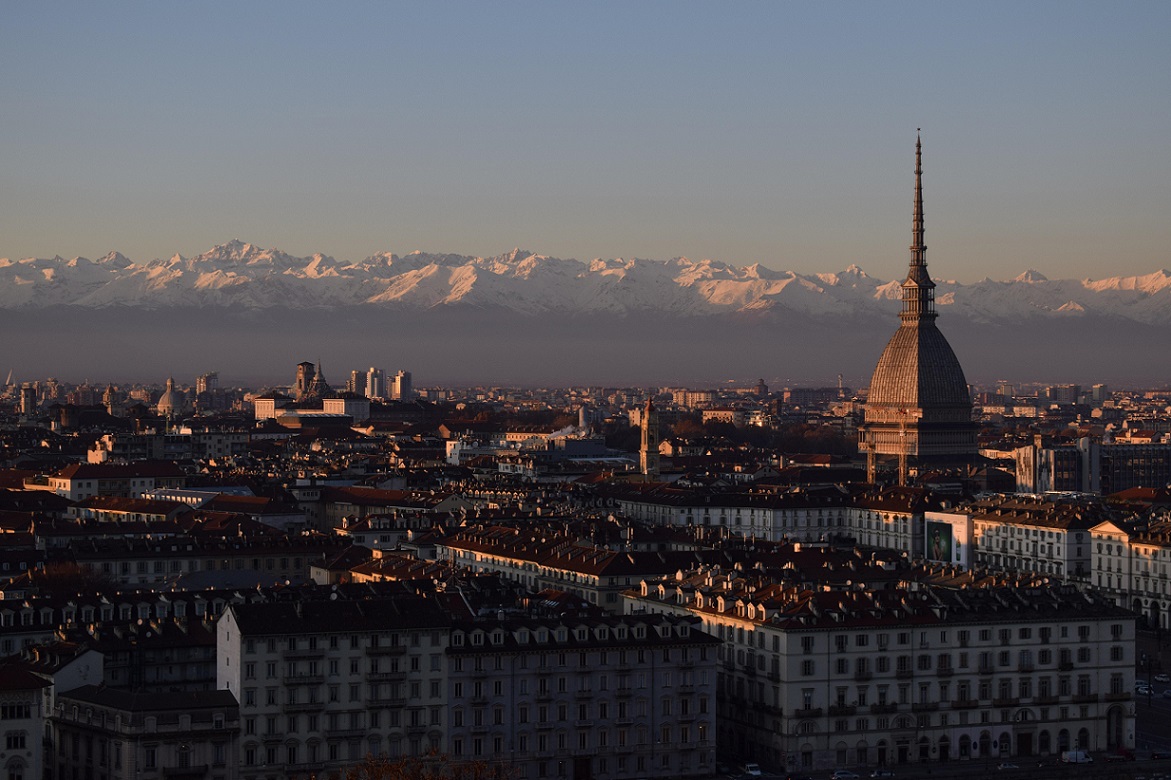
The ’heritage’ is lived rather than chocolate-boxed , in a way that Vienna, as far as I can make out, partly does while not believing its own touristic. Both cities are also criss-crossed by musicians and troubadours of all stripes who, as Guido pointed out, are now often 2nd or 3rd generation in the Phil (he grew up listening to them practice as neighbours). I remember meeting an unabashed virtuosic Violinist of the Sokolov dynasty playing a nifty ‘Girl from Ipanema’ with Znatikov, conductor of a very fine light orchestra at the keyboard, outside an Italian restaurant before flying off to play the Ligeti Concerto in the morning somewhere in Germany. This on reflection was not a novelty of high art/low art but an act of Cosmopolitanism and Diversity. This falls pretty effortlessly in both cities, in my experience contrary to some mainstream reporting, as long as you cotton on to certain conventions such as giving way to Odessan cats and getting the pasta and toasting right, avoiding excessive conjugal affection in the street in Turin. These are subtle degrees of interpersonal flavouring in an overall sensorium, a state of mind as in Billy Joel’s New York one.
Here in London, is it the erosion of what Bernard Miles called “…A city of villages” that causes some of us to bolt lock stock and barrel for the shire then bolt back again? Ethnically that which finds itself a conglomerate suburb is often found to in evolutionary flow into the likes of Banglatown. It’s a matter of perspective, one which London seems to have to remind itself constantly as if the wartime melting pot somehow settled into a pastiche of rectitude, the kind to which Reform and the mid-market tabloids seek to appeal.

Isn’t this a muddled-through conceit though? Guido and his peers use the city as an affectionate base, like a familiar rhythm.
This seems to me to be a pretty healthy relationship with it which supersedes the business of longing for what’s over the next hill without eliminating the sound and vision of surprise.
There might also be the Luda-Ish lodestone addition of the coffee maker you pop on the ring to set to the tone for the day, that of the inwardly and outwardly much-travelled beyond the Dark Satanic Mills E1 or indeed Trowels Service Area, in the battered Transit of later life. Watching a bit of No Kings#3 just now in the Twin Cities, this re-making of its shining urbanities in all-weather clothing is the flexing of people power rather than a gentrified makeover.
(Guido Spannochi will also be appearing furtively – sound only but live- with his dinner jazz/ groove band at the Pear Tree Cafe in Battersea Park across the Spring and Summer every Wednesday night from late April)
*Andy Bungay: Host, Riverside Radio. Shows live Saturday at 11 pm and Sundays 9 pm. (plus 8 pm Mondays through to January). Member of the Independent Media Association (IMA).
(Photos from Pixbay and photos provided by Andy Bungay, authorised for publication)










.jpg)












