
Since her days working as an assistant to Graciela Iturbide – and now her artistic heir – Maya Goded has emerged as a vital figure in Mexican photography and documentary film making. “The serpent’s trail”, a precious and aesthetically pleasurable publication, is a work of memory and resistance.
Sean Sheehan
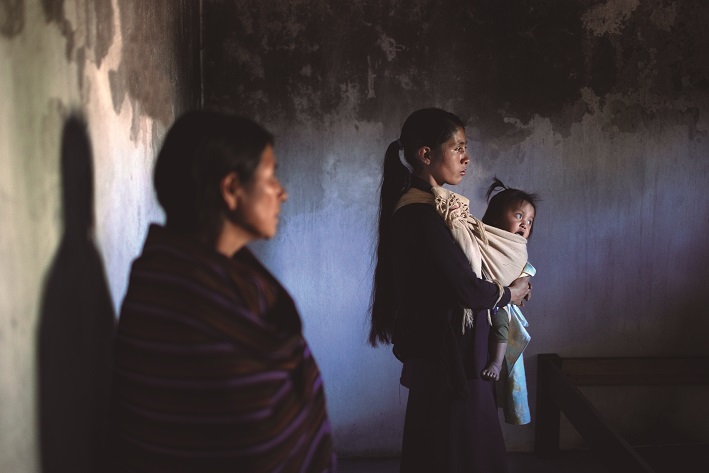
Goded, photographing women, often from Indigenous communities and often as victims of violence who have become marginalized, relates her project to her own life story.
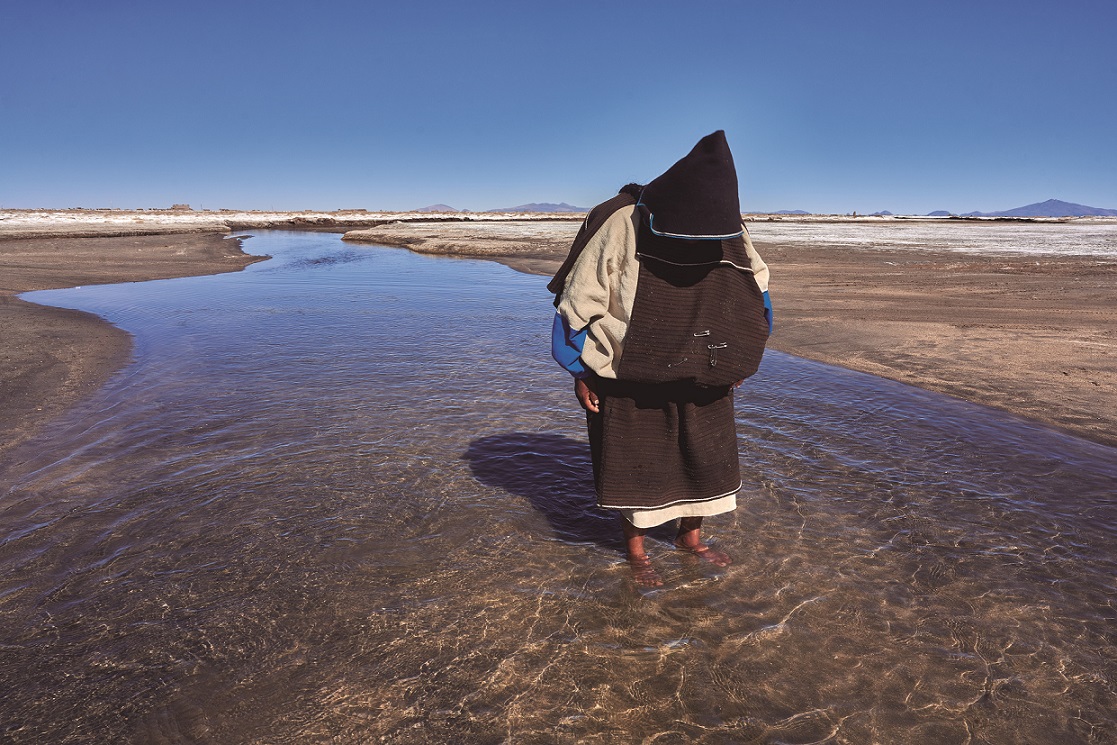
The year of her mother’s birth, 1945, witnessed the first use of nuclear weapons – marking the arrival of the Anthropocene – and nineteen years later her mother flees to escape gender-based violence within her family. The refuge she found in Indigenous communities is replicated by her daughter’s photography of women from those communities over the course of five years of travelling. Her travelling began on foot in Mexico 2018, walking across its land to arrive in New Mexico and continuing, as she puts it, ‘through the lithium triangle, from the Chilean desert to the Bolivian mining community’.
Her work resulted in a video installation and this eventually led to her book “The serpent’s trail”, a limited edition of 1000.
Goded forges a link between the wounds inflicted by males on females and the ecological violence inflicted on earth by a patriarchal order.
The motif of the serpent is transformed from the biblical agent of deception who leads Eve astray into a sign of feminine wisdom, reclaiming the creature’s ancient value as a symbol of regeneration and life.
This is explored in the essay, “Woman, Earth and the serpent” by Ángeles Alonso Espinosa, which is found in one of the three interfolding booklets that come together in the slipcase that make up “The serpent’s trail”.
Espinosa’s essay, like the other contributions in this booklet, is in Spanish and English and the illustrations throughout arise from the suggestiveness of the image of the snake as a form of life able to reconstitute itself by shedding its skin. Wounds can heal, new skin replacing the old, through mutual support and solidarity.
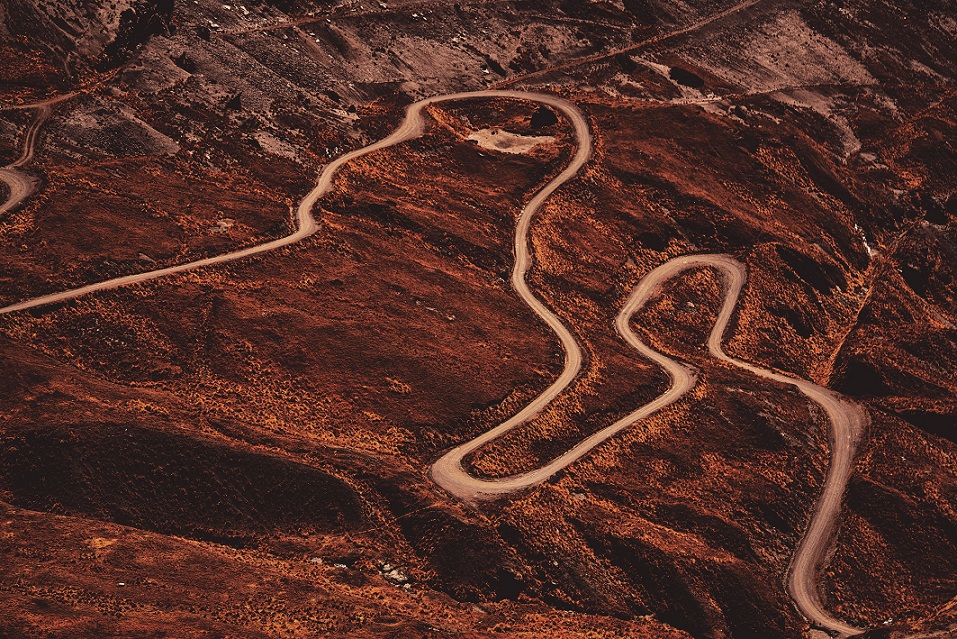
The other two booklets consist of Goded’s photography, sinuously ranging across the human, the natural and the world of mining, with short passages of her own prose. She describes meeting Sonia in the Atacama Desert, a woman who helps her reorient her work. No longer thinking of her camera as a means to merely validate reality, she begins to use it to explore the intangible: ‘accepting the haphazard of life and death. I learned to live in the vacuum. I don’t recognise myself’.
Family photographs – her father in prison and her mother – add a level of intimacy that bind together Goded’s multi-layered exploration of violence and healing: ‘As my mother aged, I watched her shed her skin one last time… she was able to recover by letting her self be carried away by enjoyment, friendship and then death;.
Maya Goded’s “The serpent’s trail” is distributed by Editorial RM.
(Traducido por Camila Marquez) – Photos supplied by the publisher










.jpg)












