
Ahead of her upcoming show in Mexico City, Rio-born multimedia artist Pauline Batista discusses her previous exhibition, ‘Methylene Blue Dreams’, and how her work blends medicine, fantasy, and the human form to challenge our constant drive towards self-optimisation.
Clelia Reka Frondaroli
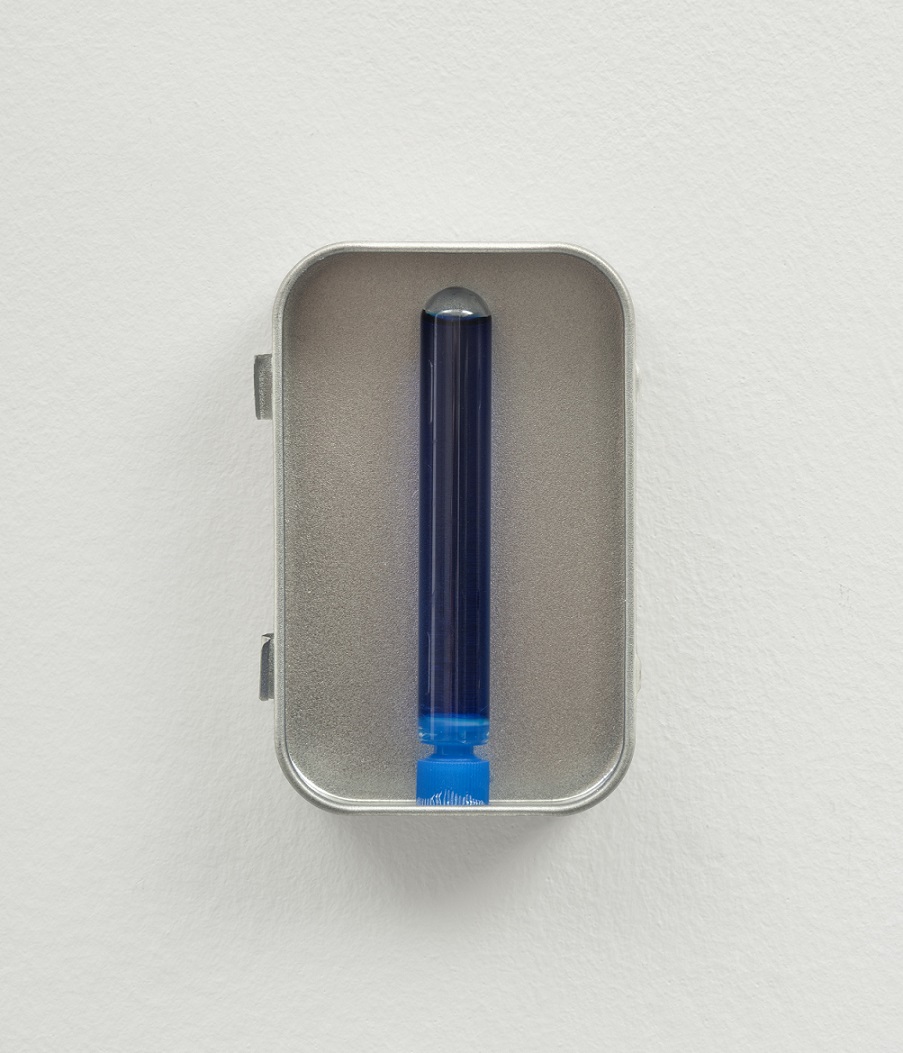
A vial of methylene blue sits suspended in a tin box, placed on a stark white backdrop.
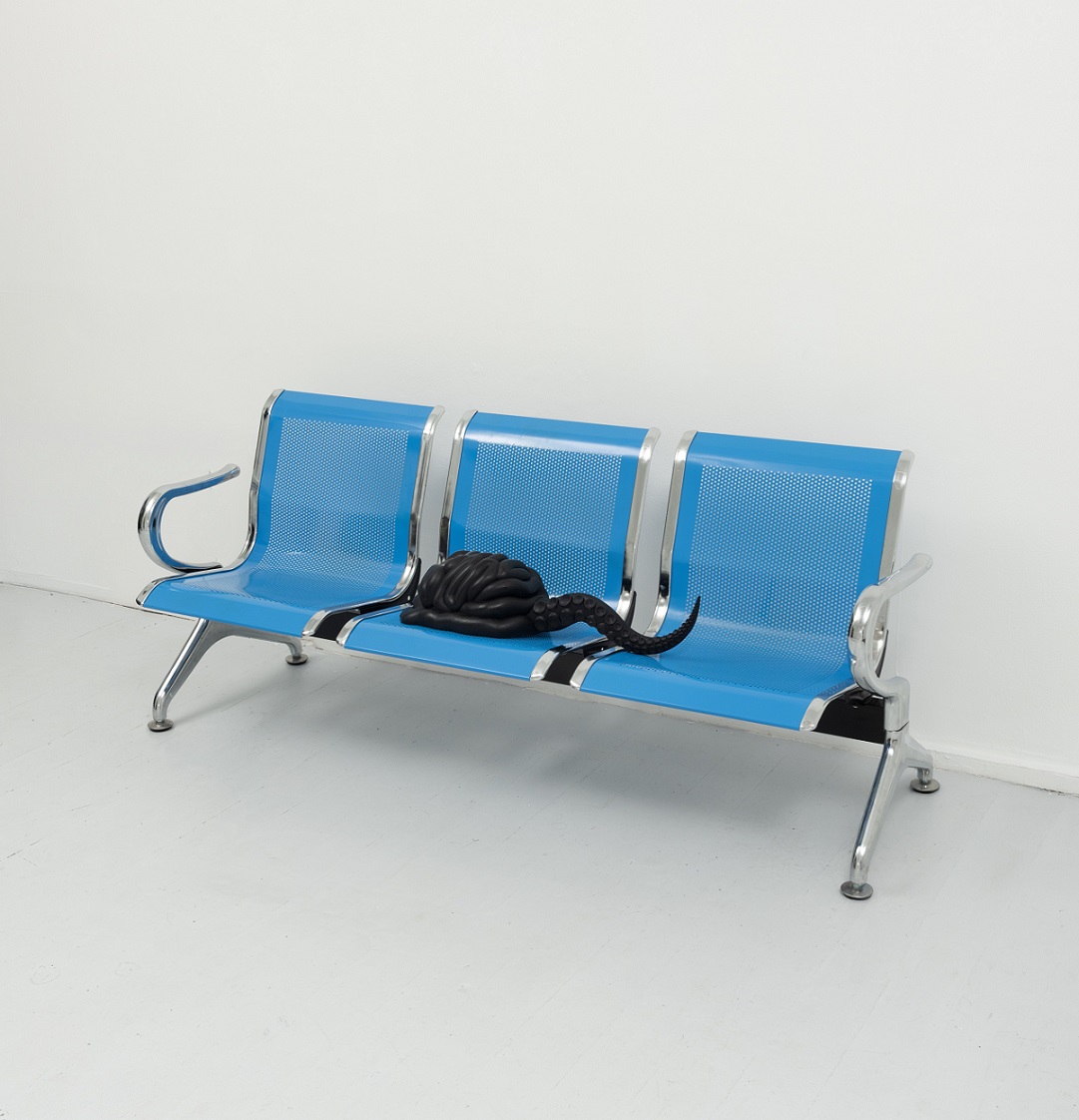
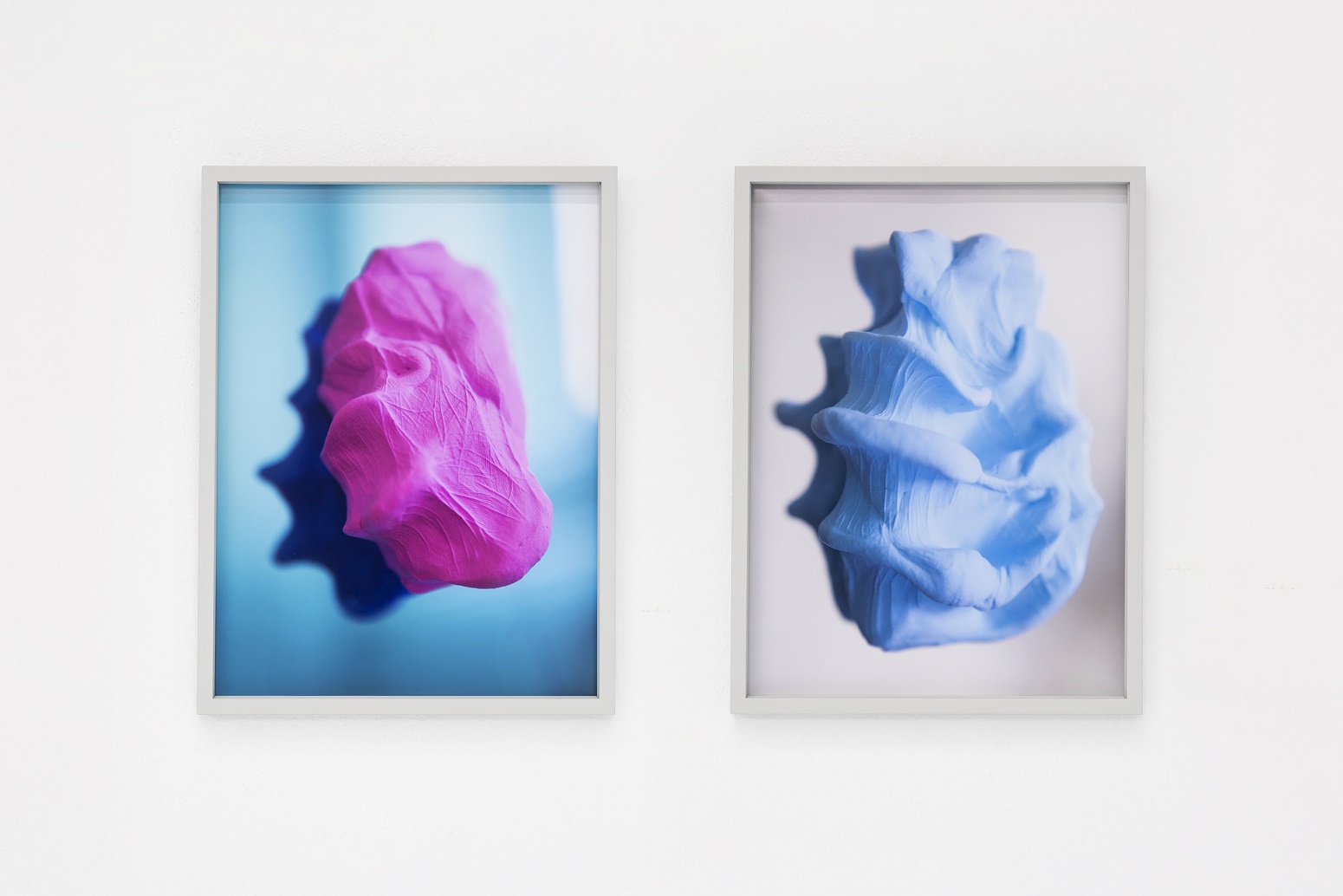
Other shapes and sculptures fill the exhibition space; a waiting room bench, a model of an organ – all human and non-human forms on the cusp of being both recognisable and indiscernible to the audience.
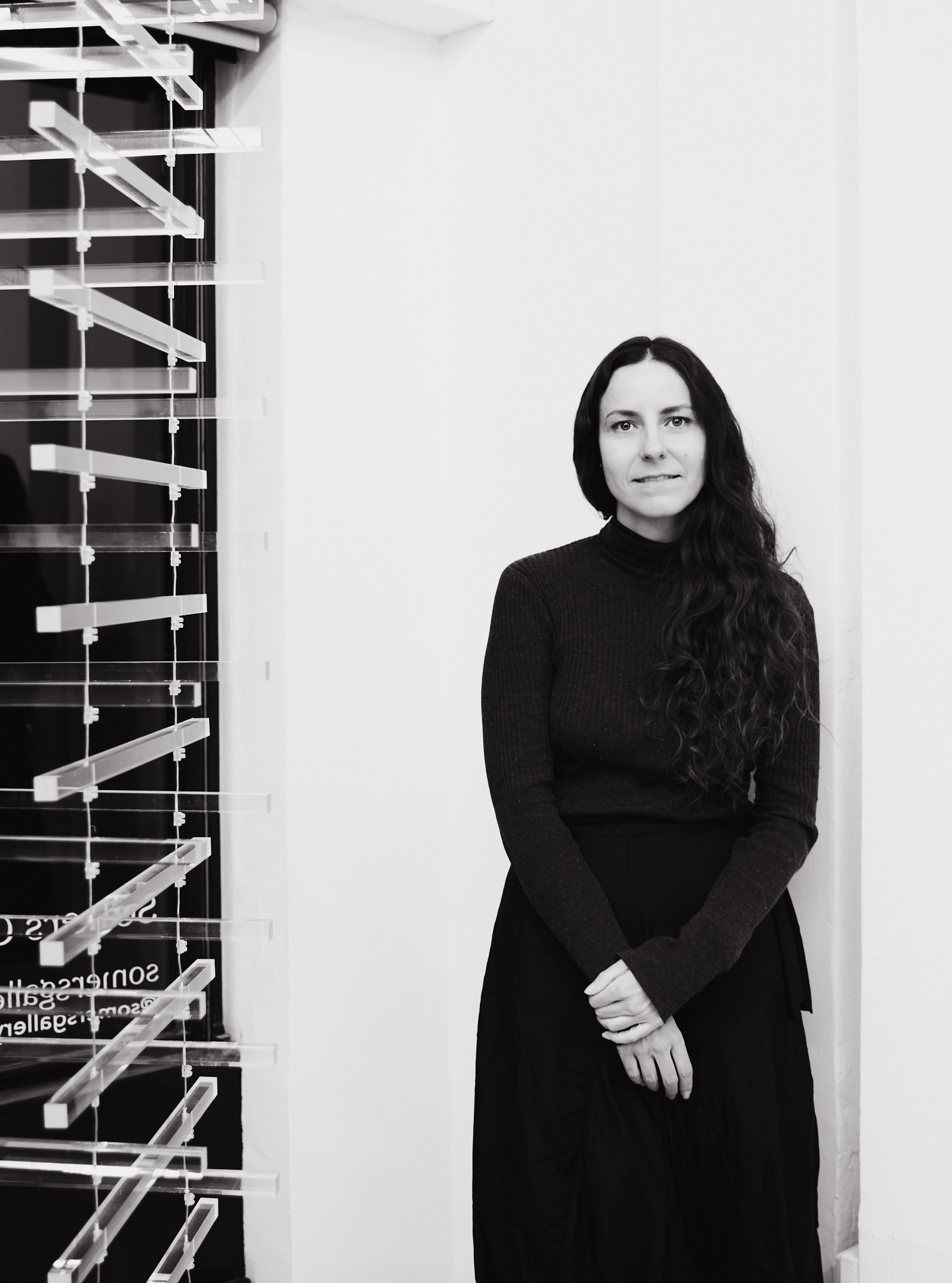
This is the latest work by Rio-born artist Pauline Batista, exhibited at Somers Gallery (a project space aimed at highlighting Latin American art) last summer.
Having spent a number of formative years in the US, Berlin, and now London, the Brazilian artist has created a name for herself through multimedia works of art, blending ideas of the body with technology, machinery and the medical.
The idea for Methylene Blue Dreams, named after a synthetic medical compound, first came to Batista about six years ago.
At the time, the substance could only readily be found as a chemical to clean fish tanks or as a medical dye. Since then, and particularly over the past two years, the term has started cropping up again – this time used by the wellness industry.
Batista explains: “They [the industry] are saying that if you take some methylene blue supplements, your cognitive function will be better, you won’t have brain fog, your memory will be enhanced, and so on.”
With the term having re-entered online discourse, this led the 38-year-old to believe it was the “right time” to begin developing her exhibition further, drawing together pieces over the course of eight months.
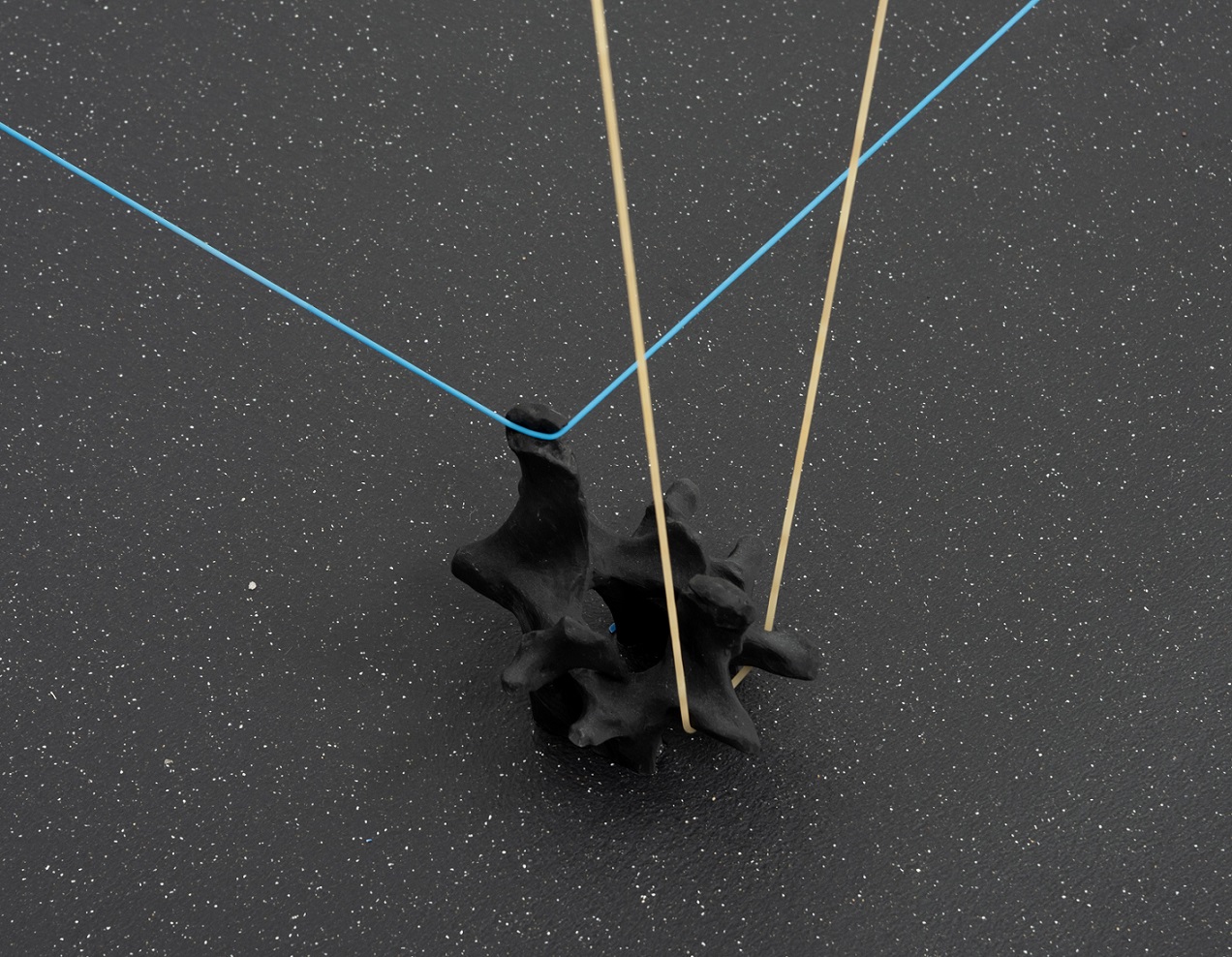 And the result is a blend of recognisable “human” objects with non-human, fantastical and science fiction elements. On a waiting room bench sits an organ with a tentacle emerging from it – some viewers perceive it to be a brain, and others, a stomach. A black slime-like substance also features throughout the show, which Batista herself writes: “While the methylene blue seeks to uncover, the black ooze obscures and renders forms increasingly illegible”.
Yet, blending the human form with non-human elements is a familiar theme for the multimedia artist, cropping up again and again across a number of her works.
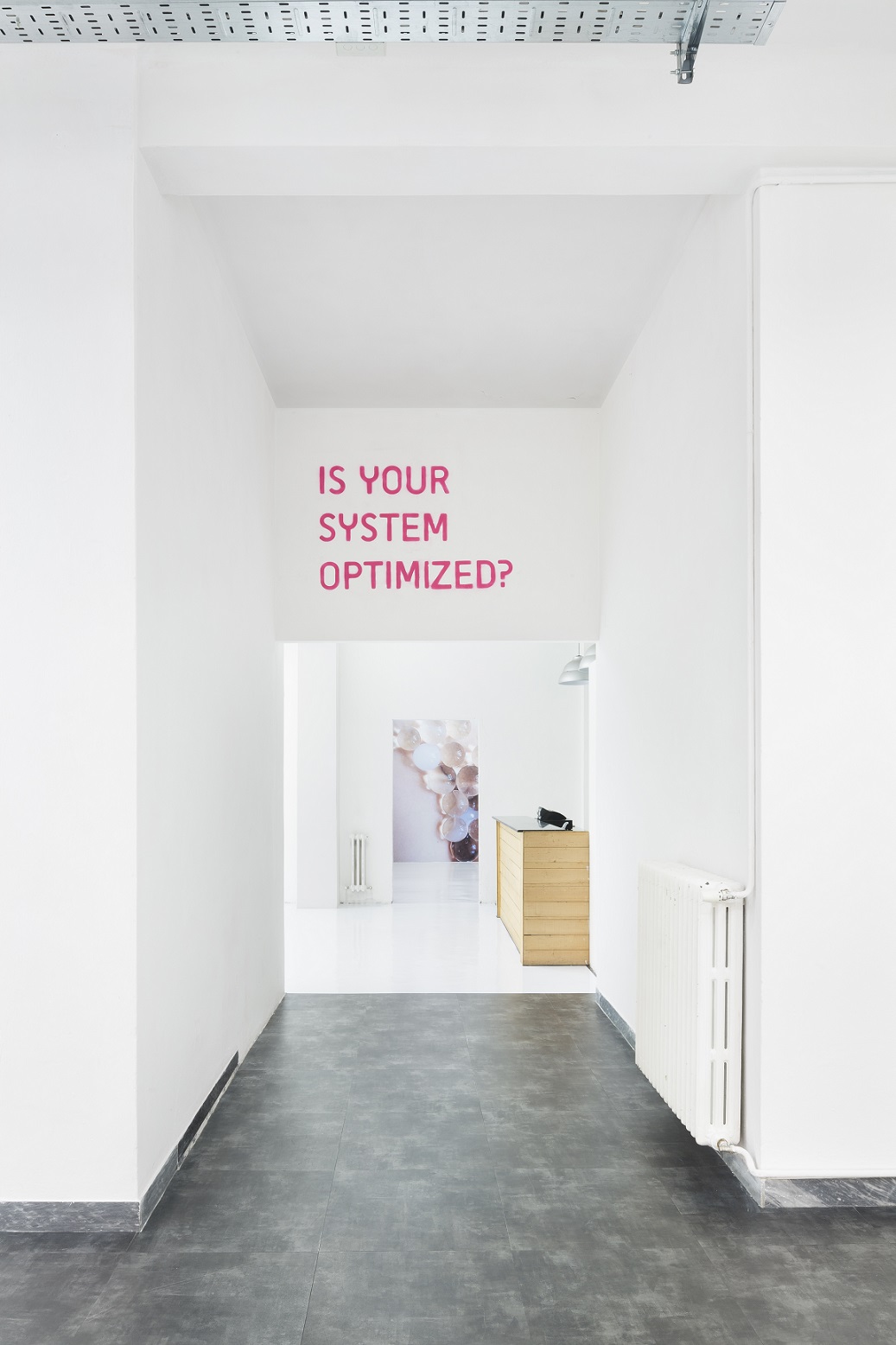
Previous exhibitions, including ‘Is Your System Optimized?’ and ‘The Algorithm Will See You Now’, both explore ideas of physical enhancement – often to the point of our own detriment. When asked whether her work aimed to challenge this constant drive towards self-optimisation, Batista notes that her earlier projects were “definitely” critical of the trend.
 She pauses for a moment. “It just seems crazy,” she says, “that instead of fixing the environment in which we live, it’s now up to the individual to be as best as they possibly can and take all these supplements and track everything and optimise, optimise, optimise”.
Self-optimisation, she believes, is problematic in and of itself. It is ultimately unachievable for most, because as the artist points out, there is no singular definition for “good” or “optimal”. Despite this, her recent work takes a more playful approach, where she wants audiences to find joy, hope and perhaps just a little discomfort from the pieces in front of them.
Going back to the use of the body in her work, Batista believes it was not entirely intentional at first. Instead, her art may have subconsciously drawn on her own lived experiences of dealing with a chronic illness.
She explains: “It makes sense, as a lot of the visual language I’ve grown up around has been in hospitals and the different sort of machinery that either enters your body or is documenting it.
“And I think it was a formative experience which seeped its way into the practice.”
But the difference, she notes, is that within art and the practice, the viewer has the freedom to question things in ways “you can’t do when you’re a patient within the medical industrial complex”.
 Batista knows that the body will continue to feature a prominent role in her work. But it’s how it is represented that will change. She elaborates: “I think the body has dissolved in a way, even in this exhibition, and I don’t know that it will ever show up as a whole again.”
But even through this deconstruction, the human form remains a central anchor, opening new doors and new directions for her work to evolve. Now, Batista prepares for her residency at the Vermont Studio Center, ahead of her upcoming show in Mexico City in February 2027.
(Photos supplied by the interviewee)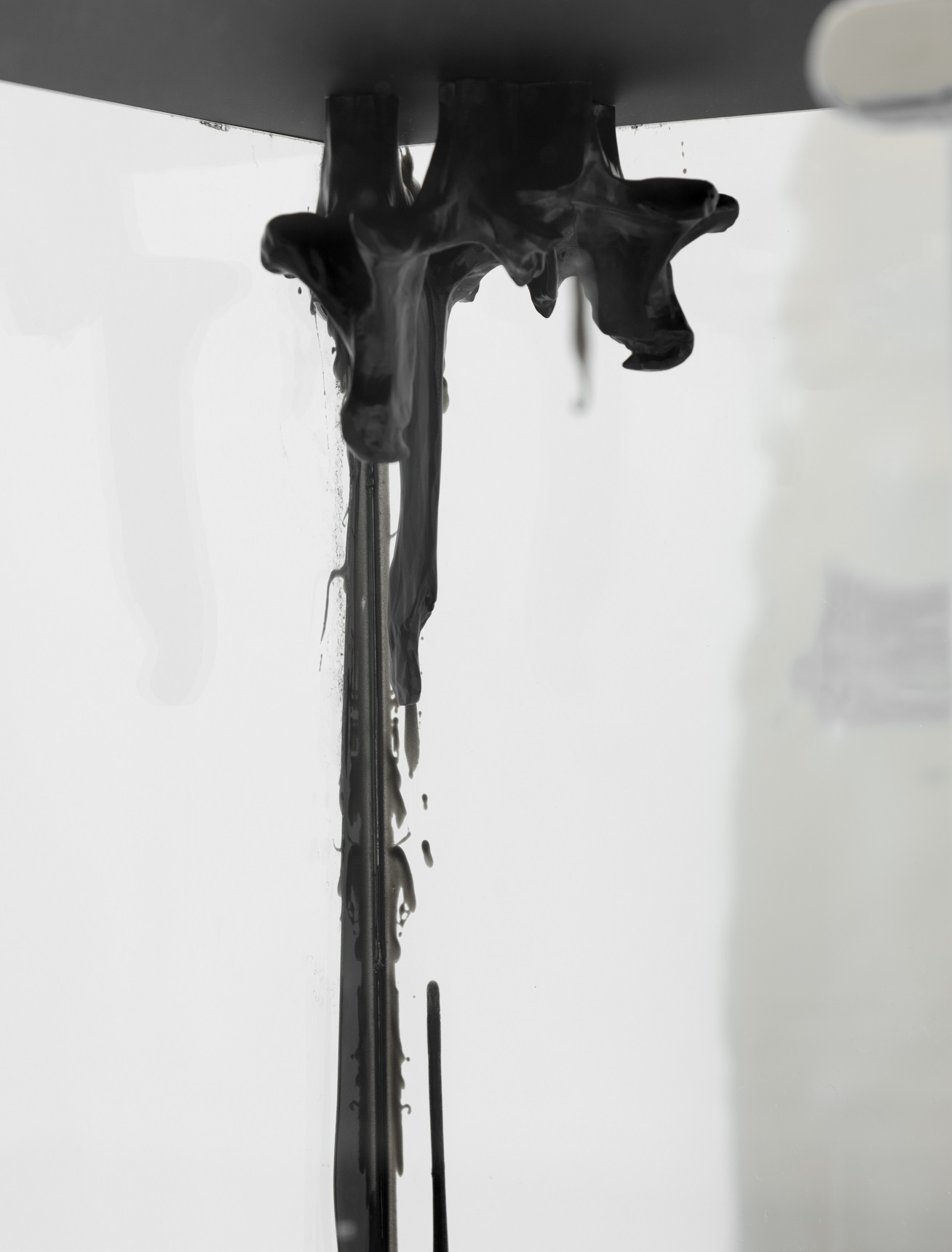










.jpg)












