The re-election campaign of Brazil’s current leader has a new element, which is a strategy that seeks to intervene in one of the main challenges of the second term: convincing indecisive voters through digital methods, encouraging participation of those who abstain and keeping mobilised those who already know who they will vote for.
Brazilian musical artist fan communities have today transferred their organisational abilities from social media to the streets to drive Luiz Inácio Lula da Silva’s re-election campaign.
Mobilisation arose after the first round of elections on 4th October, when Senator Flávio Bolsonaro overtook the President with 47.03% of valid votes, compared with 45.16% for the candidate of the Workers Party (PT).
Such a result launched a race against time for the Head of State, who needs to expand their support before the second ballot on 25th October and, on this stage, fandoms emerged as an unexpected player, capable of connecting with public youth through cultural codes and fan pages. The term, “fandom” comes from combining the words ‘fan’ and ‘kingdom’. It is applied to communities created around artists, music groups and other elements of pop culture.
In Brazil, fans of Beyoncé, Anitta, Taylor Swift, BTS, BLACKPINK, Lady Gaga, and other artists began coordinating posts in support of the PT leader. This gave rise to the “Fandoms for Lula” initiative, which uses shared hashtags, joint messages, and in-person gatherings to extend its reach.
According to Folha de S. Paulo, this network brings together over a thousand fandoms and has developed digital strategies to broaden support for the PT candidate. The organisers describe themselves as independent volunteers, with no formal ties to any political party.
 In their joint messages, these groups highlight that more than 33 million Brazilians did not vote in the first round of the elections; because of this, they are using their platforms to disseminate electoral information and content related to the presidential campaign.
Their strategy also aims to move beyond digital communities and reach family members and other voters.
According to statements collected by the news site UOL, the organisers are trying to reach even older individuals who may not have voted in the first round and who live with young people who participate in these fandoms. Their mobilisation reached São Paulo’s Avenida Paulista on Sunday 11th October, when the fandoms participated in the “March for Democracy” alongside student movements, social organisations, and civic collectives.
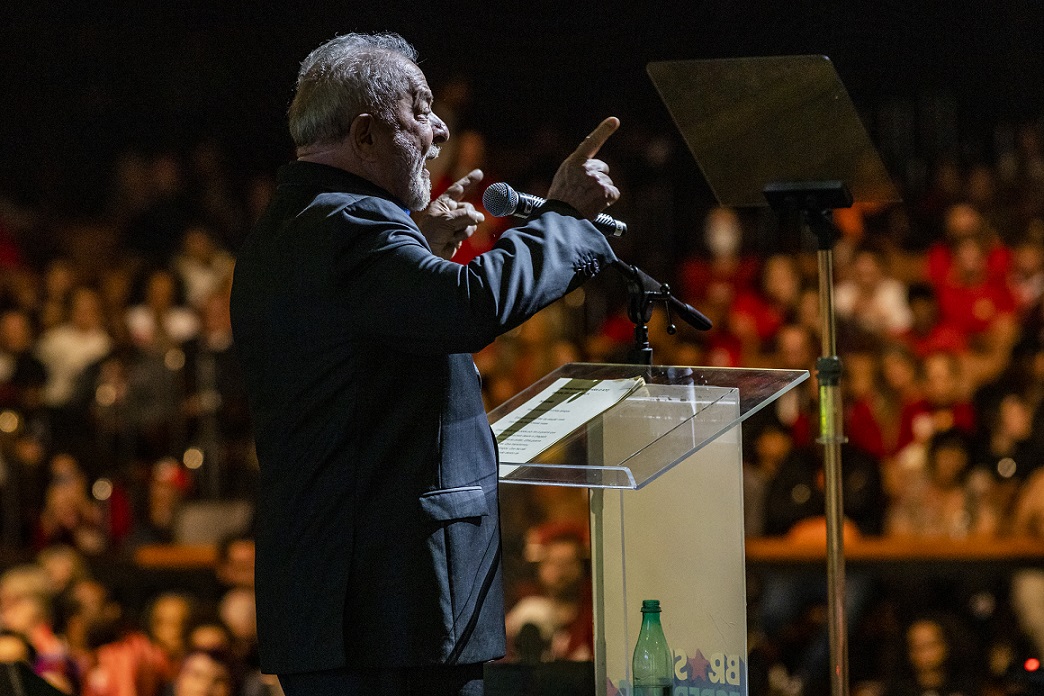
The gathering, which attracted one million people, according to the PT, transformed an initiative born on the internet into a visible expression of electoral support.
During the event, Lula publicly thanked the fandoms, mentioning them at the start of his speech. “I don’t know whether to begin my remarks by saying ‘ladies and gentlemen,’ or by saying: ‘Fandoms of Brazil, thank you for your initiative,'” the leader stated.
 This recognition highlighted the visibility achieved by an initiative that emerged outside of traditional campaign structures, though it was later incorporated into the campaign’s official communication strategy.
However, the reconciliation between these communities and the government began before the current electoral dispute. In August, Lula hosted representatives of fan groups at the Planalto Palace during a ceremony focused on measures to combat exorbitant ticket resales and to guarantee free drinking water at large events. These initiatives were in response to demands from fans and opened a channel of dialogue with communities that are usually organised around shared experiences and specific concrete goals.
The civic engagement of these groups is not entirely new, either. In Brazil, followers of the South Korean group BTS launched the “Tira O Título Army” (The ‘Go Get Your Voter ID’ Army) campaign in 2021, aimed at encouraging voter registration and promoting civic awareness. Nevertheless, turning this organisational capacity into votes constitutes the main challenge for the current initiative; their presence on the streets and the reach of their digital content does not make it possible to anticipate how many voters might change their minds or head to the polls on 25th October. PL
(Translated by Donna Davison. Email: donna_davison@hotmail.com) – Photos: Pixabay










.jpg)