
In Tonosí, Macaracas, Torio and Búcaro, the earth stopped shaking, but fear sleeps in the plazas, the cracks spread across roads and drinking water is one of the main concerns of the inhabitants of the communities hit hardest by the earthquake that struck this Central American country on 9th October.
 Mario Hubert Garrido
Several days after the earthquake, there are still several families who prefer to remain outdoors, under im
provised shelters or in a relative’s house, rather than returning to their own homes where their level of safety is unknown.
Every new shock awakens the fear that the walls will crack again, or that the damaged structures will not resist further movement.
The earthquake, estimated to be magnitude 7.5 by the Geosciences Institute at the University of Panama and 7.7 by the US Geological Service, had its epicentre on the outskirts of Tonosí, in the south of the country.
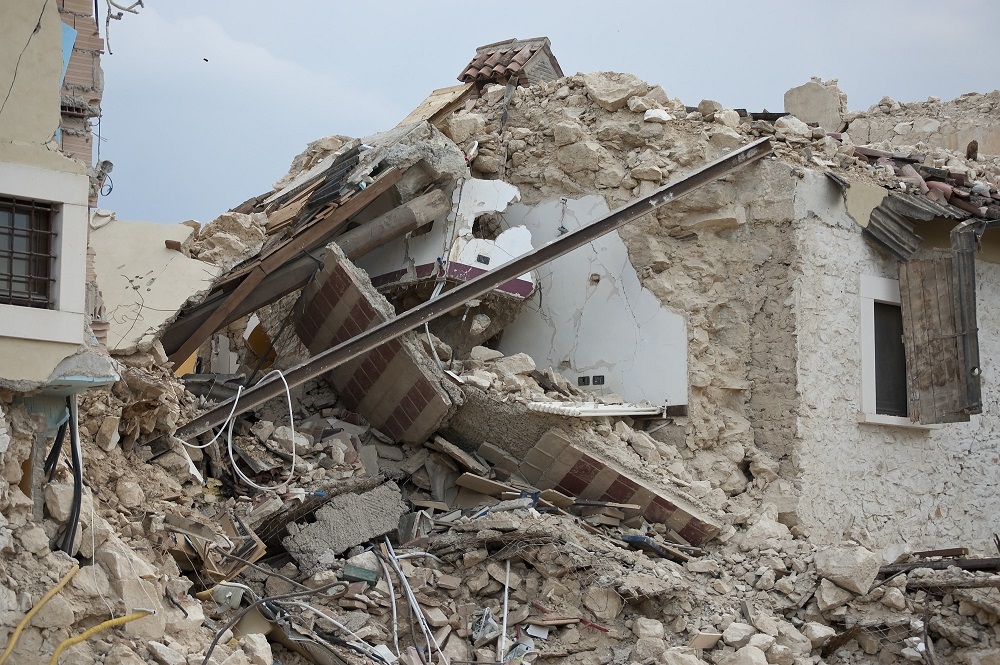
Its impact was felt in homes, roads, schools and basic services, while authorities are still evaluating the dimensions of the damage and people’s needs.
However, beyond the numbers, the families who abandoned their homes have ‘emergency situation’ written all over their faces; neighbours are scouring the streets in search of water and there are those who try to keep small businesses open despite difficulties.
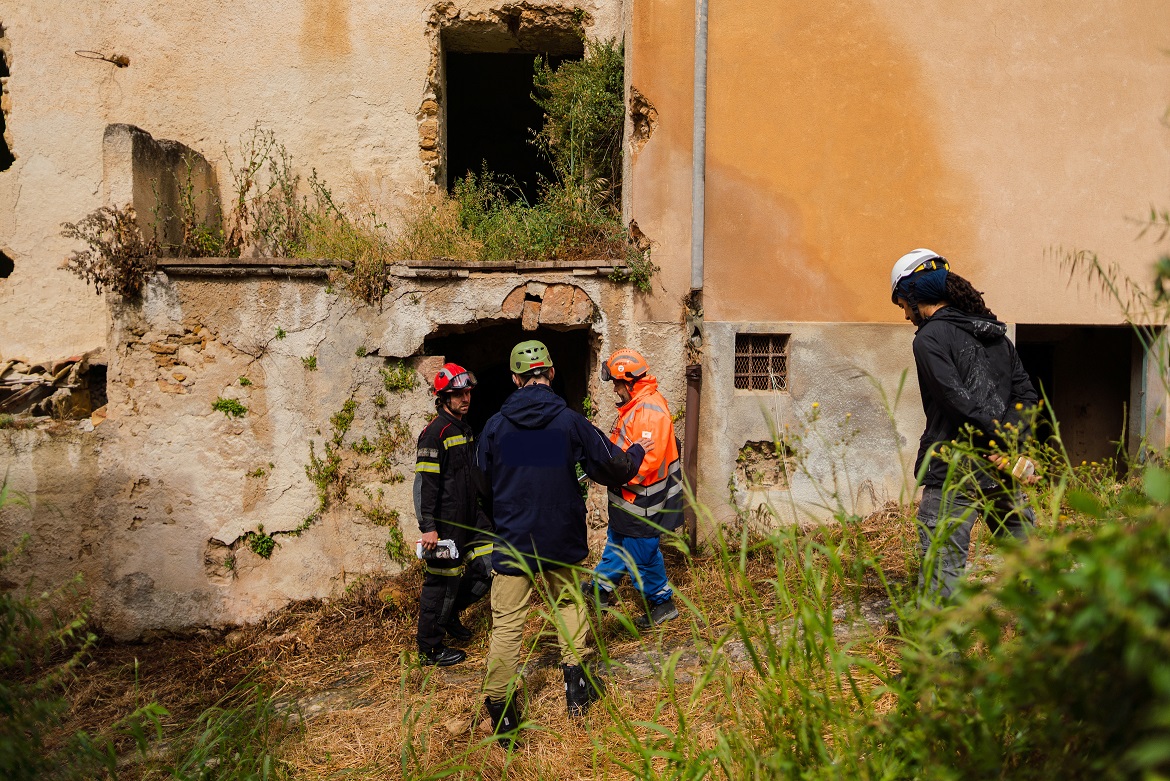 There are other tragedies that follow an earthquake: those of reinstating safety, reestablishing essential services and rebuilding the normality that disappeared in a matter of seconds. In Tonosí, the epicentre of the emergency, nights are spent far from the tranquillity experienced in households before the disaster. In the main square, dozens of people seek refuge outside, convinced that remaining out in the open air could be less dangerous than sleeping between walls hit by shocks.
Inhabitants remember Friday 9th October as a day that changed their lives. Many state that they had never experienced a tremor of similar intensity and are grateful to have survived, although the initial relief now coexists with the fear of aftershocks.
In the affected countryside there are buildings which used to form part of community life, among them: a church, a guesthouse and a primary school bearing the name of a resident’s father.
The images of those damaged spaces reflect a loss that goes beyond bricks and mortar. The school represents years of teaching and the expectations of new generations; the church, a meeting place; the homes, a refuge where families can make memories.
When those places stop being safe, it also alters the relationship between people and their surroundings.
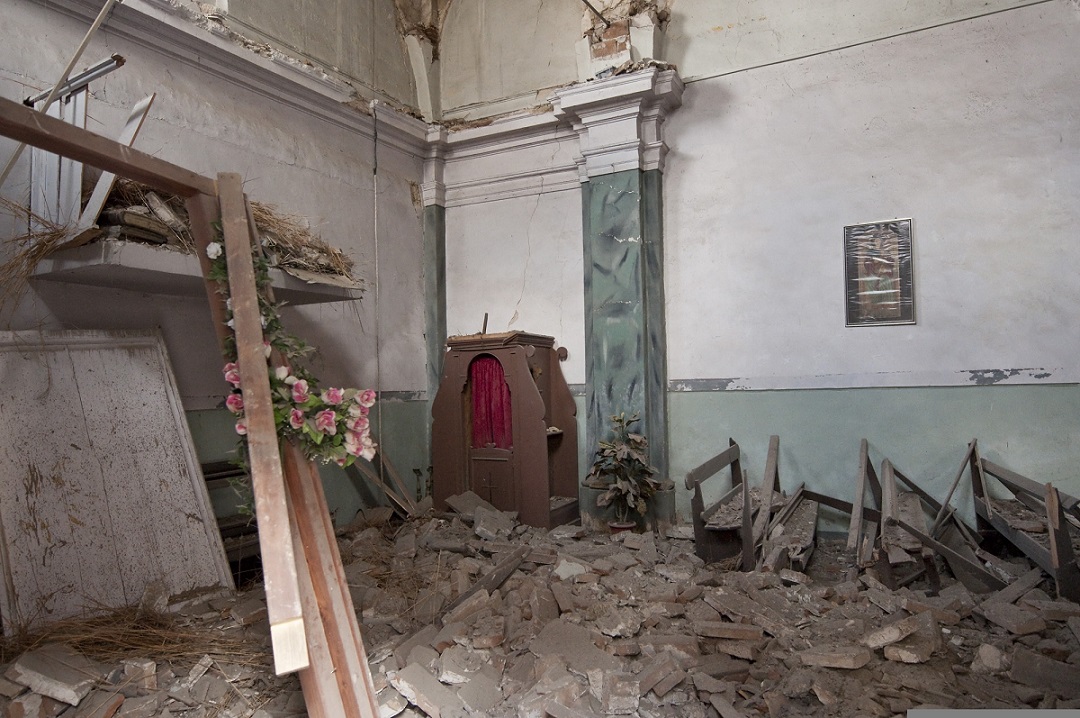 On 11th October, nevertheless, the citizens tried to recover part of their traditions. The few parishioners who remained in Tonosí took part in an outdoor mass, in a scene that contrasted with the dilapidated roads and the concern that still weighs heavily on the population.
The ceremony did not remove the damage nor resolve the pending needs, but it allowed the creation of a meeting space in the midst of uncertainty.
Citizens try to keep their businesses and homes open, in the hopes of reestablishing their services and being able to return to their daily activities with greater security. In Búcaro, the view is different, although the fear has the same origin. Doors to homes stayed open, just as they were when their residents left hastily during the earthquake. In the streets, mainly men scour the community with containers in search of drinking water.
Today, the uncertainty continues. PL
(Translated by Donna Davison. Email: donna_davison@hotmail.com) – Photos: Pixabay










.jpg)












