Across the Peruvian Amazon, the Asháninka face growing threats to their ancestral lands, from economic marginalisation to increasingly severe wildfires. For nearly two decades, Cool Earth has worked alongside indigenous communities, supporting their financial independence and combining traditional knowledge with new approaches to environmental protection.
 Interview: Clelia Frondaroli
Photos: Andrea Ramos
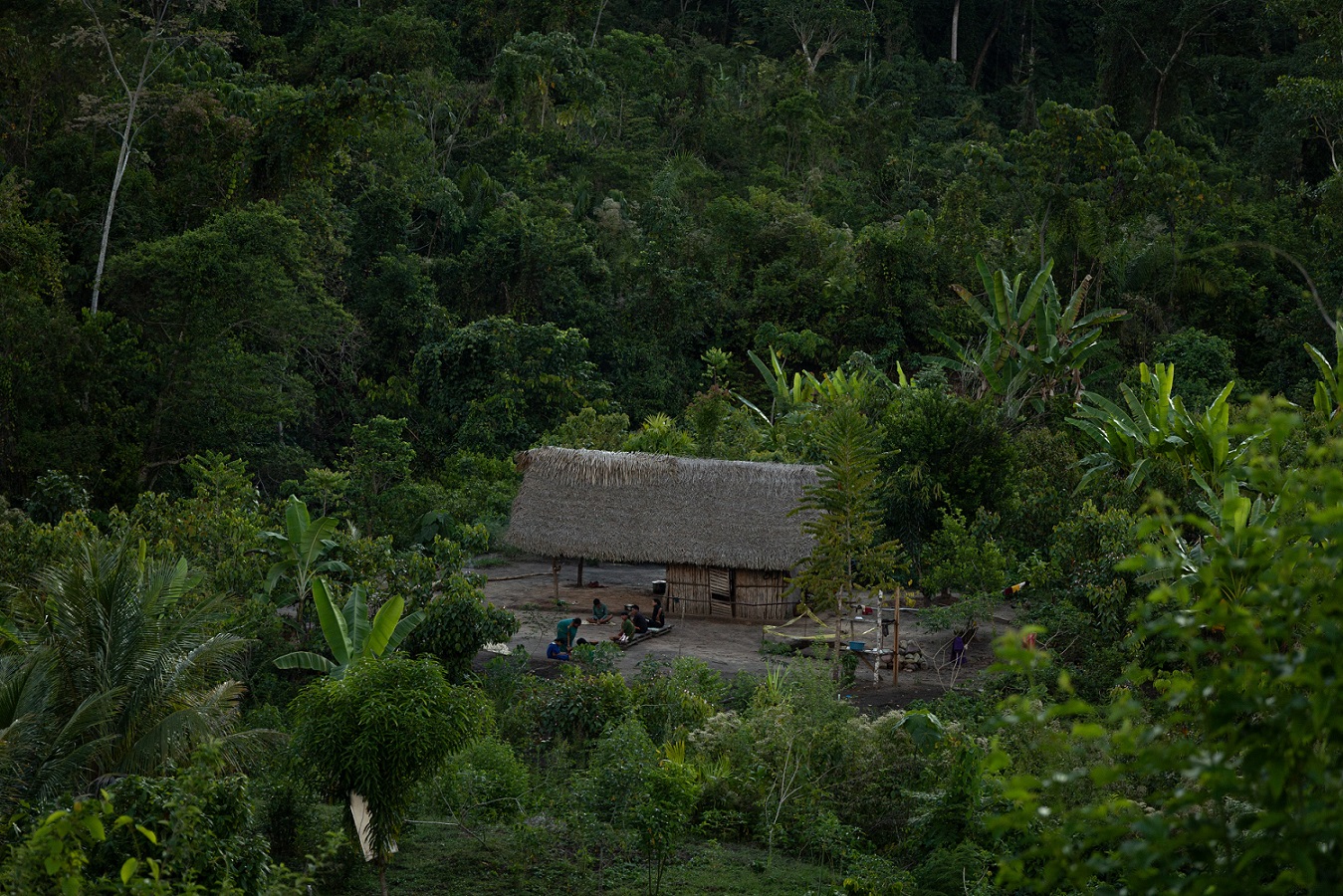
Sixty-seven thousand hectares. An area that spans around 94,000 football pitches—and roughly 90% the size of Singapore—all located deep in the Peruvian Amazon.
Within this expansive piece of land live the four Asháninka communities – the Cutivireni, Camantavishi, Parijaro and Oviri – that Cool Earth works with directly, the largest of which has a population of around 1,500 people. But speaking to Martin Simonneau, the organisation’s acting head of programmes, he tells me that this does not begin to cover the many more communities that the non-profit indirectly impacts, including its work across Colombia, Papua New Guinea, and the Democratic Republic of Congo.
The organisation’s connections in Peru began with the Welsh anthropologist Dilwyn Jenkins, who spent the majority of his life learning about and defending the rights of the Asháninka. When Cool Earth was founded in 2007, he reached out and asked for further support, leading to the establishment of a now almost 20-year relationship with the indigenous community.
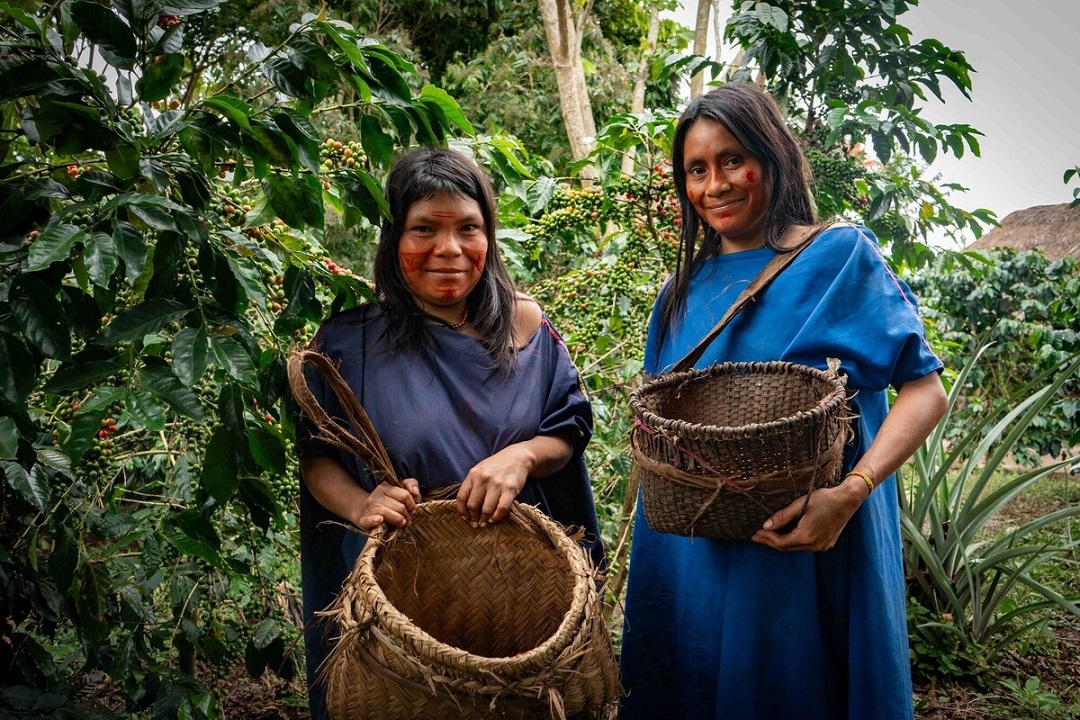 Since then, Cool Earth has been able to work across a multitude of regions, collaborating with indigenous federations on the protection of tropical rainforests and the lands of indigenous peoples.
But despite this additional support, the Asháninka continue to face challenges and marginalisation, something Simonneau says is only compounded by the changing climate.
“Climate change definitely enhances marginalisation”, he explains, “[and] the impacts of climate change are something in addition to the economic, social, and even cultural marginalisation that these communities have experienced over time”. Historically, the Asháninka have been fighting to protect their ancestral lands, based in the rainforest regions of Junín, Pasco, and Huánuco, since the arrival of the Spanish in the mid-16th century. In the intervening years, loggers, gold miners, drug traffickers and the “big agro” business – to name a few – have all tried to strip the Asháninka of their homes, rights and natural resources.
But a lot of the rationale behind Cool Earth has been to help fight economic marginalisation. Simonneau elaborates: “These communities either had to sell off or leave their lands because they didn’t have the financial security or the financial resources to be able to fight off the extractive industries buying up the rainforest.”
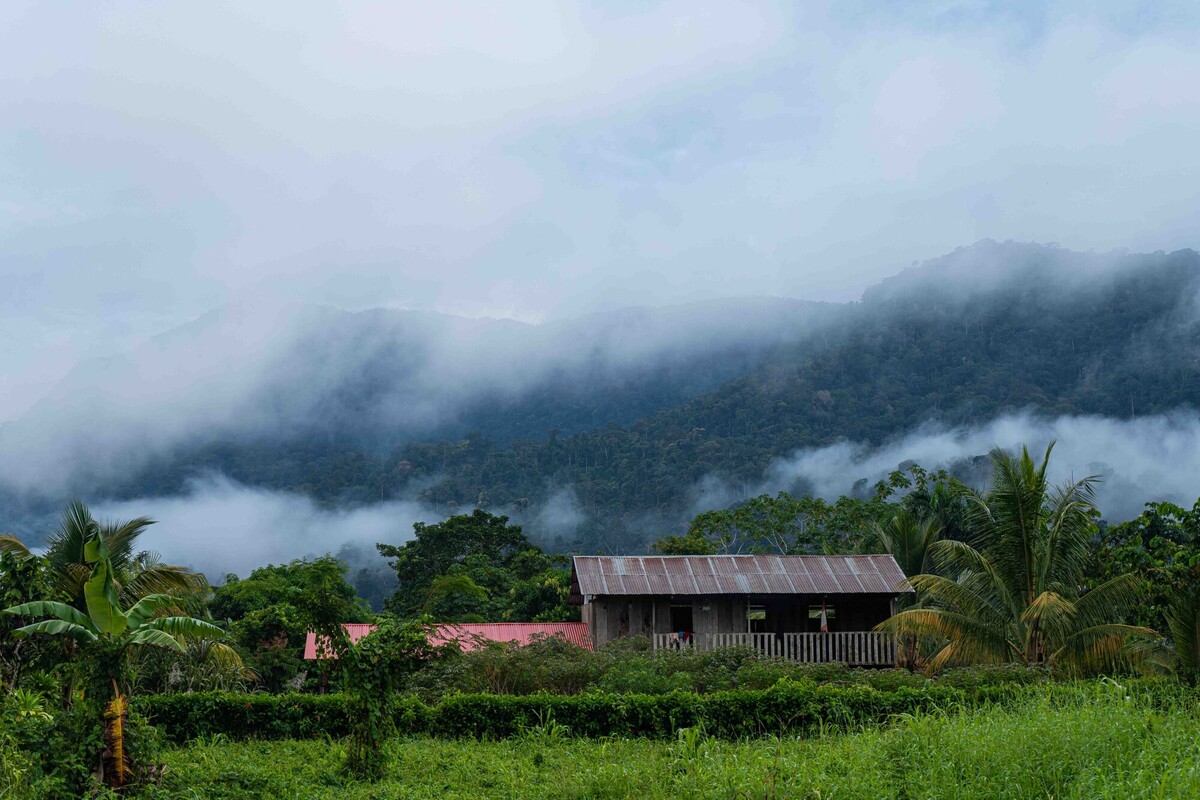 As a result, programmes have been largely based on cash transfers which deliver funding directly to communities via their leaders. The charity’s latest project – its Basic Income pilot – trialled basic income in the form of cash transfers for three Asháninka communities, which had no restrictions on how the money could be spent and averaged about £2 per person per day.
“The number of people leaving their communities to go and find work elsewhere has dropped by 50%”, Simonneau says. “It’s a huge result because that means these people are able to stay within their communities and spend more time on their own farm, which, of course, boosts income generation”. Those involved have even been able to access free training on financial literacy, governance, and environmental impact, further ensuring they are able to build the knowledge and the financial security necessary to oppose threats to their land.
But the initiative has also meant people have been able to go back to more traditional environmental practices – such as protecting water sources and planting native trees – and adapt them to a changing climate. By protecting these traditional practices, communities are still able to depend on the land that they need to survive.
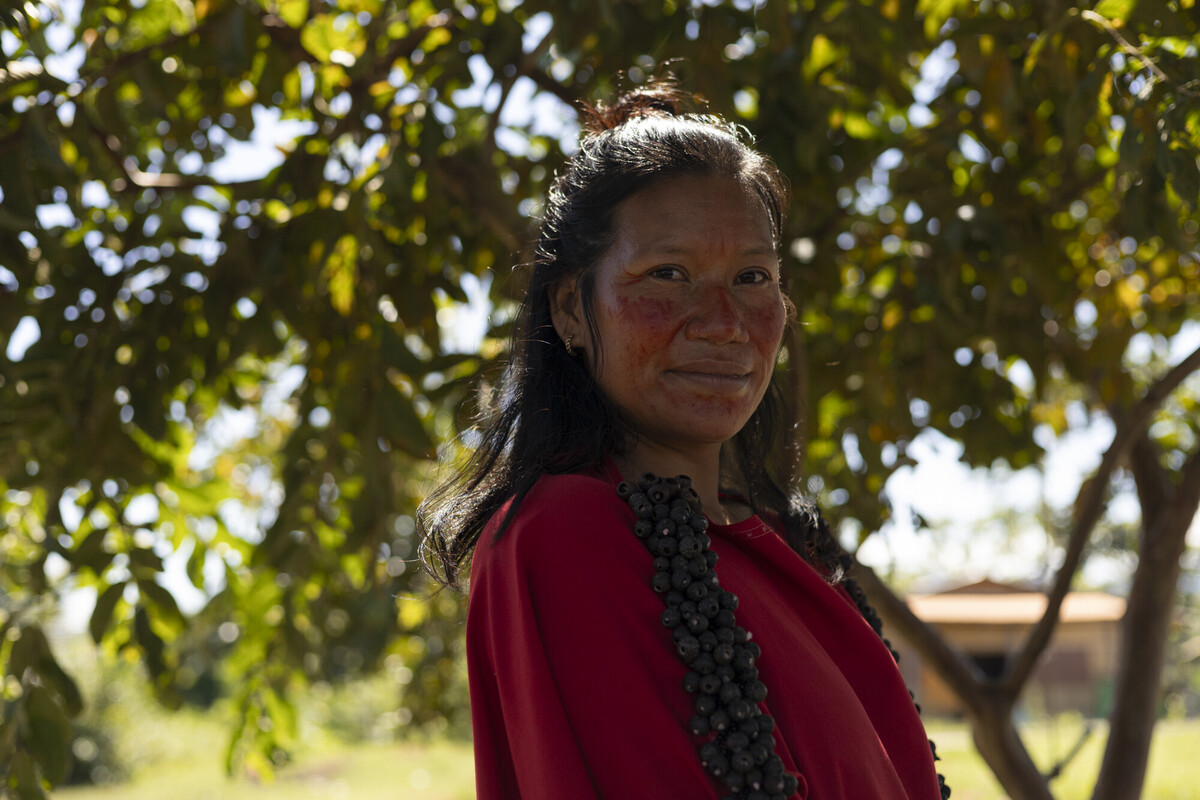 Now, as El Niño events are becoming more severe and drought seasons are lasting longer, a more pressing issue has sprung up: wildfires.
Around 2021, Simonneau explains, the Central Asháninka of the Ene River (CARE) came to the charity asking for funding and support to address the increase in wildfires they had been noticing on their lands.
This led to the creation of the Paamari programme – meaning fire in Asháninka – which uses a combination of indigenous techniques and global satellite data (which monitor at-risk areas in real time) to help communities respond more quickly to fires. “In the territories where Paamari operates, we saw a big decrease in fires, especially in 2024,” Simonneau tells me. However, he is cautious about interpreting these figures with nuance, “because we know that the drought season is just much longer than ever before”.
In the five years since its formation, 45 Community Forest Surveillance Committees have now been trained in fire prevention strategies, giving the Asháninka the tools to use alongside their own indigenous knowledge to monitor, detect and extinguish wildfires.
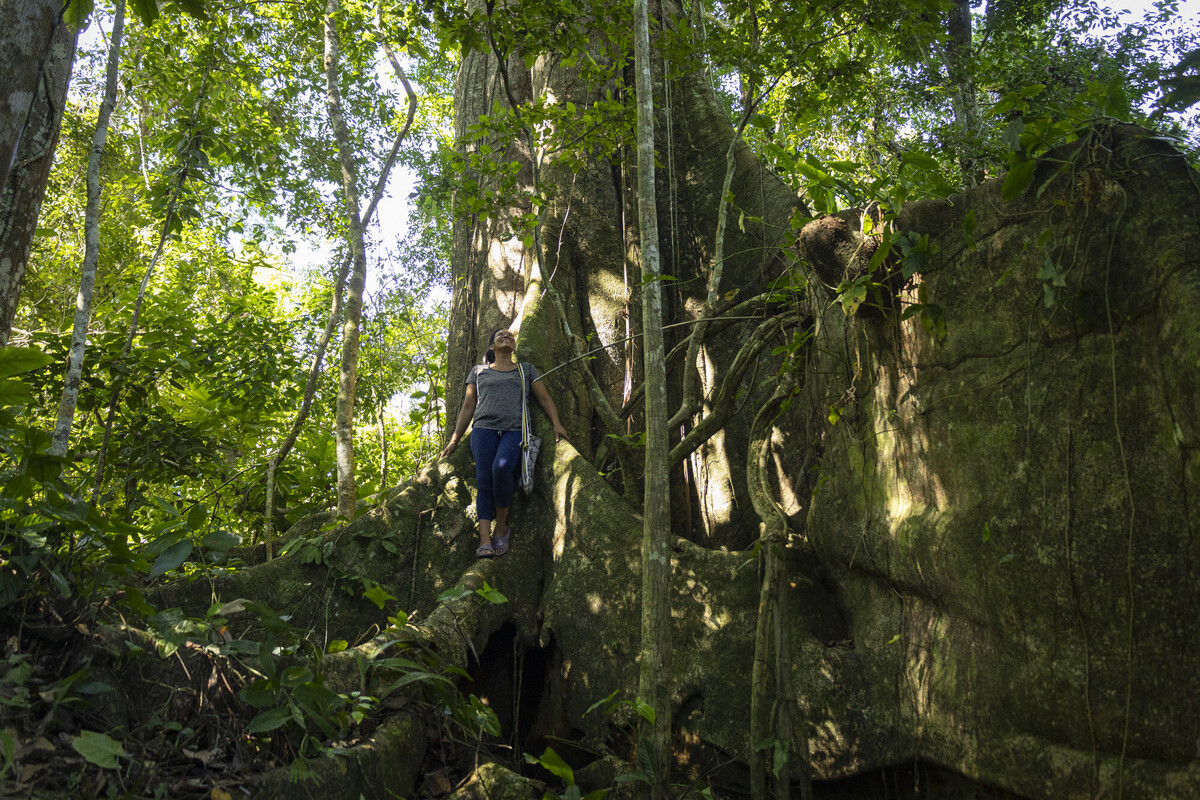 And the impact has been undeniable. The organisation was named the “most cost-effective charity working on mitigating climate change through direct action” in a 2016 report and has won a number of awards over the years.
Despite this, Simonneau does not believe the organisation has worked alone in achieving what it has.
“Ultimately, it’s a huge collaborative effort, and I don’t think Cool Earth is the only player,” he says, smiling slightly. “I think the people driving these projects are obviously the indigenous communities and their representatives.” In a time when threats are ever-increasing, unpredictable in their nature and support from regional governments is limited, Simonneau believes the charity is “incredibly lucky” to be in the position to provide long-term support to these communities. With this in mind, he hopes to continue its work for years to come.
(Photos supplied by Cool Earth for publication in The Prisma)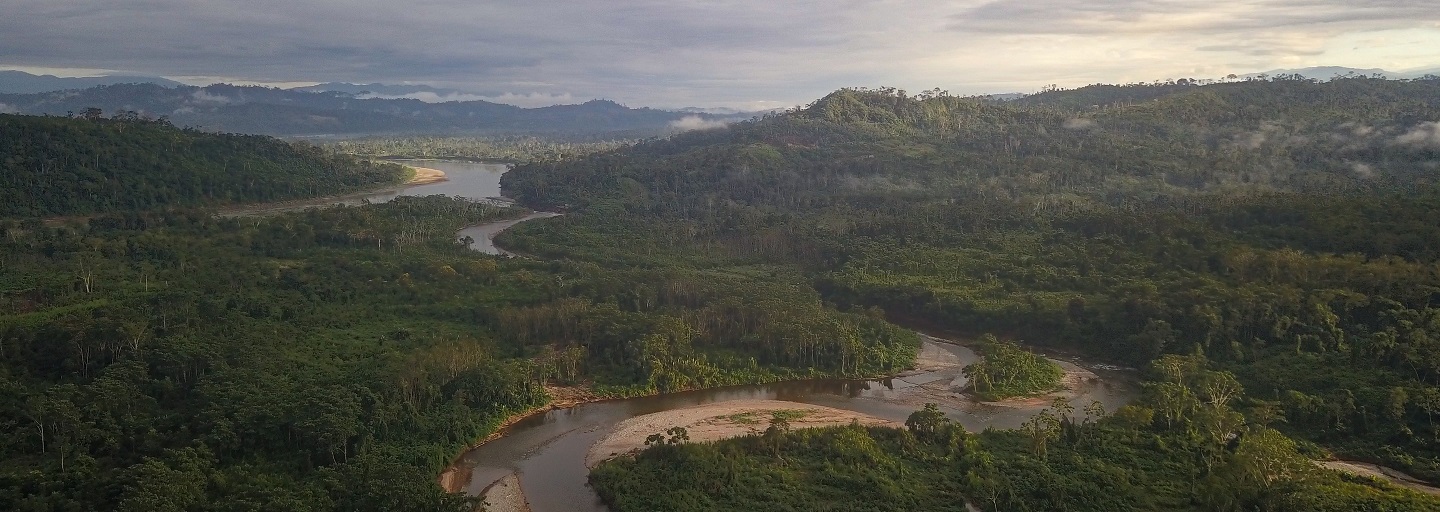










.jpg)