The pandemic and grief run through “”, the short film by Canadian filmmaker of Ecuadorian descent Paul-Daniel Torres. Through two young people in Toronto, the film explores emotional bonds and the marks one generation’s migration experience leaves on the next, while the director reflects on colonialism and privilege.
 Pablo Muñoz
Literature has explored the effects of separation on human relationships in different ways. In “The Odyssey”, Odysseus’s prolonged absence puts his relationship with Penelope to the test before their reunion. In “1984”, torture destroys Winston and Julia’s love. In “Of mice and men”, the accidental death of Curley’s wife sets in motion the final rupture between George and Lennie.
But separations and losses are not confined to books. During the Covid-19 pandemic, lockdown measures and fear of infection made personal contact more difficult. Those living far from their countries of origin missed their families and loved ones back home, while restrictions also made contact with their neighbours in their new cities more difficult. The Latin American diaspora experienced this too.
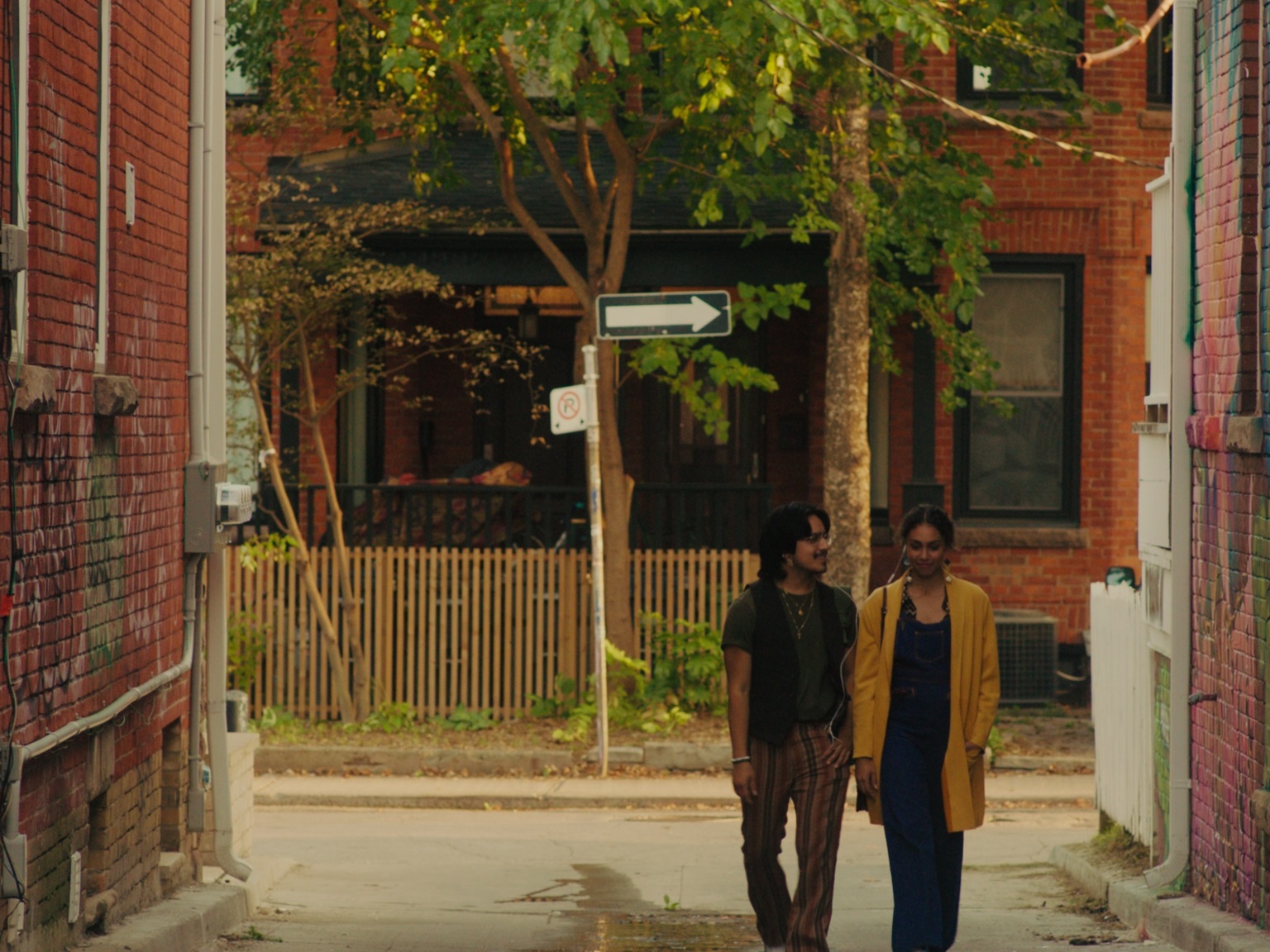
Out of these experiences, and the questions they raise about emotional bonds, came “Fried fish and plantain”. Set in post-pandemic Toronto, the short film, directed by and starring Paul-Daniel Torres, explores the experience of the children of Latin American migrants, whose lives are shaped by loss and the emotional legacy of the previous generation. Above all, it seeks to answer a difficult question: how do you love after loss? The two protagonists, Marisol and Willy, meet again while out walking and try to work out what remains of their bond after that experience.
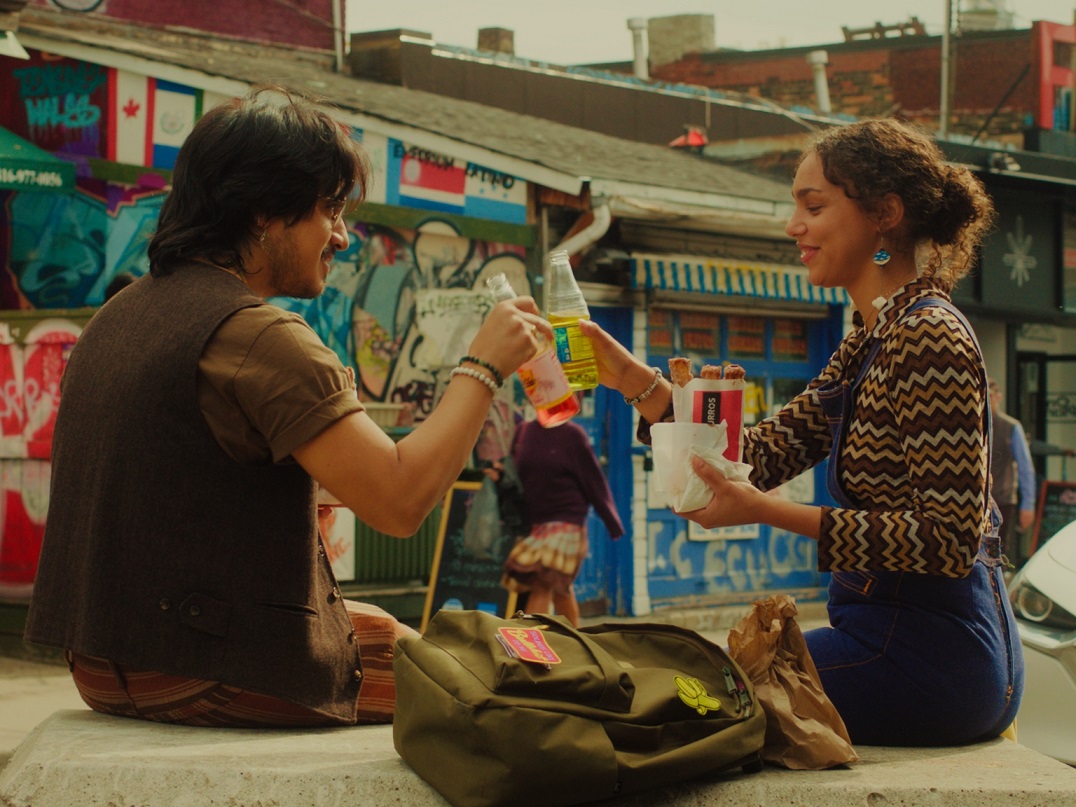 At the inaugural London Latino Film Festival, held from 2 to 6 October this year, where the short film was screened, The Prisma interviewed Paul-Daniel Torres to explore the experience of those who inherit their families’ migration history without having migrated themselves.
Why use Covid as the basis for your artistic work?
It is a shared experience, so it creates a universal theme. We all lived through Covid. A major global event inspires different stories, as the Second World War does, for example.
Covid has claimed so many lives and changed so many others that it has given everyone a new perspective. We need to take some time to reflect on what happened; we cannot ignore it.
You speak about changes in people’s feelings and lives. What emotional baggage does a second-generation Latin American carry?
Second-generation immigrants, like the protagonists of my short film, carry an additional emotional burden that comes from their parents. All parents try to do the best they can when they bring you into the world, but there are still things they do not get right. So, they carry their own baggage, as well as that of their parents.
Emma, who plays Marisol, and I are Canadian, but we also face different forms of racism. We are Canadian legally, but we have a Latin way of being. Canadians are quieter, more ‘polite’.
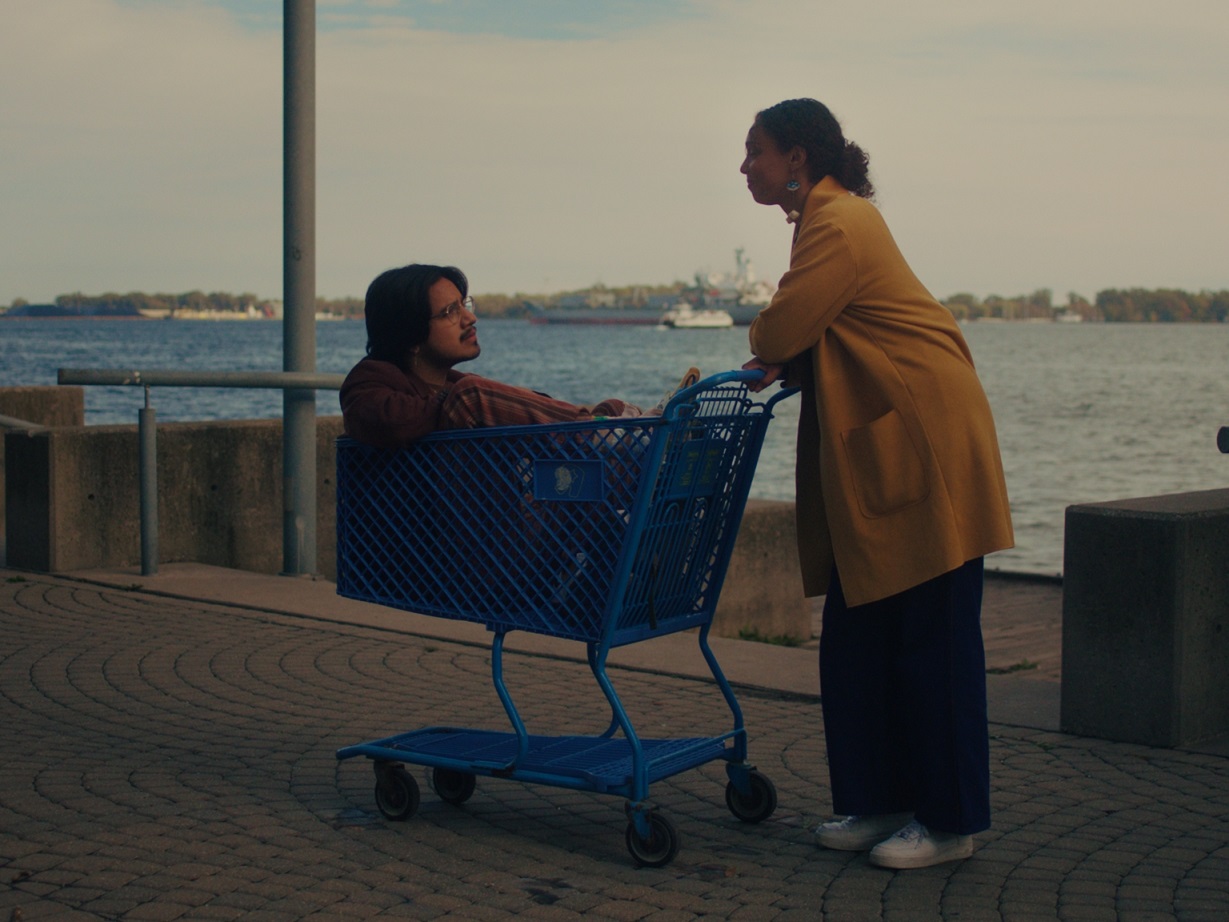 Latinos speak with much more passion. We love intensely and feel things intensely. When we like something, when we really like it, we express it wholeheartedly.
Yet there is still a degree of intergenerational trauma.
My father came to Canada because Canadian industry had a monopoly over Ecuador’s gold, timber, coffee and chocolate industries. So, I am who I am because of colonialism. I am a product of colonialism, but at the same time, as a Canadian, I benefit from it.
From my perspective as a second-generation immigrant, I have not had to struggle in the way my parents did. I have the privilege of being able to understand things differently. Besides, I do not have children to look after.
I have the privilege of being able to ask myself: what is my responsibility as the child of an immigrant? We are products of colonisation, yes, but we also benefit from it, so what are we going to do with that privilege?
I have the privilege of being able to raise my voice in support of Indigenous peoples’ rights in Canada and speak out about what is happening in Sudan, the Congo and Palestine. But we are at the heart of the empire.
As a second-generation immigrant, my emotional baggage comes from having the perspective of both the oppressed and the oppressor. That perspective creates a need to reflect, understand one’s own responsibility and consider the role one plays.
 Intergenerational trauma in migrant families has its roots in colonialism, so we need to understand our role in colonisation and decolonisation.
These kinds of reflections, seen from a younger perspective, seem to find their way into the language of the short film. Why is it important for contemporary culture that artists incorporate contemporary language, trends and perspectives into their work?
That gives you a snapshot of what it is like to be young at this moment. It shows you what people, and young people in particular, are interested in. It shows you what they were doing at that time. Sometimes we want things to be timeless, for time to stand still, but art does not work like that. Art reflects what is happening around it at the time it is made, especially when it comes to young people. In my short film, I include astrological terminology because young people use this language. For me, it is like including a little time capsule. It allows you to say, through highly specific details like that: ‘This is what was happening.’
And what about gender roles?
A relationship, whether a friendship or a romantic one, is like being part of a team. Sometimes you play in defence; other times, up front. I do not believe in gender roles; I challenge them. In a relationship, you have to bring your strengths to benefit the other person, focusing on them rather than yourself. Toxic masculinity does not do that; it does the opposite. It is self-centred. Situations like these are what cause pain to others.
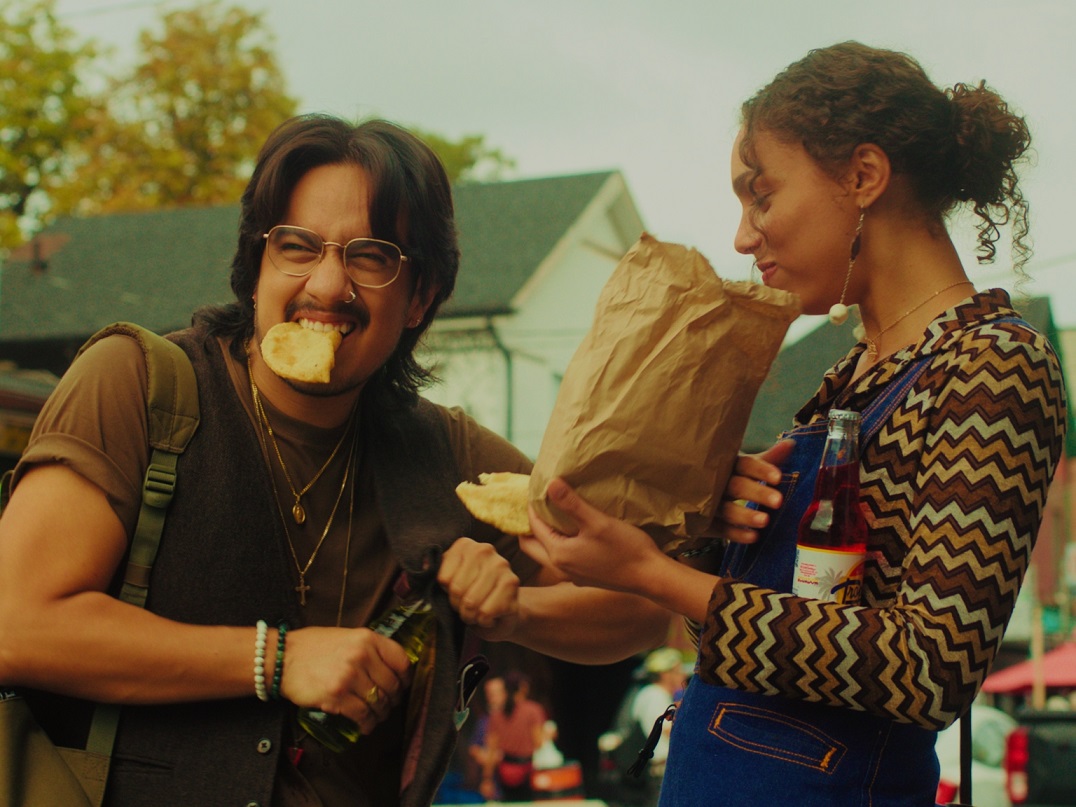 It is like thinking a man has to be strong. It is a death by a thousand cuts. I like the subversion introduced in the film, in which Marisol takes on the role of providing physical care, while Willy provides psychological care.
In any case, the pandemic separated people and, in many cases, made both physical and psychological care impossible.
Why do you think human contact is important?
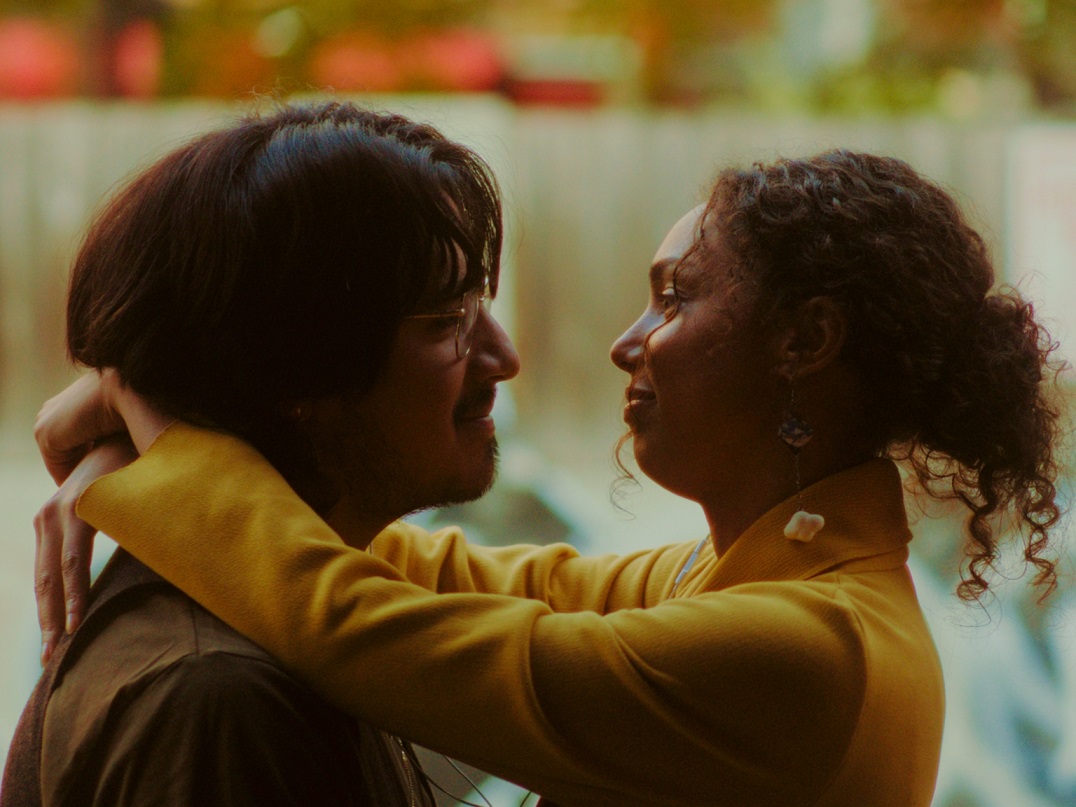
When I started writing the film, I always wanted it to end with a hug rather than a kiss. A hug is much more intimate. It is warm. Physical intimacy is important because it allows us to share the light we each carry inside us. That is what a hug feels like. That is why a hug can feel even more vulnerable than a kiss. A kiss can be about passion or a fleeting moment. A hug takes time, and in that time, things are said without words.
Hugging someone who is sad or crying benefits both people: the person giving the hug and the person receiving it. You can feel safe in someone’s arms and allow yourself to let go.
That sense of safety is where the value of life lies. It is like hugging your mother, your father or your siblings. You can take off your armour, be yourself and connect with another person.
(Translated by Rene Phelvin – Email: renephelvin@gmail.com) – Photographs supplied by the interviewee)









.jpg)