In the 1980s London was governed by the Greater London Council (GLC) and it became a genuinely left-wing administration.
 Sean Sheehan
Under Ken Livingstone, the capital’s radical credentials were cemented as it went about robustly resisted the free-market ideology of the ruling Conservative government.
The GLC was successful enough to irk the Conservatives into abolishing it in 1986 but the legacy was a rise in political consciousness amongst many Londoners.
This helped Livingstone become London’s first directly elected mayor in 2000 as an independent candidate.
As a thorn in the side of Zionism’s influence, the Labour Party refused to support him and would eventually keep him out of the party; without a serious illness preventing him, Livingstone would surely want to join Your Party under Jeremy Corbyn.
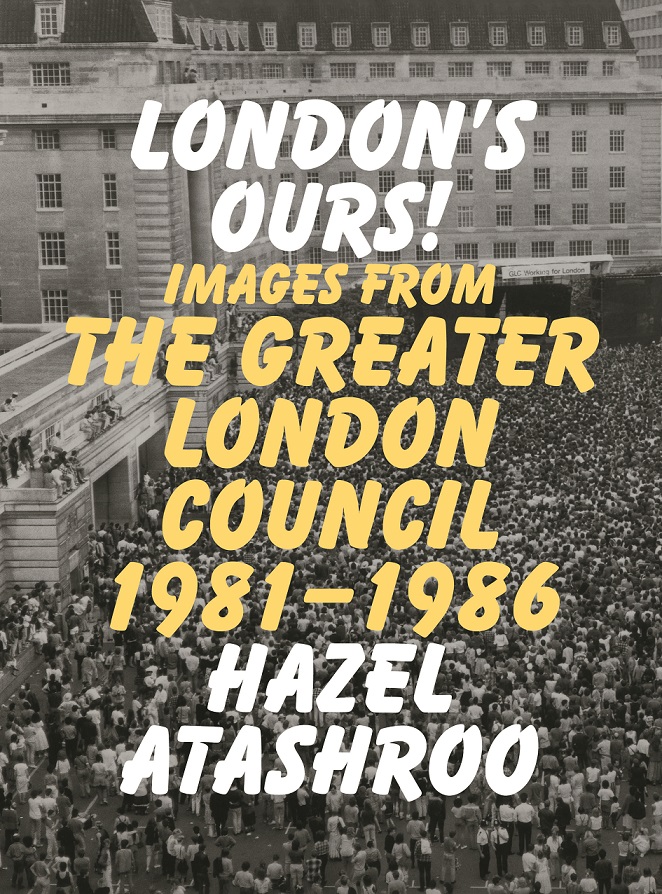
London’s Ours! is a visual guide to what Ken Livingstone’s GLC stood for and represented in the 1980s. It was a time of increasing unemployment in London and across the country (three million people were without a job in 1983) and social inequality was rampant as it is today. This was especially relevant to the migrants who were transforming London into a multi-ethnic metropolis — by the 1980s, one in five Londoners were of Black and Asian descent – and the GLC designed policies to face the challenges they faced.
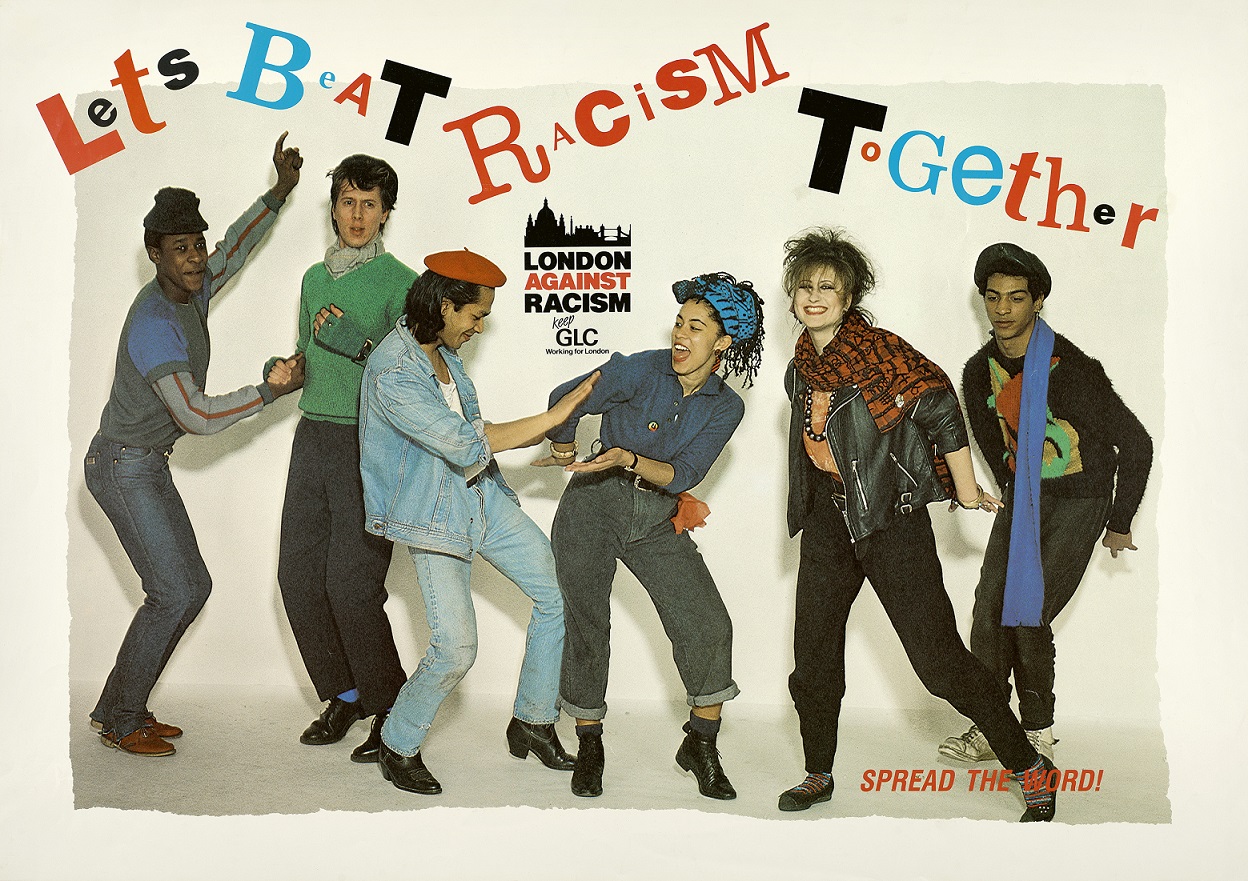 Irish and Jewish communities, lesbians and gay men, Afro-Caribbeans and Latin Americans were invited to County Hall for the first time and the kind of awareness of racism that is now taken for granted was brought to public attention through campaigns and equal opportunities policies. Combatting institutional racism, in the Metropolitan police force for instance, was (and remains) a tougher nut to crack.
The GLC was prescient in identifying and responding to important issues: migration, racism, the threat of nuclear war, the future of the docklands, public transport, equal opportunities and pay for women, lesbian and gay rights and these are all visually present in the book. An important aspect missing from the book is the GLC’s invitation to Sinn Féin leader Gerry Adams to come to London. This was hugely controversial at a time when Irish republicanism was being demonized but Livingstone’s administration was able to see ahead and recognise that murderous warfare by the British Army and the IRA could only come to an end through political dialogue and negotiation.
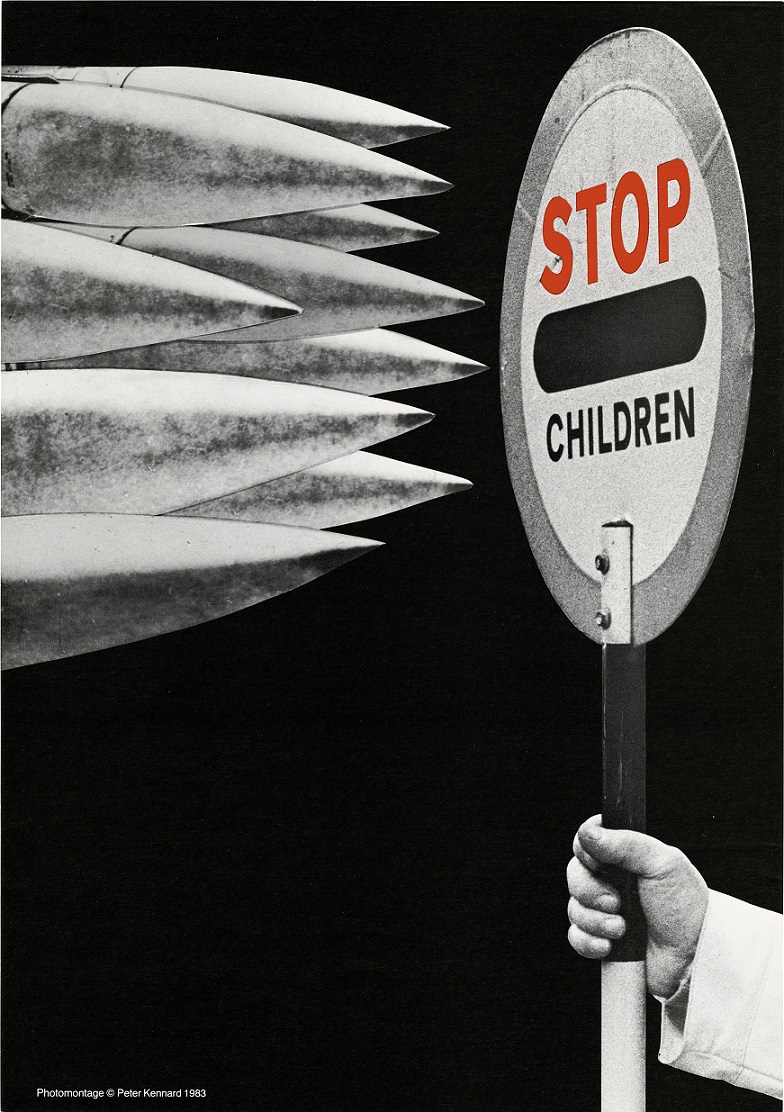 What comes across strongly in London’s Ours! is the energy and commitment to progressive change that the GLC brought to the administration of London in the 1980s.
What was achieved stands as a beacon of hope and a benchmark for what is possible.
Although the Greater London Authority (GLA), established in 2000, is not exactly the same as the GLC it is difficult not to compare the two and find the current administration, with Sadiq Khan as mayor, sadly lacking in radical ideas and imagination.
London’s Ours! Images from The Greater London Council 1981-1986”, by Hazel Atashroo, is published by Four Corners Press.
(Images supplied by the publisher)
.










.jpg)