
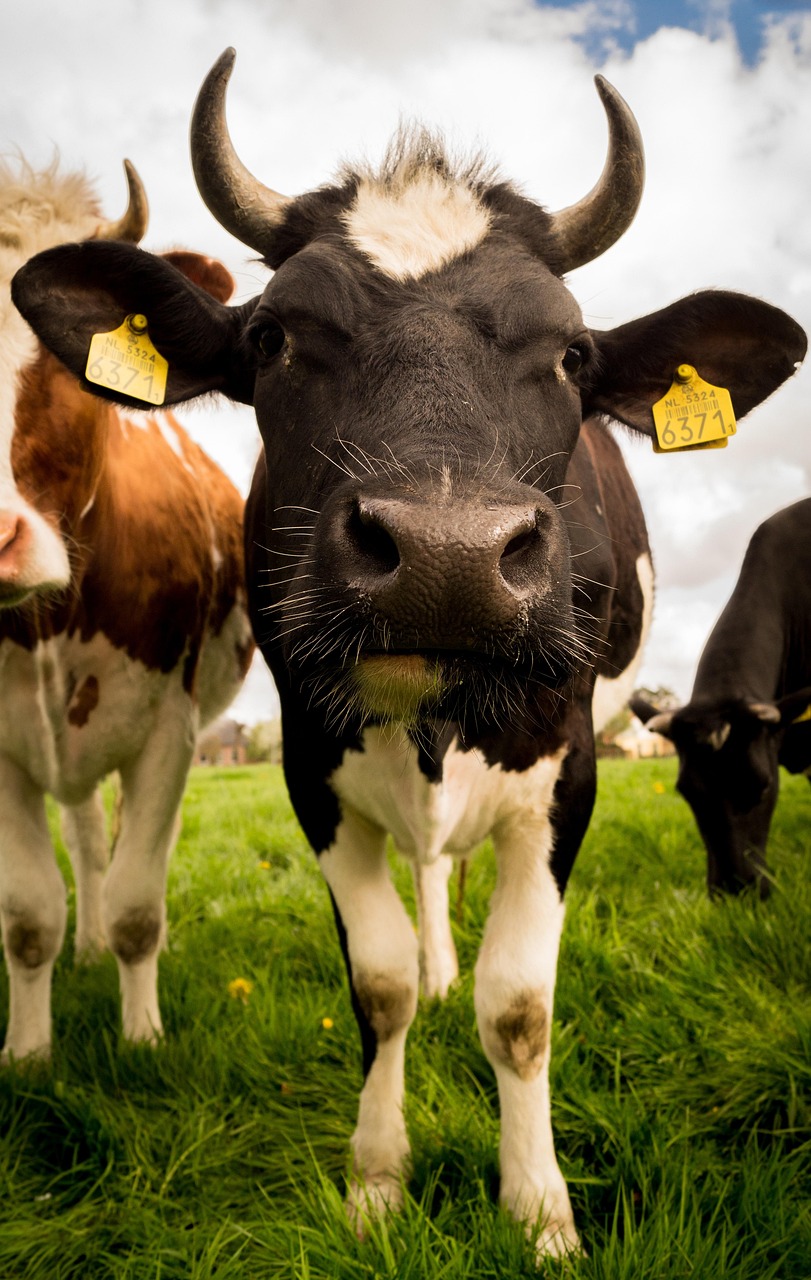
For hundreds of millions of poor rural households, livestock remain a key asset, often meeting multiple needs, and enabling livelihoods to be built in some of the world’s harshest environments.
 Roberto Salomón
The livestock sector is undergoing dramatic changes as large-scale production expands in response to surging demand for meat, milk and eggs, according to the Food and Agriculture Organization of the United Nations (FAO).
For the adaptation and development of agriculture and livestock systems to take effect, it is crucial to have ample and systematic information about animal genetic resources, which allows the latter to be managed effectively.
The history of animal genetic resources began between 12,000 and 14,000 years ago, during the agricultural revolution of the early Neolithic period, with the domestication of major crop and livestock species.
This control of food production led to major demographic, technological, political and military changes.
The domestication of animals and plants is considered to be one of most important developments in history, and one of the prerequisites for the rise of human civilizations. After the initial domestication events, the spread of farming into nearly all terrestrial habitats followed rapidly Subsequently, thousands of years of natural and human selection, genetic drift, inbreeding and cross-breeding have contributed to animal genetic resource diversity and have allowed livestock keeping to be practised in a variety of environments and production systems.
Climate change and the emergence of new and virulent animal diseases underline the need to retain this adaptive capacity. Experts agree that livestock production makes a vital contribution to food and livelihood security and that its significance will increase in the coming decades.
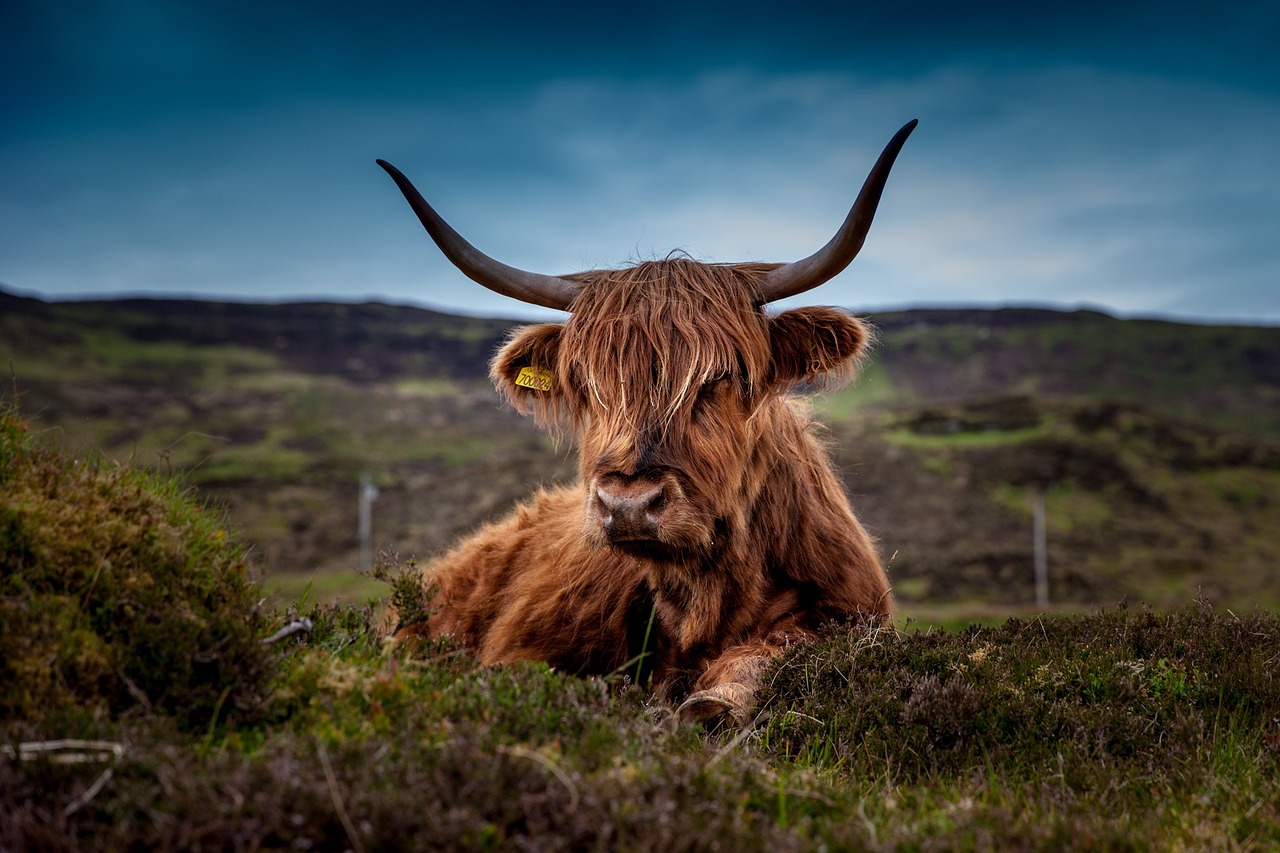 And yet, genetic diversity is under threat. The reported rate of breed extinctions is of great concern, but it is even more worrying that unrecorded genetic resources are being lost before their characteristics can be studied and their potential evaluated.
The FAO believes that strenuous efforts to understand, prioritize and protect the world’s animal genetic resources for food and agriculture are required.
Thousands of years of animal husbandry and controlled breeding, combined with the effects of natural selection, have given rise to great genetic diversity among the world’s livestock populations. High-output animals – intensively bred to supply uniform products under controlled management conditions – co-exist with the multipurpose breeds kept by small-scale farmers and herders mainly in low external input production systems.
The Global Databank for Animal Genetic Resources for Food and Agriculture of this United Nations body contains information on a total of over 7,600 livestock breeds, around 20 percent of which are classified as at risk.
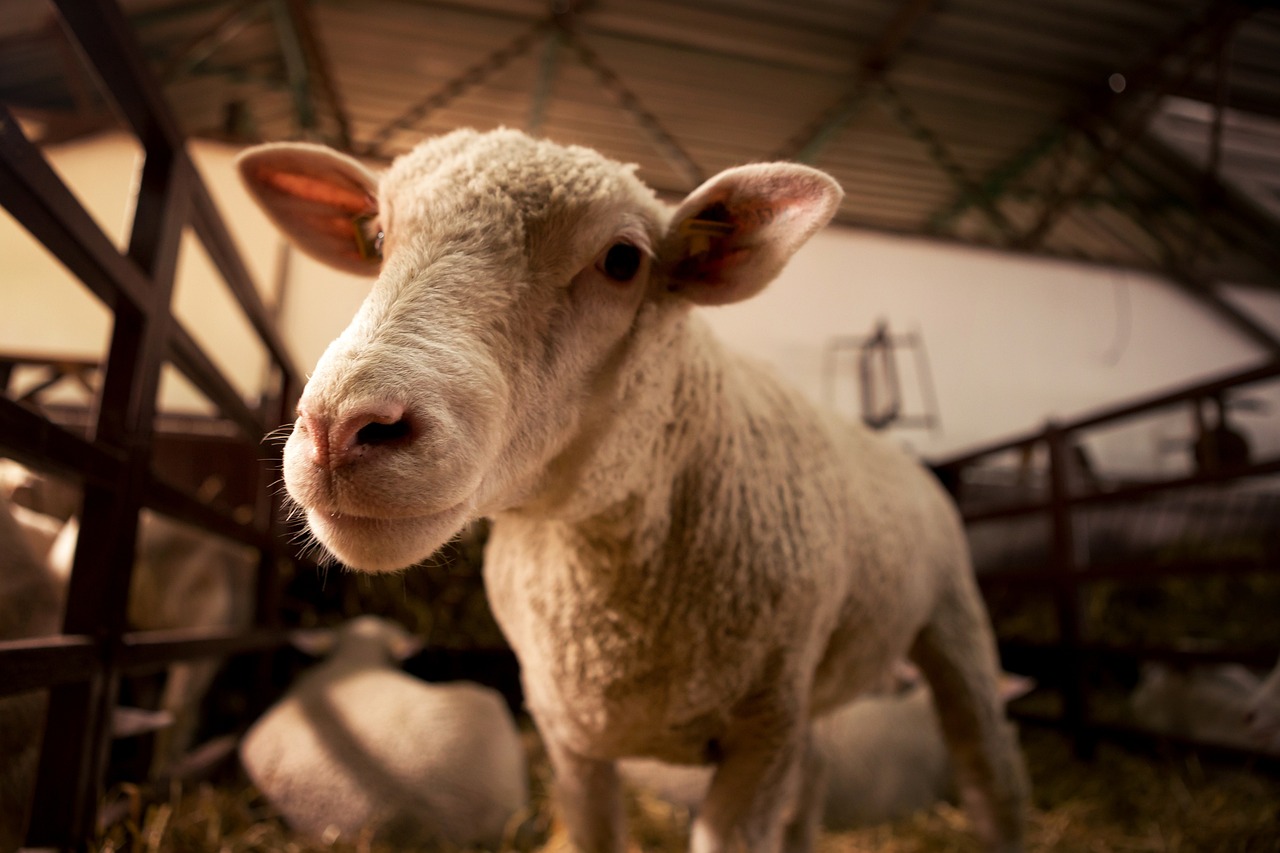 Of even greater concern is that during the last six years over 60 breeds became extinct. Moreover, among many of the most widely used high-output breeds of cattle, diversity is being undermined by the use of few highly popular sires for breeding purposes.
Global production of meat, milk and eggs is increasingly based on a limited number of high-output breeds – those that are most profitably utilized in industrial production systems.
The intensification process has been driven by rising demand for animal products and has been facilitated by the ease with which genetic material, production technologies and inputs can now be moved around the world.
Intensification and industrialization have contributed to raising the output of livestock production and to feeding the growing human population.
However, policy measures are necessary to minimize the potential loss of the global public goods embodied in animal genetic resource diversity.
Other challenges include major disease epidemics and disasters of various kinds (droughts, floods, military conflicts, etc.), particularly in the case of small, geographically concentrated breed populations.
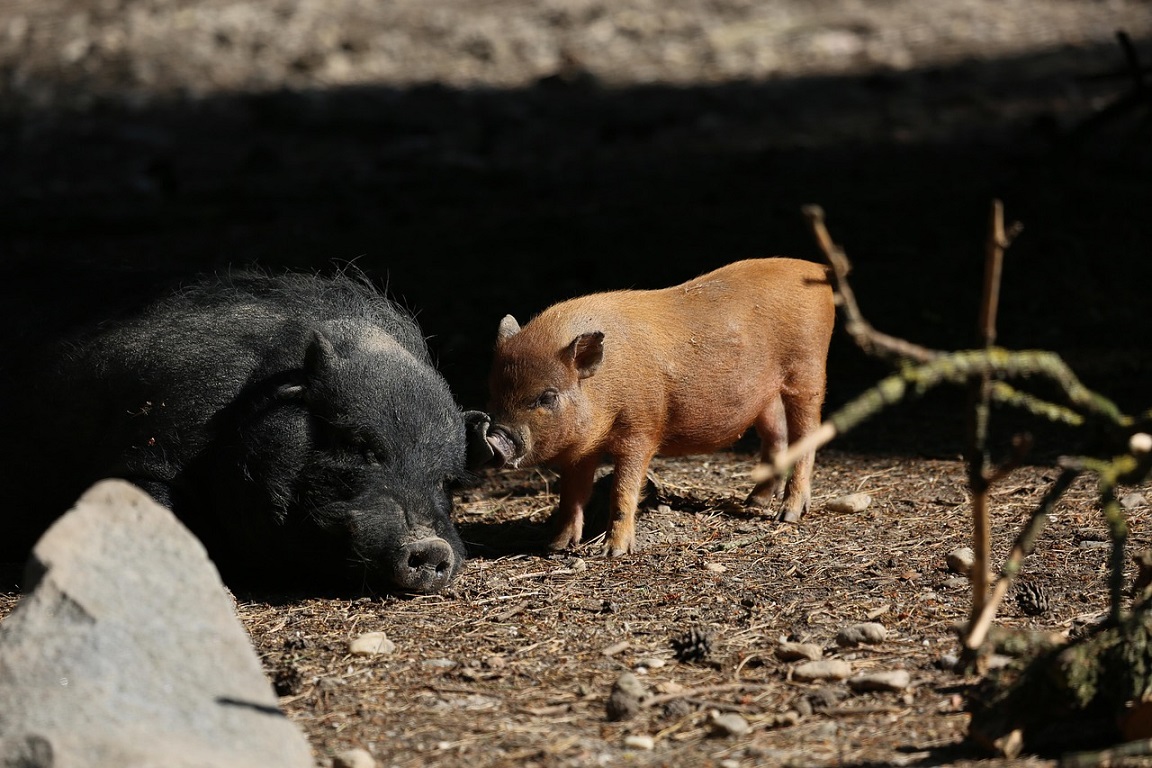 Also, policies and legal frameworks are not always favourable to the sustainable utilization of animal genetic resources, as governmental subsidies have often promoted the development of large-scale production at the expense of the smallholder systems that utilize local genetic resources. (PL)
(Translated by Roz Harvey) – Photos: Pixabay










.jpg)












