
Although Alvaro Uribe Vélez faces 276 charges and is one of Colombia’s most investigated former presidents, he is the first one to be brought to trial, in this case for the alleged offences of procedural fraud and witness tampering. The witnesses in question have an important role in the trial and the life of one of them, the chief witness, appears to be in danger.
 Germán Ayala Osorio*
The serious assault, aimed to intimidate, of which Juan Guillermo Monsalve was the victim, warrants a response from the state as the life of the chief witness against former president Uribe is in danger. A few hours before giving evidence as a key witness in the ex-leader’s trial for witness tampering and procedural fraud, Monsalve was attacked, seemingly by prison guards working for the National Prisons Institute (INPEC).
Who gave the order? Once again this question has been asked in a criminal case involving the Antioquia-born Uribe Vélez. The same question in relation to the systematic practice known as the false positives has still not been properly answered. These extrajudicial executions occurred between 2002 and 2010.
The current government of President Gustavo Petro is morally and politically obliged to safeguard Monsalve’s life. Last week’s attack made it clear that the INPEC does not sufficiently guarantee the protection of the former paramilitary’s life. According to what has appeared in the press, Monsalve knows how Uribe was involved in the creation of paramilitary groups, which is why he was sought out by Uribe’s lawyer, Diego Cadena, so he would change his account in return for judicial favours.
 INPEC is an institution in whose practices and protocols corruption has found a home, an institutional and cultural circumstance that enables Monsalve’s enemies to assassinate him despite the “guarantees” given to him thanks to the order some time ago by the Supreme Court of Justice (CSJ) to make strenuous efforts to protect his life.
The military and police units do not offer the security guarantees the star witness against former president and former presidential candidate Álvaro Uribe Vélez requires. Given all this, the Colombian state as a whole must throw itself into protecting Juan Guillermo Monsalve’s life. If Monsalve’s life is in danger despite the CSJ’s orders, then President Petro, as Head of State, is morally and politically obliged to look for other ways and means to ensure that Monsalve can attend court freely and without any sort of intimidation to testify all that he knows about Uribe and the facts that have led to his being put on trial for serious (not political) offences.
One of those means could be to ask for help from friendly countries with diplomatic representation in Colombia, specifically the provision of an embassy to which Monsalve could be transferred.
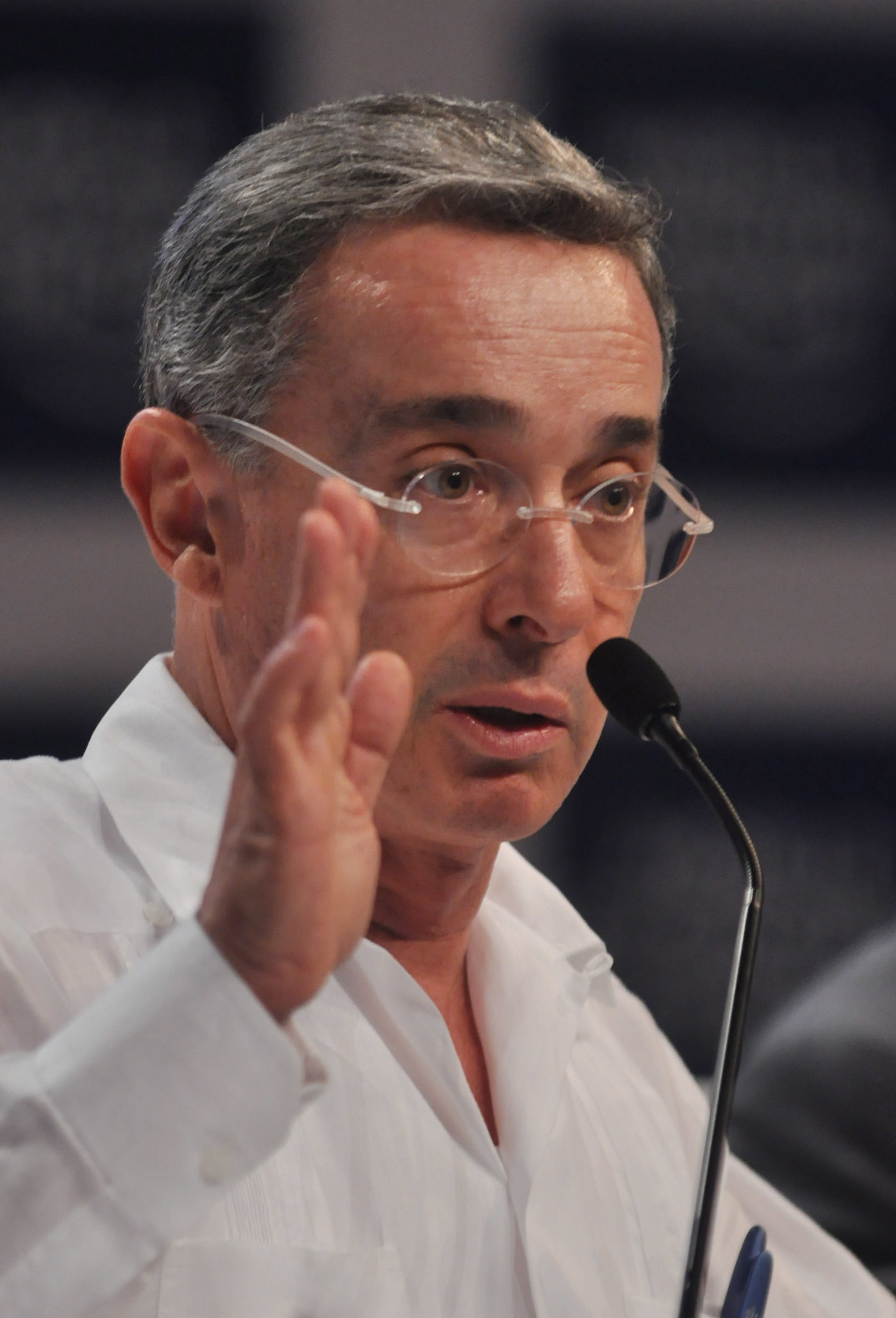
Creative Commons License.
An asylum request is not needed. As this relates to a trial being held under exceptional conditions, the state must respond with equally exceptional measures. The state must recognise it cannot safeguard the life and physical integrity of the witness against Uribe. That is a political and institutional reality which is the argument for carrying out the diplomatic efforts that I am talking about here.
Just as the state, for some time now, has guaranteed a considerable security framework for former president Uribe, it should do the same for Juan Guillermo Monsalve. In this case presidential dignity cannot be the obstacle preventing the state from looking after Monsalve’s life. For justice’s sake and that of the country’s good name, Colombia cannot allow another witness against Uribe to end up assassinated, a fate that has already befallen at least five witnesses in other cases against the ex-president. As the highest administrative authority, President Petro must order the Ministry of Foreign Affairs to take the necessary steps. Monsalve cannot be assassinated.
The indignity suffered recently by former president Uribe due to his entanglements with the courts cannot result in further stains on the image of Colombian justice through pressure on judges and bribery of magistrates so they manipulate judgements, along with the incompetence of the public prosecutor’s office and the penetration of all kinds of mafias in its internal dynamics.
*Germán Ayala Osorio: Social communicator, journalist and political scientist, author of the blog La otra tribuna.
(Translated by Philip Walker – Email: philipwalkertranslation@gmail.com) – Photos: Pixabay










.jpg)












