
The transformation of the historic centre of El Salvador’s capital into a tourist attraction is a fact. For those who have been there two years or more, the new face will come as a surprise. Such is the magnitude of the work carried out by the authorities.
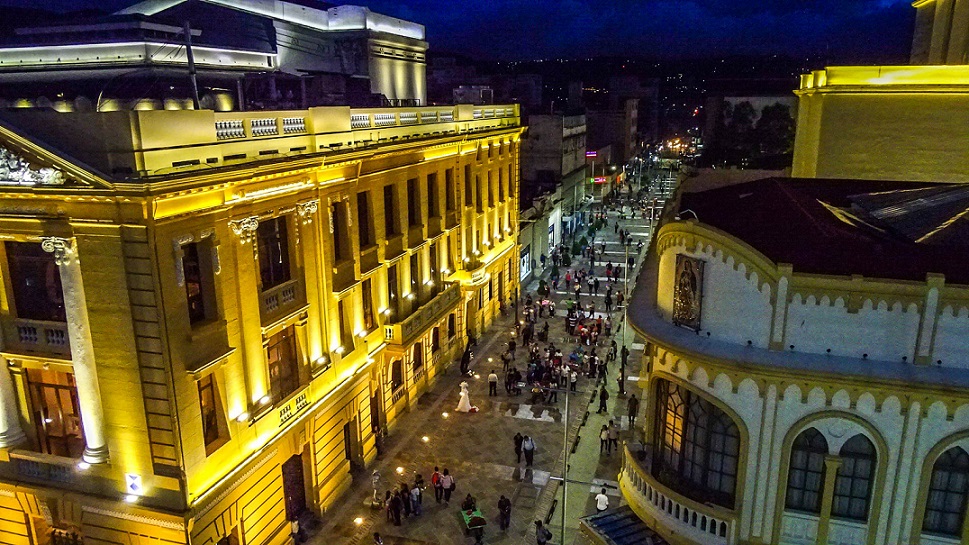 In 2020, there was a dangerous atmosphere in the Salvadoran city, just one metre separated one group of gangs from another, and crossing that border could cost a person their life. Those were difficult times in which people went about their daily lives.
Gangs and more than 30,000 informal traders disputed the space of several blocks and sometimes even kilometres of what is known as the Historic Centre. The National Palace, the Calvario Church, the Metropolitan Cathedral, squares and public spaces were overrun. Once the gang problem was resolved, the government set about transforming the disorder and, under the leadership of Mayor Mario Durán, began the process in different stages, based on the line designed by President Nayib Bukele when he held that post.
 Gradually and over a period of months, the capital’s city centre was transformed from an emporium of crime and architectural disorder to a favourite spot for foreign and domestic tourists.
Lost buildings began to resurface after 30 years of being covered by informal sales and businesses.
After a temporary closure, cars returned to the streets and pavements on 4th Calle Poniente, 5th, 7th and 9th Avenida Sur, 4th and 6th Calle Oriente, as well as Rubén Darío Street and Pasaje Colombia. This step was taken after several days of street and pavement cleaning, more than a thousand tonnes of rubble and debris from illegal sales were removed to give the capital a new makeover.
The commune unit said that 1,000 tonnes of debris had been collected, 399 concrete slabs demolished and 321 structures removed.
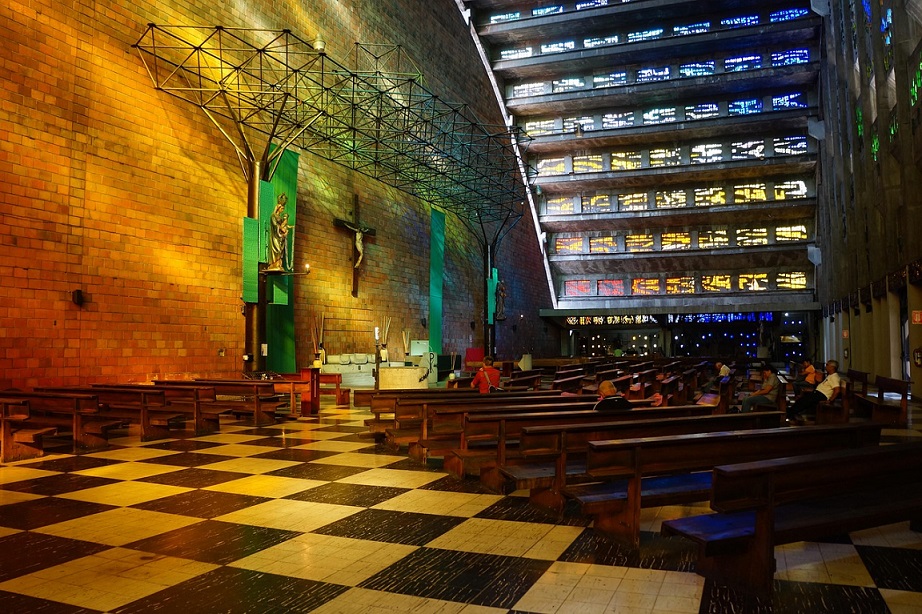 This is part of the Revitalisation Plan and today the shops, buildings and squares have the face they have not had for 30 years.
According to the mayor’s office, 85% of progress has been made in the removal of traders from the historic centre of San Salvador, who are being relocated to 32 municipal markets. PL
(Translated by Cristina Popa – Email: gcpopa83@gmail.com) – Photos: PxHere and Pixabay










.jpg)












