
A strong national unity and multilateralism are, in the opinion of experts, the way in which the Central American country can confront the most recent threat by US President Donald Trump to increase military presence in the isthmus in order to take over the Canal.
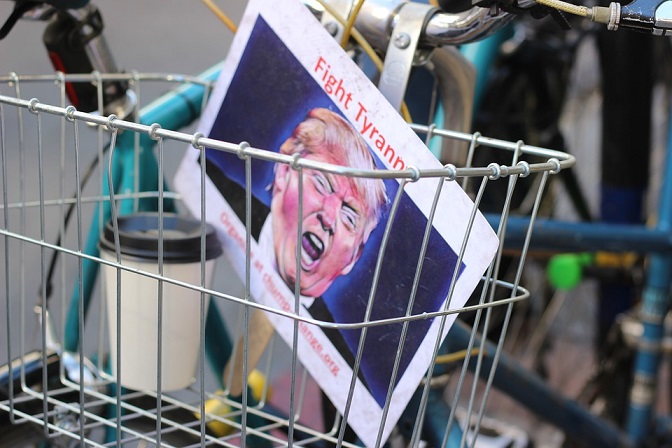 While local media report that the US Department of Defence is preparing plans to send troops to Panama with the aim of taking control of the inter-oceanic waterway, citing NBC and sources linked to the government, the administration of José Raúl Mulino responds that it has not received any reports on the matter. Recently, lawyer Alonso Illueca told the press that the Panamanian government refuses to resort to multilateralism, as it worked in the negotiations for the Torrijos-Carter Treaties, signed in 1977.
Illueca urged the government to push the campaign harder at the Organisation of American States (OAS), which holds these documents, and also at the United Nations, where Panama has been a non-permanent member of the Security Council since January this year.
According to Illueca, the first body that could have made a pronouncement was the Community of Latin American and Caribbean States (CELAC) last January, but Argentina’s rejection made consensus impossible, as established by the rules of this integrationist mechanism for the issuing of such pronouncements.
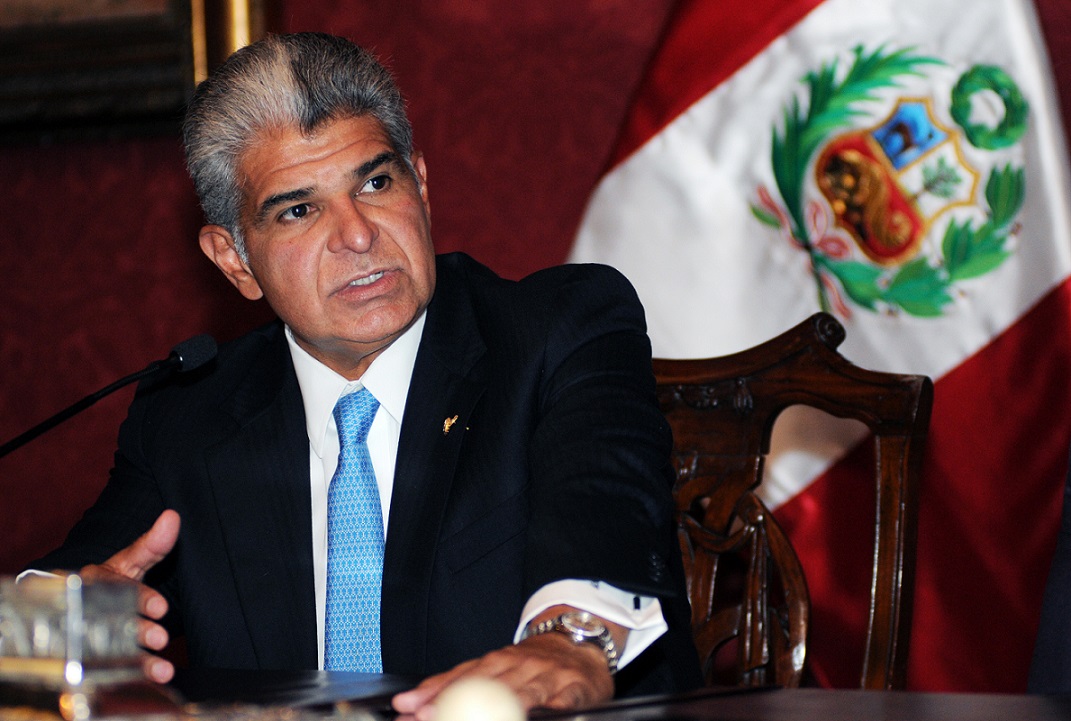
Former Foreign Minister José Eduardo Ritter also urged internationalisation of the problem and support from the international community.
Other analysts consulted by the daily La Estrella de Panamá backed the idea that the Central American country’s current foreign policy is lacking and that there does not seem to be a clear national strategy, which facilitates the imposition of Washington’s interests.
For Julio Linares, a lawyer specialising in international law, although President Mulino has denied Trump, there is a need to move from reactions to a more active strategy. Linares advocated taking a stance in defence of multilateralism and effective and dignified diplomacy. Joaquín De Obarrio, a lawyer and president of the Panamanian Maritime Law Association, said that another tool the government is not making use of is to join the 1977 Neutrality Treaty.
De Obarrio explains that the Treaty makes it clear that only Panama can have military forces in the Canal. Hence, any intervention without the State’s authorisation would be a violation of the norm.
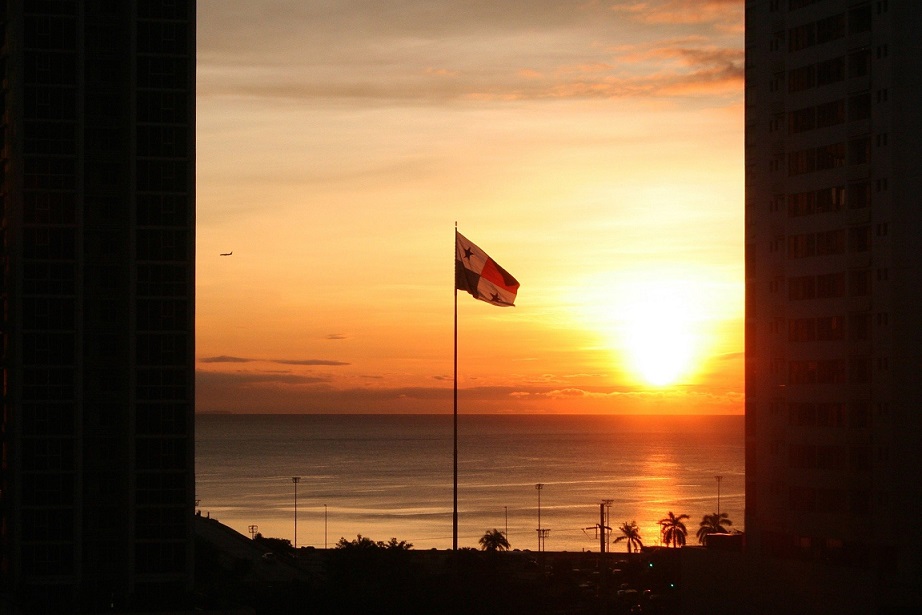 For Jones Cooper, professor of International Relations at the University of Panama and former secretary general of the Ministry of Foreign Affairs, the state could invoke the Charter of the United Nations and the Organisation of American States (OAS), instruments that give legal force to the country’s defence. Cooper insisted that Panama has to internationalise the cause of defending the Canal and its sovereignty, but recalled that defence is also built from within. PL
(Translated by Cristina Popa – Email: gcpopa83@gmail.com) – Photos: Pixabay










.jpg)












