
The Bolivian authorities have denounced that there exists currently an intense media and social media offensive, disinformation campaigns, systematic harassment and political aggression aimed at discrediting Luis Arce’s national government.

Jorge Petinaud Martínez
Almost a year after the failed coup d’état of 26th June 2024 and with just under four months until the general election on 17th August, there has been a resurgence of campaigns with hate-filled speeches that reveal the intention to challenge the constitutional order in the Plurinational State of Bolivia.
On 26th June last year hundreds of military personnel under the command of the former head of the army, Juan José Zúñiga, reinforced with battle-ready armoured vehicles and gunships, occupied the Plaza Murillo, the country’s political epicentre, with the objective of seizing power. Arce’s decision to confront the rebellion, the popular mobilisation broadcast live by the media and international support from other governments frustrated the planned military action.
Several countries in the area and regional integrationist organisations emphatically condemned any form of insurrectionist rebellion and described it as a direct threat to democracy, social peace and the life of the Bolivian people.
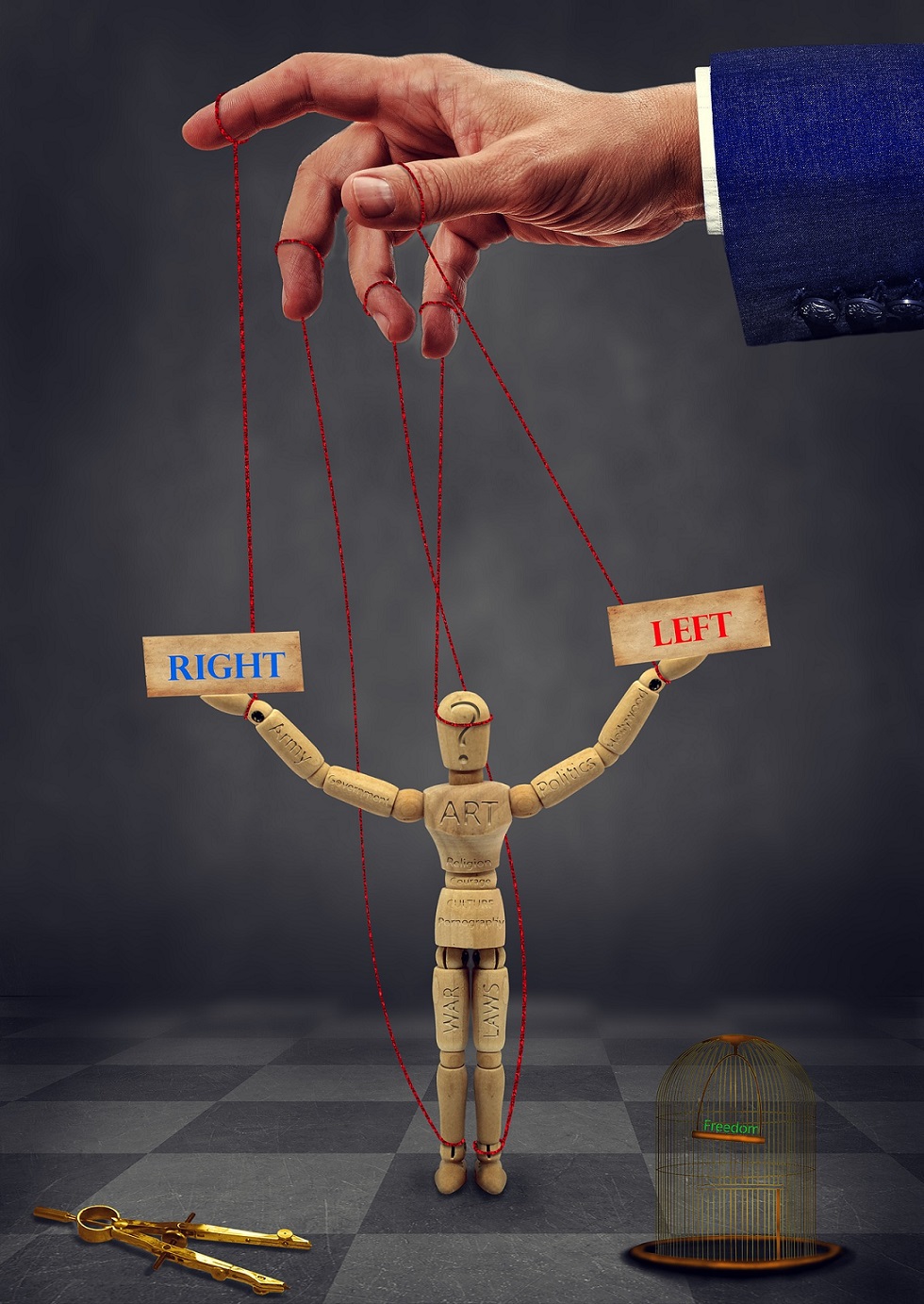 Since then, destabilisation strategies have multiplied and diversified in Bolivia in ways described in various speeches by President Arce as hybrid warfare.
This is why the Bolivian authorities warn that sections of the opposition, along with foreign interests they do not identify, are creating the conditions to justify an early end to Arce’s constitutional mandate.
Government authorities believe there is an effort to cause discontent among the army’s troops and incentivise an armed uprising.
Also over the last few weeks, several opposition legislators and political operators, masked by the façade of being members of civic committees, especially in the department of Santa Cruz, denounced a supposed judicial coup allegedly led by Plurinational Constitutional Court judges Miguel Hurtado and René Iván Espada, who have extended their own terms.
The accusers maintain the hypothesis that, on the president’s orders, Hurtado and Espada will act in a way that allows August’s general election to be postponed, enabling Arce to extend his mandate. Espada and Hurtado have denied this version and publicly committed to ensure the election is held.
For its part, the Supreme Court of Justice issued a notification that it will begin disciplinary and legal proceedings against any judge that interferes with the holding of the election.
 The destabilising far-right
In the context of the hybrid warfare denounced by the Bolivian government, former president Jorge (Tuto) Quiroga, who represents the international far-right in this country and is the Libre (Free) alliance’s presidential candidate, announced destabilising actions.
“The street protests will increase,” asserted the force behind the neo-liberal policies promoted by the United States and the International Monetary Fund (IMF) in an interview on the night-time programme ‘Detrás de la Verdad’ (‘Behind the Truth’) on the private channel DTV. Quiroga’s announcement chimes with the government’s warning about the threat of a civil coup. On this point, the authorities indicate that the scarcity of dollars caused by large exporters leaving currency overseas affects import capacity, which has led to supply issues for raw materials, fuel and consumer products, and a corresponding increase in their price.
This phenomenon is amplified minute by minute by alarmist messages on social media which increase financial panic and speculation.
 Additionally, Zúñiga’s declarations about the government’s supposed intention to manipulate the electoral roll along with denouncements by opposition spokespeople of an alleged fraud are debilitating the government and deepening social uncertainty.
In parallel, several newspapers close to the neo-liberal opposition are attempting to establish the idea of a failed, ungovernable state. All these characteristics are typical of so-called “soft coups” that erode the legitimacy of governments promoting social justice and undermine institutional stability.
On top of this hostile atmosphere, there is the blockage of international credits in the country’s parliament which has prevented the injection of over 600 million dollars into the national economy. This has put a brake on the progress of public works and social programmes, feeds institutional erosion and is leading to a functional paralysis of the state. PL
(Translated by Philip Walker – Email: philipwalkertranslation@gmail.com) – Photos: Pixabay










.jpg)












