
For five years, between the blurred borders of exile and fatherhood, a man breathes—with words as his only weapon. He is neither a hero nor a victim, just someone whose honest desire to speak the truth tore him away from his home, his family, his country. This is the story of silent suffering—of those unseen yet still standing.
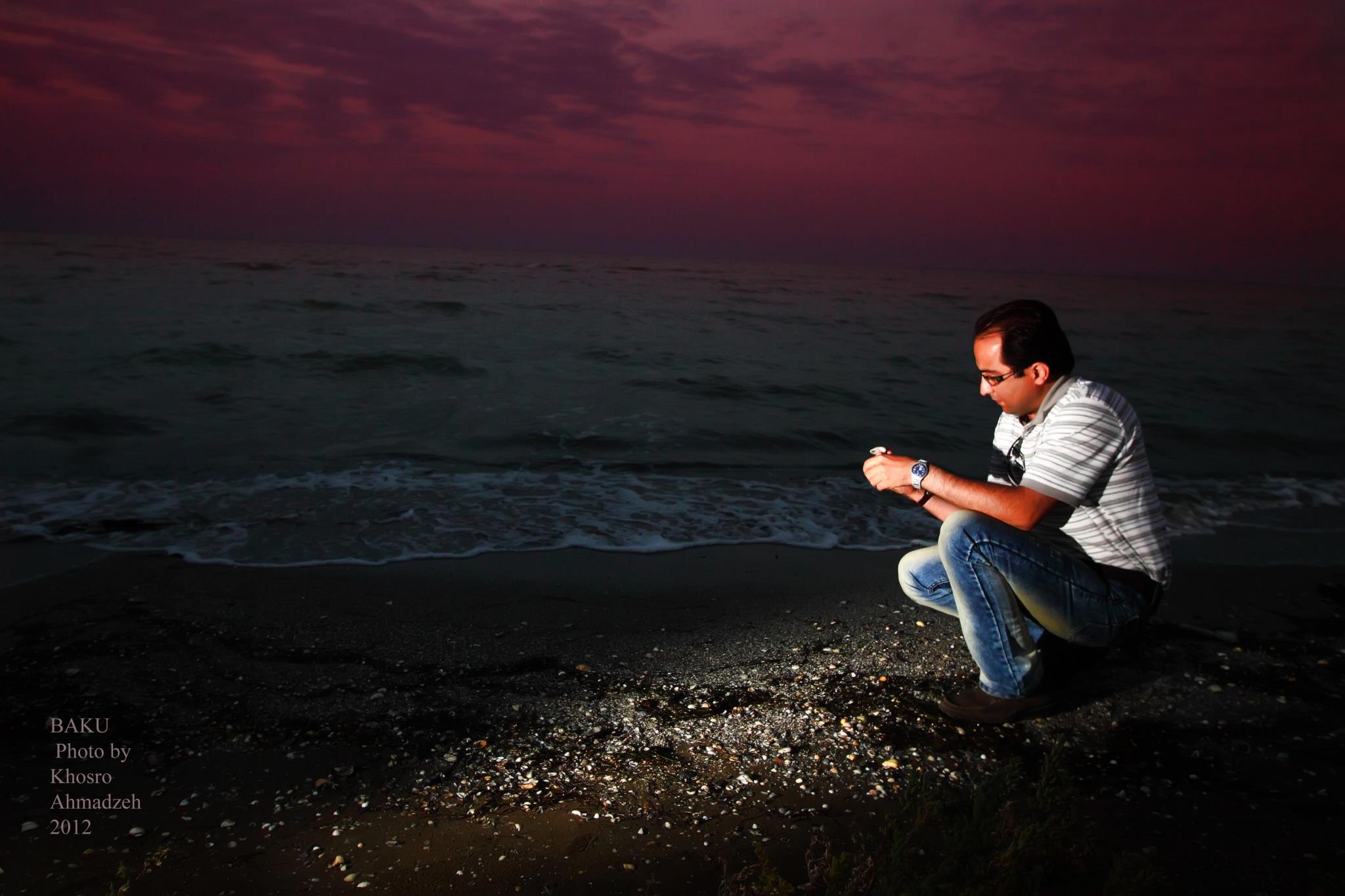
Rola Zamzameh*
Sometimes a single sentence can alter the course of a life. Not because it’s dangerous in itself, but because of where and how it’s spoken—or written.
For me, it was not a scream but a whisper of truth that sealed my fate.
In Iran, I was an independent journalist since 1998. My world revolved around stories: of literature, art and culture, of artists pushing boundaries, of how society tried to breathe through music and poetry, even as the political and economic atmosphere suffocated us. I wrote with hope. I believed that by spotlighting art and culture, we could reflect deeper truths—gently, respectfully, but honestly.
That honesty, eventually, had consequences. Since the year 2000, I had been an official member of the Association of Iranian Journalists (AOIJ), a professional and independent guild union dedicated to defending journalists’ rights and press freedom in Iran. In 2004, I also joined the International Federation of Journalists (IFJ), connecting my work to a wider global network of media professionals.
But this professional path was soon cut short by politics. In the summer of 2009, following the mass protests over Iran’s disputed presidential election, the Iranian government forcibly shut down the Association of Iranian Journalists.
State media accused the association of “inciting unrest,” though no transparent legal process was ever followed. At the same time, dozens of critical newspapers and magazines were banned or suspended—many under the direct influence of Iran’s supreme leader.
The journalistic environment quickly turned repressive. Many of my colleagues were arrested, harassed, or forced into exile. As for us—members of the association—we lost not only our careers but also our safety and our homeland. For many, exile became the only path to survival—and writing, our final form of resistance.
One of my last published reports addressed the invisible mechanisms of state censorship in cultural institutions. It was measured, evidence-based, and not inflammatory by any international standard. But in Iran, even quiet truths can echo too loudly. Soon after, I was summoned. Not once. Several times. The calls grew colder, the threats less veiled. That’s when I knew: I had to disappear before I was made to. So I decided to emigrate.
 When I received my student visa for Belgium, it felt like the only door in the world had cracked open for me.
Getting accepted into a European university was my one and only chance after months of effort, applications, and rejections.
But it wasn’t just about studying. It was about having my family join me after I arrived in Belgium.
That morning, everything smelled of farewell. The lump in our throats had settled in the night before, but no one dared to speak. When I held my daughters in my arms, time stood still.
One clung tightly to my neck; the other whispered, “Baba, when will you come back?”
I had no answer, only a trembling kiss on their foreheads and hands that refused to let go. My wife said nothing. She had not chosen to live alone. All we exchanged were glances, glances that held more than any words ever could.
A look that tried to compress years of longing into a few seconds. Behind me, my mother and sisters followed tradition: they poured water on the ground, a symbolic wish that my path would be safe, and perhaps, that I would return.
On the way to the airport, silence filled the car. I kept looking into the side mirror, watching all my life fade behind me. My family. My home. Getting smaller, and smaller. That image isetched in my memory like a broken photograph. I didn’t know then that this goodbye would stretch into five long years. Five years without seeing them. Five years of holding back tears.
 Five years of missing my daughters’ goodnight kisses. That day, I wasn’t strong. I was just a man who couldn’t stop his tears. I left. Not for adventure. Not for a new beginning. But simply to survive.
When I arrived in Belgium, I could breathe freer air, but it wasn’t comforting. It was filled with anxiety. I applied for asylum almost immediately. In my heart, I believed that the sooner I entered the asylum process, the sooner I might be reunited with my family. I hoped the Belgian authorities would understand my fear, my urgency, my longing.
But it was a false hope. And yet, despite everything, that decision was made out of love—love for my family, and the hope that one day, somehow, I would hold them again.
I applied for asylum, believing that my profession, my evidence, and my fear would speak for themselves. I was wrong. The system, as I learned, does not run on empathy. Three times, my application was rejected. The reasons were vague, often bureaucratic. “Insufficient personal risk,” they said.
As if exile could be measured only by bruises and bullets, not the erosion of voice, dignity, and belonging.
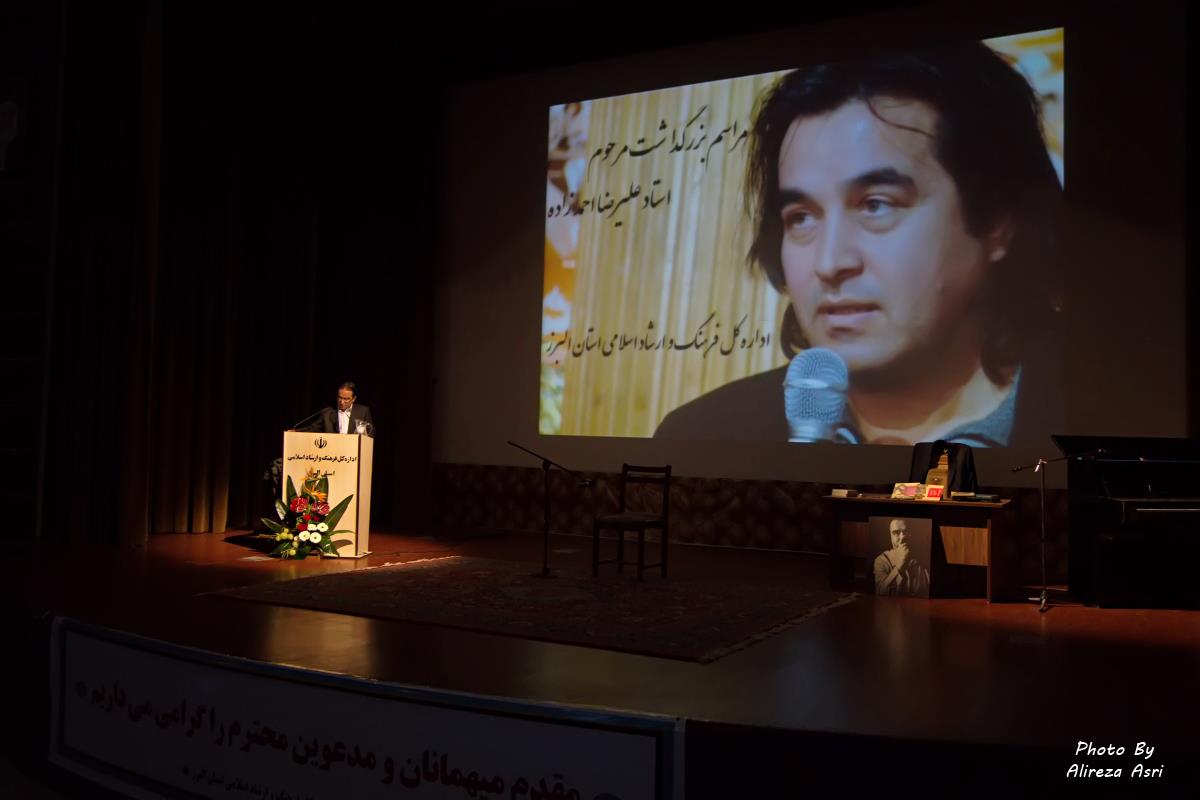 Each rejection chipped away at me. I lost weight. I lost sleep. I lost years of my daughters’ childhoods. They grew older through phone screens. I missed birthdays, first days of school, even their changing voices. My youngest once asked, “Baba, will we ever be in the same room again?” I had no answer.
But even in the greyest moments, I continued writing. Words have always been my way of resisting erasure. I wrote essays, poems, scenarios for short films—most unpublished, but all deeply lived. They reminded me that I still existed, even if the world around me pretended I didn’t.
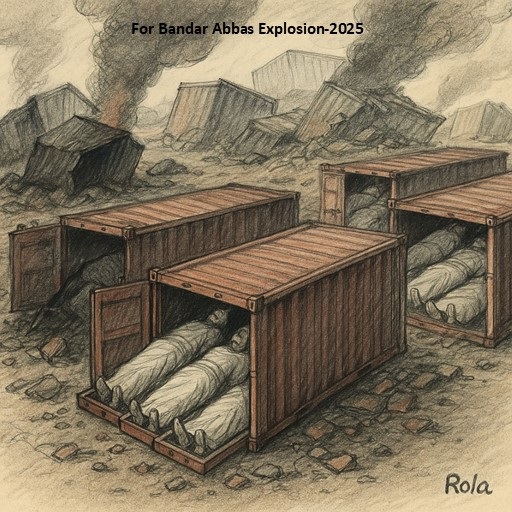
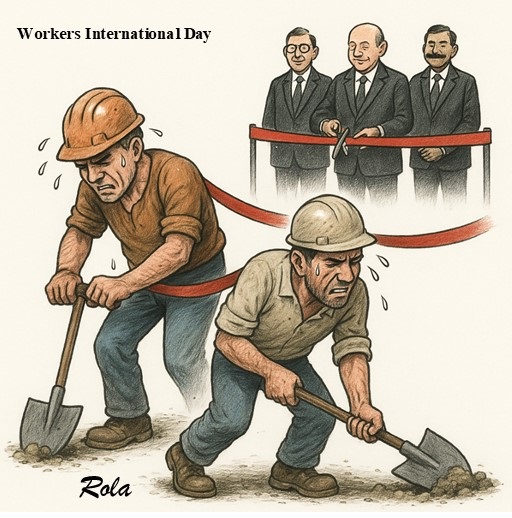
Throughout all these years of exile and uncertainty, the only person whose comfort truly reached my heart was Master Javad Alizadeh, the editor-in-chief of Humor & Caricature monthly magazine and one of Iran’s most renowned caricaturists.
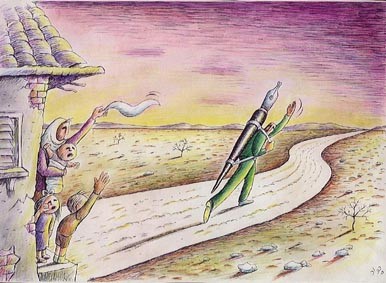
I worked with his magazine for nearly twenty years, and despite carrying his own deep sorrows, he was the only one who consistently offered me genuine encouragement. Just as his artworks now accompany this story, they have always stood by me—as silent allies through every struggle.
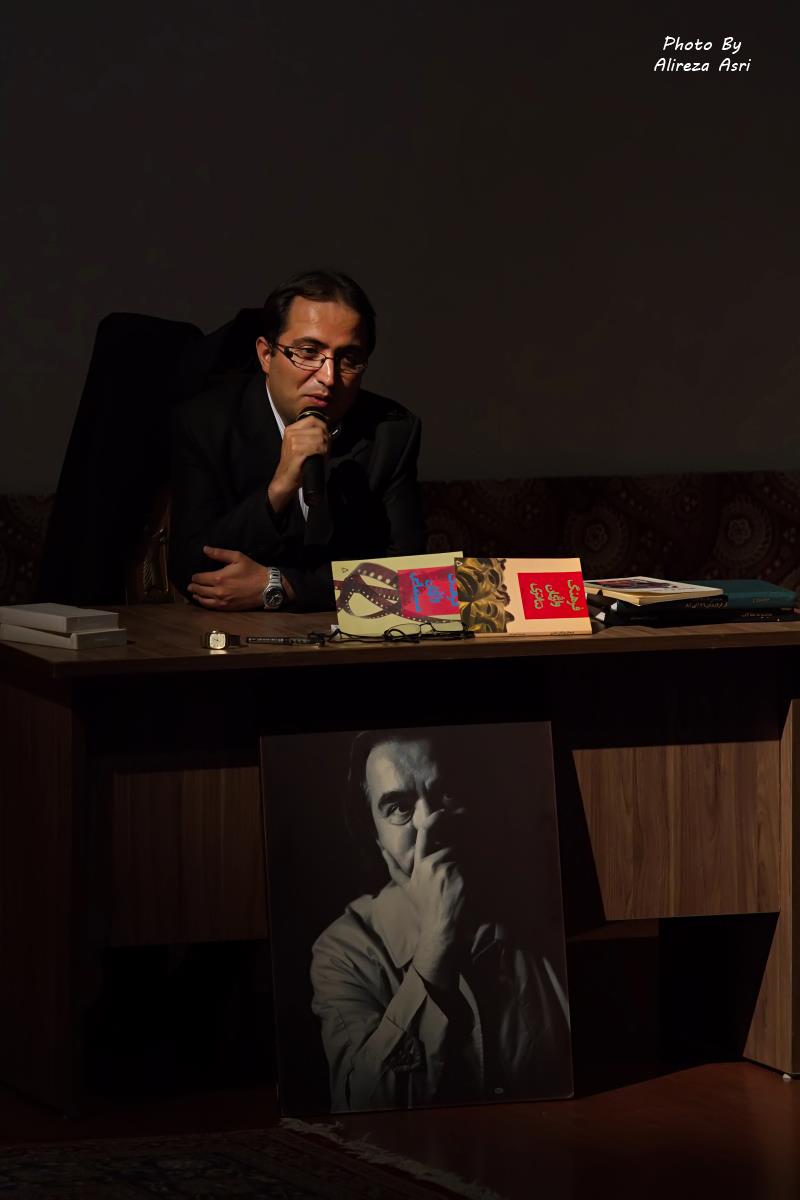 It may be hard to believe, but every time I tasted a delicious meal, enjoyed a refreshing drink, saw a beautiful view, or breathed fresh air, I felt a pang of guilt. Because my love and my daughters were not there with me. Not even the celebrations brought me real joy, neither New Year’s, nor my birthday, nor any other festivity.
But to keep the flame of journalism alive within me, I began writing again—voluntarily. I wrote essays, reports, and reflections in the hope that one day, I might return to working in a free and independent media outlet, where journalism would not just be part of who I am, but my one and only profession once more.
Now, after five years in limbo, I’m trying again. A new asylum application. A new chance. Because I am not just an immigrant. I am a father, a writer, a man who loved his country enough to tell the truth, and was punished for it.
And if someday, somewhere, I can hold my daughters again—not through the screen of a mobile phone a screen but in my arms—then every word I’ve written will have been worth it. Today, I still carry hope.
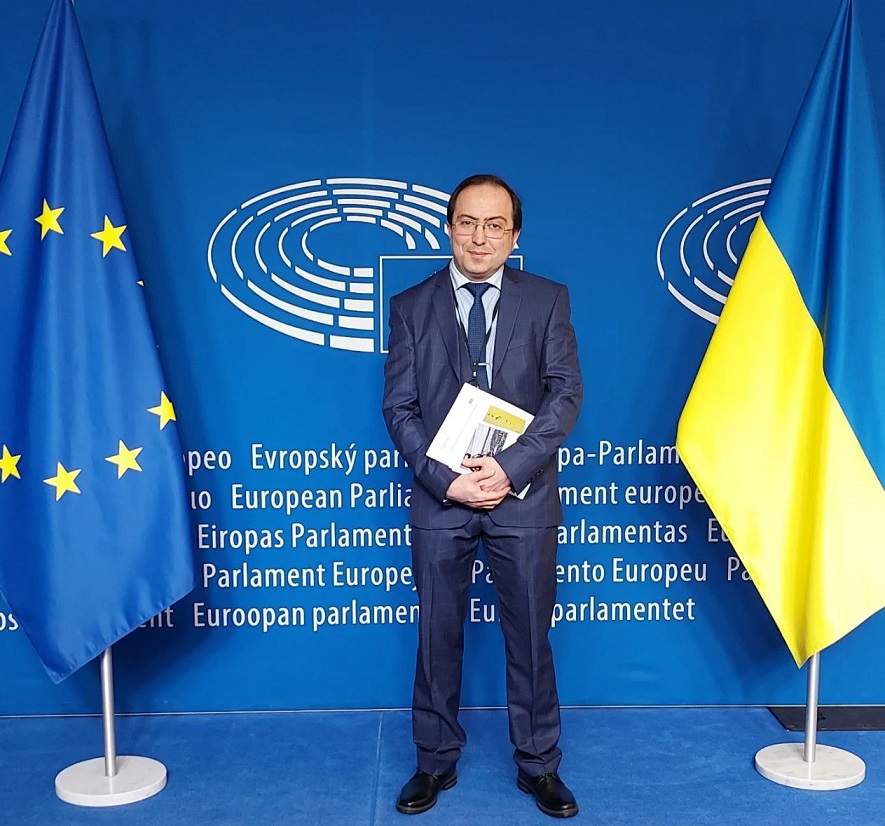
*Rola Zamzameh: Senior journalist at the European Commission and Parliament.
(Photos and images supplied by the interviewee who has authorised their free publication in The Prisma without any copyright concerns.)
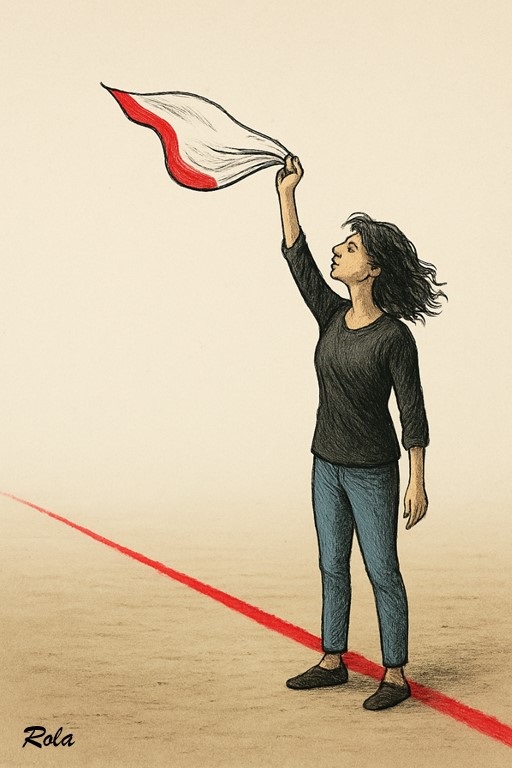
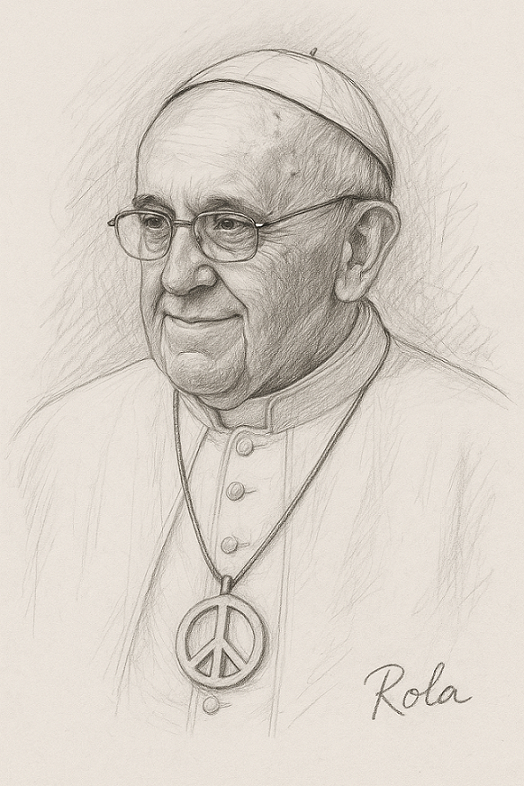
Caricatures by Rola Zamzameh:










.jpg)












