
The legacy of cultural wealth coexists with a history of pain. This South American country was the destination of more than four million enslaved Africans, the largest number in the Americas.
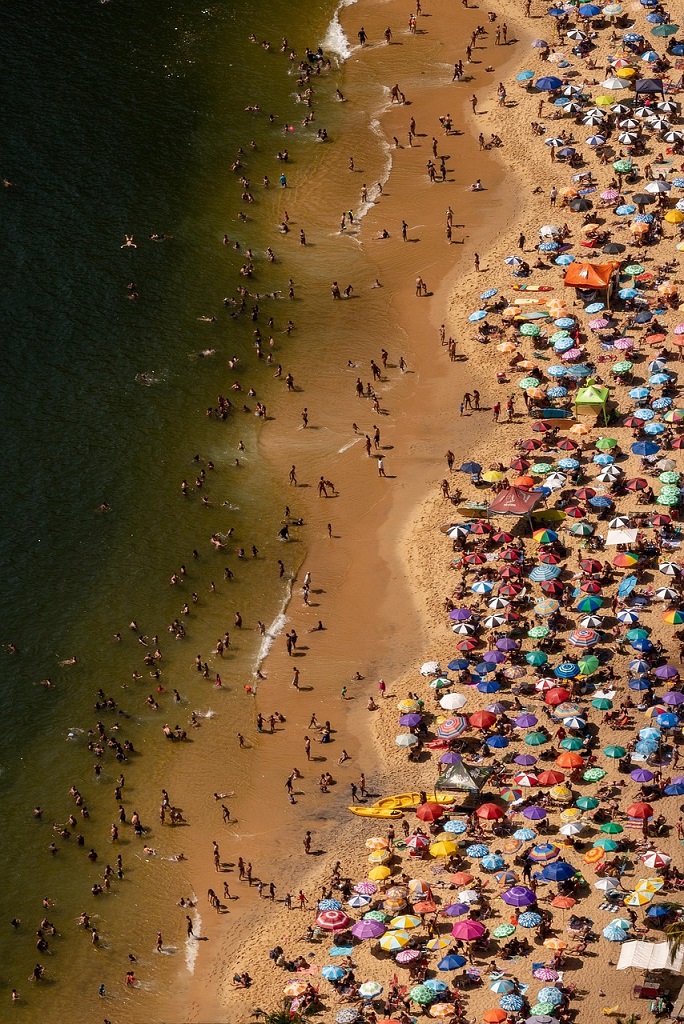 Osvaldo Cardosa
Currently, more than 122 million Brazilians, 56% of the population of 218.5 million inhabitants, consider themselves black or mixed race. With such a figure, the country boasts the largest number of people of African descent outside of Africa.
Their influence runs through all aspects of social and cultural life, moulding what is recognised as the very essence of modern Brazil.
In music, rhythms like the samba, bossa nova, maracatú, axé and funk have deeply Afro-Brazilian roots. In gastronomy, dishes like acarajé and feijoada are a living testament to the cultural fusion that the African people brought with them.
Practices like the candomblé and umbanda keep ancestral spirituality alive in the religious sphere.
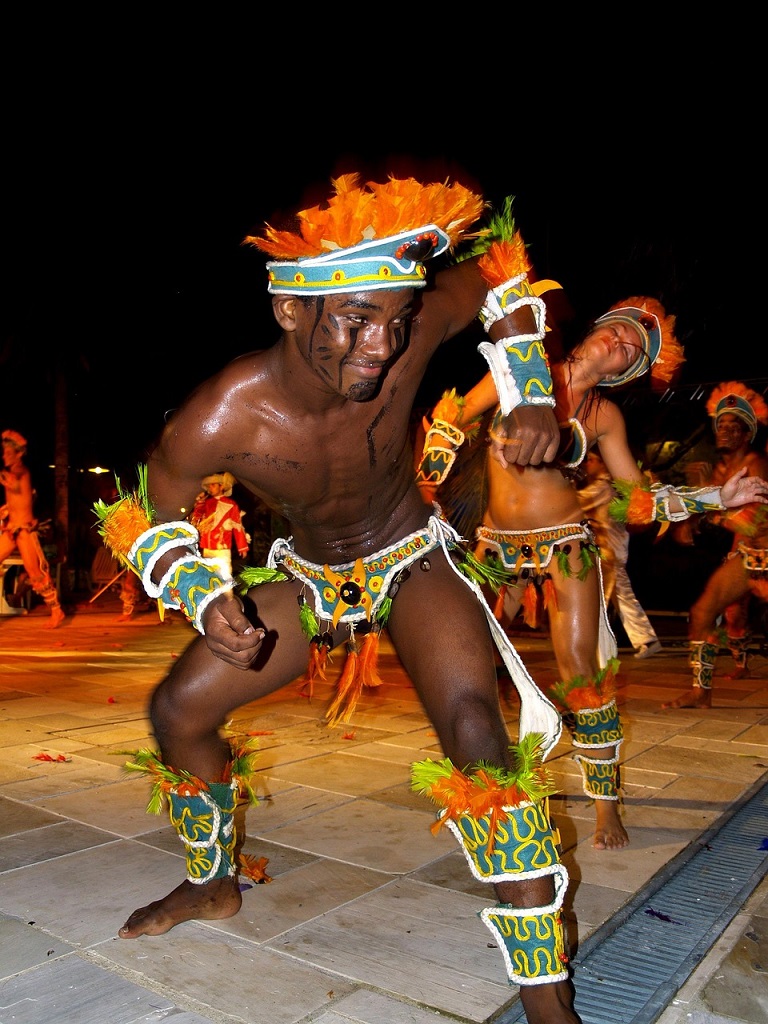
Even during Carnival, the most emblematic festival of the South American giant, the importance of the Afro-Brazilian samba schools is undeniable. Nevertheless, it has a history of pain. From the 16th to the 19th century, men, women and children were uprooted by force from their homelands to build, with blood and sweat, the wealth of a nation that, even today, is facing the consequences of this founding violence.
The impact of this history is deeply embedded in social structure. People of African descent, despite their immense contributions, continue to face huge inequalities.
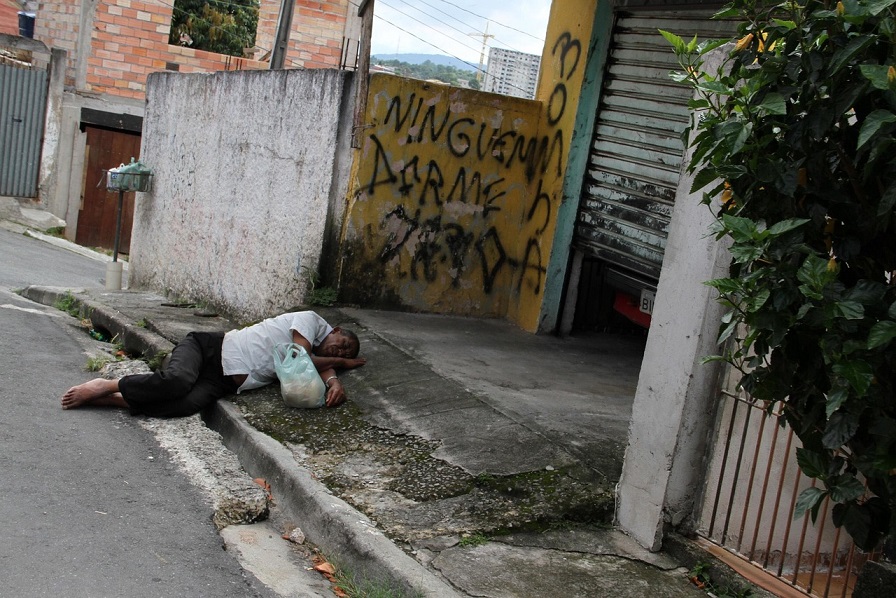
There are still significant gaps in accessing education, the job market and health services. Structural racism permeates all levels of society and police violence keeps targeting young black people as the main victims.
 In an exclusive statement to Escáner, the renowned historian, Ana Paula Vianna Zaquieu confirmed that the recognition of the contributions of people of African descent, and the denouncement of racial discrimination, are urgent tasks.
From her position as head of the Museum of the Republic’s Education Centre, Vianna Zaquieu is working to insert the black narrative into the official memories of Brazil. Located in the historic Catete Palace in the city of Rio de Janeiro, the art gallery is an eloquent symbol of the selective memory that has tried to erase African presence from the history of the nation. Constructed in 1857 by a coffee magnate, made rich thanks to the ave trade, the property later became the headquarters of the Presidency of the Republic, between 1897 and 1960. Its neoclassic architecture reflects the Brazilian elite’s fascination for European values, then considered to be the model to follow for a country aspiring to be recognised as civilised.
Internally, the absence of representations of black and indigenous peoples reveals a conscious project of whitewashing and historic exclusion.
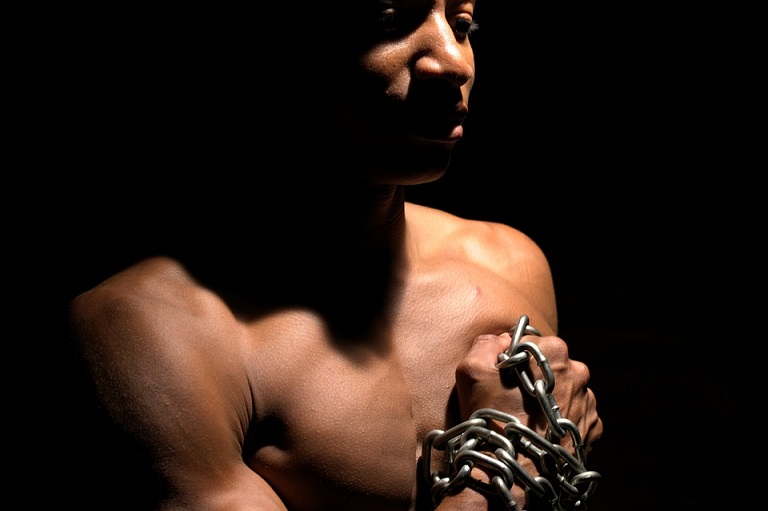 Vianna Zaquieu points out that this attempt to erase the memory of African descendants is clearly evident in the museum’s long-term exhibition circuit.
Objects, decorations, portraits and texts strengthens the image of a modern, white and European nation, deliberately hiding the racial diversity that it contains.
This strategy, she explained to Escáner, was neither casual nor innocent, but part of a sophisticated mechanism for constructing a national identity that relegated the people of African descent to invisibility. The role of the Brazilian state in perpetuating racism is, for Vianna Zaquieu, undeniable. Through its institutions, its public policies (or lack thereof), and its security forces, the State has historically contributed to reinforcing racial inequalities. This perpetuation is currently expressed in forms of religious, environmental and institutional racism. However, among all the expressions of racial violence, the scholar highlights something especially painful: the genocide of black youth.
The figures are terrifying: every 23 minutes, a young black person is murdered in Brazil. This reality, that should cause national outrage, passes almost unnoticed.
 The normalisation of these deaths evidences the level of dehumanisation that people of African descent have been subjected to.
Vianna Zaquieu, as the mother of a young black son, experiences this threat personally every day.
Escáner was particularly reminded of the case of João Pedro, a 14-year-old boy murdered in 2020 during a police operation in Rio de Janeiro.
Pedro was playing at home when he was shot in the back. The officers involved were absolved in 2024 without even being tried in court. This incident illustrates how the judicial system also contributes to the impunity and maintenance of structural racism.
Public policies
Despite the seriousness of the situation, Brazil is trying to set up policies for reparation. Since 2012, racial quotas have been implemented in public universities, seeking to widen access to higher education for people of African descent. At the same time, legislation demanded the inclusion of African and Afro-Brazilian history and culture in school curriculums. Nevertheless, the execution and the results of these policies continue being the object of criticism and debate.
The endurance of Afro-Brazilian communities continues to be vital to building a fairer and more diverse country. PL
(Translated by Donna Davison – Email: donna_davison@hotmail.com) – Photos: Pixabay










.jpg)












