
The title of this book, “Small earthquakes”, comes from the probably apocryphal story about the title that won a competition, among bored sub-editors on the Times, for the dullest newspaper headline that would make it into print: it was won with ‘Small Earthquake in Chile. Not many dead’.
 Sean Sheehan
The small earthquakes recounted by Shafik Meghji are stories about Britain’s connections with Argentina, Chile and Uruguay. One of them, the Falklands War of 1982 with Argentina, was a conflict that Jorge Luis Borges described as “a war between two bald men fighting over a comb”. Meghji recycles the quote and mentions how Margaret Thatcher, the UK prime minister at the time, benefited enormously with a surge in popularity. He does not dwell, however, on the perfidious politics of an event that needlessly cost more than 900 lives.
Most of Meghji’s material about British involvement in South America is about the more distant past and recounts a history now mostly forgotten. Through a journalistic lens that focuses on unexpected, startling and sometimes shocking narratives, he makes it all fascinating and worth telling. What helps to make the book a very enjoyable read is his first-hand experience as a travel writer. Having travelled to the places he writes about, there are personal accounts of what he sees that bring his stories alive.
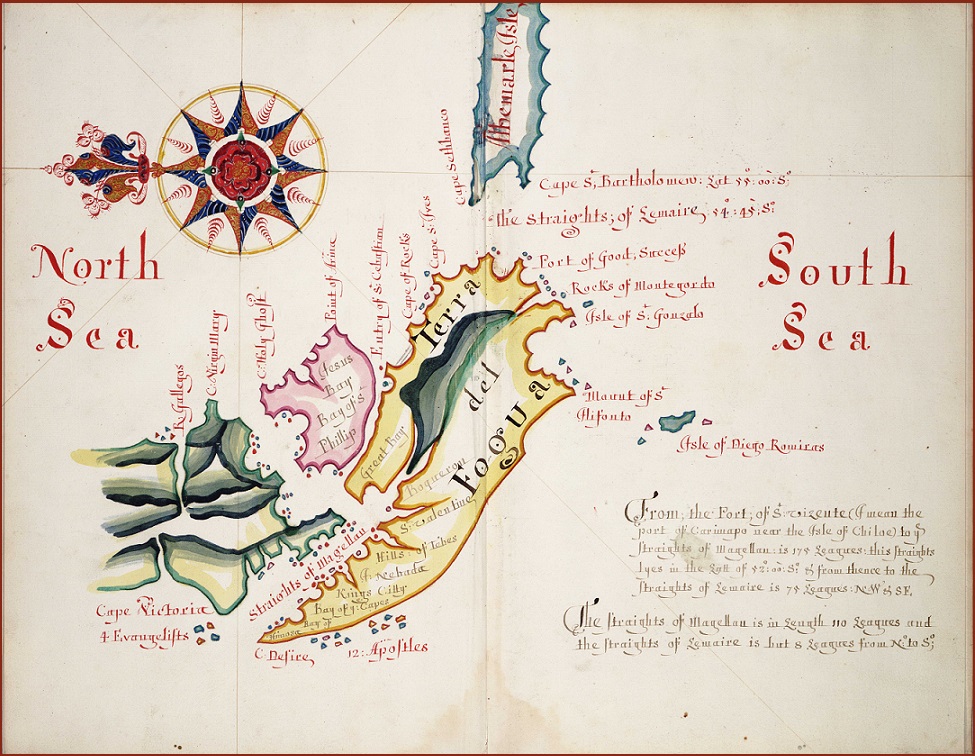
For anyone not familiar with the territory he covers, the chapter about Tierra Del Fuego – “End of the world” – may inspire you to want to go there. The description of what lies across the Strait of Magellan makes it alluring: “a labyrinth of sparsely populated islands, rocky outcrops and serpentine channels before dissolving completely into the Southern Ocean… one of the world’s last surviving wildernesses, a realm of shimmering glaciers, jagged massifs, evergreen forests and meandering coastlines.” He thinks it unlikely that Francis Drake, the English explorer who circumnavigated the globe in the 1570s, made it as far south as Cape Horn.
Drake was a privateer and like many of the individuals who went to South America his interests were more entrepreneurial and less about pursuing a love of knowledge. Often though, as with the setting up of a factory in Uruguay in the late nineteenth century, science and commerce came together. A booming leather industry on the Pampas left meat to rot in a pre-refrigerating era but a German scientist developed a process for making a concentrated meat extract and the factory proved hugely successful. The meat extract led to a liquid extract that was solidified into cubes – known as Oxo – as well as tinned corned beef (Fray Bentos), a product that became a staple item for working-class people across Europe.

Other parts of this wonderfully informative book cover the Welsh settlement in Patagonia, ecocide in Rapa Nui, Atacama in northern Chile and the British community in Valparaíso that abruptly ended with an earthquake in 1906 (more than 9,000 died; ‘not than many’!).
“Small earthquakes: A journey through lost British history in South America” by Shafik Meghji is published by Hurst.










.jpg)













