
It is now two years since his arrival at the Carondelet Palace and President Daniel Noboa is facing his most complicated political moment. The third year of his leadership has begun with question marks over his leadership, his strategy and his ability to resolve the crises he is facing.
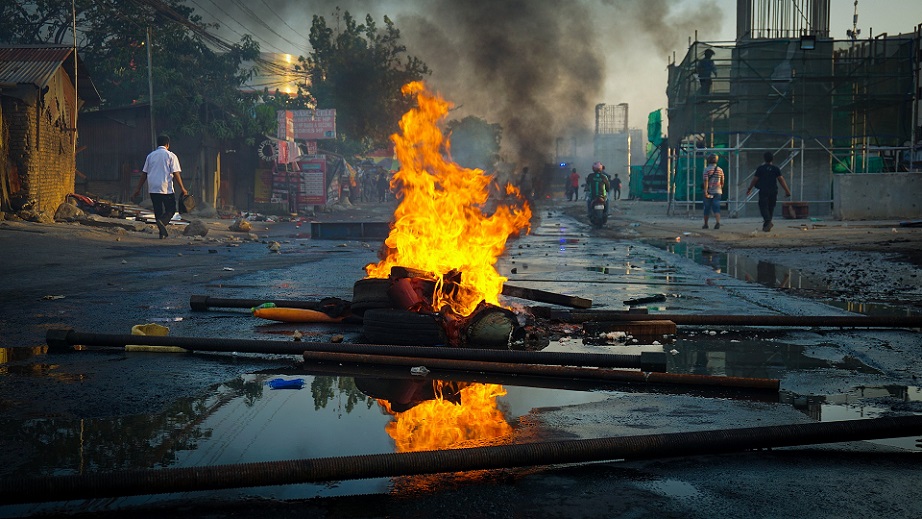 This failure has rendered the leader silent, without public appearances and with a hermetic visit to the United States without anyone knowing what he went for or who he met.
Government circles hoped for a triumph to consolidate the so-called “new Ecuador”, but popular rejection of the four questions on the ballot paper wrecked the narrative of success that the government was trying to sustain after not giving in to demands made by the indigenous movement through its national strike. Noboa became president on the 23rd of November 2023 after the early exit of his predecessor, Guillermo Lasso, and began his second term on 24th May 2025. At first, there were great expectations with strategies against the security crisis through the ‘Plan Fénix’ which was never set out in detail and is no longer spoken about, while the number of murders grew leading 2025 to be the most violent year in the country’s history.
Faced with soaring rates of organised crime, Noboa declared the existence of an internal armed conflict against the criminal gangs, a measure that promotes militarisation and which has justified successive states of exception, along with the presence of military personnel in prisons.

However, in this context, there has been an increase in cases of abuse by soldiers and complaints of forced disappearances which, according to human rights organisations, have reached 43.
One of these cases is that of the four young people from the Las Malvinas district of Guayaquil, murdered in December 2024, after being detained by members of the Air Force.
In Noboa’s two years there have been plenty of broken promises, for example he was not supposed to raise taxes yet with parliamentary support he managed to increase Value Added Tax (VAT) from 12 to 15%, supposedly to finance operations against insecurity.
In a first referendum, in April 2024, Ecuadorians accepted nine questions put forward by the president related to security but rejected two, considered key for his administration: part-time work and international arbitrage.
In the legislative sphere, Noboa managed to get laws approved with such striking names such as Economic Efficiency, the “no more power cuts” law and the Savings and Monetisation law, which so far don’t seem to have made an impact.
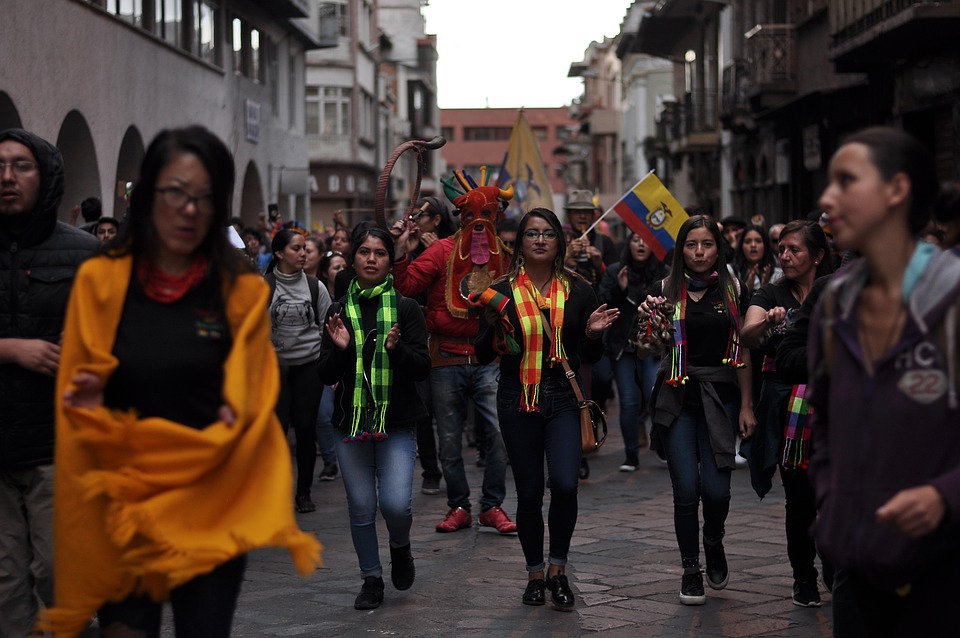
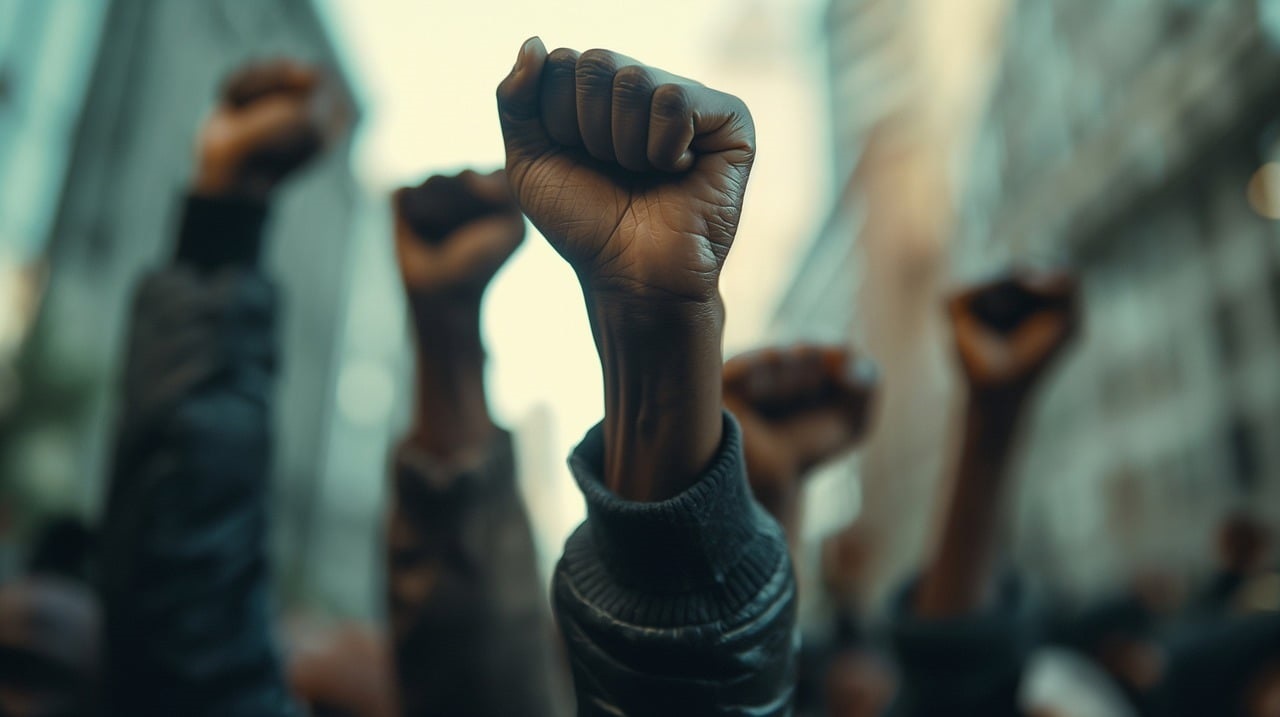 His political capital was eroded when the economic measures began to affect ordinary people, especially the elimination of the diesel subsidy which caused the national strike led by the Confederation of Indigenous Nationalities of Ecuador. The protests, which lasted from 22nd October until 22nd November, led to economic losses, over one hundred arrests, three deaths and a series of denouncements of human rights violations due to repression.
Daily 14-hour power cuts, the assault on the Mexican embassy to arrest former vice-president Jorge Glas, a conflict with his former deputy, Verónica Abad, and over 30 trips abroad, mostly to the United States, his country of birth, are some of the topics that have marked Noboa’s presidency.
The most notable items in foreign affairs are the Head of State’s changes to some of the country’s historic positions such as the turnaround in support for the Palestinian cause, the severing of relations with the Sahrawi Arab Democratic Republic and the abstention at the UN over the United States’ blockade of Cuba.
Domestically, the instability of his cabinet is notorious. There have been over 30 ministers in two years with portfolios such as Health in permanent rotation in the midst of criticism for lack of supplies, medicines and payments to suppliers.
 An agreement with the International Monetary Fund, signed by the government for a loan of 5 billion US dollars over four years, shows Ecuador’s economic direction, with the end of the diesel subsidy and other cutbacks, while informal employment dominates. pl
(Translated by Philip Walker – Email: philipwalkertranslation@gmail.com) – Photos: Pixabay










.jpg)












