
Bullets, cordons and bodies have marked a state offensive which treated the favelas as if they were enemy territory. Decades of neglect, lack of public policies and turf wars against the poor, fuel a cycle of violence which does not reduce crime and further deepens social breakdown.
 Frei Betto
The Comando Vermelho (Red Command) known as CV, wreaked terror and the State responded with the same barbarity: bullets, siege and scattered bodies. Afterwards, 121 lives were lost, including four police officers. Not one of the deceased appears in the Rio de Janeiro Public Prosecutor’s Office complaint that prompted the operation. This happened last year.
By Friday night, 109 bodies had been identified. Most belonged to fugitives and CV members from other states: 78 had criminal records for drug trafficking, robbery and murder; 43 had arrest warrants; 39 were from other states. Thirty of the identified dead did not even have criminal records. All of them, guilty or not, were swept up in the same spiral of violence that has turned the city into a war zone. The Gaza of the tropics!
These deaths did not start on the day of the massacre. They began decades ago, when neglect was officially sanctioned as public policy. They began when the right to peace was privatised and security was outsourced to factions. They began when the State replaced social assistance with war, school with prison, dialogue with guns.
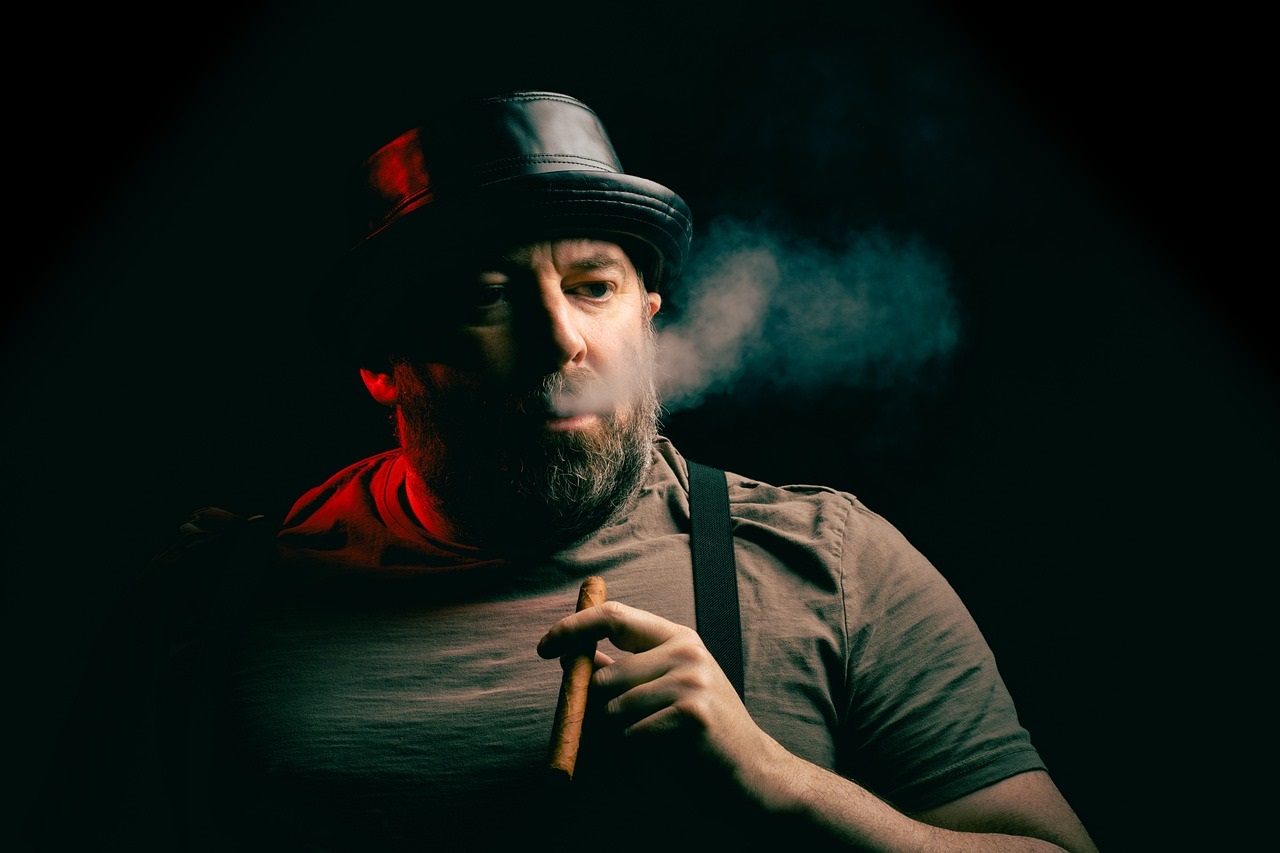 Drug trafficking does not appear out of nowhere. It is born where the State has never cultivated hope. It grows in the absence of public policies, flourishes between cracked walls and squalid alleyways, and feeds on injustice and humiliation. The factions are a distorted reflection of Brazilian capitalism: hierarchical, violent, thirsty for profit and control. The drug trafficker is the entrepreneur of ruin, and the consumer in affluent neighbourhoods is their invisible investor.
There is nothing to celebrate here. An operation which ends with 121 deaths is not a victory, it is a defeat for civilisation. The State cannot fight crime by reproducing its own rhetoric. With every police raid in which the favela is treated like enemy territory, the distance between public authorities and the people grows. Peace cannot be built on the bloodstained ground of the suburbs.
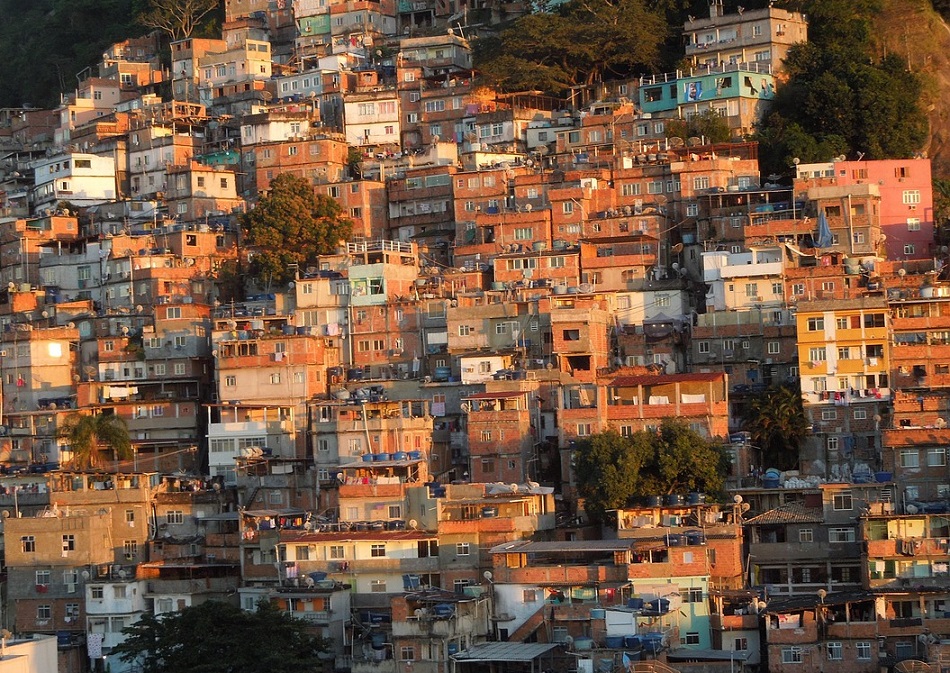
Drug trafficking is undoubtedly a scourge. And it thrives where the State has never provided security to residents or implemented public policies. The 1,900 favelas in Rio de Janeiro suffer from a shortage of schools, health services, transport, culture, sports activities, employment and life expectancy. Factions fill the void, left by decades of government neglect. They are the perverse reflection of a system which excludes, humiliates and criminalises the marginalised. Drug traffickers are often the end product of a policy that traded rights for weapons and social policies for media operations.
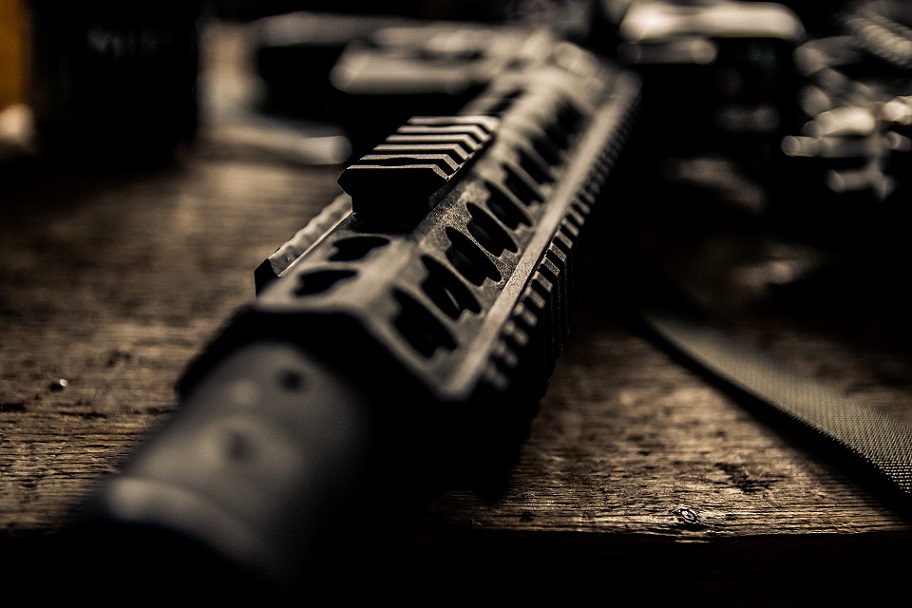 Violence has become routine and brutality has been institutionalised. The government speaks of ‘security operations,’ but what security is there in machine-gunning entire communities? Public security in Rio has become the management of bodies. With each massacre, the same narrative is repeated: promises of ‘rigorous investigation,’ cold government statements, and a silence which engulfs the city when the TV cameras leave.
Scholars of the subject unanimously agree that a faction is not destroyed with a rifle, but with public policies. The war on drugs fails because it is not a fight against drugs, but a war against poverty. With each death, the favela becomes even more vulnerable. Drug trafficking gets reorganised and the cycle continues. The real enemy is not the armed youth, but the absence of the State which pushed them to it.
Rio, besieged and burned, is witnessing the collapse of its greatest riches: tourism, its beautiful landscapes and the good humour of its “Carioca” people. No city can survive when death is routine and injustice persists. Beauty alone cannot feed people, and the picturesque postcards lose their charm amidst the pain.
But there are those who resist. Mothers who bury their children and still raise placards in the squares. Citizens who film, denounce and document. People who, in the midst of fear and grief, still believe in life. These are the guardians of the Rio that remains, the Rio that never gives up.
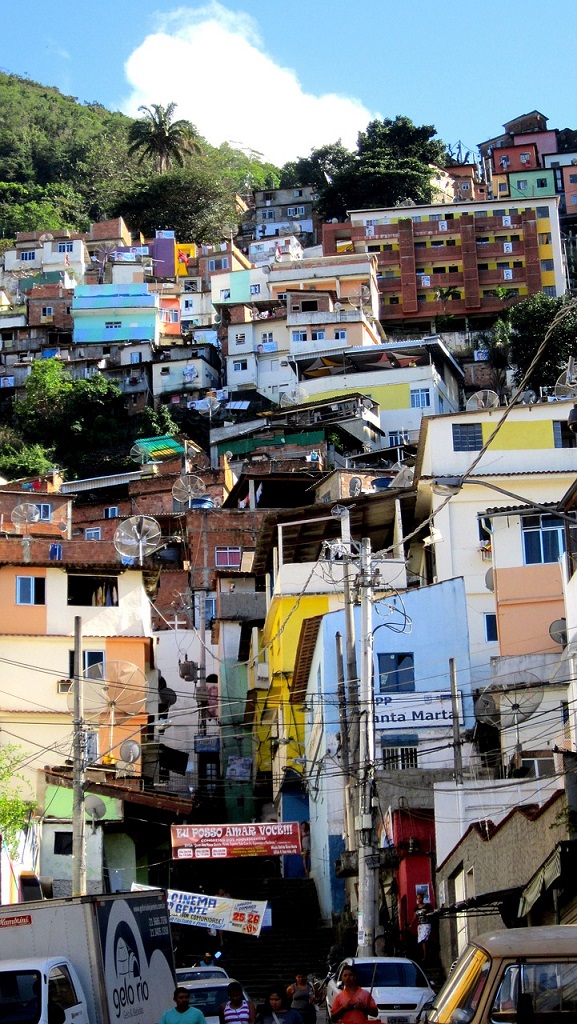 The 121 deaths are not just statistics. They are a reflection of a country that has lost its way, confusing justice with revenge and security with extermination. Brazil must choose between counting the bodies of victims of urban violence, or finally govern for the lives of its people.
There will only be peace when the State enforces rights, not death. There will only be a future when the favela ceases to be enemy territory. Rio de Janeiro will only exist again when the city remembers that it consists of people and that people are not disposable.
For whom do the mothers of murdered teenagers weep? They weep for the dreams they see shattered by police brutality and the misguided belief that crime is the path to a better life. Above all, they weep for a country that has lost its sense of justice.
The adage, ‘the only good criminal is a dead criminal’ represents barbarism disguised as justice. It denies the rule of law, disregards human dignity and replaces the law and rights with revenge. By advocating for murder instead of rehabilitation and the fight against the root causes of drugs and arms trafficking, this mentality strengthens the violence it claims to combat, and weakens civilised society itself. PL
(Traducido por Susan Seccombe) – Photos: Pixabay










.jpg)












