
Recent figures demonstrate a persistent pattern of child violence in the Dominican Republic. The cultural acceptance of physical punishment, the fragility of the systems of protection and the limited use of trustworthy information hinders public actions capable of preventing serious and repeated harm. More than 63% of girls and boys between 1 and 14 years old have been victims.
 Mariela Pérez Valenzuela
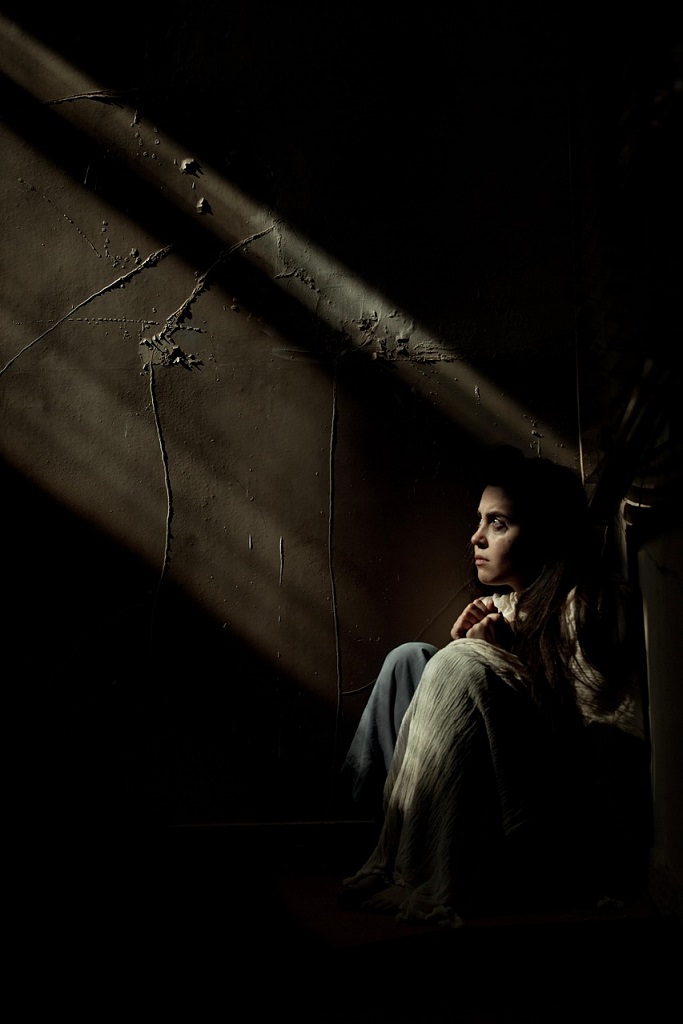
Violence against children and adolescents in the Dominican Republic continues to be one of the most persistent expressions of social inequality and institutional fragility in the Caribbean.
Far from being isolated incidents, recent figures confirm that child abuse remains a daily occurrence, normalised in family and community surroundings.
A report by the United Nations Children’s Fund (UNICEF), focused on the topic of children’s rights in the face of violence in this country, revealing that more than 63% of minors between 1 and 14 years old have been subjected to aggressive methods of discipline in the home.
The prevalence increases even at younger ages: in children aged 3 and 4, it reaches 70%, which reflects a worrying cultural acceptance of the practice of physical punishment and humiliation as supposed educational tools. This scenario raises a key question for political policies: How to effectively protect children when what many consider an acceptable punishment is replicated in what should be their safest spaces?
Normalisation and extreme consequences
Even though many forms of child intimidation are expressed through daily acts of beating, negligence and degrading discipline, their most extreme manifestations are also cause for concern.
According to UNICEF’s report, “Analysis of the Situation of the Rights of Children and Adolescents in the Face of Violence in the Dominican Republic”, between 2018 and 2022, at least 212 minors were victims of intentional homicides, and 33 cases were recorded just in 2022 alone.
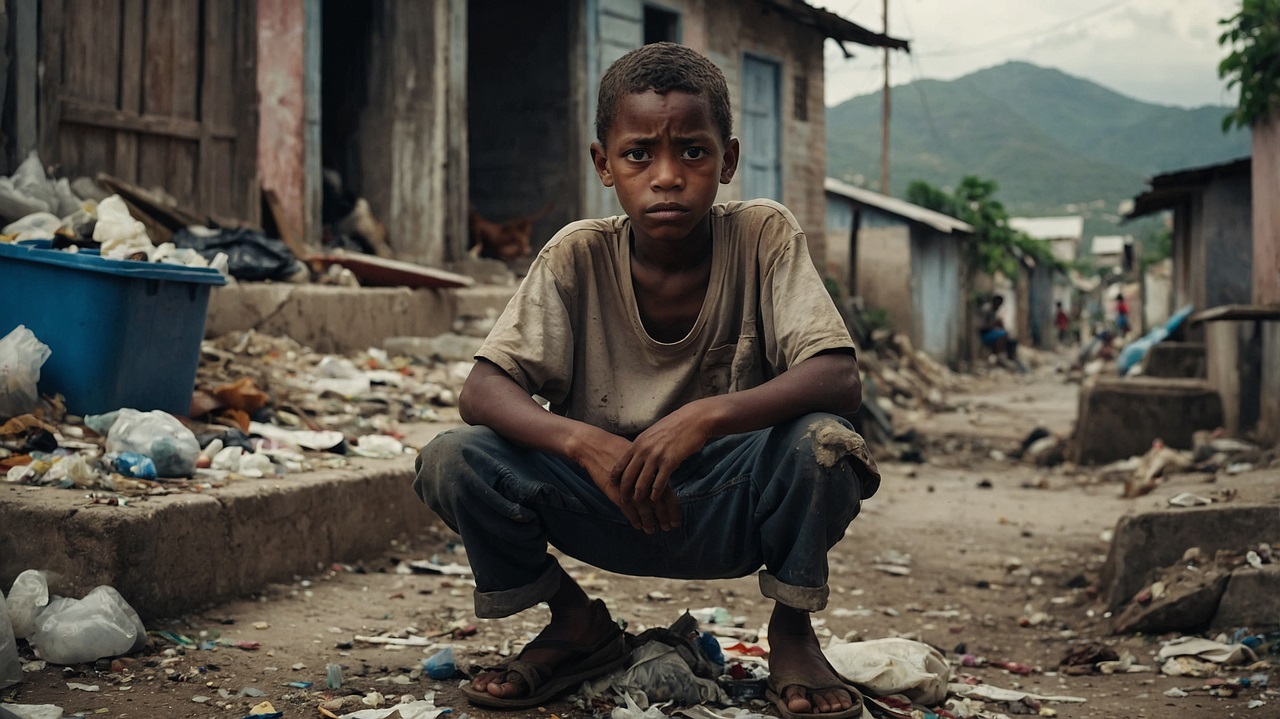 These figures are evidence that this attitude towards children does not only affect their emotional wellbeing and psychological development, but it can also escalate to lethal forms when the State and protection systems fail to intervene in time.
Carlos Carrera, a representative of UNICEF in the Dominican Republic, warns that the normalisation of this situation is exacerbating the harm. “Without strategic and reliable information, the country will continue to react too late to a problem that demands prevention, sustained institutional coordination and the political will that translates into concrete actions,” he stated.
Protection under pressure
The available data shows constant signs of alarm.
More than 3,400 children and adolescents were sheltered in protective housing between 2018 and 2023, alongside thousands of women who were victims of violence.
This confirms a pattern widely documented in Latin America: domestic violence not only hurts women; it also directly exposes children to environments of risk.
 In healthcare, the almost 45% increase in cases of physical abuse in children under the age of five between 2021 and 2022 reinforces the urgency of acting with more robust methods of prevention.
Fragmented data, limited answers
One of the points highlighted by UNICEF and Iberoamericana University (UNIBE) is the structural weakness in the production and use of information. Fragmentation, low comparability and limited utilisation of the available data is preventing public policies from responding effectively in proportion to the magnitude of the problem. In this context, academia appears as a key player. The dean of UNIBE, Odile Camilo Vincent, emphasises that generating rigorous and opportune evidence is part of institutional responsibility to protect fundamental rights.
The creation of an articulated network of research institutions seeks, specifically, the transformation of scattered statistics into tools of public action: budgets, programmes and systems of monitoring that allow intervention before the transgressions take place.
 “Academics have the responsibility of producing useful and opportune evidence that contributes to public decisions capable of effectively protecting children and adolescents”, Camilo Vincent stated.
A regional debt
Although the case of the Dominican Republic has cultural and institutional particularities, the phenomenon is part of a regional challenge: The persistence of violent models of child-rearing, insufficient protective systems and the lack of sustained policies based on evidence.
The “Data Counts” campaign, driven by UNICEF, is specifically trying to break the statistical and political silence surrounding these practices. In societies where physical punishment is still justified as discipline, bringing the problem to light is the first step towards its eradication.
Data and political will
Violence against children is not just a technical challenge or an unavoidable cultural problem. It is a human rights violation that requires political will, institutional coordination, and sustained responses.
 Without solid and well-articulated evidence, this social phenomenon will continue to be silently replicated.
Turning data into action is now an urgent responsibility to ensure that every child can grow up free from fear, abuse, and neglect. PL
(Translated by Donna Davison. Email: donna_davison@hotmail.com) – Photos: Pixabay










.jpg)












