
Two major retrospectives bring Colombian painter Beatriz González and Venezuelan-US-American sculptor Marisol Escobar to international audiences, with González’s exhibition currently on show at the Barbican Art Gallery in London until 10 May 2026.
Kennedy Ogenna
This duo, who helped shape the Pop Art movement are receiving long-overdue international recognition. Beatriz González, born in Bucaramanga, Colombia, in 1938, and Marisol Escobar, born in Paris in 1930 to Venezuelan parents and who died in New York in 2016, are the subjects of major retrospectives currently drawing audiences across Europe.
González’s exhibition is on show at the Barbican Art Gallery. González died in January 2026 at the age of 93, just one month before her Barbican exhibition opened. The painter came of age during La Violencia, the period of intense political conflict that defined mid-20th century Colombia. Initially trained in the classical tradition, drawing on Vermeer and Velázquez, she later turned to mass media imagery as her primary source material, using bold colours and flattened figures drawn from newspapers and magazines to document the social and political reality of her country.
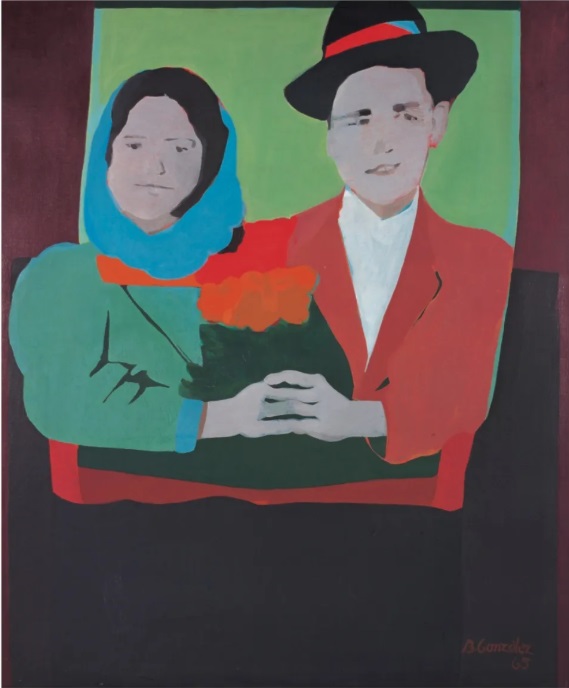
Her most recognised works, The Sisga suicides I, II and III (1965), marked her definitive break from traditional painting. The series was inspired by a press photograph of a young couple who died by suicide after jumping from the Sisga dam outside Bogotá.
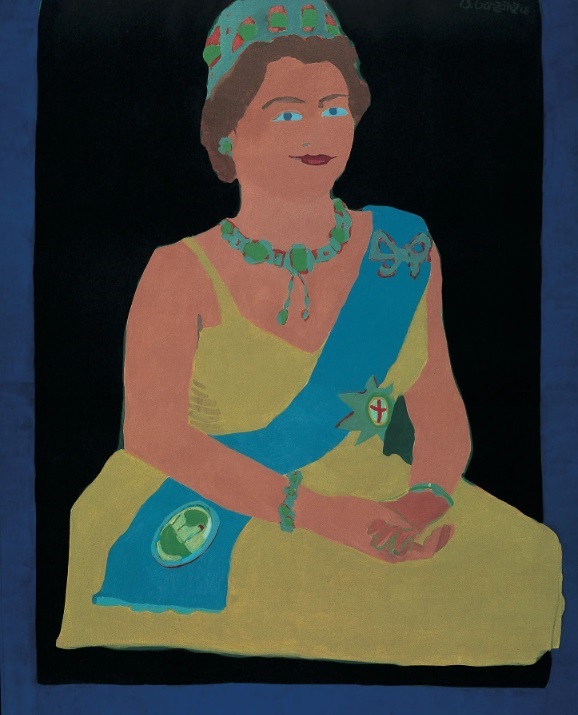
The poor reproduction quality of the image in local newspapers drew González’s attention to the distortion and simplification of the human figure, which became central to her visual language. González has described her practice as “underdeveloped painting for underdeveloped countries,” a phrase that encapsulates her politically engaged and self-aware approach to art-making in a Latin American context.
A screening of the documentary Beatriz González, “Why are you crying” will take place at the Barbican Cinema on 27 April 2026, offering audiences a closer look at the artist’s life and practice.
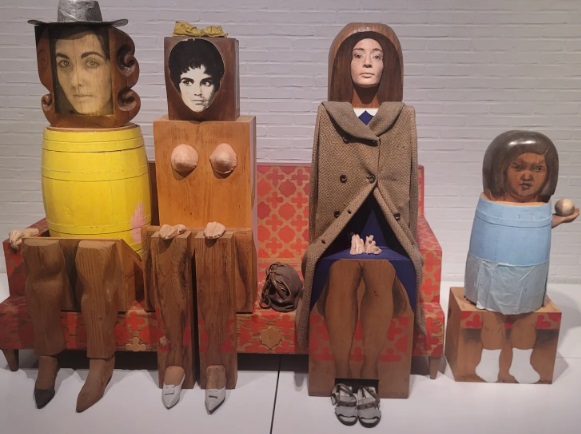
The second retrospective focuses on Marisol Escobar, the Venezuelan-American sculptor who became one of the most prominent figures in the New York art world during the 1960s. Born María Sol Escobar in Paris in 1930 to Venezuelan parents, Marisol spent much of her formative and professional life in the United States, where she developed a distinctive sculptural practice combining carved and painted wood with casts of her own body to create large-scale figurative works.
Her 1966 solo exhibition at the Sidney Janis Gallery in New York drew thousands of visitors, and her work entered major institutional collections including the Museum of Modern Art.
She also received significant public commissions, and one of her sculptures is permanently installed in the United States Capitol’s Statuary Hall. Despite her prominence during the height of the Pop Art movement, critical attention on her appearance and background often overshadowed discussion of her work.
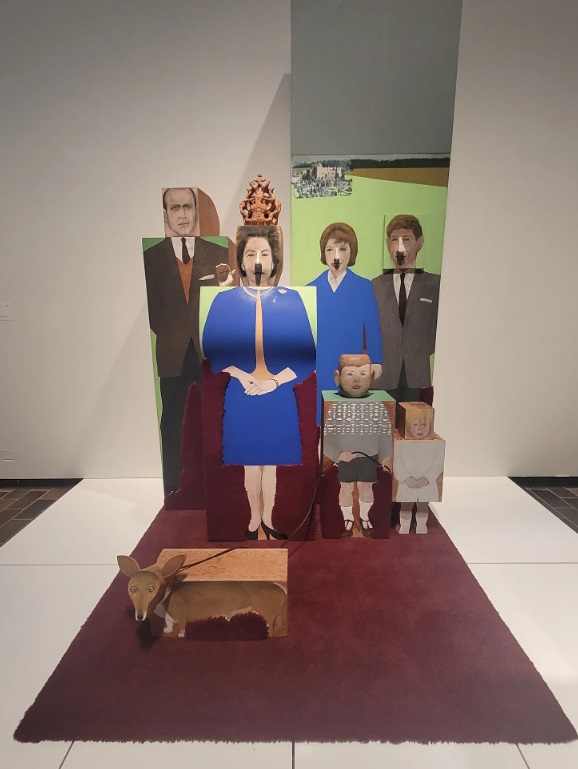
The Marisol retrospective ran at Denmark’s Louisiana Museum from 1 October 2025 to 22 February 2026. The show travels next to Rotterdam’s Museum Boijmans Van Beuningen, opening on 9 October 2026 and running until 29 March 2027.
Together, the two exhibitions represent a significant moment of institutional recognition for two Latin American women artists whose contributions to Pop Art remain historically invaluable.
Beatriz González is on show at the Barbican Art Gallery, London, until 10 May 2026. A screening of Beatriz González, “Why are you crying” takes place at the Barbican Cinema on 27 April 2026. Marisol: A Retrospective opens at Museum Boijmans Van Beuningen, Rotterdam, on 9 October 2026.
More information: Museum Boijmans Van Beuningen and Barbican Art Gallery.
(Photos supplied by Argentine Film Festival London)










.jpg)












