
The bunker business has stopped being a marginal extravagance and become an international market in expansion, fed by the fear of wars, climate disasters and global threats. Technological entrepreneurs, public figures and even members of the US political sphere have invested millions in those subterranean refuges.
Roberto F. Campos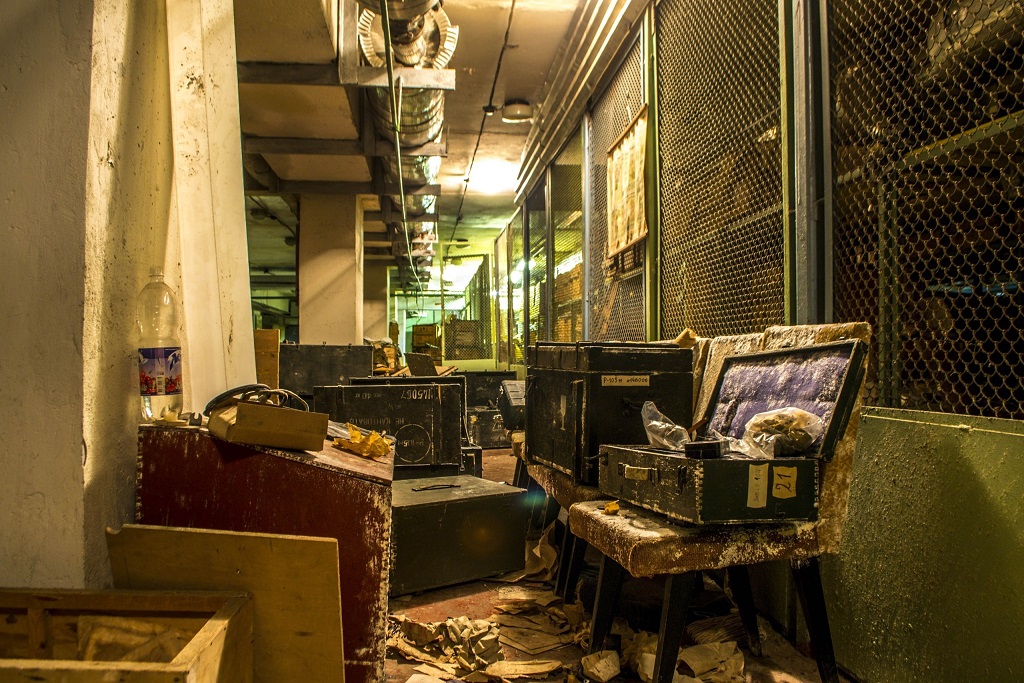
In an increasingly turbulent world, where wars are fought with missiles and nuclear powers change the tone, a business based on hiding is growing: that of protective bunkers.
What was once a symbol of paranoia during the Cold War has turned into a prosperous industry that turns over billions of dollars, with clients ranging from tech tycoons to members of the White House cabinet. In Sulphur Springs, Texas, the Atlas Survival Shelters business has turned into the epicentre of this subterranean frenzy. Its founder, Ron Hubbard, aged 63, describes it bluntly: “The respect and the demand for the product is really at an all-time high right now, like I’ve never seen it before.”
Since the escalation of the conflict between the US and Israel against Iran at the end of February 2026, enquiries have gone up tenfold. “I’ve been inundated with calls,” Hubbard confesses.
The company, which turns over about $2 million a month, foresees this figure skyrocketing to $50 million next month. “I expect to see my sales surpass probably the previous three years in the next two months,” he added.
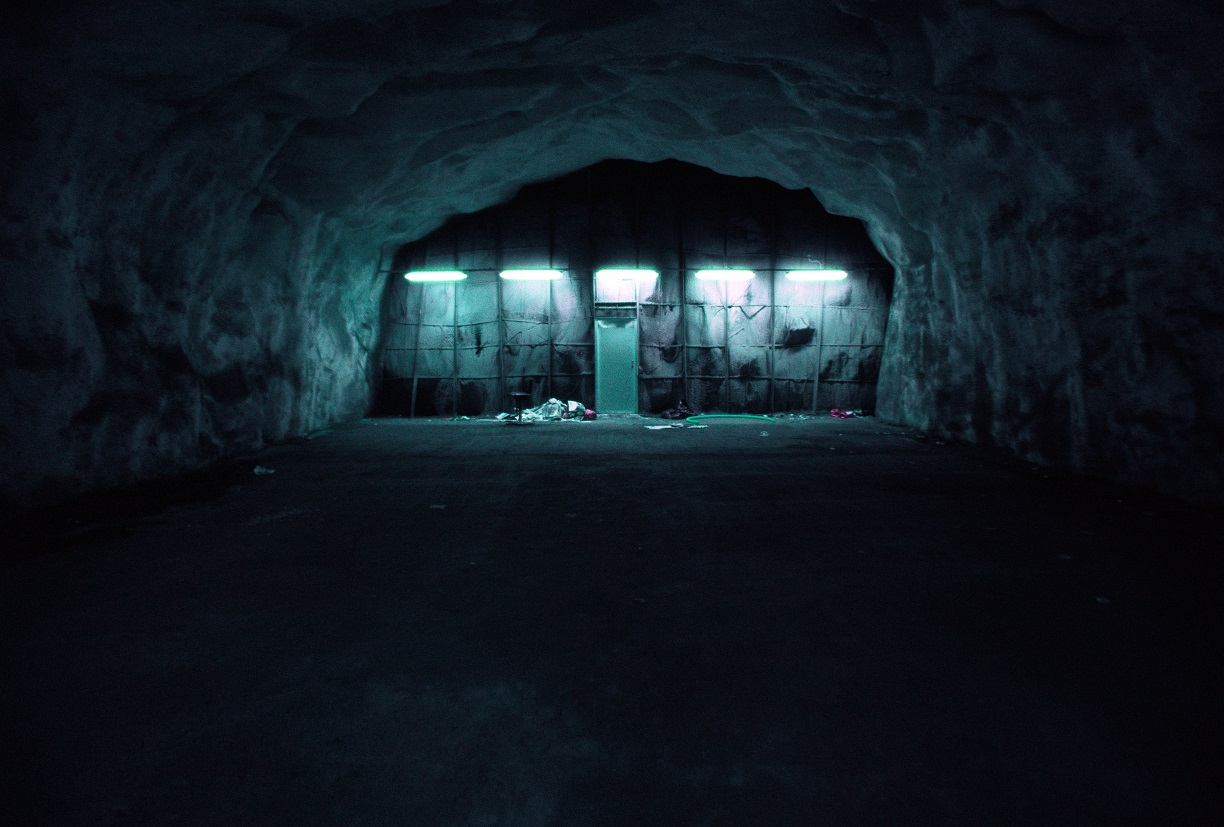 However, it is not just about fears based on geopolitics. The surge in bunkers, which market researcher, UnivDatos, projects will grow at an annual rate of 7.79% until 2033, corresponds to a confluence of threats, including uncontrolled artificial intelligence.
It also encompasses cyberattacks; pathogens designed in a laboratory; and climate change.
The bunker market is no longer exclusively for multi-billionaires. The price range is as wide as the benefits: Let’s see…. Basic models: A bunker for four people, designed to withstand a week underground, costs around $25,000. Low-cost options, such as prefabricated bunkers for two people, can be found for around €15,000 in the European market.
At the opposite end of the spectrum, the installations can exceed $5 million. These are designed for stays of years, not days, and include living rooms with a television, bedrooms, kitchens, laundry rooms, hydroponic growing systems, swimming pools, and even music rooms and shooting ranges.
The key is technology: hermetic doors, decontamination chambers and manually operated ventilation systems (with a handle, like old cars) are standard on their models.
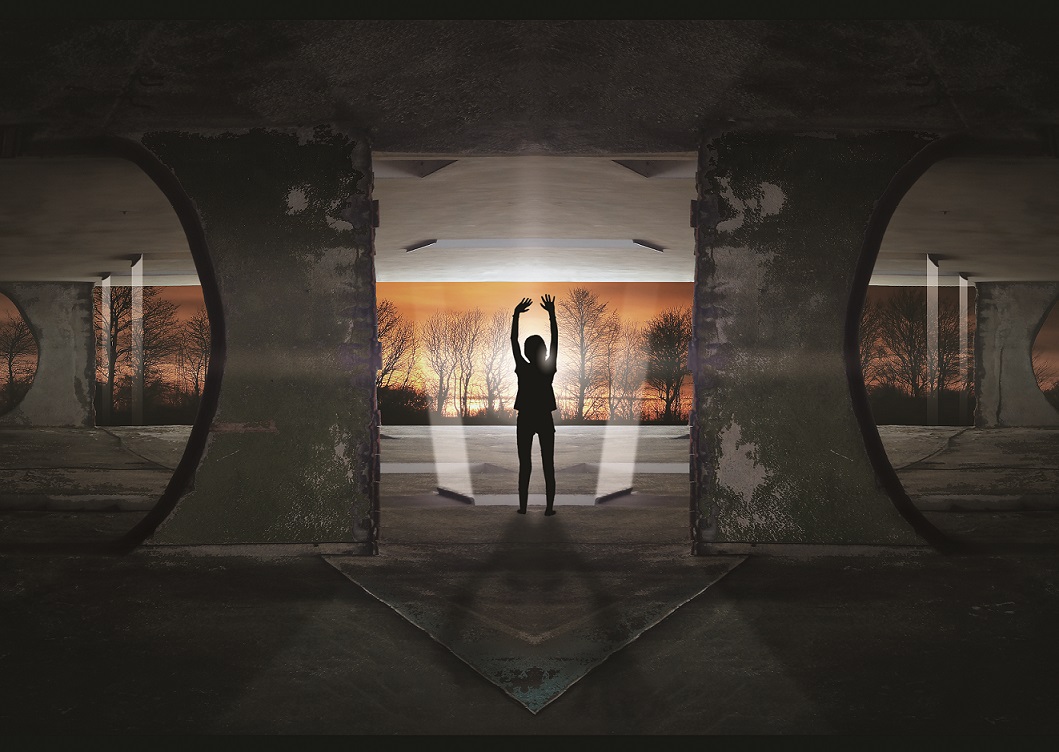 Bunker Buyers
The client profile is diversifying, but some names powerfully stand out.
Among the high-profile clients, Hubbard confirms that at least two members of President Donald Trump’s cabinet recently acquired one of their bunkers.
Although he doesn’t reveal their identities, this fact reflects that the fear of total war has even penetrated the highest levels of power.
Furthermore, public figures such as tech tycoon Mark Zuckerberg (who ordered a design from the company), socialite Kim Kardashian, and influencers Andrew Tate and Mr Beast have publicly acknowledged that they have these shelters.
The demand does not just come from the United States. There are very active clients in Gulf countries like Bahrain, Qatar, Kuwait and the United Arab Emirates.
While for some it is a reasonable insurance policy, for disaster experts and anti-nuclear activists it is a dangerous illusion. The U.S. Federal Emergency Management Agency (FEMA) maintains that bunkers are not necessary for the general population.
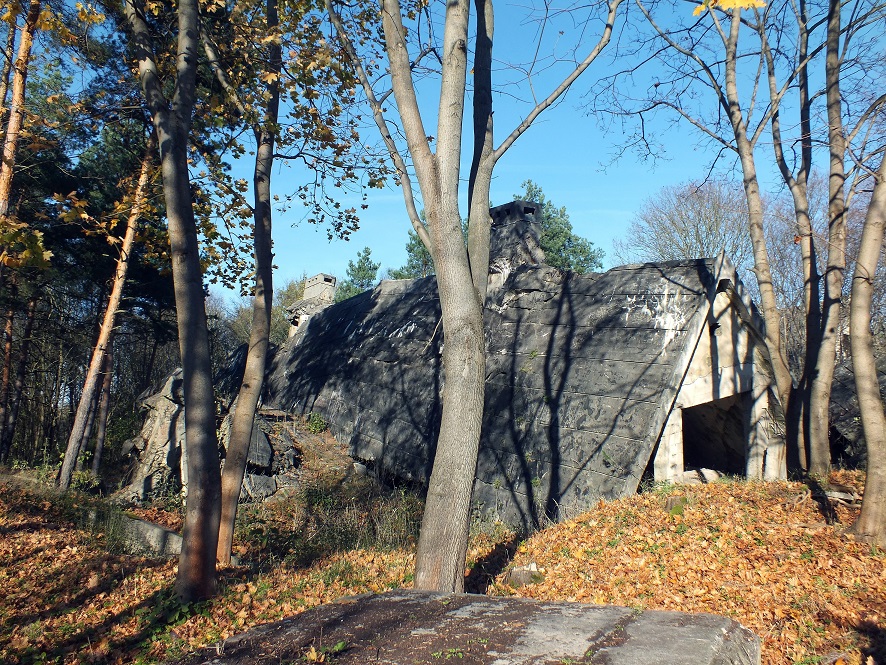 In its 100-page guide on responding to a nuclear detonation, the agency recommends simply entering and staying inside the most robust building available, ideally a basement, and staying away from exterior walls for at least a day.
Brooke Buddemeier, a radiation safety specialist at Lawrence Livermore National Laboratory, explains that this exposure to radiation is totally preventable because it occurs after the detonation.
According to their models, the survivors of a nuclear explosion have about 15 minutes to seek shelter before radioactive rain falls. “It’s literally going to be sand falling on your head,” describes Michael Dillon, another scientist at the same laboratory. The most critical view comes from the anti-nuclear movement. Alicia Sanders-Zakre, of the International Campaign to Abolish Nuclear Weapons (ICAN), highlights that bunkers are not a tool for surviving a nuclear war, but a tool so that a population can psychologically bear the possibility of a nuclear war.
Democratic congressman, James McGovern, is even more direct: “If we ever reach full-blown nuclear war, underground bunkers are not going to protect people.” PL
(Translated by Donna Davison – Email: donna_davison@hotmail.com) – Photos: Pixabay










.jpg)












