
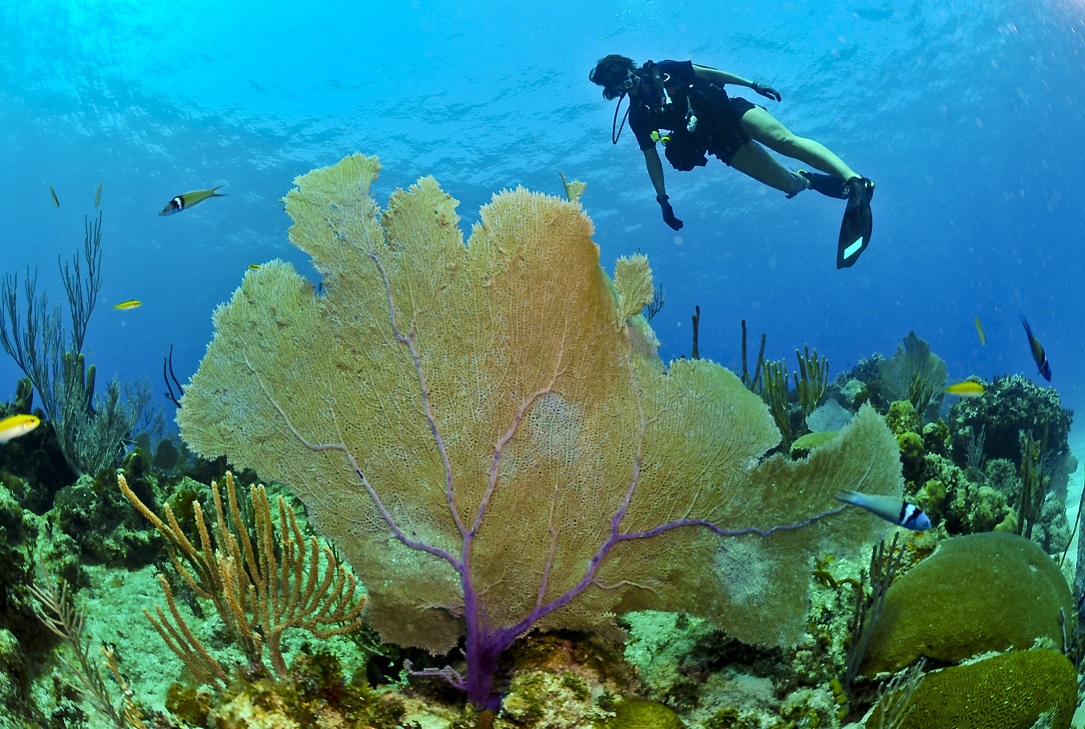
Creative protests across the City intend to highlight the importance of the world’s largest natural marine biodiversity hotspot, housing at least 500 species of coral, which are critical habitats sustaining the biological health of the oceans. “Seven UK groups unite in effort to escalate against insurers underwriting LNG expansion into the Triangle.“
Pablo Muñoz
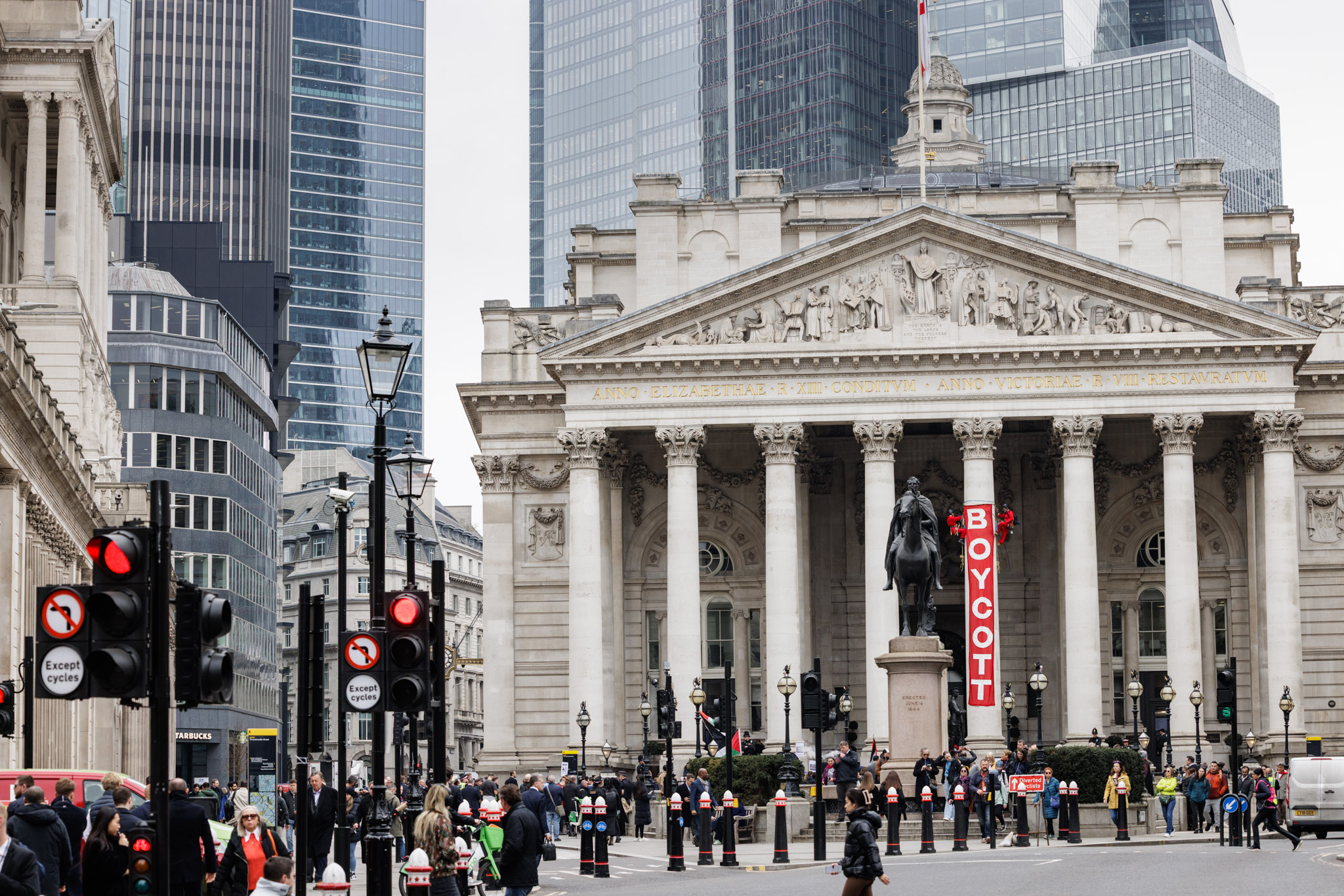
Activists staged creative actions across the City of London’s insurance district on the last 9 June, as part of the Coral Triangle Day celebrations.
These included a live, giant mural painting, creative theatrics, and brandalism -a kind of protest art that uses corporations’ property as canvas.
The participating groups included climate justice organisations like Money Rebellion, Boycott Bloody Insurance, Insure Our Survival, Mothers Rise Up, and Ocean Rebellion, , as well as student and performance groups, such as No New Workers, and The Dirty Scrubbers, a performance troupe of activists dressed as cleaning ladies that clean up corporate building entrances to highlight the role these play in the climate crisis.
Activism in London complemented actions in the Philippines, Indonesia, and surrounding countries, where local communities are actively challenging fossil fuel expansion through grassroots mobilisations, legal advocacy work, and online solidarity actions.
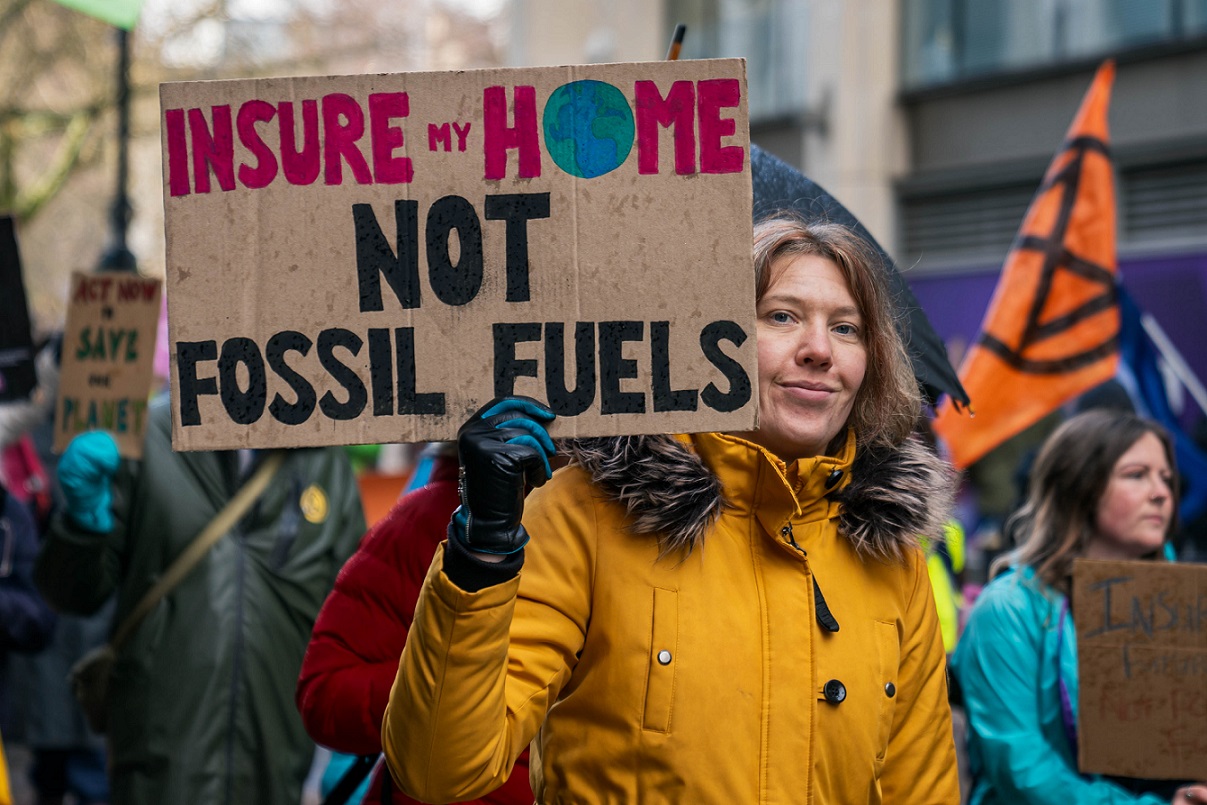
Campaigners have outlined clear demands, calling on insurance firms to change course immediately so that the Coral Triangle is protected.
Covering around 6 million square kilometres, the Coral Triangle is home to extraordinary biodiversity and plays a crucial role in sustaining marine food chains.
According to Boycott Bloody Insurance, the campaigners also demand the protection of the Coral Triangle (establish it as a no-go zone for fossil gas expansion), exclude fossil gas projects in high-biodiversity and protected areas, stop insuring fossil gas expansion globally, insure and invest in a just and secure energy transition, and make respect for human rights and Indigenous sovereignty a condition of coverage.
Anj Dacanay, a campaigner representing the Southeast Asia network Energy Shift SEA, highlighted the immediate threat to regional well-being, as communities “across the Coral Triangle depend on the oceans for their livelihoods and food security”. To Dacanay, the destruction of the marine ecosystem directly impacts the well-being of the communities built around it.
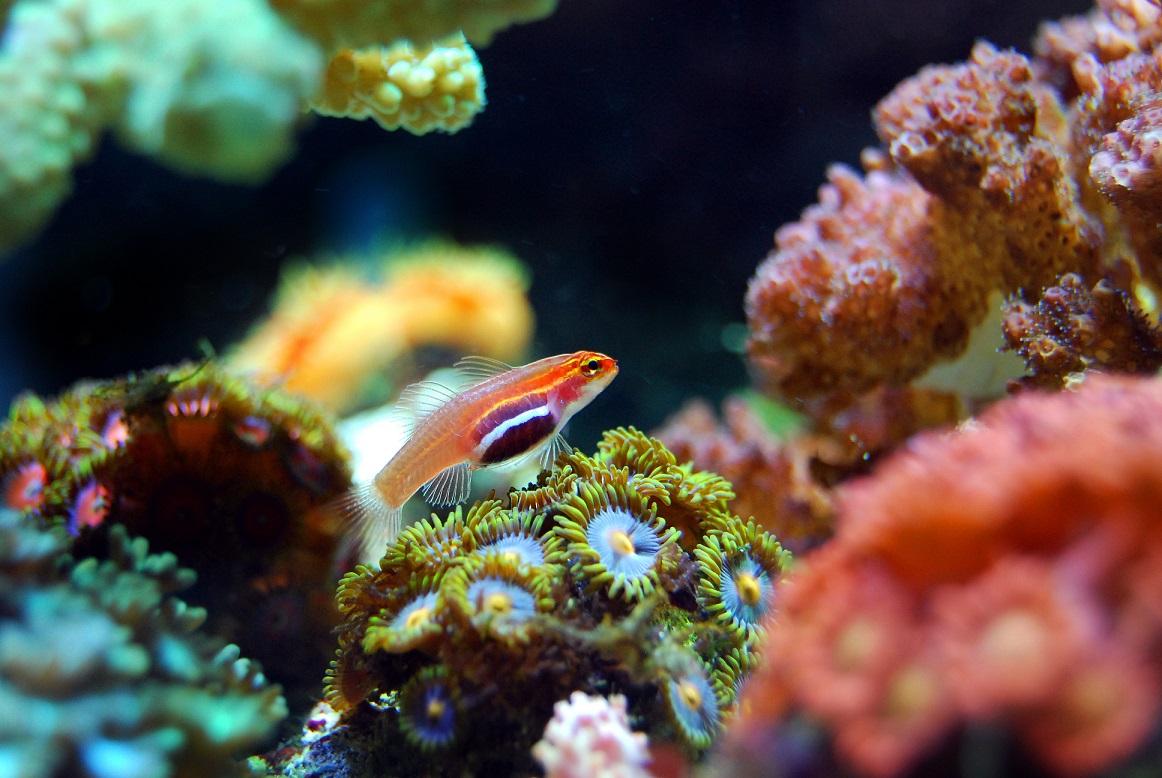
She added that “by continuing to underwrite fossil fuel companies, insurers are actively contributing to the ruin of these fragile habitats. We must unite in the spirit of ‘Sama-Sama’ (togetherness) to stop the devastating expansion of fossil gas and liquefied natural gas and protect the Coral Triangle.”
Youth and family groups are similarly demanding accountability from the sector. Shana, a student at UCL and member of No New Workers, said: “Young people are the workforce of tomorrow. We are therefore key to the continuation of the extractive and imperialist economic and industrial exploitation of the planet and its people. We reject this complicity – and call upon industries that support these systems to avert course if they want a new workforce.”
Lorna Powell from Mothers Rise Up emphasised the future of the next generation, which worries her group as mothers who want a safe, liveable future for their children. She came to the action on Coral Triangle Day to call “on insurers to help take a step towards this better world by ruling out Liquefied Natural Gas (LNG) expansion in such a critical biodiversity hotspot”, which would redirect the economy towards more “socially and environmentally beneficial industries”.
There are more than 100 known offshore oil and gas blocks that are currently producing in a region covering over 120,000 square kilometres of marine area – about 1% of the Coral Triangle. Current or planned oil and gas blocks overlap with 24% of coral reefs, 22% of seagrass areas, and 37% of mangroves.
The Coral Triangle is the world’s largest epicentre of marine biology, located in the Western Pacific Ocean, and awareness of its protection has been celebrated on 9 June since 2012.
The campaigners also recall that the “the Coral Triangle is home to 76% of the world’s coral species, critical tuna spawning grounds, vast mangrove carbon sinks and supports over 360 million people’s livelihoods. If LNG exploration proceeds there, countries in the region will be locked into fossil fuels, and up to 16% of the Coral Triangle could be directly impacted, with dire consequences for people in the region and the climate.”
As mentioned in the UK government’s report, coral reefs sustain food security and climate stability even within the UK.
As Blythe Brentnall, from Boycott Bloody Insurance, said “stopping LNG expansion in this area is essential for us all, everywhere in the world.”
Moore informatiom: Boycott Bloody Insurance.










.jpg)












