
Colombia is starting down a new path. With the change of government underway, officialdom is setting out a turnaround in security and foreign policy, while the defeated forces redefine their role and prepare an opposition built inside and outside congress.
 Ivette Fernández
Abelardo De la Espriella, who calls himself “the tiger” and refers to his followers as his pack, was proclaimed president of Colombia after beating Iván Cepeda, according to the electoral authorities, by 251,854 votes.
Under the umbrella of the political movement Defenders of the Fatherland, a platform governed by ideology of the radical, populist and conservative right, the president-elect promoted during his campaign a proposal for government called “Miracle Fatherland”, inspired by models like that of Nayib Bukele in El Salvador. Although his proselytising exercise was sheltered under a supposed blanket of independence that criticised the left and appeared therefore as an anti-system alternative to the right, the legal and institutional support given by the National Salvation Movement, a traditional party with a conservative leaning, was vitally relevant.
In his first speech as president-elect, a few weeks from his investiture on 7th August, he sent an ultimatum to those who remain today outside the law and assured them that they have a month to organise their submission to the state.
“Those who persist with corruption, terrorism, drug trafficking, extortion and other forms of violence will face the full force of the state and the unshakeable determination of our glorious Public Force”, he said in a speech made during the ceremony in which he received his credentials as leader.
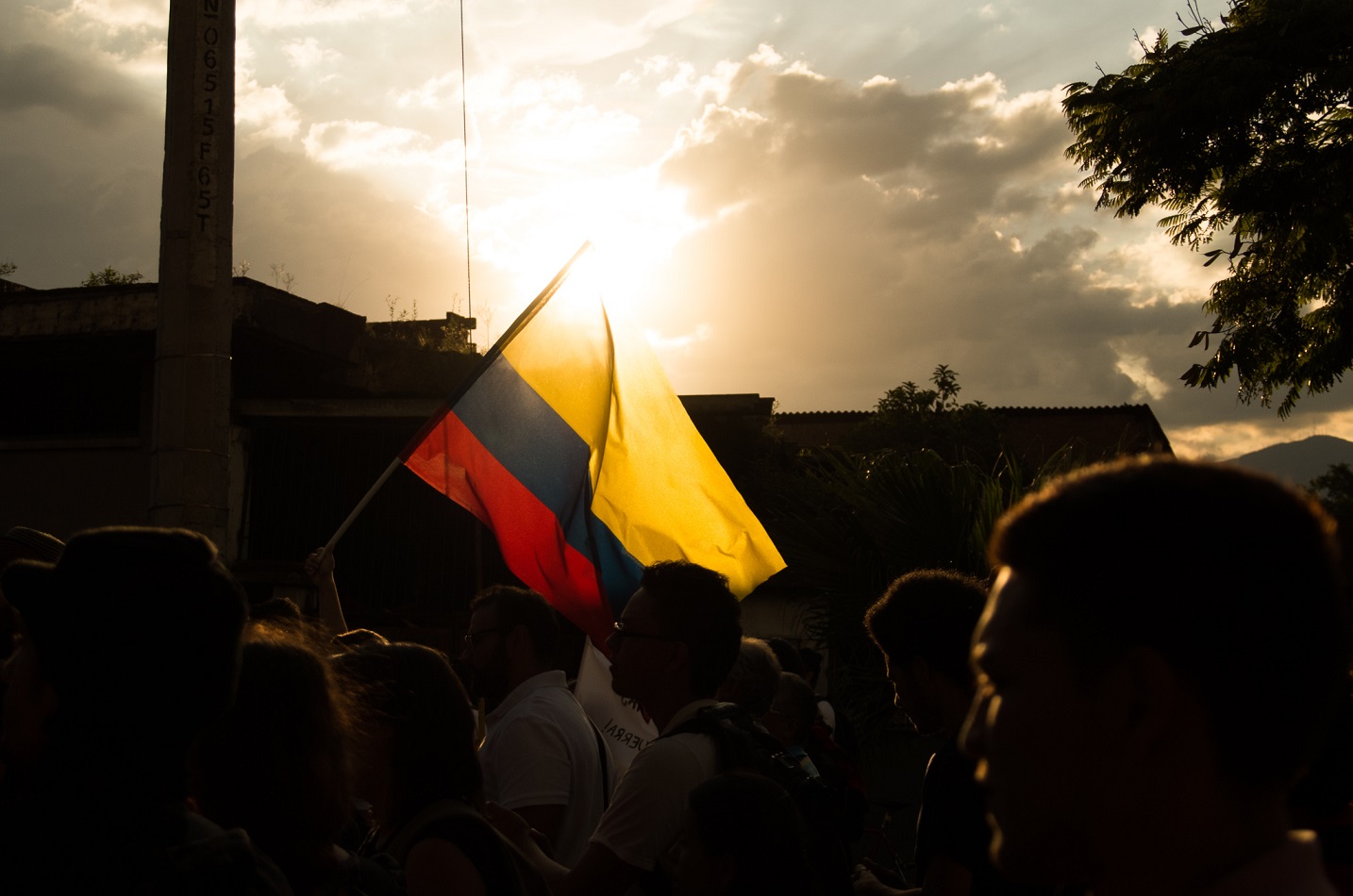
De la Espriella stated in his address that “Colombians have voted for a new style, a new model, a new order and a new way of doing politics and exercising government”.
After referring to the outgoing government, and to his erstwhile opponent, in pejorative and denigrating terms, he stated that his “commitment is to absolute respect for the criticism and dissent of all Colombians. “There will be full and absolute guarantees for those who, within the constitution and the law, exercise legitimate opposition and there will be absolute severity against those who attempt to intimidate the people through chaos and violence”, he exclaimed. At another time he indicated that “times of sacrifice, discipline and hard work are coming, but so are times of grandeur for the fatherland”.
Previously, the incoming head of state announced that he would reinstate relations with Israel and that Colombia would be part of the Shield of the Americas, an initiative promoted by Donald Trump’s government supposedly to co-ordinate military and law enforcement efforts in the region against transnational criminal organisations.
According to the National Electoral Commission, De la Espriella won 12,960,166 votes, while his opponent amassed 12,708,312.
Worries about the future
On more than one occasion Petro has warned that foreign intervention in domestic affairs would cost his country dear in the future.
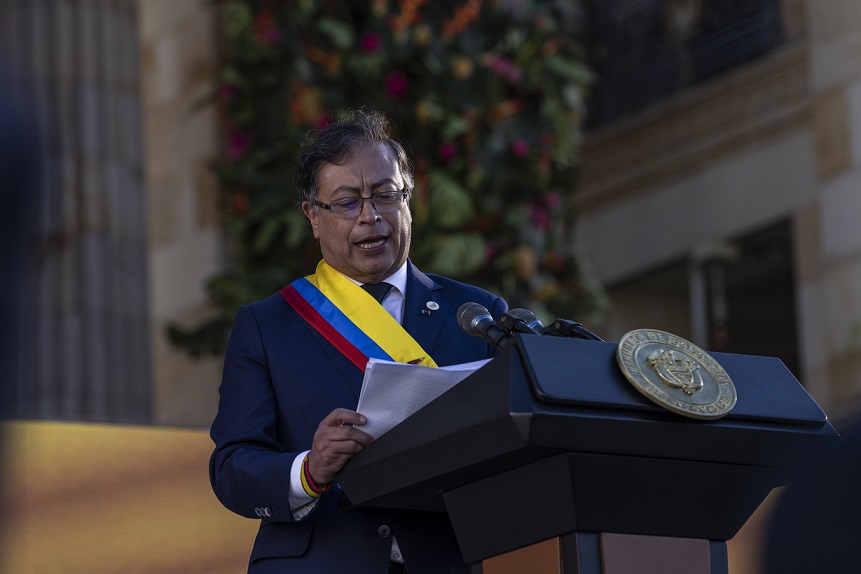
“So we return to the darkest past, with an aggravating factor: the loss of national sovereignty. The air force will be shared between Colombia and the United States and there will be missiles over peasants and gold mines. Something akin to pillage”, the leader denounced on his X account.
In his estimation De la Espriella’s status as a US citizen, which he gained through naturalisation in 2023, returns the nation to its condition as a viceroyalty.
He also referred to the effect other measures the new administration has in mind would have. He considers that with the reduction in public spending there will not be an improvement in the budget deficit but rather a bankrupting of the national economy with the destruction of thousands of businesses to go back to extractive activities and the system of large rural estates.
“Hunger and unemployment will increase, that will be the biggest contribution to what will be a possible revolution in Colombia”, he said.
He referred to how De la Espriella won at the ballot box with what he described as a “pyrrhic victory”, the correct course of action is a national agreement and the preservation of sovereignty.
The left as opposition
Cepeda also denounced the fact that the electoral campaign was distorted by outside interference, mainly executed by the United States, and noted that his opponent resorted to “a massive purchase of votes designed to alter the free expression of the people’s will”. He announced that he will exercise a democratic, vigilant and constructive opposition, but one that is also resolute and unwavering.
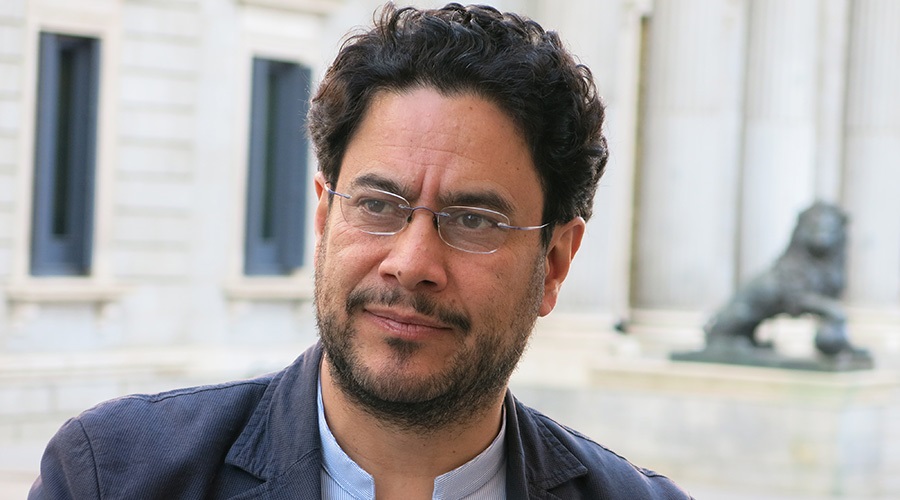
“We will be together with communities, in the territories, in the popular districts, in the countryside and in the cities. We will assume where necessary resistance and peaceful civil disobedience. We will accompany social struggles, the causes of youth and of women, of workers, of ethnic peoples, of the peasantry and of the middle classes”, he declared. He emphasised that his movement would resist any attempt at authoritarian submission and that it would defend sovereignty under all circumstances.
Cepeda, after recognising De la Espriella as the victor, accepted an opposition seat in the Senate while his vice-presidential running mate, Aida Quilcué, accepted her seat in the House of Representatives. “If De la Espriella and the new government decide to take the path of dialogue, of sensibleness and of national understanding, if they choose to build agreements based on mutual respect and the general interest, they will find in us a sincere willingness to reach agreements”, stated the congressman.
In the same vein as its candidate, the Historic Pact party’s parliamentary members, made up of 43 representatives to the chamber and 26 senators, declared that they would act as opposition. Previously, the political body announced that it was entering a new stage of building tactics and political strategy for the democratic transformation of Colombia.
 The organisation has said that it will convene the people, the social, union, peasant, indigenous, afrodescendant, environmental, feminist, youth, cultural and academic organisations, and all the democratic, progressive and left-wing forces, to build a great Broad Front for Life, Democracy, Social Reforms, Sovereignty, Peace and Protection of the Environment. PL
(Translated by Philip Walker – Email: philipwalkertranslation@gmail.com) – Photos: Pixabay










.jpg)













