
The Israeli offensive has left around 300 journalists dead, hundreds wounded and dozens arrested. A large part of the journalistic infrastructure has been destroyed. Meanwhile, those who continue reporting are working displaced and under extremely risky conditions.
 Today, reporting from Gaza is one of the most dangerous professions in the world. In 1000 days of Israeli offensive against the Palestinian enclave, at least 265 journalists have lost their lives, hundreds have been wounded and dozens arrested.
Carrying a camera or microphone stopped being just equipment for work and became a risk factor. While documenting attacks, displacement, hunger and destruction, Palestinian correspondents also became direct victims of the conflict.
According to the Palestinian Journalists Syndicate, since the beginning of the war on 8 October 2023, Israel has killed 265 journalists, among them 27 women, injured around 500 and arrested more than 34 press officials.
The Media Office in Gaza itself reported 262 dead journalists and another 3 missing, whose whereabouts are still unknown. Even though both institutions give slightly different totals, they agree on the magnitude of loss suffered by the sector.
The war has not only ended the lives of numerous reporters, but also the minimum conditions to practice the profession.
 The Deputy Head of the Palestinian Journalists Syndicate, Tahseen al-Astal, claimed to the Turkish agency, Anadolu, that between 60-75% of the journalists remaining in Gaza had lost their homes or been displaced by the war.
Many of them now work from tents, refuges or public spaces, using mobile phones as their main tool for work and facing frequent interruptions to internet and electricity access.
According to the union leader, around 1,200 journalists were working on the Strip before the war, of which around 700-900 have been left homeless.
This is in addition to the destruction of more than 80% of press offices and institutions, which provoked the collapse of a large part of the media infrastructure in the country.
In the absence of news offices, the areas surrounding hospitals, camps for displaced people and improvised refuges have transformed into media hubs from which journalists continue documenting the daily reality of the population.
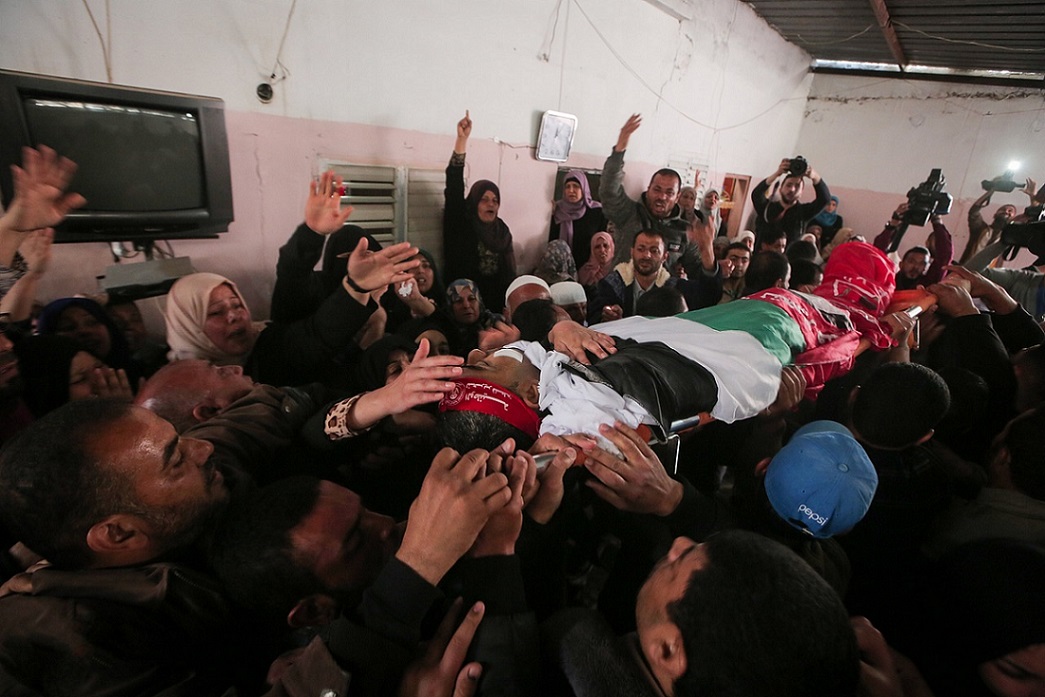 Among the deadliest incidents was the bombing of Nasser Hospital, in Khan Younis, on 25 August 2025, where journalists Mariam Abu Daqqa, Hussam al-Masri, Muhammad Salama, Muath Abu Taha and Ahmed Abu Aziz died while reporting.
Just days earlier, on 10th August, another Israeli aerial attack ended the lives of six journalists, among them the Al-Jazeera correspondents, Anas al-Sharif and Muhammad Qariqa, as they were in a tent near the Al-Shifa Hospital in Gaza city.
During the war, al-Sharif became one of the most renowned voices of Palestinian journalism for documenting on the ground the consequences of bombing, the displacement of the population and the humanitarian crisis.
The situation for journalists is part of the general deterioration that Gaza is experiencing, where hundreds of thousands of people remain displaced following the destruction of their homes.
 Since the beginning of the Israeli offensive, around 73,000 Palestinians have died and more than 173,000 have been wounded, while around 90% of the enclave’s civil infrastructure has suffered damage or been destroyed. In this situation, Palestinian journalists continue reporting despite their loss of loved ones, homes and workplaces, in coverage marred by constant danger and the limited conditions for carrying out their profession.
(Translated by Donna Davison – Email: donna_davison@hotmail.com) – Photos: Pixabay










.jpg)












