
The testimony of the mother of one of the victims of the Case of the Burned relives the brutal attack against two young people during a protest against the Chilean dictatorship and recalls the impact of one of the most painful episodes in the country’s recent history.
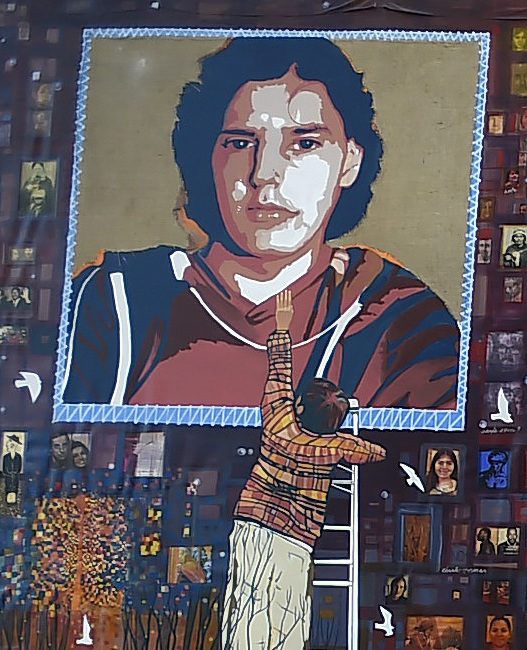
Carmen Esquivel
Rodrigo Rojas, who worked as a photographer for an international agency died four days later in the emergency hospital of the Posta Central; while Carmen Gloria Quintana survived despite suffering second and third degree burns on 62% of her body.
Both were victims of a patrol that beat them, sprayed them with inflammable liquid and set them on fire during a protest against the dictatorship. This happened 40 years ago on July 2nd and is known as the Case of the Burned. Rodrigo’s mother, Veronica de Negri has spoken about her son’s last moments, his childhood and adolescence, and the long process in search of justice.
“They had taken him to the sixth floor of the hospital and when I saw him, I almost died. He was naked, full of needles for blood and serum transfusion, and it was very painful for me. Then I understood that they had set him on fire”, she explained.
Veronica says that her son was deaf in his left ear, so he had to turn over, and she kept talking to him to pass on all the messages from people he knew, because he was very involved in cultural and photographic activities.
She contacted the doctor John Constable, a burns specialist at the General Hospital in Massachusetts, who was known for treating victims of napalm in Vietnam, but it was already too late.
Growing up and remembering
In the summer of 1976, when he was nine, Rodrigo went to visit his grandmother and his uncles and cousins in Canada, and when he was due to return Veronica had been arrested, so her son could not come back and remained there uprooted. It was an enforced exile.
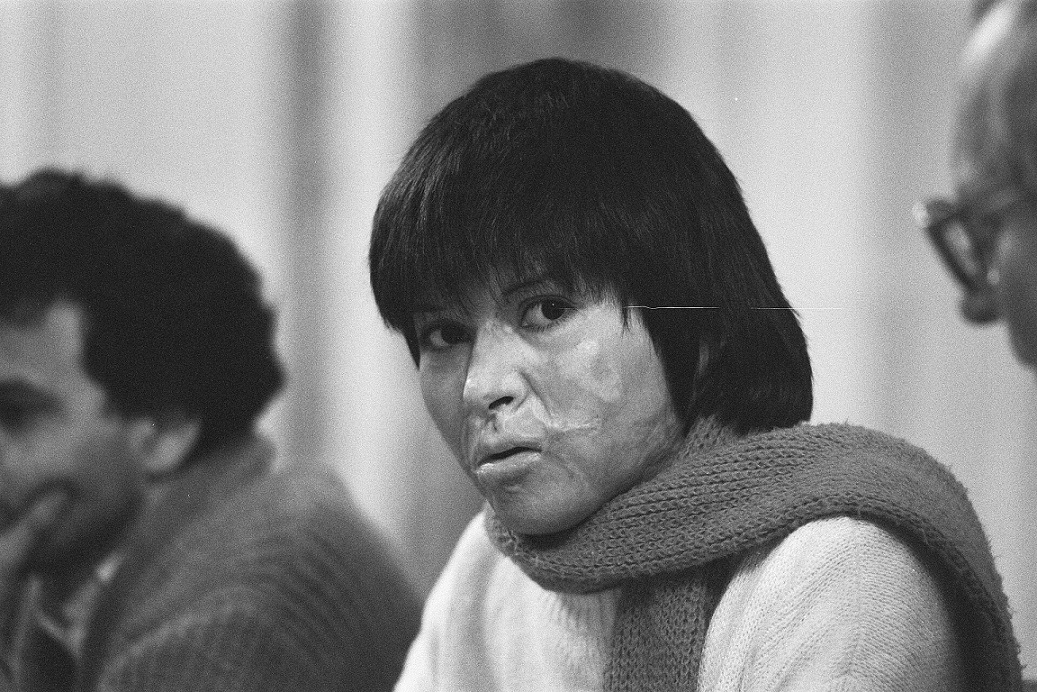
“I left the Tres y Cuatros Alamos detention centre, and then they arrested me on five other occasions for short periods as a form of intimidation, until I managed to get a visa for the US. When I arrived there, they had put me on the ‘L-List’ and I was not allowed to return”, she recalls. The bloody coup against the Popular Unity Government of President Salvador Allende lasted three years, a military revolt that submerged the country, during one of the darkest pages of its history.
“Rodrigo was a wonderful son, very intelligent, who loved music and culture in general. He would spend three hours in the dark room to perfect a photo” his mother remembers. While he was living in the US, he used to go most afternoons to the house of another Chilean exile, the photographer Marcelo Montecino, who became his teacher. In March 1986 he returned to Chile with the intention of making a portrait of his country and publishing a book.
However, on the 2nd of July of that year, during a demonstration against the dictatorship of Augusto Pinochet (1973 – 1990), Rodrigo and Carmen Gloria were caught by an army patrol, sprayed with inflammable liquid and set alight. After beating them, causing several broken bones and setting them on fire, they wrapped them in a blanket and left them on some waste land on the edge of the city.
Searching for justice
In January 2024, already 38 years after these sad events, the Second Room of the Penal Supreme Court confirmed sentences against several retired soldiers.
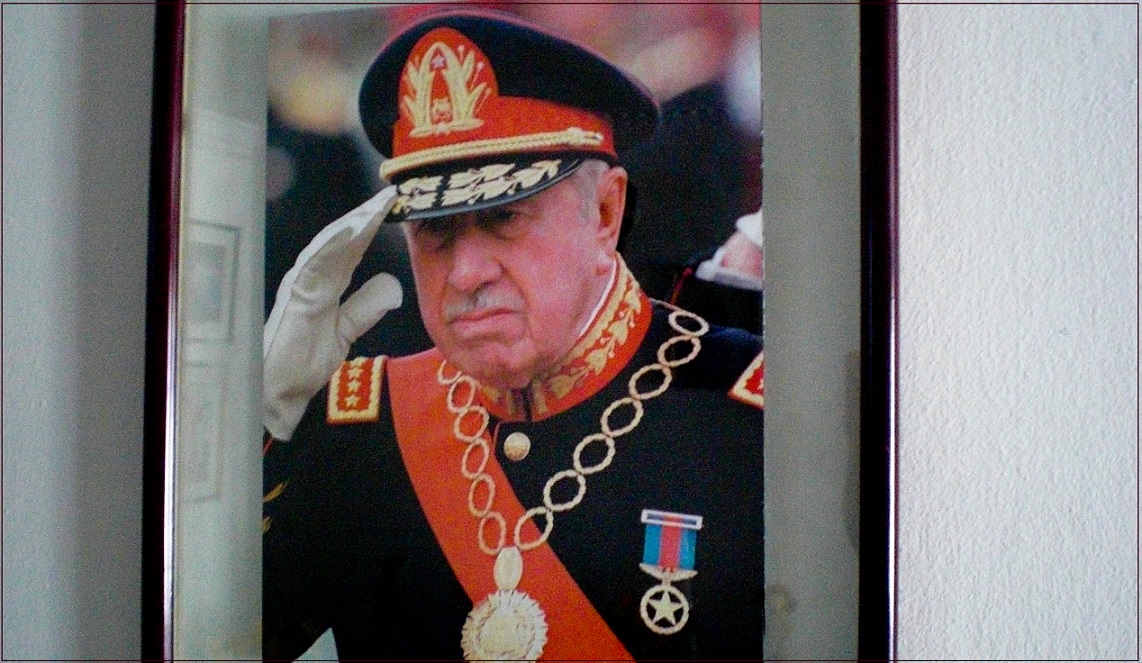
As perpetrators of murder in the case of Rojas de Negri, and attempted murder of Quintana, Pedro Fernández Dittus, who had been found not guilty in the first case, Iván Figueroa Canobra, Julio Castañer and Nelson Medina were sentenced to 20 years in prison.
The court also imposed sentences of three years and one day as accomplices or accessories on
Luis Alberto Zúñiga, Jorge Osvaldo Astorga, Francisco Fernando, Leonardo Antonio Riquelme, Walter Ronny Lara, Juan Ramón González, Pedro Patricio Franco and Sergio Hernández. In addition, the judge ordered the State to pay financial compensation to the families of the victims. “For me it was very hard because it took me 20 years to find the information for Rodrigo’s trial. No lawyer would take my case”, says his mother.
When asked if she thinks that almost 53 years after the coup d’Etat, justice has been achieved, Veronica De Negria says:
“There are still cases pending and they continue committing violations of human rights, as we saw during the social uprising, when over 400 young people suffered eye injuries caused by the security forces”, she says. PL
(Translated by Graham Douglas) – Fotos: Pixabay










.jpg)














