
Miguel Díaz-Canel was interviewed by a US journalist in La Havana on the state of the country after the Castro years, reviewing his rise to power and the constant threat the country is under its North American neighbours.
Pablo Muñoz
On Wednesday 20 May, Cuba celebrated 124 years since the instauration of the Republic. On that day, Marco Rubio, US Secretary of State, addressed Cuban citizens in the US through a video message. In it, he offered “not only to alleviate the crisis, but also to build a better future”.
He refers to the economic and social hardships many Cubans endure on the island, which he blames on the Cuban government’s corruption whilst completely ignoring the US blockade. The broadcast was uploaded to Youtube, in Spanish. Its political tint, and verifiable omissions, shed light onto an important issue to discuss: US perception of Cuba.
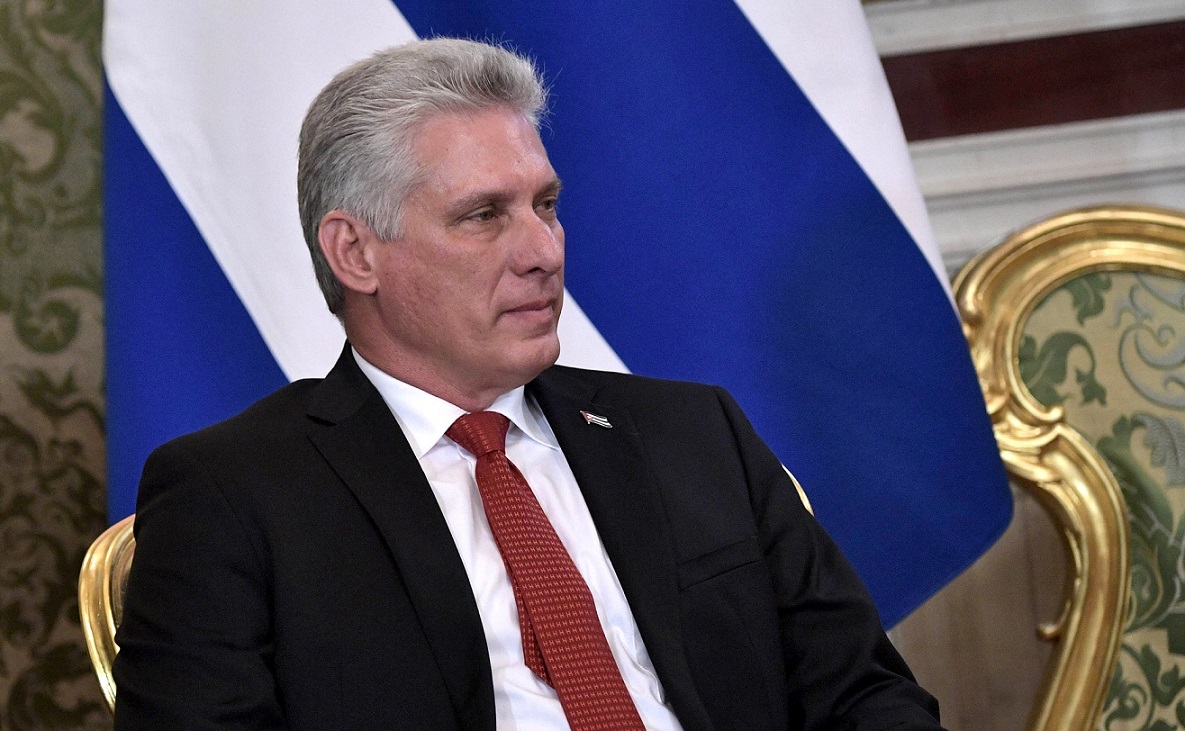
Journalists Abby Martin and Matthew Belen got the chance to interview the President of Cuba, Díaz-Canel, who succeeded Raul Castro in 2019. Their objective was to explore the nation’s lesser-known history and turbulent present through “a revealing portrait of the man tasked with steering its future after Castro”, as BreakThrough News, Martin and Belen’s media outlet, said.
The interview with Díaz-Canel, who is the first Cuban leader born after the Revolution, puts on the spot a man who was an “unexpected successor”, as BreakThrough News said.
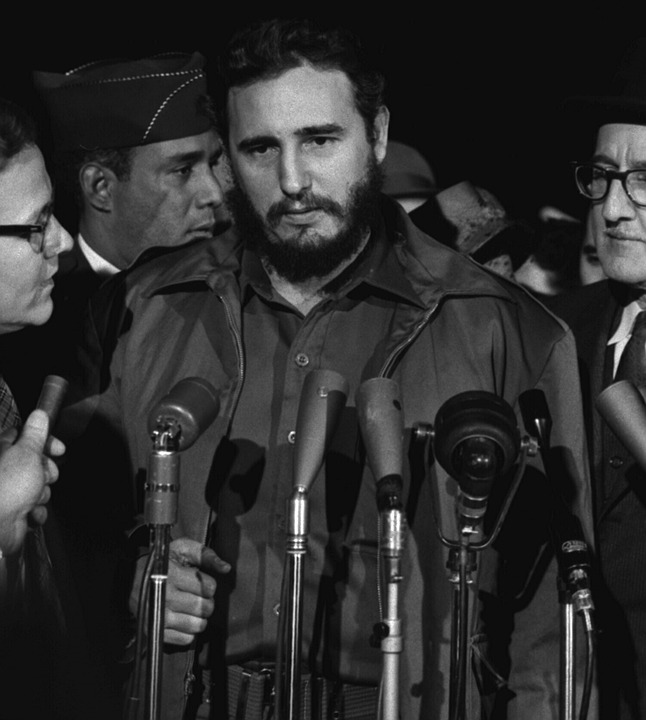 The interview with this “unassuming organizer moulded by the revolutionary process” is unprecedentedly “in-depth” and means to showcase “a vision of Revolutionary Cuba suppressed in the west”.
The documentary, called “Cuba after Castro”, chronicles Díaz-Canel’s formation as the Castros’ successor, and his subsequent handling of intensified US sanctions, media disputes, a devastating pandemic, and historic domestic protests.
As to why the documentary expects to appeal to an audience interested in Cuban matters, and especially a US audience, Break Through News said: “With Trump and Rubio threatening a new invasion, this film reveals a portrait of an island, and its leader, who we are told to hate but know so little about.”
The 84 minutes documentary is free to watch on YouTube.
(Photos: Pixabay)










.jpg)













