
When a record-breaking political donation triggers a Parliamentary investigation, it rarely happens in isolation. Behind the headlines lie questions about transparency, public trust and the long-unresolved relationship between money and power in British politics — questions that have resisted resolution for nearly a century.
Kennedy Ogenna
When Christopher Harborne, a British cryptocurrency investor and aviation entrepreneur based in Thailand, donated £9 million to Reform UK in August 2025 — confirmed by the Electoral Commission as the largest single donation ever made by a living individual to a British political party — the story quickly became front-page news across major broadcasters and broadsheets
It was a separate revelation, reported by ITV News in May 2026, that intensified scrutiny: Harborne had also made Reform UK leader Nigel Farage a personal gift of £5 million in April 2024. On 13 May 2026, Parliamentary Standards Commissioner Daniel Greenberg launched a formal investigation into Farage’s potential failure to declare the donation under House of Commons rules.
An investigation by the Mirror, based on analysis of Electoral Commission records, found that of the £18.6 million donated to Reform UK throughout 2025, nearly £15 million — close to 80% — came from 18 donors with offshore links, focusing primarily on Jersey and Thailand.
A separate investigation by Babelfish, the campaign group founded by Dale Vince, identified that party treasurer Nick Candy — whose property empire includes companies based in Guernsey and Luxembourg — donated £990,000 to Reform UK in 2025. Five Reform donors responsible for £12.55 million, representing 67% of the party’s donations in 2025, provided overseas addresses to Companies House.
Electoral Commission research conducted by YouGov in December 2025 found that only 9% of respondents think politicians are trustworthy, and just 14% think that political party and campaign spending is transparent.
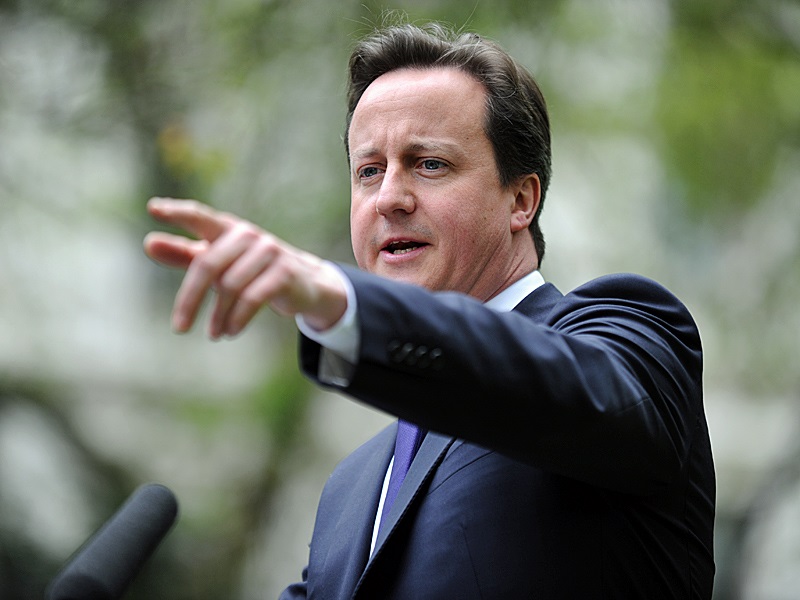
The controversy echoes the political climate of 2010, when an exhausted Labour Party led by Gordon Brown faced a Conservative Party under David Cameron yet to generate public enthusiasm. Two defining crises loomed: the financial crash of 2008 and the MPs’ expenses scandal of 2009. Voter anger and apathy were widespread. It was commonplace to hear MPs described as crooks and liars.
It was in that climate that Cameron delivered his “Rebuilding Trust in Politics” speech on 8 February 2010, warning that lobbying was “the next big scandal waiting to happen.” He argued: “I believe that secret corporate lobbying, like the expenses scandal, goes to the heart of why people are so fed up with politics. It arouses people’s worst fears and suspicions about how our political system works.” He went further: “If they are serious about listening to ordinary people, the Conservative Party must pledge to introduce a mandatory register of lobbyists as soon as possible so that the public can see who is lobbying whom, and the extent to which national policies are being influenced by commercial forces.”
The irony became clear in March 2021, when Cameron lobbied Chancellor Rishi Sunak by WhatsApp on behalf of Greensill Capital, seeking access to a government pandemic loan scheme.
Creative Commons License.
The Greensill affair demonstrated that concerns about the revolving door between political office and private influence are not confined to any one party or era — a pattern that the current scrutiny of Reform UK’s finances has brought sharply back into focus.
In an April 2021 statement he acknowledged that “communications with government need to be done through only the most formal of channels.”
A subsequent Cabinet Office inquiry found he had shown a “significant lack of judgement,” though he had not broken the rules then in place. In his book “Lobbying: The art of political persuasion” (Harriman House, 2008), p. 6, Lionel Zetter argues that “if the barons had not lobbied King John, he would not have signed the Magna Carta at Runnymede [in 1215] and democracy in Britain might have evolved very differently.” The tension between influence and accountability is as old as political power itself.
On 6 July 2026, the government announced, as part of its response to the independent Rycroft Review, that individuals returning to the UK from overseas would be required to wait a full calendar year before making political donations above £100,000 .
 Housing Secretary Steve Reed said the government was acting to ensure “British democracy is not for sale.”
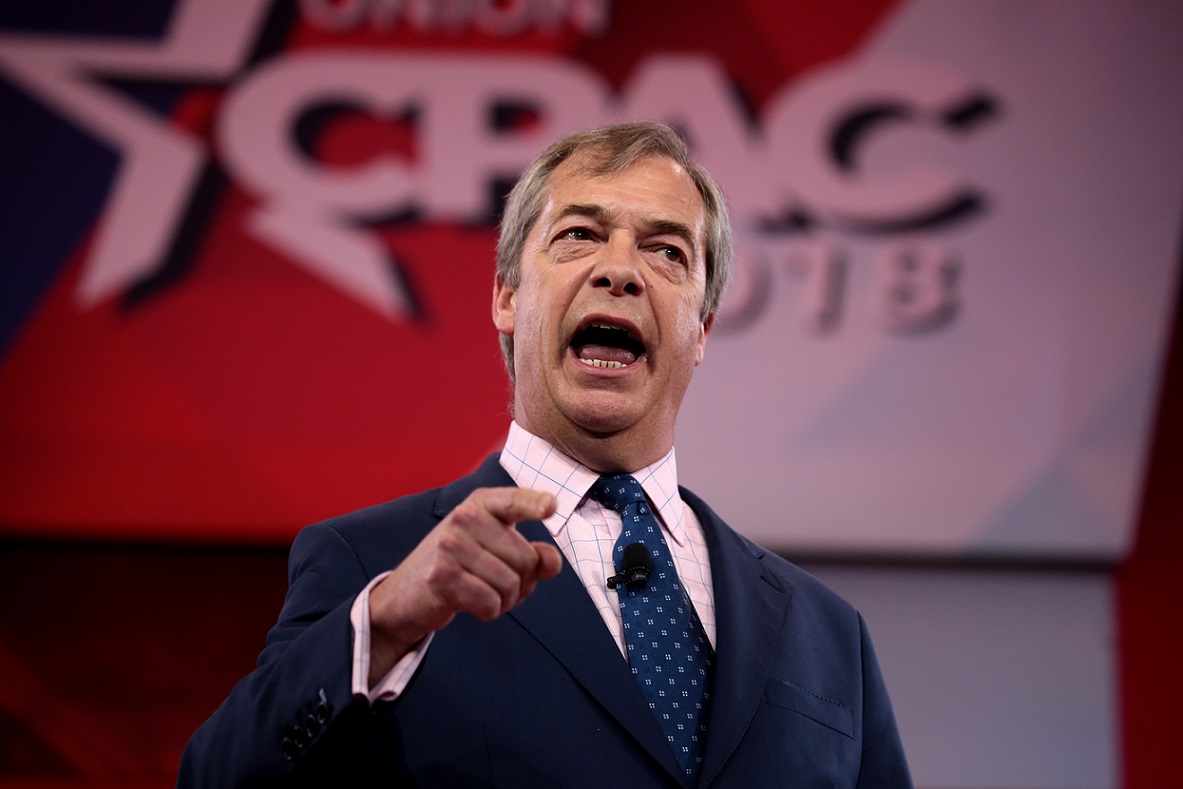
Farage, on the heels of the scandal, resigned as MP for Clacton-on-Sea on 7 July, triggering a by-election in which he intends to stand. On his official Facebook account, he cast the move in populist terms: “This is a people vs the establishment by-election”, alleging “they’ll use every trick in the book to tear me down, but they don’t have the guts to bring it to the people who actually matter.” He further alleged that “while Labour donors are awarded government contracts, Reform is subjected to leaks from government agencies.” The resignation drew immediate criticism. Conservative leader Kemi Badenoch described the move as “a desperate stunt and a distraction,” adding: “Nigel Farage can throw a hissy fit all he wants, but all MPs have to follow the rules, and our country has a free press.” Referring to the George Cottrell scandal she said: “He needs to answer why a convicted criminal is covering his costs.”
Resigning Prime Minister Keir Starmer said :“ It’s obvious why he is doing it”, hinting that “it’s up to his neck in sleaze “. He added that “politics should be about improving the lives of millions of people, not about personal gain.”
 Liberal Democrat leader Ed Davey called on the Chancellor to block the resignation, saying the decision not to do so was “disappointing but not surprising from a business-as-usual government.” He added: “The Chancellor had the chance to put this by-election on hold for a few weeks so the people of Clacton could have the full facts about the Farage funding scandal.”
The investigation into Farage’s finances remains open. The controversy has placed long-standing questions about political funding transparency at the centre of British public debate — questions that successive governments have repeatedly promised to resolve and consistently failed to answer.
(Photos: Pixabay)










.jpg)












