
Delays to investigations into shipments of wood with cocaine seized in Chile and other recent cases are feeding uncertainty in the forestry sector and reviving question marks over the Bolivian government’s institutional response to drug trafficking. Business is demanding that the investigations are accelerated.
 Jorge Petinaud
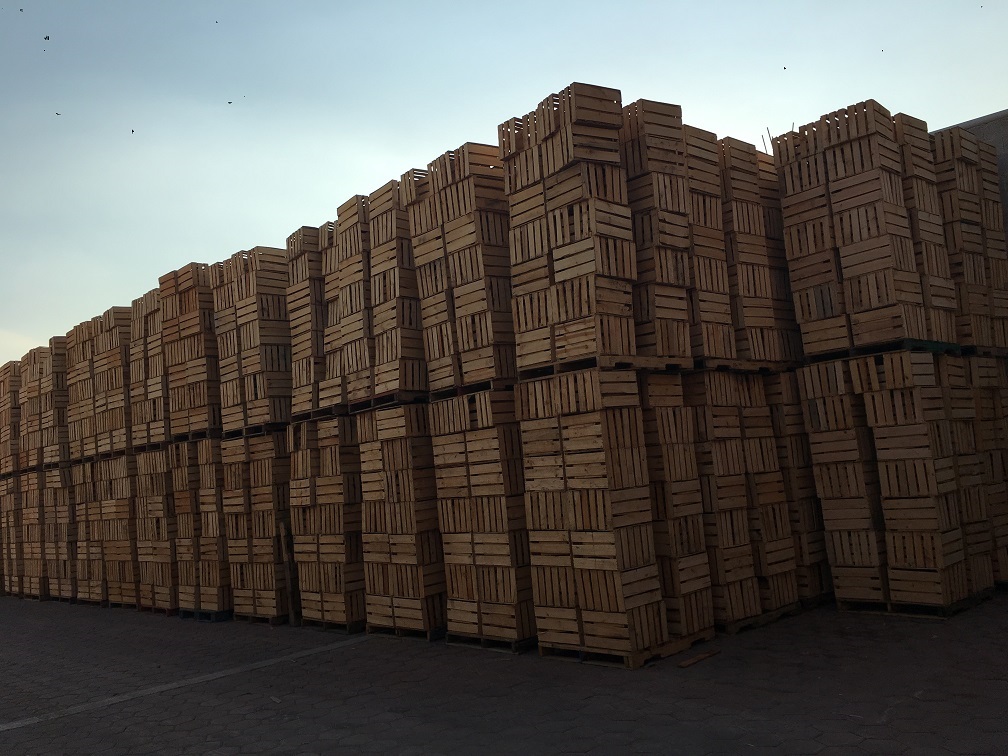
Members of the Santa Cruz Private Business Federation (Fepsc) have expressed their disquiet at the slowness of investigations related to 108 tonnes of drugs chemically embedded into cargoes of wood originating in Bolivia and seized in Chilean ports, and another shipment of 50 tonnes, also drugged, found on the border with Brazil.
“The uncertainty generated by the delay in these activities is causing the forestry sector serious difficulties”, according to a statement circulated to the press in which Fepsc urged the relevant authorities to carry out the investigations objectively, transparently and quickly.
The background to this call is a chain of events related to drug trafficking throughout this year. These include a series of assassinations at gunpoint in the departments of Santa Cruz and Beni, and the so-called “drug cases” scandal involving 32 suitcases that arrived at Viru Viru International Airport (in the Santa Cruz department) and ended up in a storehouse used to keep drugs.
However, it remains unknown in whose hands these suitcases ended up and what they contained.
 Another incident concerned money and jewels in safes belonging to South America’s most wanted drug trafficker, Sebastián Marset, captured in Santa Cruz and immediately transferred to the United States. After 40 days of denunciations by the private channel DTV’s television programme “Detrás de la Verdad” (“Behind the Truth”), Minister of Government Marco Antonio Oviedo admitted that seven top-of-the-range watches valued at more than $3,000,000 and another substantial sum of money were in a safe controlled by the police.
The most recent case became public on 12th July when it was revealed that two Bolivians and a Brazilian had been arrested in France as a preventative measure after being intercepted on a vessel that was transporting more than a tonne of cocaine across the Indian Ocean to Australia.
The police found more than a tonne of narcotics with a value on the international market of up to several million dollars.
 Prosecutors
With regard to the “drug wood” seized in Chile, at the end of June it was announced that a commission of Bolivian prosecutors was preparing a journey in contact with their Chilean counterparts to clarify the confiscation of 108 tonnes of drugs in Chilean ports.
According to the chief drugs prosecutor Miguel González, the trans-Andean country will know the technique for detection of drugs impregnated in wood to validate it as part of the investigations.
However, since then, from the government and in the media a blanket of silence has prevailed over the wood impregnated with cocaine chloral hydrate, cocaine paste and ketamine, according to customs authorities and Chilean public prosecutors.
In this context, on 9th July the arrest of a prosecutor took place during a drug trafficking trial in the municipality of Tupiza, department of Potosí, a fact that confirms the discredit this plague is causing in some of the Bolivian state institutions.
According to the head of the Public Ministry, Róger Mariaca, the prosecutor was arrested during an investigation into offences of failing to fulfil duties, resolutions contrary to the constitution and the law, as well as abuse of office, after serious inconsistencies in his acts were detected.
 However, Mariaca criticised the fact that, despite the prosecutor establishing the existence of a prima facie case, risk of flight and risk of obstruction of justice, in his formal charging, in the petitionary document he requested the application of alternative measures to preventative custody. This allowed Silvio M.C. to go free.
After finding out about the case, Mariaca instructed the chief drugs and anti-corruption prosecutor to open criminal proceedings against the Public Ministry official.
(Translated by Philip Walker – Email: philipwalkertranslation@gmail.com) – Photos: Pixabay










.jpg)












