
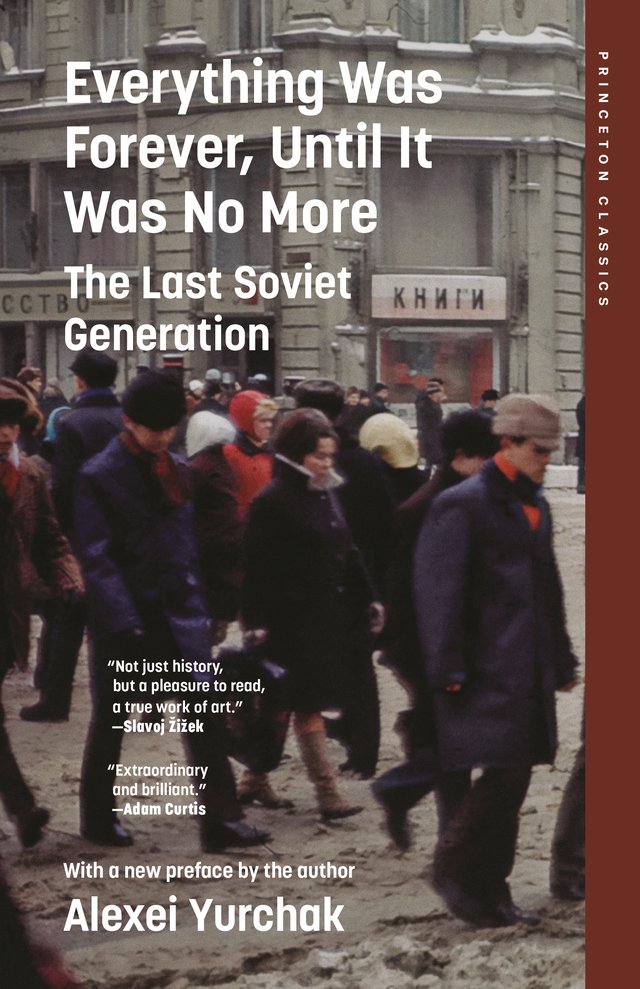
“Everything was forever, until it was no more” is one of those books that upsets common assumptions about something that has been packaged and presented for uncritical digestion.
 Sean Sheehan
Life in the USSR, before it imploded in 1989, is often characterized in binary terms: communism was bad, based on coercion and fear, while freedom was a private affair and nurtured in secret.
Alexei Yurchak exposes this as a simplification, one that ignores how people coped with contradictions. The implosion came to them as a shock but in time many saw it as something that was bound to happen. These two perspectives have to be held in unison.
Yurchak looks at an array of Soviet-era sources – from documents to diaries – between the 1950s and ‘80s and puts them alongside retrospective accounts and interviews in the 1990s and 2000s from former Soviet citizens.
The author shows how Gorbachev’s loosening up of public discourse highlighted paradoxes of life under the late socialism period of the USSR. Many, if not most, Soviet citizens esteemed the basic ideas and ideals of socialist life while paying only lip service to the authoritative ideology of the government.
They knew that elections of officials were fixed in advance but went along with the ritualized acts without abandoning fundamental belief in the value of equality of care and services, selflessness and friendship.
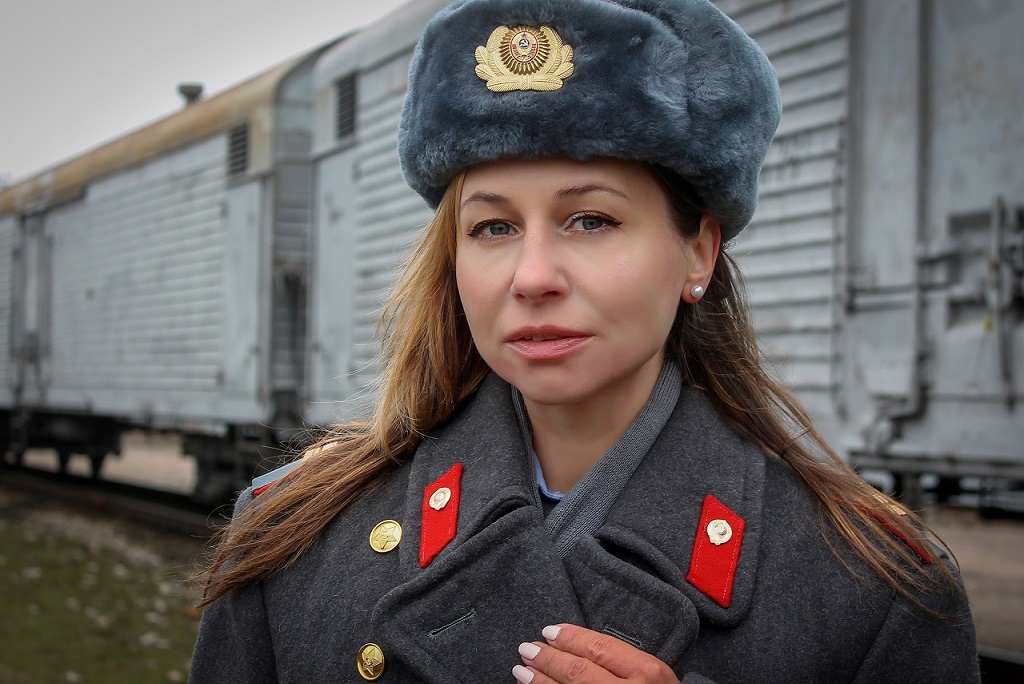 Young people, especially, could embrace the attractions of what Yurchak calls’ the Imaginary West’ without giving up on the ideals of communism; they believed the two ‘could become rearticulated together in one discourse about a future society’.
“Power and possession in the Russian Revolution” goes back to the beginning of this story: October 1917 and the new language that could be heard on the streets. Words like domkom, for committees elected by residents of an apartment block to administer it, heralded a dismantling of existing property rights and social hierarchies. A new lexicon announced the dispossession of private property and the profit motive. It was a brave new world. The focus of the book, says the author O’Donnell, is ‘the fate of property in what was an avowedly socialist revolution’. There was no template for what was about to take place and it was a complex process that affected the everyday life of ordinary people. The detailed accounts of personal experiences make for fascinating reading.
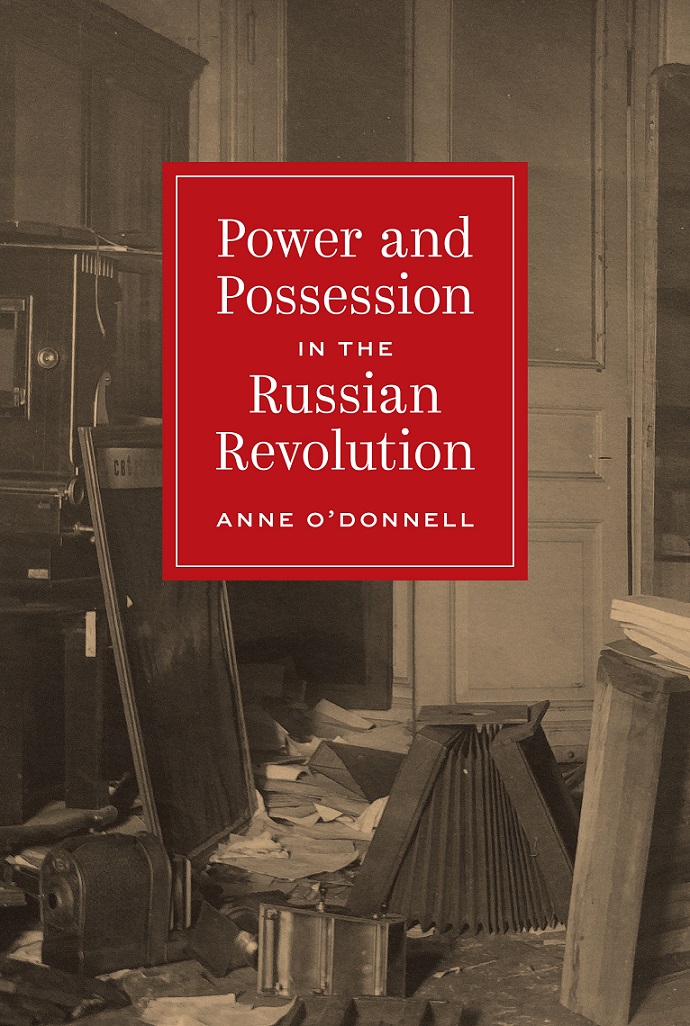 The book, though admirably well-researched, lacks the empathy and soul that makes Yurchak’s study so compelling – what is missing is the subjunctive mood and, instead of a sense of what could have been, O’Donnell is more taken up with what was lost.
Behind the tone of dispassionate objectivity there is little sympathy for the nature of the upheaval that was being set about after October 1917.
“Everything was forever, until it was no more”, by Alexi Yurchak, and “Power and possession in the Russian Revolution” , by Anne O’Donnell, are published by Princeton University Press.










.jpg)












