
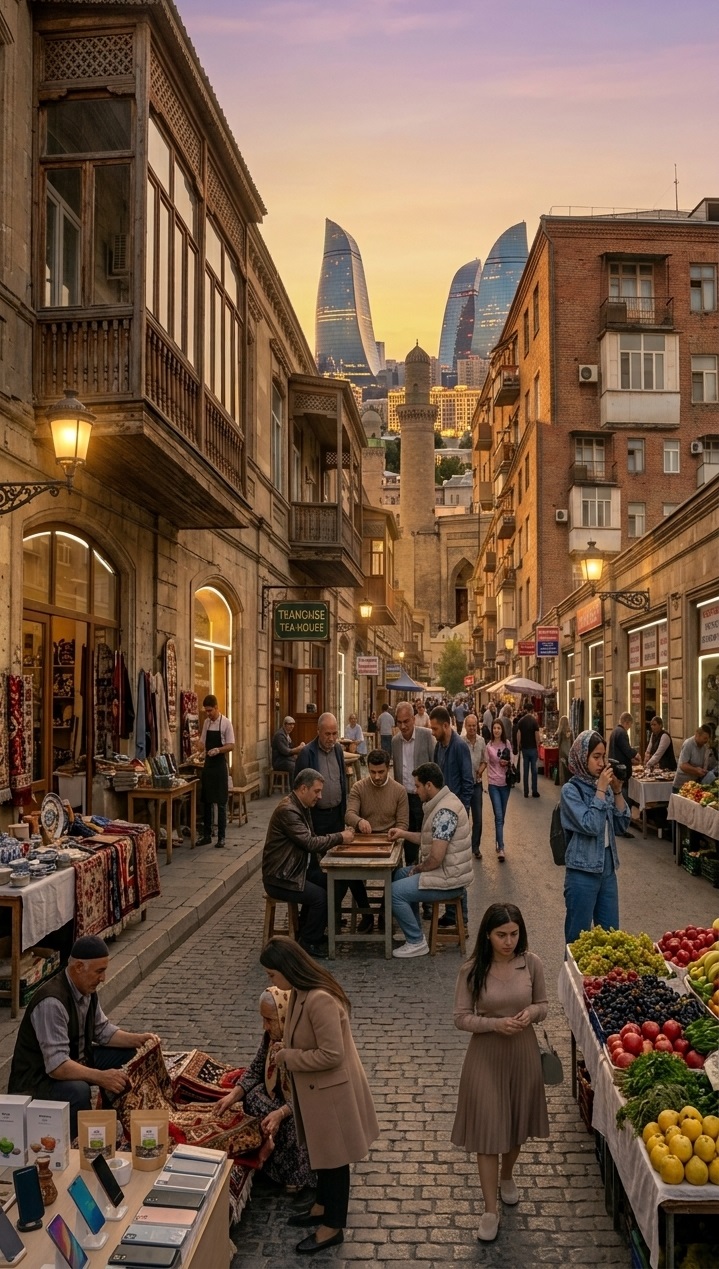
From ancient Silk Road settlements to Baku’s contemporary skyline, centuries of encounters between cultures, architectural traditions and communities have shaped a distinctive urban landscape. Its streets, buildings and public spaces reflect a diversity of influences, showing how different cultural traditions have become part of the country’s urban identity.
 Khayala Mammadova*
Darin Jan C. Tindowen*
The history of urban planning and architecture in Azerbaijan is rooted in rich and diverse traditions that have evolved over centuries. The country’s advantageous geographical location along the Silk Road provided favourable conditions for Azerbaijani cities to develop extensive economic, political, and cultural ties with Eastern countries.
Developing as important centres of trade, craftsmanship, and cultural exchange, these cities acquired distinctive architectural identities shaped by the interaction of urban planning traditions from different historical periods, local architectural characteristics, and external cultural influences. In this regard, historical architectural monuments represent not only an important component of the tangible cultural heritage of these metropolises, but also a key reflection of their multilayered historical and cultural identity.
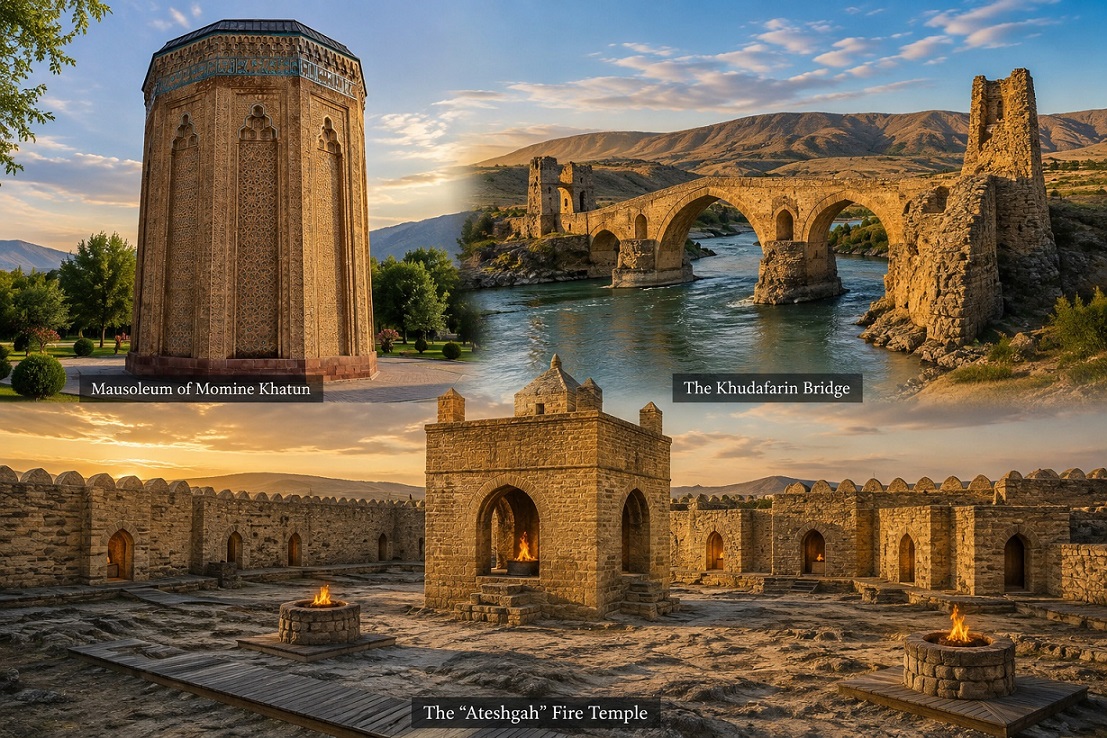
Across different regions of the country, fortresses, caravanserais, mosques, temples, and mausoleums protected by the state reflect the rich legacy of Azerbaijani national architecture. Among these monuments, the Mausoleum of Momine Khatun, the Khudafarin Bridge, the ‘Ateshgah’ Fire Temple complex, and other historical sites are particularly significant due to their outstanding artistic and architectural qualities.
These monuments have become important symbols not only of Azerbaijan’s architectural history but also of the country’s national and cultural assets. The urban planning and architectural heritage of Azerbaijan is also highly appreciated internationally. The Old City, the Palace of the Shirvanshahs complex, the Maiden Tower, as well as the historic centre of Sheki and the Khan’s Palace, which are included in the UNESCO World Heritage List, are important examples of the country’s ancient and medieval urban culture.
An evolving urban landscape
The creative legacy of Ajami Nakhchivani represents a significant stage in the development of the medieval architectural school of Azerbaijan. His architectural heritage was not confined to the territory of present-day Azerbaijan; it also exerted a considerable influence on the development of medieval architecture in the broader Middle East.
 His works reflect the artistic and aesthetic characteristics of the era and demonstrate the high level of development achieved by the Azerbaijani school of architecture during the medieval period. In the 19th and 20th centuries, Azerbaijan’s urban planning and architectural style began to change in response to evolving social, economic, and cultural conditions, gradually transforming the character of its cities.
The acceleration of industrialisation, in particular, significantly impacted Baku’s development. During this period, Baku acquired a unique urban appearance as a result of the interaction of Eastern and Western architectural traditions, becoming a significant urban centre where historical legacy and modern architectural approaches converge.
Urban space as a reflection of diversity
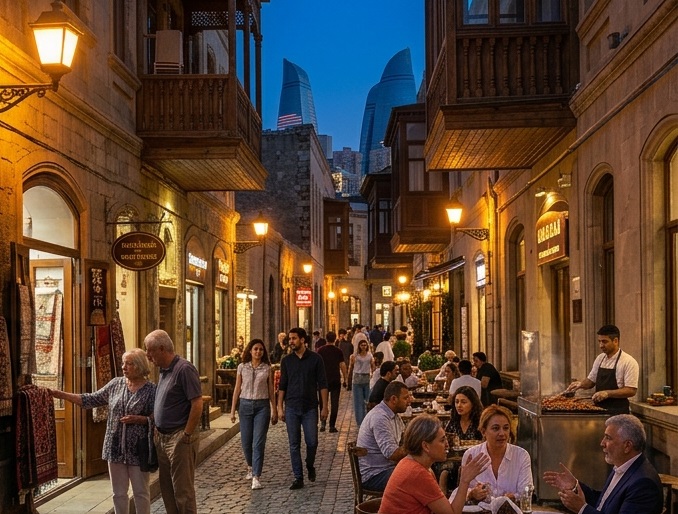
The urban environment is more than simply an assemblage of buildings and streets. It is a living social space that reflects the collective memory, values, and attitudes of a society towards diversity. The heritage a city chooses to preserve, the spaces it revitalises, and the ways in which it sustains diverse cultural traces reveal what society values as a whole. In this sense, streets, squares, residential neighbourhoods as well as religious and public buildings can become visible expressions of the coexistence of different cultures.
 This shows that architecture and urban planning serve not merely to preserve the traces of multiculturalism inherited from the past, but also as important means of ensuring its continuity in everyday life. Thoughtful organisation of urban space, while respecting the memory and cultural identities of different communities, also contributes to the formation of shared urban spaces and the strengthening of a culture of coexistence.
Reframing city planning for 2026
In Azerbaijan, 2026 has been officially declared the ‘Year of Urban Planning and Architecture’. The significance of this decision extends beyond the fields of architecture and urbanism. Urban planning is, in essence, one of the key factors shaping a society’s values, social relations, and culture of coexistence. From this perspective, urban planning can be regarded as one of the clearest, yet often overlooked, expressions of multiculturalism.
Under the leadership of Heydar Aliyev, significant measures were undertaken to preserve Azerbaijan’s historic cities and urban planning systems, which constitute an integral part of the country’s architectural and urban heritage. The restoration and preservation of historical architectural monuments were carried out systematically, while institutional mechanisms were established to support the consistent development of architecture and urban planning. These efforts contributed to the protection of Azerbaijan’s urban and architectural heritage and laid important foundations for its continued preservation and development.
Following the restoration of Azerbaijan’s state independence, new approaches to urban development emerged, particularly evident in the design and construction of monumental architectural structures. The integration of contemporary architectural approaches with national urban planning traditions has resulted in the creation of new architectural landmarks of significant aesthetic and cultural value.
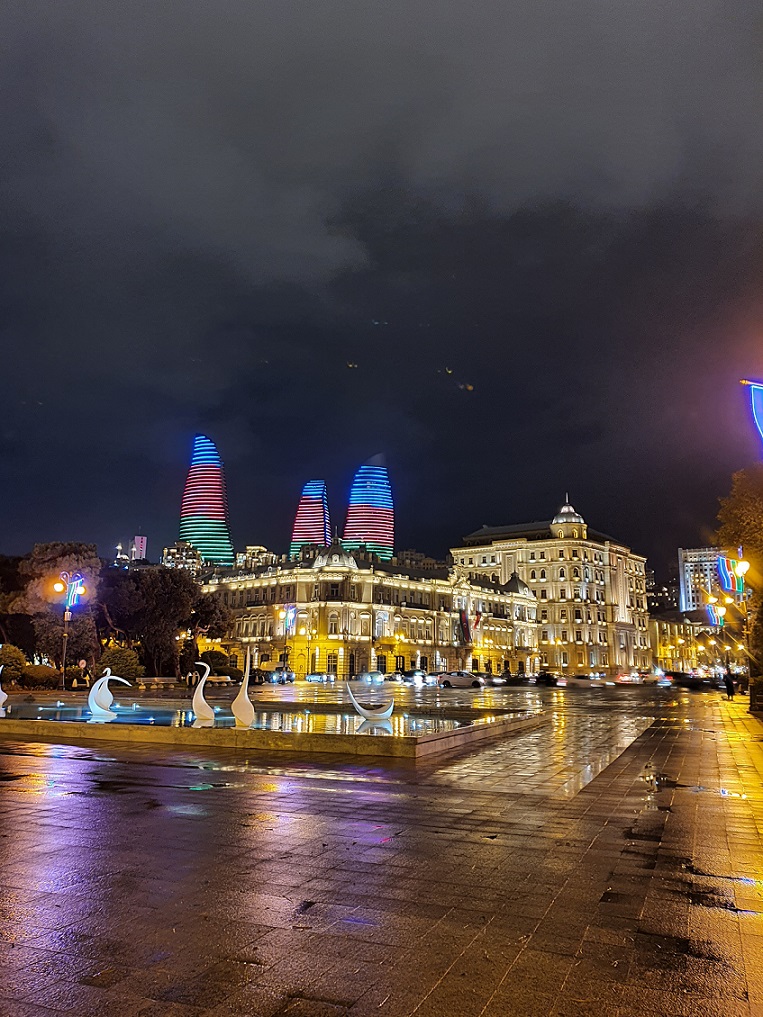
 Projects such as the Heydar Aliyev Center, the Flame Towers, and the White City complex have played an important role in enriching the architectural character of the capital. In the contemporary period, maintaining a balance between cities and regions, ensuring sustainable settlement patterns, and promoting the sustainable development of living spaces have been identified as key priorities in Azerbaijan’s socio-economic development policy.
Rebuilding cities, preserving identity
Following the Victory in the 44-day Patriotic War on 8 November 2020, a new urban planning model and its standards were developed in the territories liberated from occupation under the government of the President of the Republic of Azerbaijan, Ilham Aliyev. These developments are of great importance in presenting Azerbaijan’s urban planning experience and culture to the international community.
The experience is a clear reflection of Azerbaijan’s urban planning culture as presented to the international community. In particular, the restoration of Shusha, the country’s cultural capital —with its historic urban environment, traditional architecture, and distinctive character— demonstrates the commitment to preserving and revitalising the country’s national and cultural legacy.
In this context, the 13th World Urban Forum (WUF13), held in Baku in 2026, holds great significance for the country as it provided a platform for discussing a wide range of contemporary urban issues, including urbanisation, settlement patterns, urban planning, inclusive urban life, environmental challenges, and other pressing concerns.
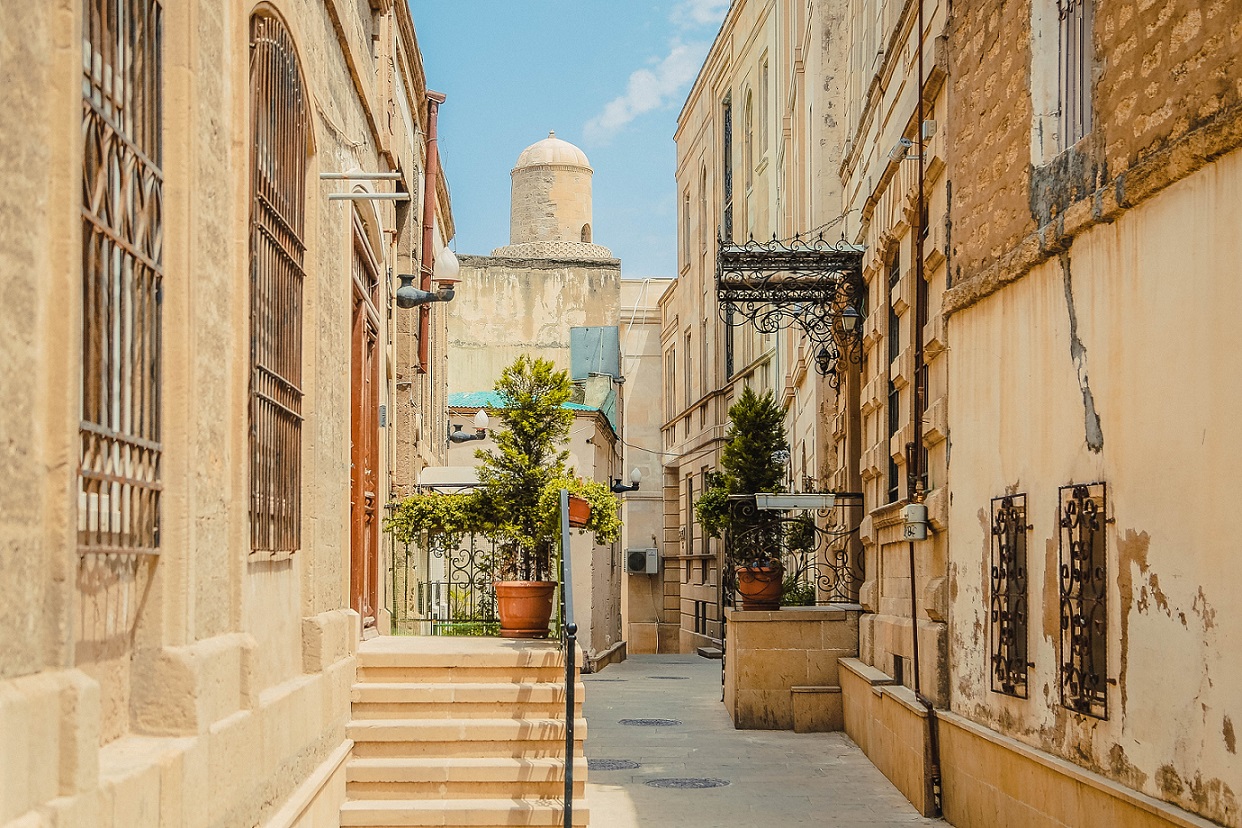 Azerbaijan presented its experience from two complementary perspectives: its historical urban planning traditions and its contemporary approaches to urban development and city-making.
*Khayala Mammadova: Founder, International Multicultural Network. Chair, Global Cooperation and Analytical Research Center PU. Baku, Azerbaijan
*Darin Jan C. Tindowen: International Multicultural Network representative for Philippines. Tuguegarao, Philippines.
(Photos: Pixabay & Images generated by Gemini AI)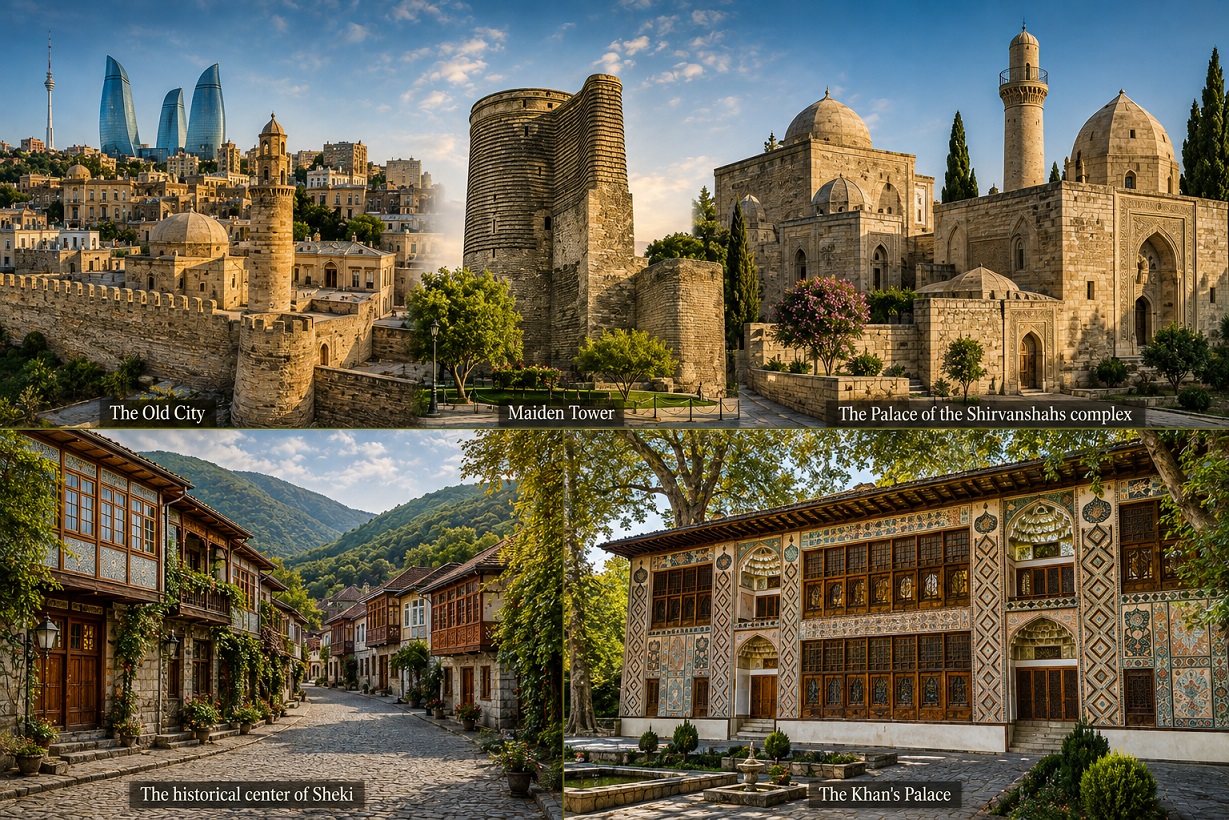










.jpg)












