
The impeachment of Dilma Rousseff did not only bring down a president. The legislature expanded its influence, the far right became entrenched, displaced traditional conservatism and reached power with Bolsonaro. A decade later, Congress remains strong, the right retains its strength, but Dilma resonates internationally and those who pursued her have lost relevance. The country is not the same.
Martha Andrés Román
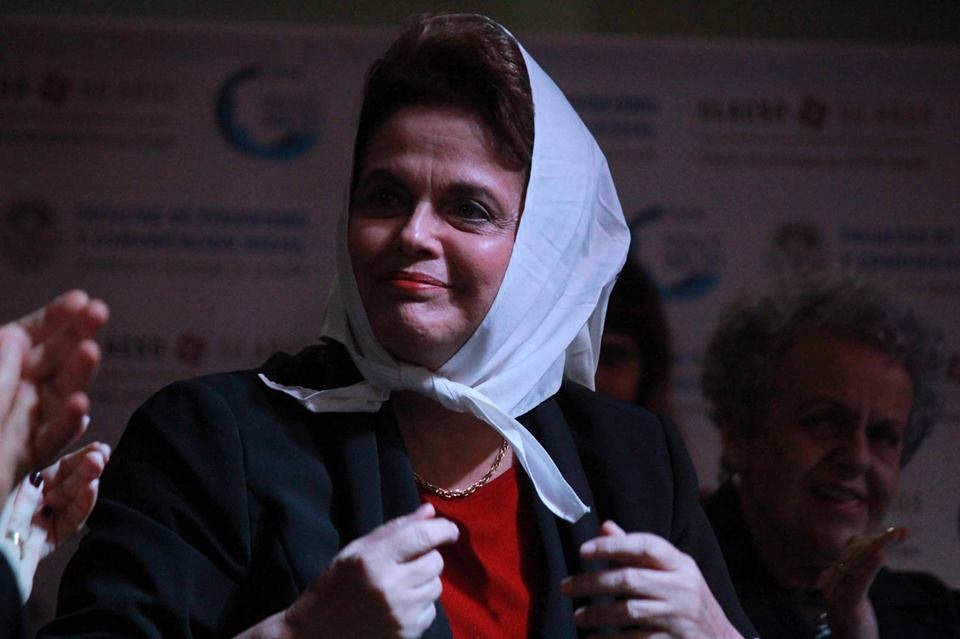
On 31 August 2016, the Brazilian Senate removed Dilma Rousseff, the first woman elected president of Brazil, from office by 61 votes to 20, bringing an end to her second term, which had begun just 20 months earlier.
The accusation underpinning the impeachment proceedings against her was based on decrees that increased budget allocations and on delays in transfers from the Treasury to Banco do Brasil intended to finance subsidies under the Plan Safra. Those operations were described by those bringing the accusation as “fiscal pedalling” and presented as violations capable of justifying the president’s removal from office. However, a decade later, the legal and political controversy is far from having disappeared. On the contrary, several of the consequences that followed the downfall of Rousseff (Workers’ Party – PT) have altered the way that episode is viewed.
One of the most revealing images of the process was its outcome. The Senate approved the loss of her mandate but, in a separate vote, rejected disqualifying Rousseff from holding public office. There were 42 votes in favour of disqualification and 36 against, when 54 were required.
The decision left a contradiction that continues to be invoked by those who believe the impeachment was essentially politically motivated: if the removal from office was the consequence of a crime of responsibility, how could the loss of office be separated from the sanction prescribed for whoever had committed it?
Impeachment and the balance of power
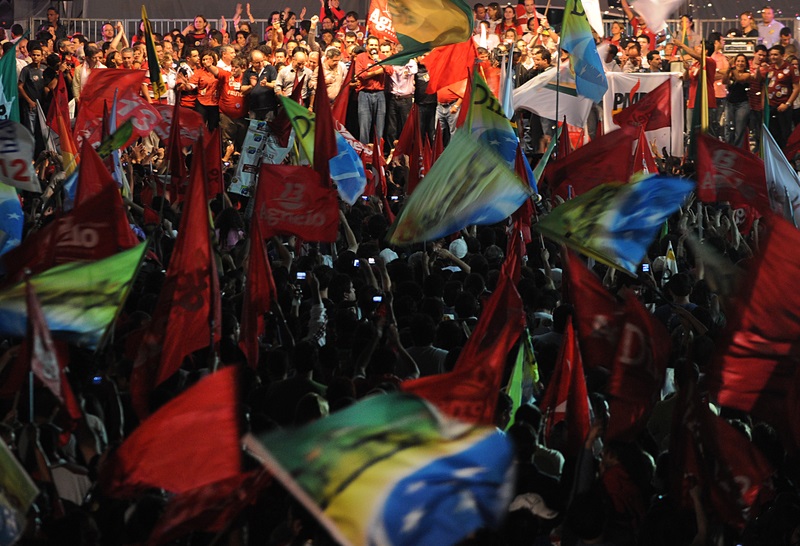
For organisations such as the Perseu Abramo Foundation and the Brazilian Institute of Social and Economic Analysis, the main consequence of 2016 goes beyond the Presidency, since the impeachment inaugurated a period of institutional weakening, deepening polarisation and declining confidence in democratic institutions. In turn, the CartaCapital portal identifies a particularly important transformation: the strengthening of the National Congress.
In the years that followed, the legislature increased its capacity to influence the distribution of the budget and turned parliamentary amendments into a central instrument of negotiation with the executive. During Jair Bolsonaro’s government (2019–2023), that trend came to be expressed in the so-called “secret budget”, which was subsequently declared unconstitutional by the Federal Supreme Court (STF).
But the change did not disappear with Bolsonaro, as Congress continues to have a much greater capacity to exert pressure on the executive than it did before 2016, while the STF is increasingly called upon to establish the limits of that expansion.
José Eduardo Cardozo, Dilma’s lawyer during the removal process, told CartaCapital that the removal of a president without any crime having been committed set a precedent that altered the relationship between the legislative, executive and judicial branches.
Impeachment and Bolsonaro’s rise
The second major interpretation of these ten years that can be seen in the assessments of Brazilian analysts and news media is related to the far right.
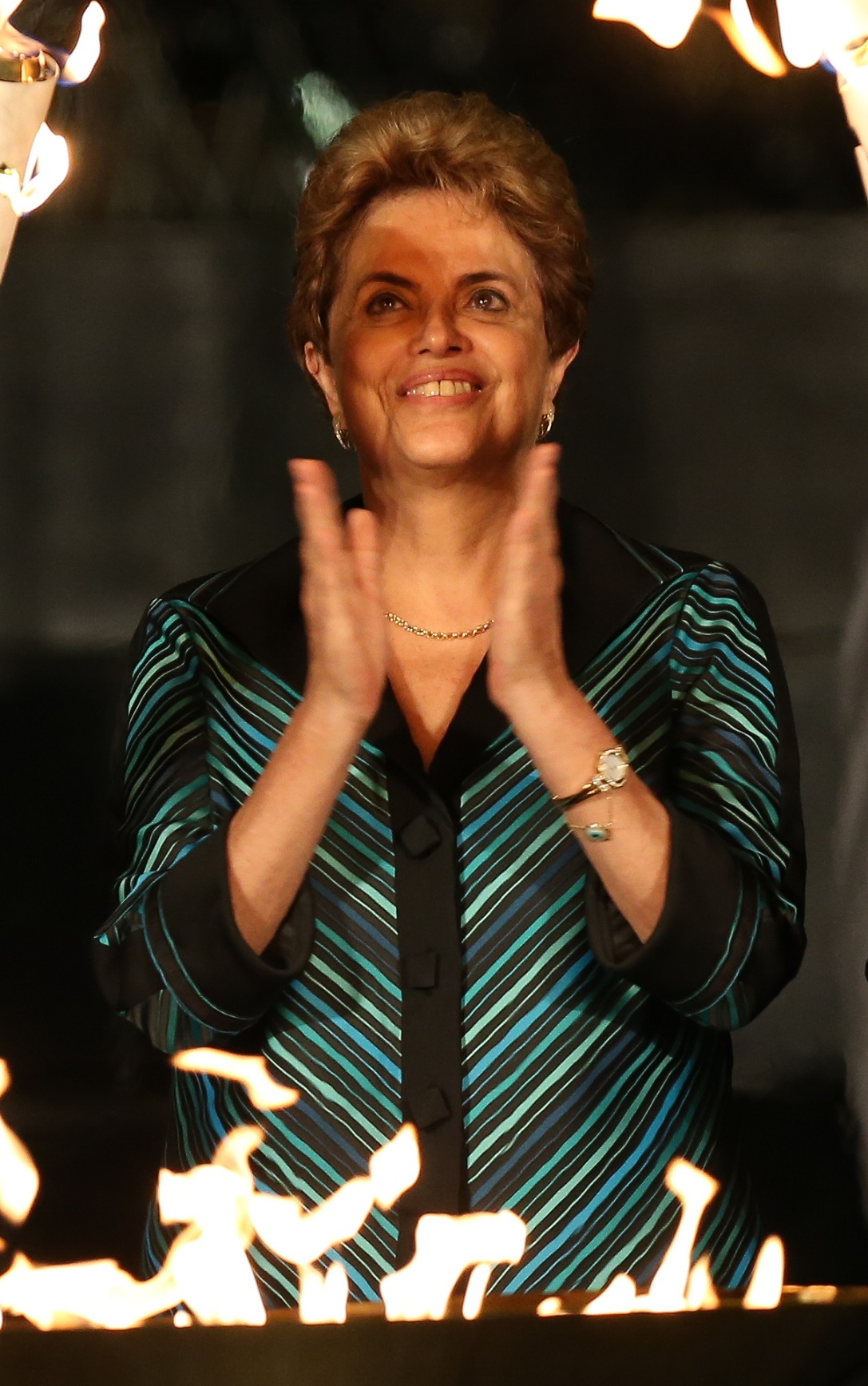
The impeachment alone does not explain Jair Bolsonaro’s arrival in the Presidency following the 2018 elections, but the parliamentary session of 17 April 2016 that paved the way for the impeachment proceedings gave Bolsonaro a national platform.
When casting his vote in favour of the removal proceedings, Bolsonaro invoked the memory of Colonel Carlos Alberto Brilhante Ustra, recognised as one of Dilma’s torturers during the military dictatorship, and turned that day into one of his first major platforms as a far-right deputy.
For former MP Ivan Valente, interviewed by Brasil de Fato at the beginning of the year, the process was a “great fraud” and an institutional coup promoted by sectors of the economic and media elite.
His interpretation coincides with that of organisations which consider that the removal contributed to creating the political environment that subsequently favoured the growth of authoritarian forces.
The Perseu Abramo Foundation adds another dimension: gender-based violence, because the former president was not only politically challenged, but subjected to a campaign marked by misogynistic attacks and the delegitimisation of her authority linked to her status as a woman. That problem did not end with her. Data released in 2026 by the E Se fosse você Institute show that more than 70 women had their mandates suspended or were targeted by attempts to revoke them in Brazil during the 2015–2025 period.
On the other hand, the most paradoxical consequence of that event was that the far right ultimately displaced a large part of the traditional conservative sectors that had contributed to bringing down the former president.
Eduardo Cunha, then president of the Chamber of Deputies and a central figure in the opening of the proceedings against Dilma, acknowledged in April 2026 the role he attributes to the impeachment in the subsequent rise of that political tendency. “If I had not carried out the impeachment, Bolsonaro would not have been president,” he said.
The winners
Some of the protagonists who appeared to be the winners in 2016 subsequently lost much of their influence, such as Cunha himself, who is now attempting to return to Congress and claims his main legacy is his role in Dilma’s removal, while facing fresh legal questions over his candidacy.
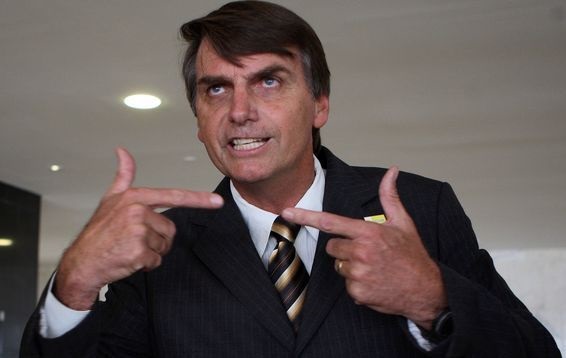
The Brazilian Social Democracy Party (PSDB), which supported the removal process, entered a prolonged crisis, and Michel Temer, who replaced Dilma in office, ended his term without building an electoral succession capable of turning his project into a new presidential majority.
Even within the group that voted for her removal, self-criticism began to emerge. Former senator Renan Calheiros, who was heading the Upper House at the time of the impeachment, described the process as a mistake just a year later and said that, after the former president’s departure, the country’s problems had worsened. Aloysio Nunes Ferreira, then a PSDB senator, said in an interview in 2023 that it would have been better to allow Dilma to complete her term and face the PT at the ballot box, and even stated that his party had ended up walking alongside the far right.
While the former winners reconsider their actions at the time, with varying degrees of acknowledgement and assessment, Dilma Rousseff now occupies an international position that would have been difficult to imagine in August 2016. In 2023, she assumed the presidency of the New Development Bank, the financial institution of the BRICS group, and in March 2025 she was unanimously re-elected to remain in office until July 2030.
For this reason, when recalling those events, several sources also point to a historical irony that is difficult to ignore, because, after being removed from the Presidency, she now heads that institution and has accumulated international recognition, while several of the protagonists of her removal have lost political influence.
Indeed, on social media many Brazilians have on occasion turned to a meme dubbed “Querido Diario” (Dear Diary) to celebrate Dilma’s subsequent achievements and contrast them, humorously, with the fate of some of her adversaries.
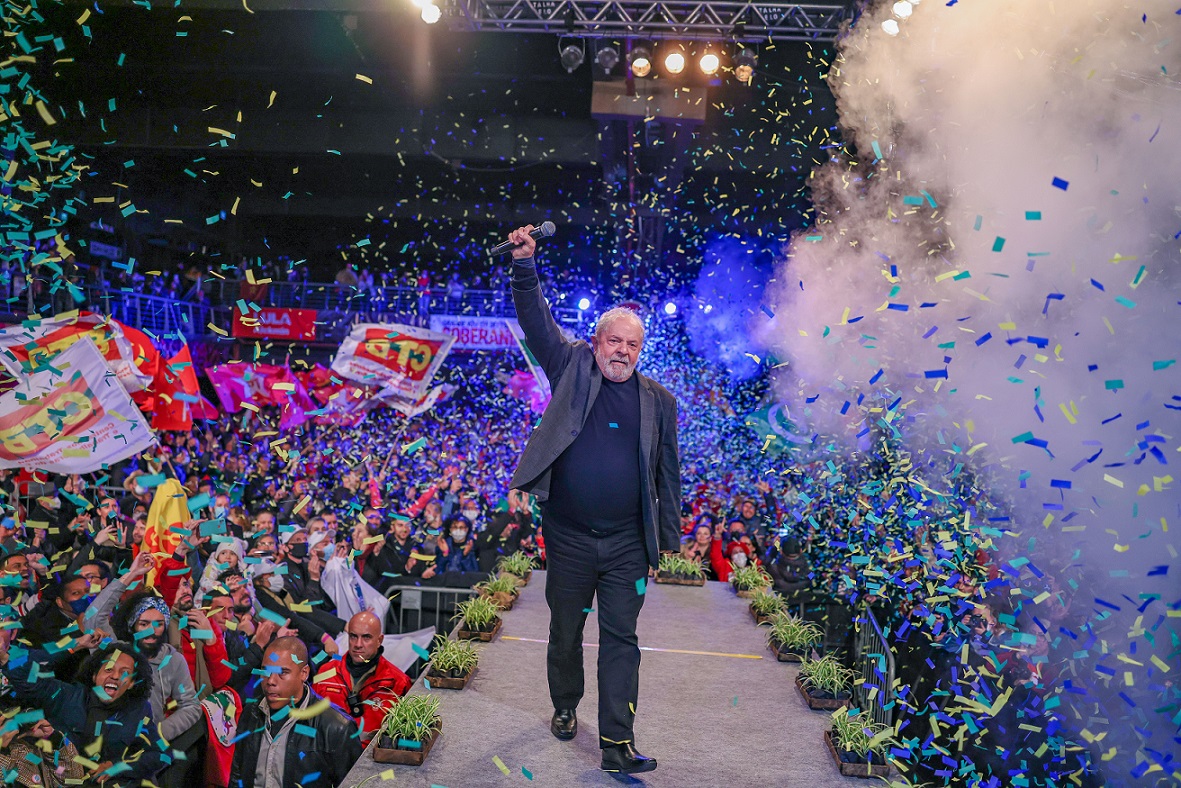
Moreover, the PT returned to national government with Luiz Inácio Lula da Silva in 2023, even though the country that the current president returned to lead in his third term is not the same as the one that existed before 2016.
During this new period in the Planalto Palace, Lula found a much stronger Congress, a right that had become a permanent electoral force and institutions subject to a much more intense political dispute. PL
(Translated by Rene Phelvin) – Photos: Pixabay










.jpg)












