
More than 170 thousand beneficiaries of TPS will lose their work permits if the programme ends. They have brought up citizens, bought homes and paid $1.5 billion in taxes annually. The end of the programme would leave El Salvador without 25% of its remittances.
 A week ago, the United States celebrated Labor Day in a context in which immigrants, the force that sustains the backbone of the national economy, are under attack from the immigration policies of the current administration.
For example, thousands of Salvadoran workers could lose their Temporary Protected Status (TPS), initially granted 25 years ago. According to reports, more than 170,000 of them will be left without their work permits and protection from deportation if the programme ends this September 9th. According to specialist analysis, Salvadorans constitute the oldest population with TPS in the country. “They gave them protection in 2001 for the first time and, during a quarter of a century, they have raised their children as U.S citizens, they have bought homes, they have opened businesses and they have been a fundamental pillar of essential economic sectors”, a recent report highlighted.
Salvadoran TPS beneficiaries pay around $5,400 million per year into the economy, they pay $1,500 million in taxes and they are important contributors in sectors such as construction, transport, the manufacturing industry, and hospitality, local media report.
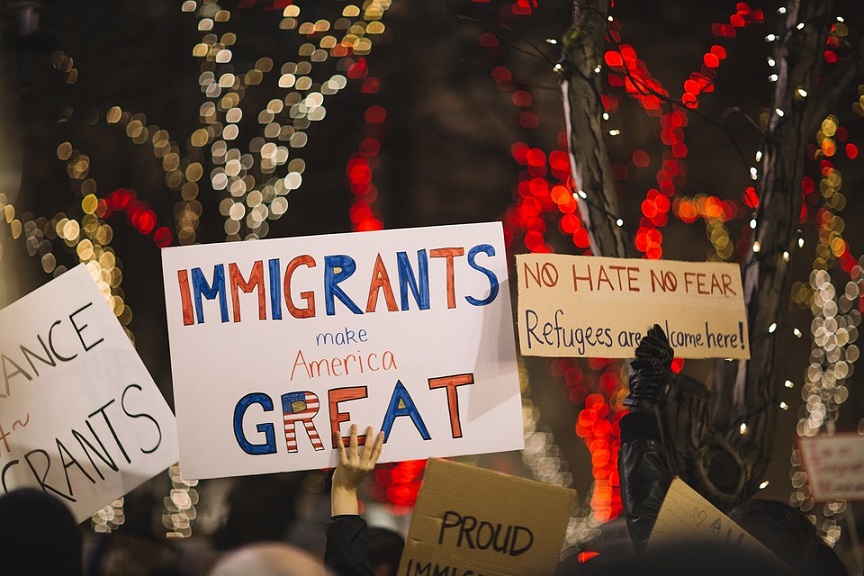 An article published in ‘La Opinión’, the most read Hispanic newspaper in the United States, noted that, if the beneficiaries of TPS lose their work permits, the Central American country would stop receiving the remittances that represent almost 25 percent of El Salvador’s Gross Domestic Product (GDP).
For Haitians the measures taken by the Donald Trump administration have taken effect.
Around 350, 000 from this Caribbean country have lost their TPS, and the impact has highlighted painful stories such as that of Pierre Damas Bel, 20 years old, a young person that used to live in Springfield, Ohio. Damas Bel decided to commit suicide when TPS stopped existing for him. “I came to this country in order to continue with my studies, I didn’t come here to commit a crime nor to harm anybody.
However, now I go around the streets of the United States with a GPS tracker on my leg, carrying a feeling of shame and humiliation that I never imagined I would experience,” he wrote on social media before he took his life.
 Meanwhile, the Immigration and Customs Enforcement Service sets detention records, with more than 50,000 in July and August. PL
(Translated by Carol Byrne – Email: guerrera247@hotmail.com) – Photos: Pixabay










.jpg)












