
Media companies remain silent and the opposition clings to digital platforms while completely abandoning community work. In this vacuum, through networks of solidarity, complaints and an Erasmian spirit, citizens must face stigmatisation, blacklists of inconvenient people and extrajudicial executions
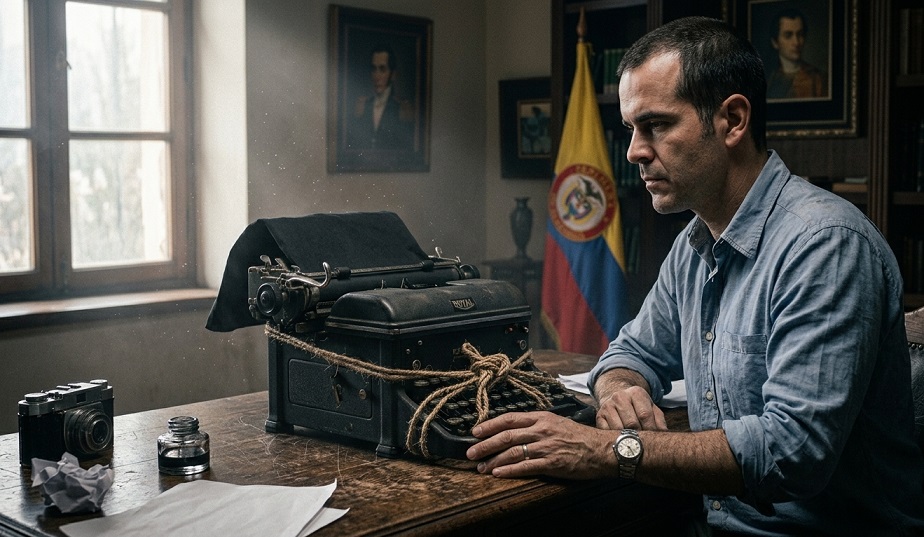 Germán Ayala Osorio*
The regime that was recently installed in Colombia did not originate with Abelardo Gabriel de la Espriella Otero. It is the same one that has been operating in the country for more than 200 years, and which is characterised by its private (Mafia-style) capture of the State, the subjection of natural ecosystems to violent transformation processes that eliminate their environmental services, and the societal rift between “good” and “bad”; between “useless” and “necessary”. The “land of atrocity” has returned. Ultimately, across those strategic ecosystems, we will see extensive cattle-ranching and monocultures of sugar cane, palm oil and coca; roads built to benefit the owners of those ranches and, of course, processes of urban gentrification that will eradicate any memory of the existence of wetlands, rivers and tree-lined avenues.
Cali, the Valle del Cauca and the geographical valley of the Cauca river endured the footprints of those who brought and imposed sugar-cane monoculture and the destruction of rivers and old river channels. This disregard for natural life is compounded by a disregard for the lives of critics, free-thinkers, feminists, left-wing people and progressives.
 There are, of course, differences with previous governments, but they are not structural ones: flexible ethics, immorality, double standards and an anti-democratic disposition remain as defining characteristics of this regime of terror which is making a return, after the forced pause represented by Petro’s government.
There are, however, new players such as social media, and the gradual emergence of independent media and journalists who daily face the lies and half-truths of media companies that opted to “keep quiet” in the face of decisions by the highest levels of government. These decisions, as is tradition in this country, benefit four or five mega-rich families who have reclaimed the presidential Casa de Nariño, with their overseer and full complement of servants, to continue doing business, impoverishing Colombians and generating the socio-environmental and ecological conditions that make us feel “solastalgia”. This is what is usually left by a development model that is evidently unsustainable and responsible for the multiple crises driven by climate change.
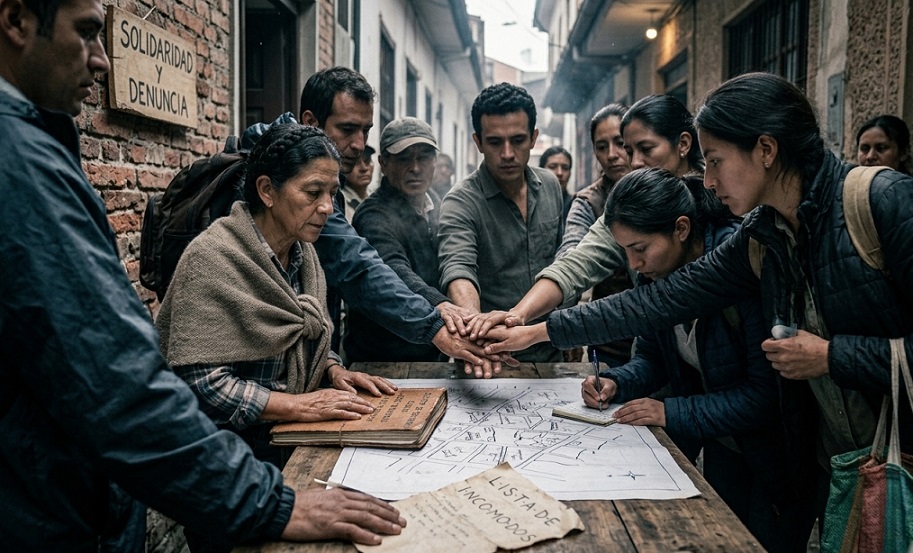
Therefore, this is the panorama and the real situation facing the country. The question is: What can we ordinary citizens do? “Resist” is the first word that comes to mind. Others recommend creating solidarity networks to exchange information, analysis, and even foresight exercises, as well as to warn of dangers associated with the presence of old “cops” and the creation of blacklists of inconvenient people for the government.
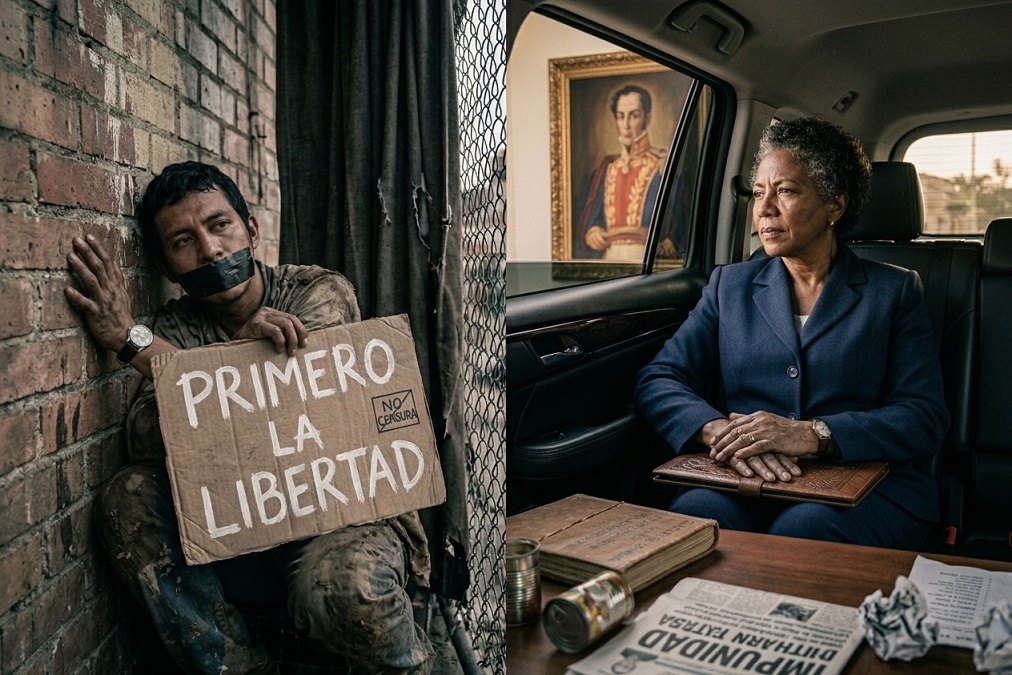 One hears the terms “document” and “report” applied to practices violating human rights, which is very typical of ultra-right regimes like the one which has recently begun its campaign of persecution, stigmatisation and symbolic and physical disappearances in Colombia. The first “false positives” have already been mentioned; that cruel euphemism that the press is using to avoid calling them extrajudicial executions or state crimes. The cases of Ricardo Andrés Martínez Rodríguez and Donovan Balanta demonstrate, though with evident differences, that this return of police violence has still not been condemned by the highest levels of government. There is a deathly silence in response to the demands of the Ombudswoman and to reports on social networks and in the international media of the events that led to the deaths of these two young men.
The worst thing that we could do as citizens is to keep quiet and normalise what we had naively believed for four years had been banned in this country: state violence. The voices of the opposition, independent journalists and the rest of the citizens who have already recognised the danger that the country, its institutions and its natural resources are in sound weak, almost imperceptible.
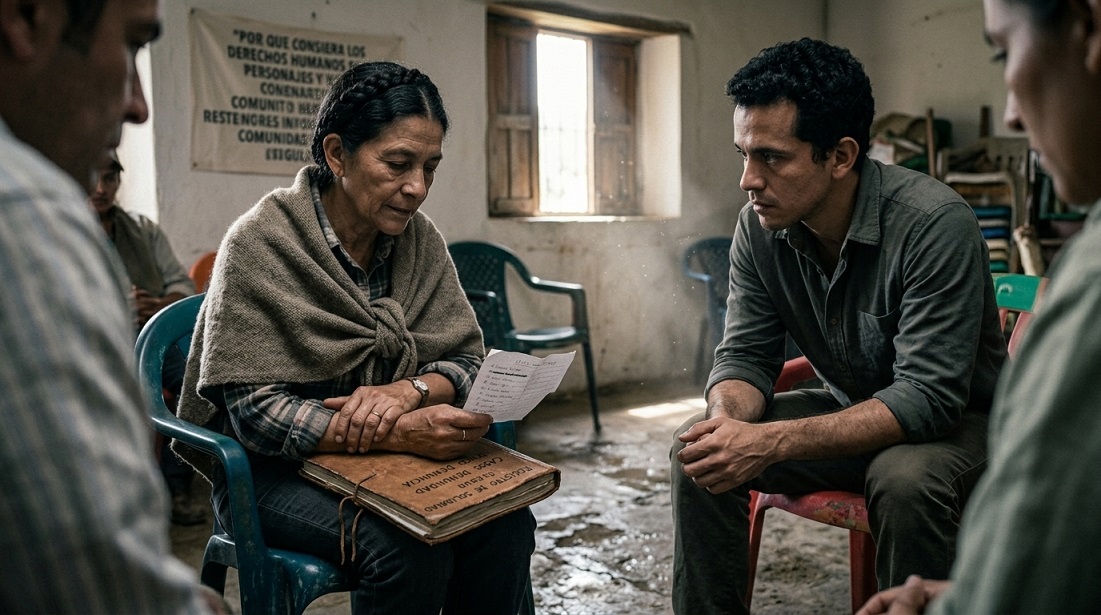 The Historic Pact, despite its internal fractures, continues to cling on to social media and issue responses, having forgotten community work and the creation of activities to counter the discourse.
Relying on everlasting grimoires will not help at all to change the fate that the neoliberal, pious far right has in store for us over the next four years. Neither does it help to think of the wildcat in the government house as Beelzebub, when he is, in reality, little more than a blustering Fierabras. The coprolalia seen on social media does little to discredit his administration. That said, despite the fear stoked by the far right, with all its ideological and repressive state apparatuses, we must uphold, as far as is humanly and rationally possible, the Erasmian spirit of those who believe it is possible to coexist in the midst of differences. We must continue to oppose the “internal enemy” doctrine spread by Uribism against anyone who at the time opposed what was said by its Messiah, who has now become a weak, old crone silently applauding everything his political creation says and does.
There is still a long way to go. Perhaps the real miracle is that we survive this new onslaught from a far-right that has become dangerously more religious, fanatical, boastful, hypocritical, sycophantic and deathly.
*German Ayala: Political Scientist, Contemporary Humanities specialist and Social Communicator-Journalist. Author of the blog La otra tribuna.
(Translated by Donna Davison -. Email: donna_davison@hotmail.com) – Photos: Pixabay










.jpg)












