
Through showing the impact of the use of lobotomy on her grandmother, her film also deals with the social power of doctors, which they usually deny, claiming that their diagnoses are ‘objective’. The moral discourse on ‘normality’ always influences psychiatric categories.
 Graham Douglas
What is really shocking is that 85% of lobotomies were carried out on women, according to statistics from France, Belgium and Switzerland.
It was Walter Freeman in the US, where the issues are still relevant today, who propagated its use globally.
Egas Moniz won the 1949 Nobel Prize for his investigations that led to the use of lobotomy, and the hospital where he worked still carries his name. Many people have called for the cancellation of his prize but this is not legally possible. Catalina says: “At the time when the lobotomy was carried out on my grandmother, there was no informed consent, the doctor made his decision without requesting permission, especially in the case of women, rather like today we decide the treatment of children who are ‘not well’. My work is documentary.”
This new film has been well-received, especially in Colombia, as it is a French-Colombian co-production, and the story happened in Bogotá. But it has also been shown in Argentina, Uruguay, Ecuador and Chile, and of course in France.
 It is also available on the platform Retina Latina, and will be shown on the French documentary channel Tënk.
She is presently working on a new project on epilepsy, an illness that is still stigmatized, with the intention of showing the different perceptions of the illness by the patient (often a child), their parents, and the doctors. I spoke to Catalina for The Prisma after the showing of her film “Ana Rosa” at the Casa da America Latina in Lisbon.
Your previous films suggest that you are interested in social injustices.
Yes, social and gender injustice, and what is closely linked to them: marginality. They erect barriers between people who are in the “normal” part of society and those on its edges. That also includes social and political marginality and the way that madness is defined. Nowadays mental illnesses are treated differently, but at that time those patients were socially excluded.
 The first lobotomies were not carried out on schizophrenic patients but on prostitutes, here in the Egas Moniz Hospital in Lisbon. The same happened to Freeman’s patients in the USA, and in France.
This shows clearly how surgery was used as a social control not as a treatment for an illness.
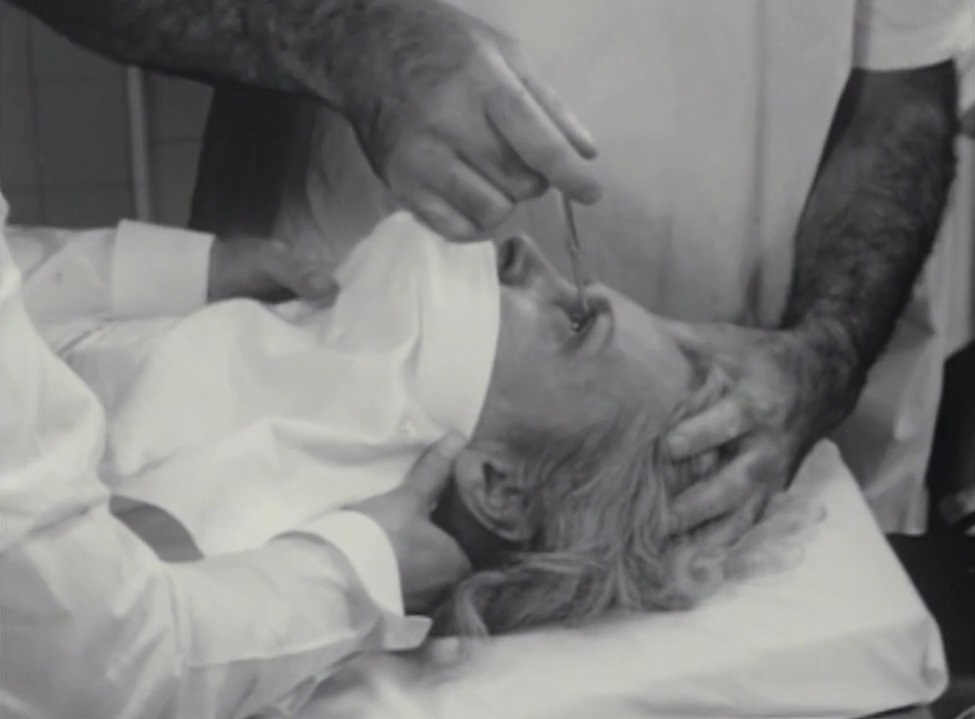
Exactly, not just a medical treatment but also a means of controlling those who didn’t adjust to “normality”, especially women. What I was most interested in was the photos that Freeman made: he wanted to publicize his method, to show other doctors what lobotomy was, and he filmed many patients before, during and after the operation. When he showed the “after” of a woman that had “been cured thanks to lobotomy”, we see that all she could do was hold a teddy bear and do sowing.
There have been many reports of abuse of children and women in schools and reformatories run by the Catholic church. Did they promote lobotomies?
They didn’t promote it, but we have to consider that the psychiatrists had invented diagnoses with no scientific justification, and that they were influenced by prevailing moral attitudes.
In Colombia the place for a woman was in the home, in the kitchen and she should behave “rationally” and calmly and not be rebellious, because that would be considered an “illness” that had to be “cured”.
Catholic morality was part of this attitude, and psychiatry was strongly influenced by the society of the time and its conception of what was or wasn’t normal.
Your uncle, Alvaro, Ana Rosa’s elder son became an anti-psychiatry activist after he learned more about the effects of lobotomy, but other family members worried that the film might show them ‘doing their dirty washing in public’.
Making the film made clear that Ana Rosa’s treatment was not something to hide and keep silent about. On the contrary, it is an important social and political issue. We are not in conflict about this now because they recognize that I haven’t made a terrible judgement against my uncle.
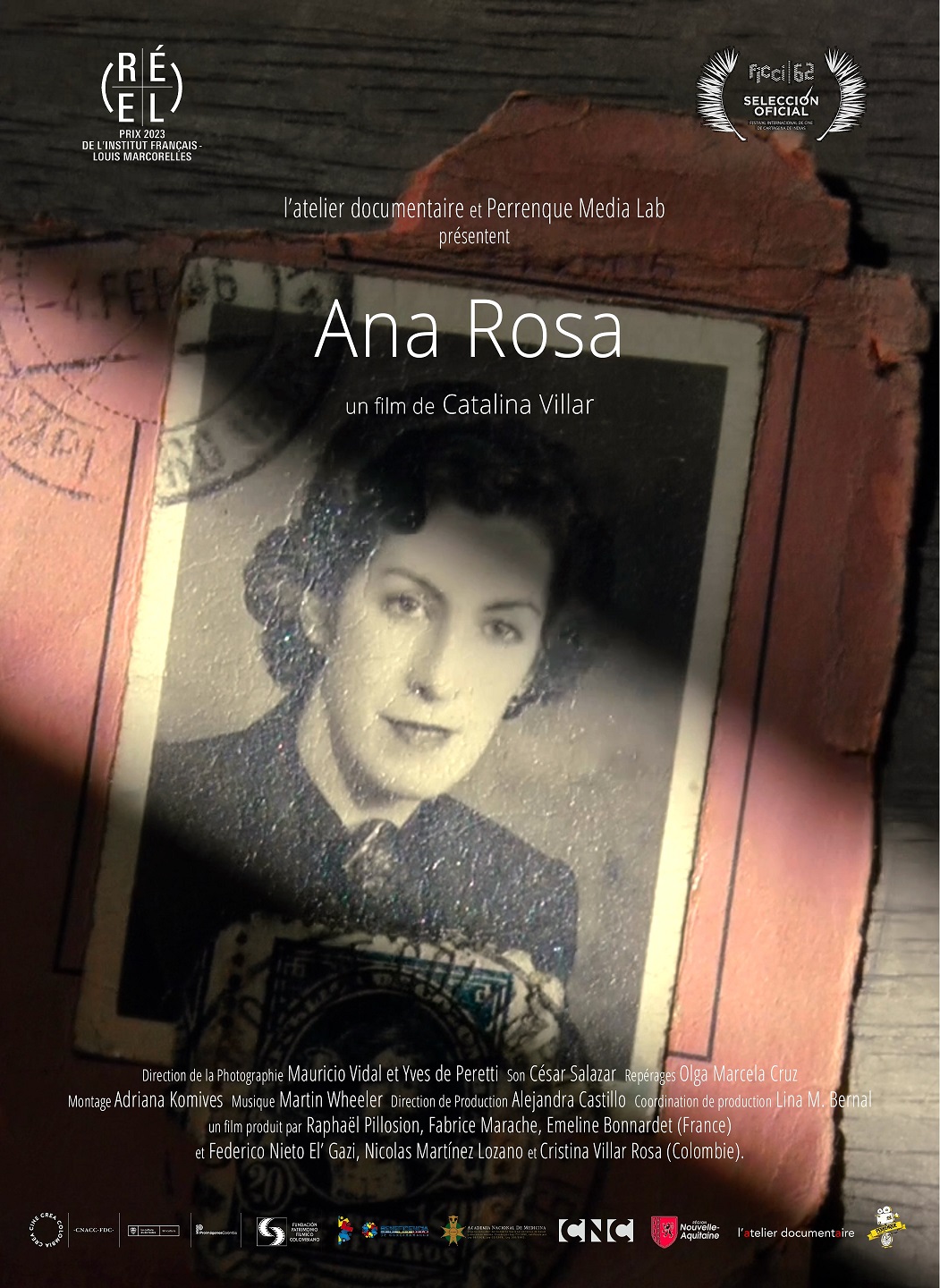 There was a context, a scientific way of thinking constructed by others, loaded with social and political issues, which maybe my uncle and other doctors in Colombia believed, because there were many articles in medical journals and in newspapers promoting lobotomy.
How was the film received by the press in Colombia?
Very well. It’s the first film that has been made about psychiatry in Colombia in recent years. I was very moved that after each showing, people came to tell me their personal stories about mental illnesses in their families. It’s a double suffering to see someone ill and also to feel the weight of society looking at it.
In Colombia there were serious disturbances especially in 1947. Did they influence the repression of women?
No, they only involved men. The majority of women stayed at home, and in the case of my grandmother, she was in Miami at that time, where she went after the death of her husband. He was a pharmacist and it’s possible that he committed suicide, although we don’t know for certain. But we know that he treated Ana Rosa very badly at home. After his death she felt free and decided to go to Miami with her lover, but he stole her money. She was obliged to play piano in bars, until the police came and as she had no permit to live there, she and her son Ernesto were sent back to Colombia. This was between 1946-48, during the disturbances of the Bogotazo, when the centre of Bogotá was almost destroyed. When they returned it was in ruins. She began to suffer migraines again and became dependent on morphine.
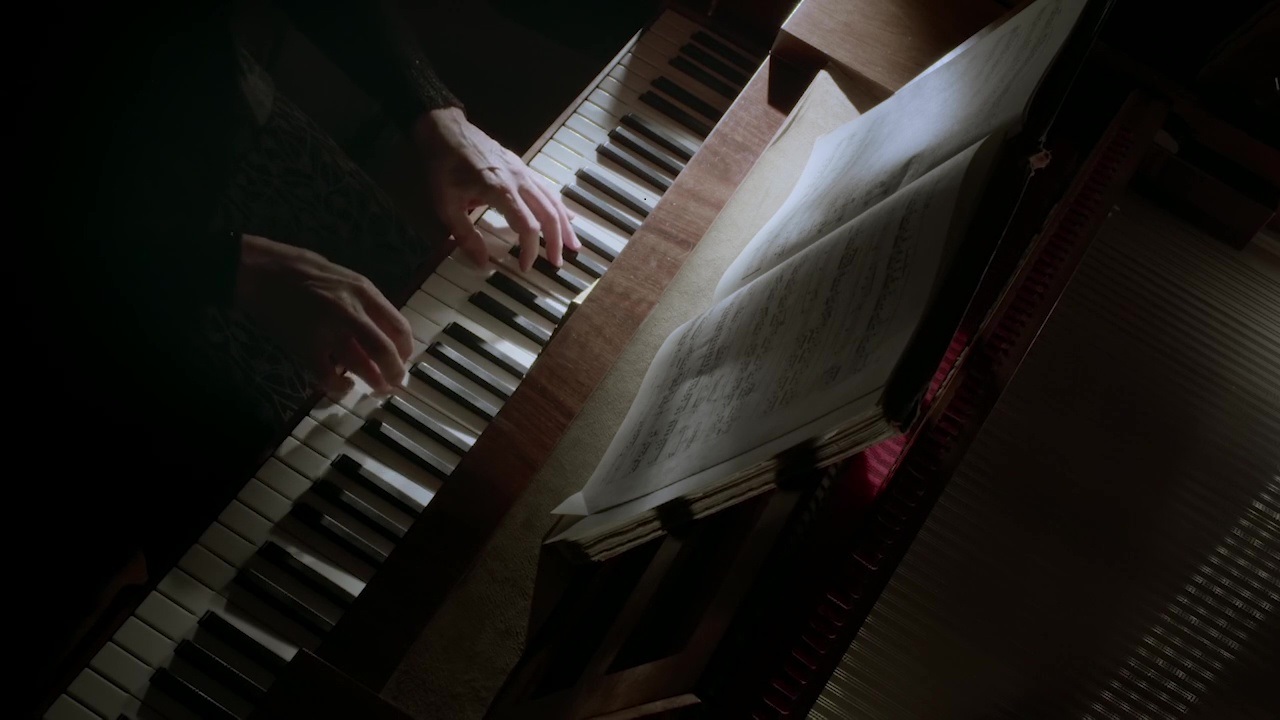 What interested me most about the images of Bogotá at that time was not so much the political context but that for me it’s an image of her own suffering and destruction.
Was she buying morphine in the street?
It wasn’t illegal at that time; you could buy it with a prescription. Her husband also suffered migraines but being a pharmacist, he could get it. In Miami the migraines stopped but came back when she returned. But the prescriptions of the elder son who was a doctor were not enough, and Ernesto had to get more on his own account. Living with people who are seriously ill is terribly difficult. They tremble, they sweat and throw themselves on the floor with the pain. I imagine that he couldn’t take it anymore.
Is it possible that in Miami she felt free to express herself and so the migraines stopped?
Probably, we are not sure, but Ernesto told me that she wasn’t suffering in Miami.
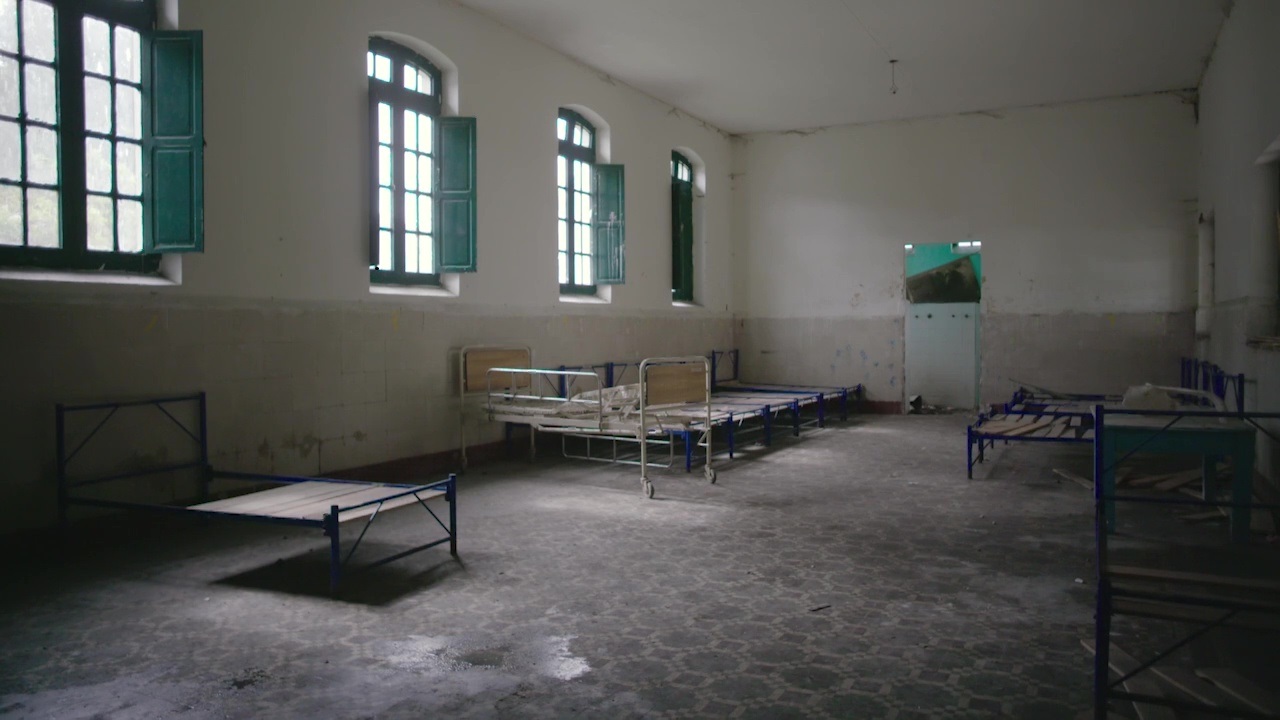 How did they arrive at a diagnosis for lobotomy?
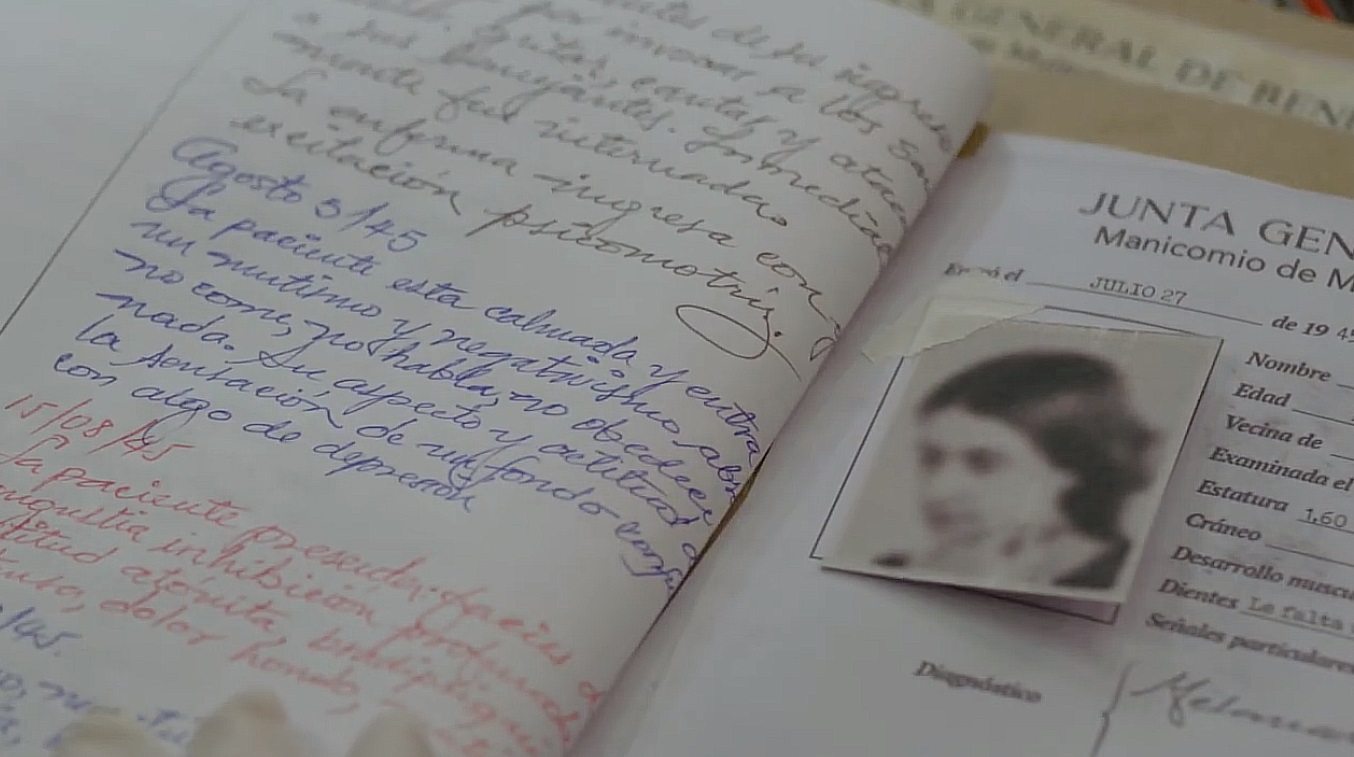
We haven’t found any diagnosis; all we know is that she suffered migraines. I was born later and never knew Ana Rosa, but my cousin said he never saw any psychiatric symptoms. The only reason was her morphine dependency. My uncle, her elder son, knew the neurologist who brought lobotomy to Colombia and thought that was the necessary treatment. In the ‘40s it became very popular although there were always psychiatrists opposed to it, and in the ‘50s criticisms increased. The organicist school was very strong at that time, which was even before the new anti-psychotic drugs were introduced. What is difficult for me to accept is that my grandmother had a lobotomy very late, in 1957 or 58.
Ana Rosa was a talented pianist. Was this level of self-expression in a woman wiewed by psychiatrists as a sign of lack of self-control?
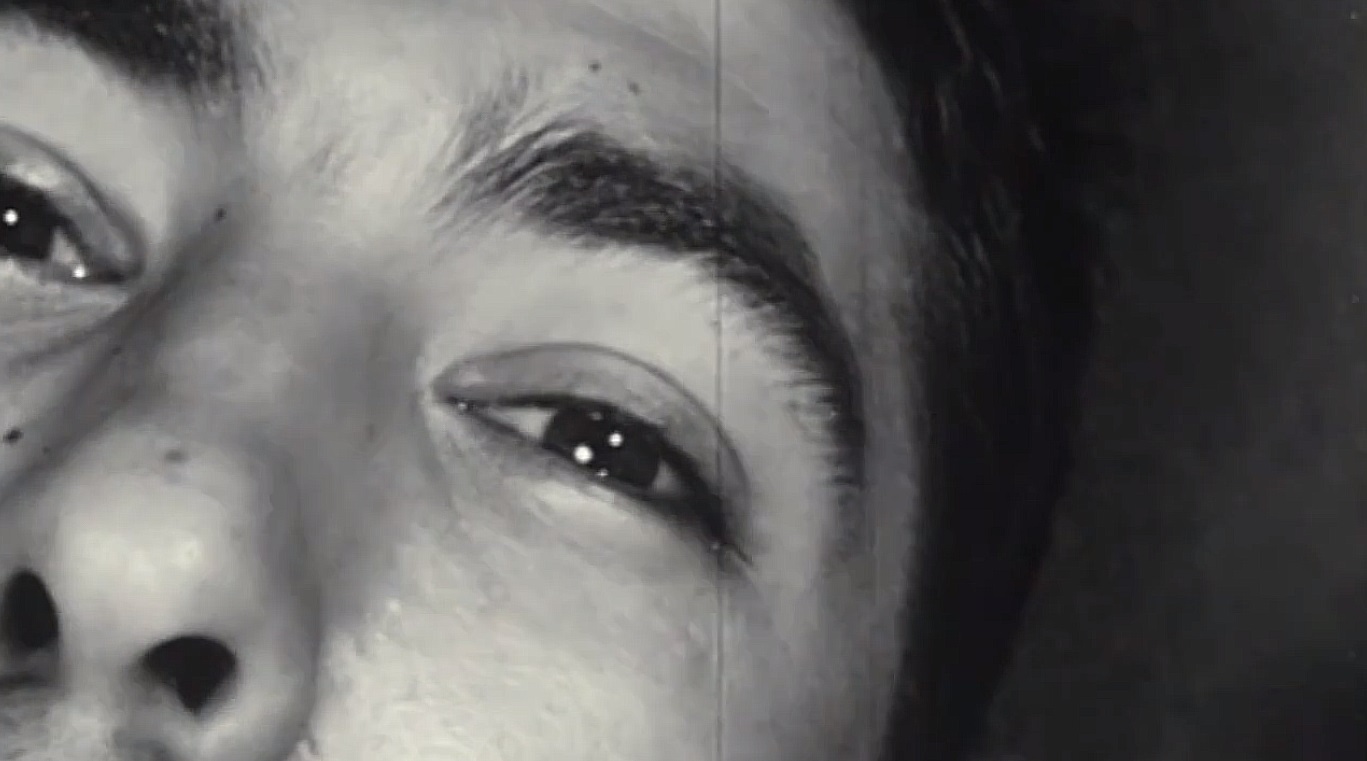 No, but I believe that my grandfather wanted a woman who was more organized at home. She didn’t play in public, but she gave classes at home, which meant that there were men visiting the house. Bogotá was scandalized after her husband died and she left with her lover. For me on the contrary I think it was great that she found a new life when she was 40.
(Photos provided by the interviewee and authorised for free publication in The Prisma)










.jpg)












