
A film made for cinemas is especially original because it forms part of an upcoming mini-series about refuges for women suffering from domestic violence. The violence may have stopped, but the feelings of loss of personal space and even identity are new challenges to be grappled with in unfamiliar surroundings. Solidarity and resolution take time.
 Graham Douglas
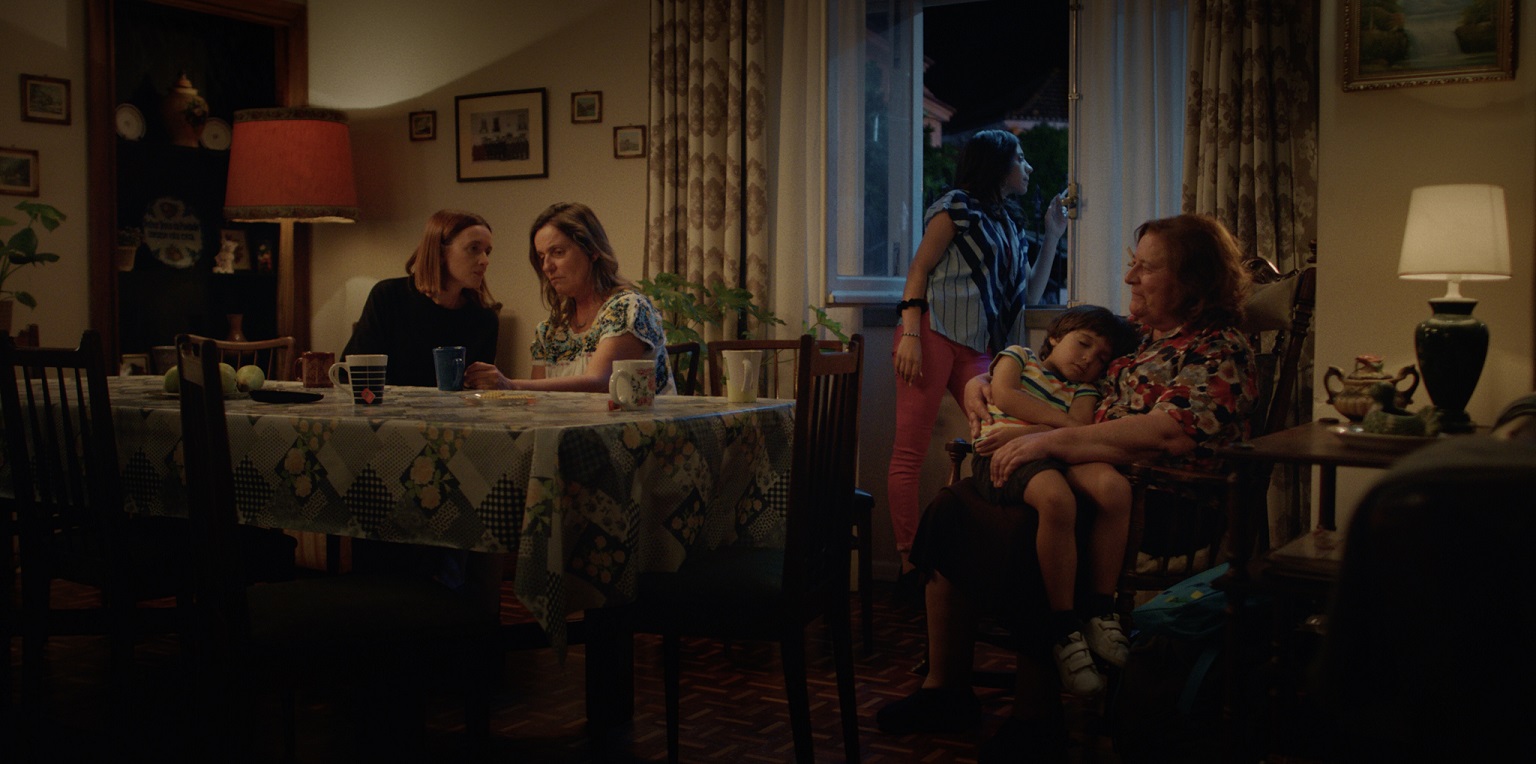
Many countries recognise the need for women to have safe accommodation away from a violent partner, where they can gain some equilibrium, recover from the loss of respect, and develop some solidarity with other women, while often slow-moving legal processes continue. That there are not enough places available goes without saying, especially now that politicians are ruthlessly cutting social services to reduce taxes for the rich. If you have not experienced this journey, or are not a social worker, you may imagine a refuge as a place of blessed relief, but the reality is that the struggle continues – how could it not?
Marcio Laranjeira’s powerful film is unique in being a preview of a mini-series that will be shown on both Portuguese and Spanish TV networks this year and deserves the widest possible distribution. Instead of focusing on scenes of violence in the home, it looks at the issues involved in recovery, recovery of safety, and identity.
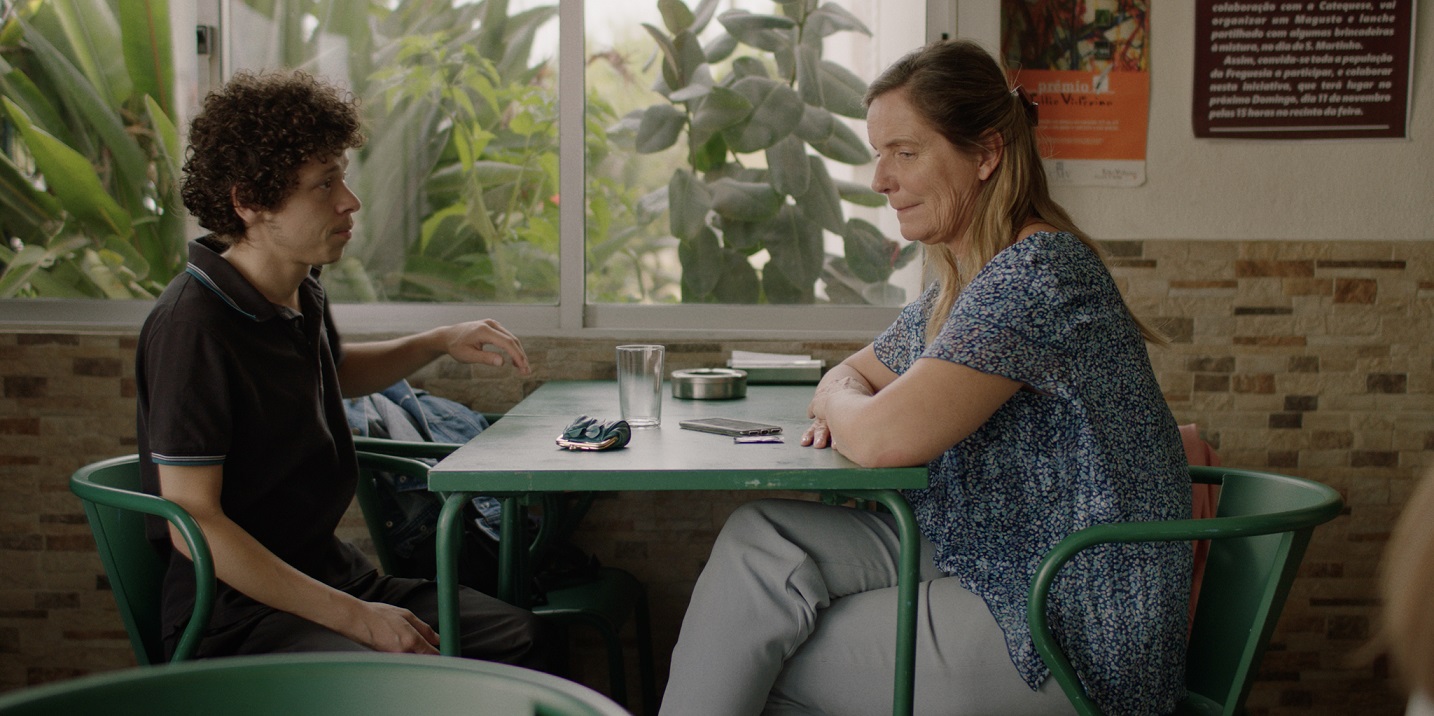 The first episode shows a woman obliged to leave her home – while her husband is free to carry on with his life – feeling intensely alone and disoriented at suddenly having to move to an unfamiliar temporary home, forming new relationships, and losing her sense of personal space.
Conflicts may develop over small things and solidarity takes time. Places vary in terms of the psychological support and therapy they provide, and there is often the fear that the violent partner may somehow find out the location. Separation from children also brings anxiety.
I spoke to Marcio for The Prisma after his film “Casa Abrigo” (Refuge home) was shown at the IndieLisboa film festival recently.
Was this based on stories in one particular refuge, where they only have space for three or four long-term residents?
I visited some very different houses, some just for people who stayed for two weeks, and some for longer-term stays. The one we show was rented to make the film, we couldn’t show an actual place for security reasons, and because filming would be very disruptive for people living there.
 Quite early on in the film, when Vera first arrives, I got a very strong sense that she felt she was in prison, because the loss of freedom and a home are so apparent. I’m not on holiday, I’ve got to adapt to all these people that I’ve never met before, I maybe have to talk about things I don’t want to talk about, and I can’t just do what I want.
Yes, absolutely. In the first episode, you can really feel that sense of imprisonment, which is why I decided to start with her inside the house. You can sense the house as a prison, especially when she closes the door behind her upon entering. By the end of the episode, she wants to leave because she feels trapped at home, and now she’s in another form of confinement. Everything seems to be against her, a safe shelter is not truly a home – it’s merely a temporary solution while a legal process unfolds with the aggressors.
In the second episode, you can sense that the violence is expanding beyond the walls of the house.
You see it very strongly with Conceição, that she’s so full of anger about the fact that this man is free to live his life while she is being controlled.
Yes, even the judicial system seems to be against them. These women go to a safe shelter, but they lose everything, including their identity. They wonder, “Why is this happening to me? Who am I? I can’t recognise myself.” This is why Vera is shown looking in the mirror, reflecting two versions of herself. Many women share this experience, struggling to recognize themselves in this new environment, especially knowing that the aggressor is still in their home—living with their pets, their family, their friends, and everything that once felt safe. Often, the law allows him to remain at home with a suspended sentence, regardless of whether he is deemed innocent or guilty.
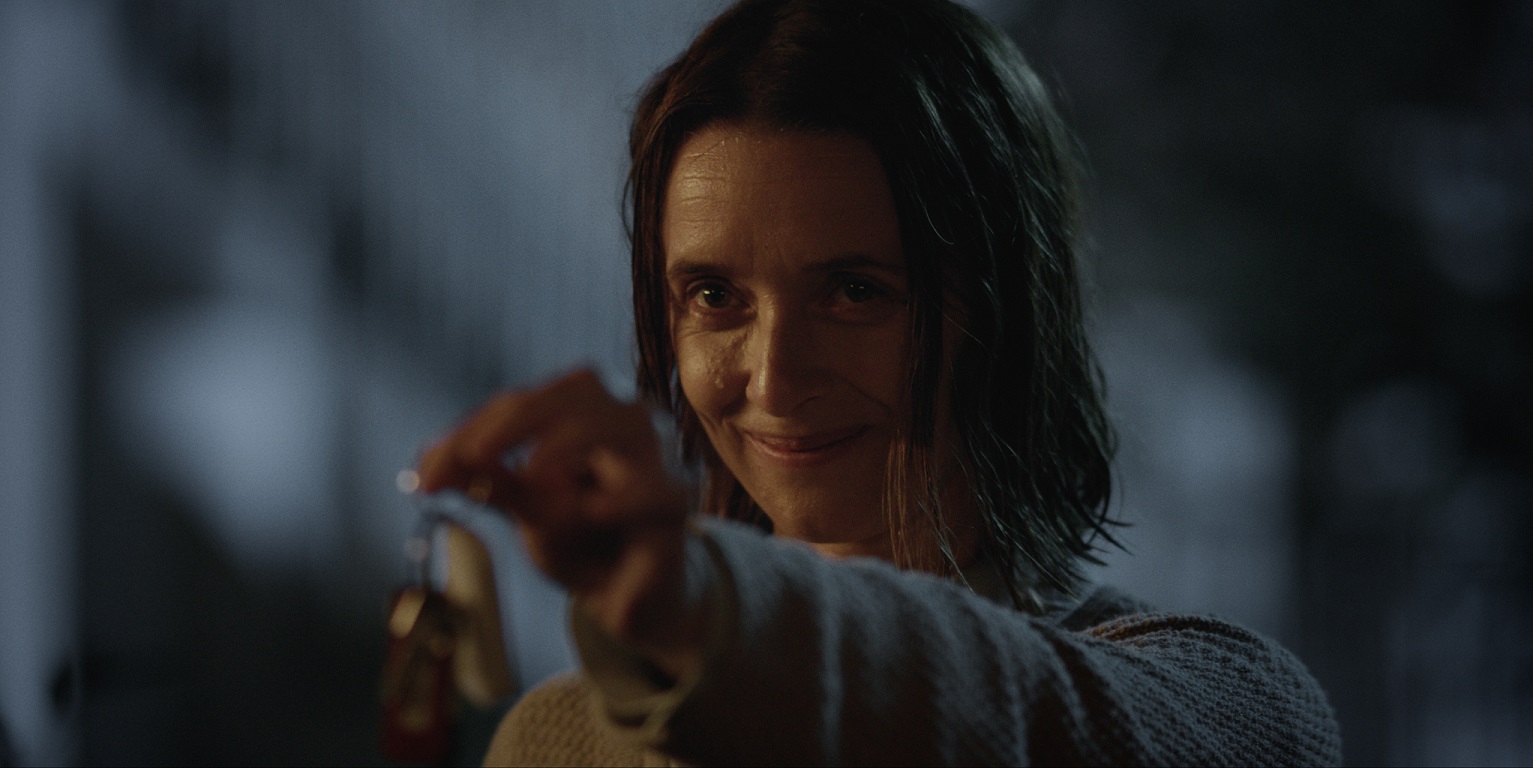 You see that she’s probably having trouble dealing with the emotional stuff that’s going on with the other residents as well, and there’s also the stress of the telephone, so you’re talking to one of your children, or you haven’t heard from them for a while, and you’re also constantly wanting to know where the husband is, what he might be doing. Being enclosed in one space, and yet constantly being pulled to another one, where you can’t be in control.
Yes, and when a woman arrives, she may be afraid that the man will suddenly appear.
There’s a moment that captures it very well where a shape suddenly pops up while Vera is looking out of the window.
I decided to film from that particular point of view.
There’s also a couple of places where the residents are swapping stories and imitating their husbands and what they used to say to them, which I found very funny.
It’s when the women can talk about the aggressive attitudes of their husbands from their point of view, when they are drinking, yes, that’s a really important scene. It’s completely different when you listen to their voices—the women are imitating the voices of men, mimicking those totally violent clichés. It’s a kind of empowerment scene.
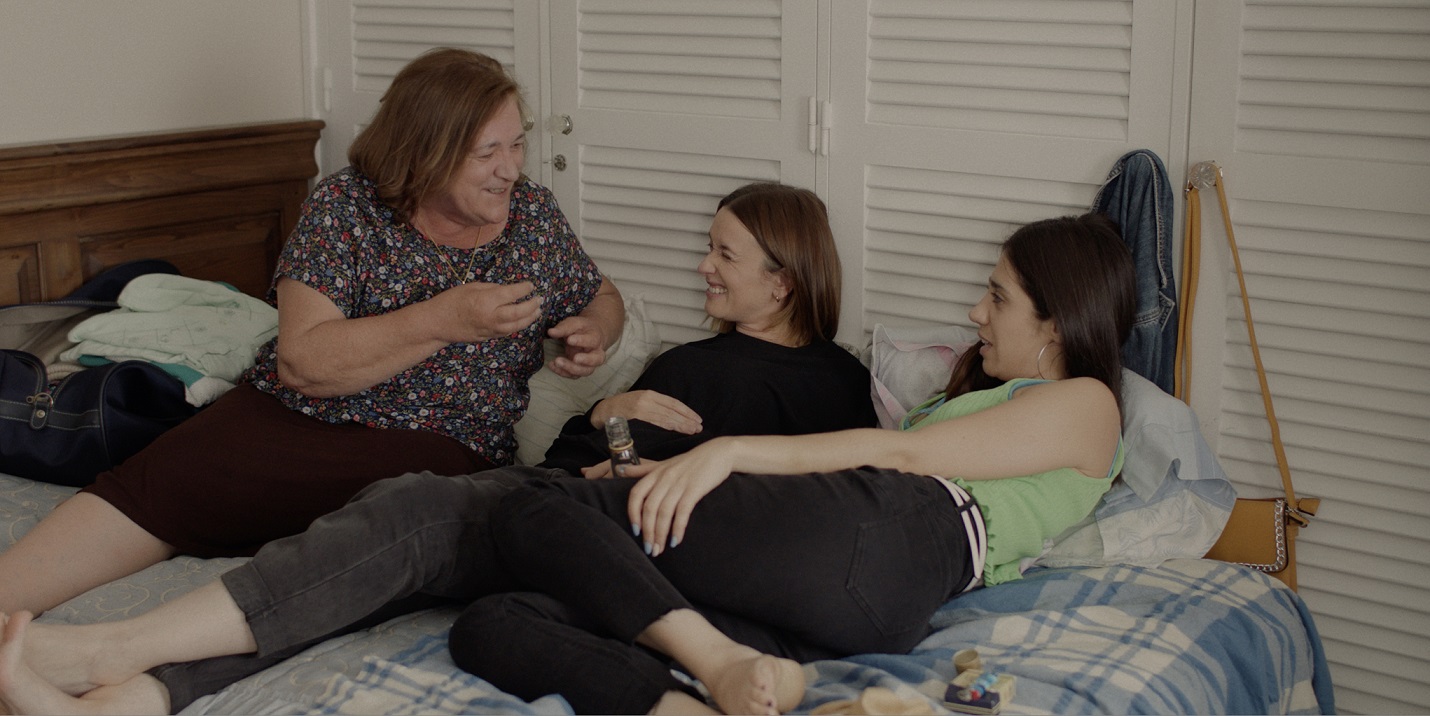 I decided never to show violence because this series begins in a home shelter; it’s not about the past, but rather about a new start. This is when the women can discuss the aggressive attitudes of their husbands from their own perspective.
It was funny to hear the women exchanging these sort of cliche expressions, that the husband would use all the time: “You’re useless, you don’t know how to cook, you ruined my life”. You begin to appreciate the weight of it, knowing how it’s repeated all the time, and yet at the same time, for the audience, I think, you can share the humour as well.
Was it also, you as a filmmaker, thinking: “this is going to be shown in people’s homes, we must have something to lighten the mood”?
I put a lot of thought into this scene because if it had been portrayed as a flashback with the husband saying those lines, it would have had a completely different effect. However, having the women imitate the men changes the impact significantly, especially if the husbands or other men are watching this kind of scene at home on TV with their families. It’s truly empowering.
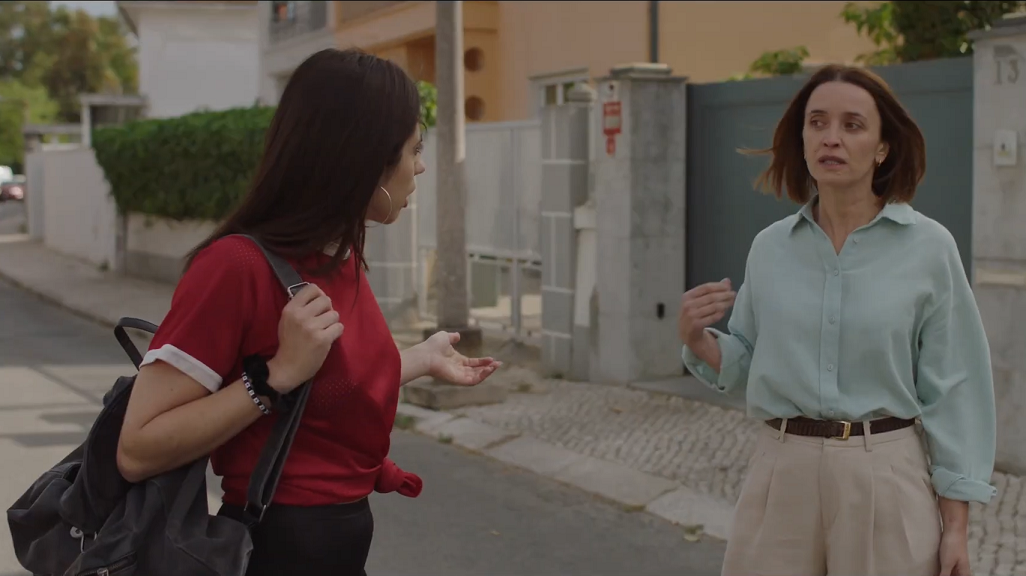 Personal space in the refuge was a big issue. Madalena is sharing a room with Gabriela, and she gets incredibly dramatic, because Gabriela moved a picture, these little things that are hugely important.
I decided to focus on little things, and this is a good example. We’re discussing the necessity of changing the room when someone new arrives, which could be beneficial for someone like Vera, as it’s important for her to have some privacy. However, this change can create conflict for Madalena, who feels she is losing the privacy she once had. The picture is significant because it’s a painting that her son did for her. There are two sides to Madalena: the defensive Madalena inside the house and the sensitive, vulnerable Madalena you see in the café. And with her son, she adopts a kind of victim posture, creating another dynamic.
Gabriela needs a family, so sharing a room with Madalena seems good for her. She wants to create a nice atmosphere, but Madalena is resistant to this, as she only wants her son. These little details reveal so much about their relationships.
+Next week: Marcio talks about the wider social and legal issues raised by his film.
(Photos provided by FadoFilmes / Press Office for free publication in the The Prisma).










.jpg)












