
The filmmaker’s mother is now 92, so telling the story of her evacuation to safety was urgent for her daughter. Those children who went to the USSR remained there for 20 years, for political reasons, returning as strangers to families that had lost contact with them. Post-memory trauma affects the next generation and is well-known in Spain.
Graham Douglas
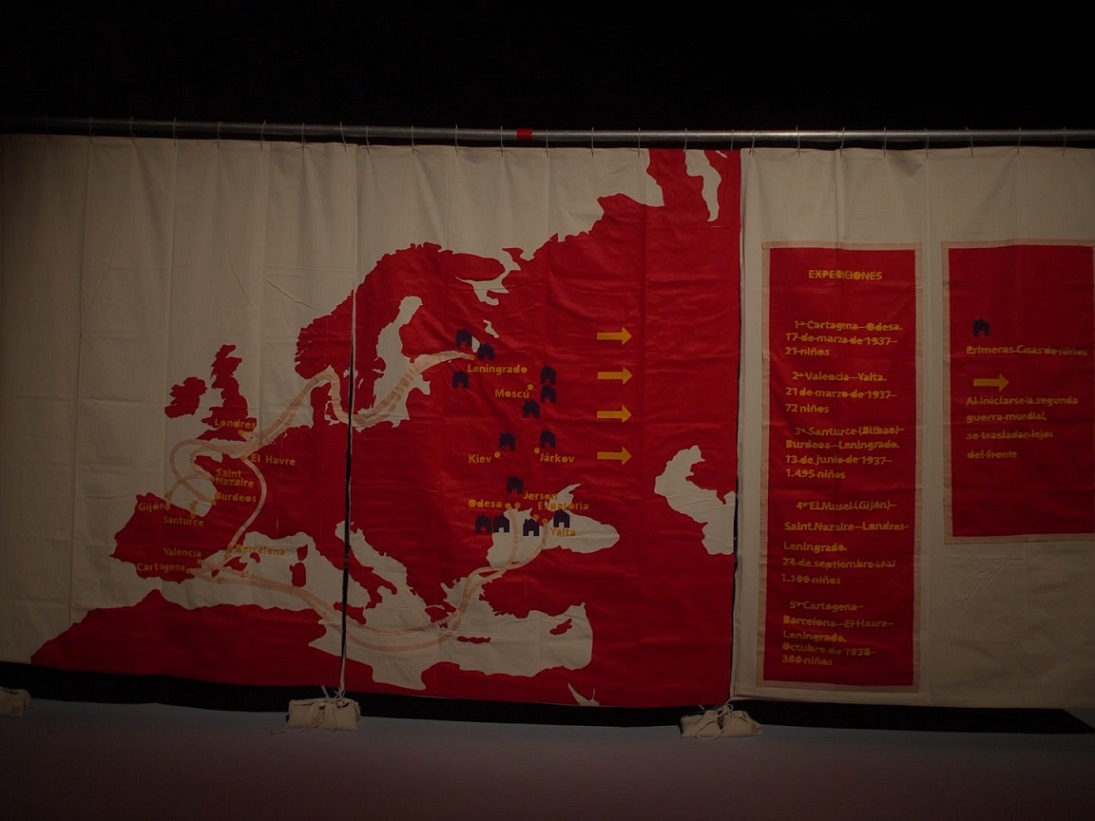
30,000 Spanish children – the Niños de la Guerra – were evacuated in 1937 from Spain to save them from the Spanish Civil War. They went to the many countries that were willing to take them: France and its North African colonies, the UK, Belgium, Switzerland, Denmark, Norway and Mexico. Britain even sent a gunboat in case Franco thought of stopping them,
Ana Perez-Quiroga made the film “¿De que casa eres tu?” (“Which house were you from?”) because her mother, Angelita and her aunt, Conchita were two of the 2,895 children, mostly from Northern Spain – País Vasco, Asturias, Cantabria and a few from other parts – who went to the USSR. And because time passes.
The title of the film is a question that the children asked each other, referring to the boarding schools they were sent to, but for Ana it has the second meaning of referring to problems of personal identity for people who are treated as strangers in both of the countries they have lived in.
These children remained in the USSR until 1956, for political reasons, unlike the others who returned when the Civil War ended.
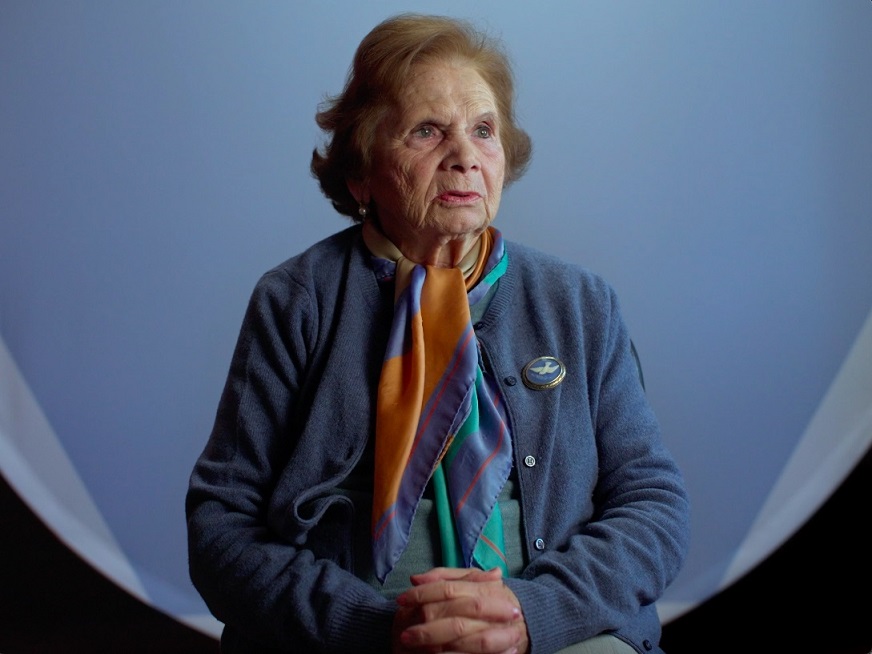
Their isolation from Spain was so complete that Angelita was only told her date of birth in a letter from her aunts when she was 17, and this was only possible because the aunts were not living in Spain, with which country the USSR had no diplomatic relations.
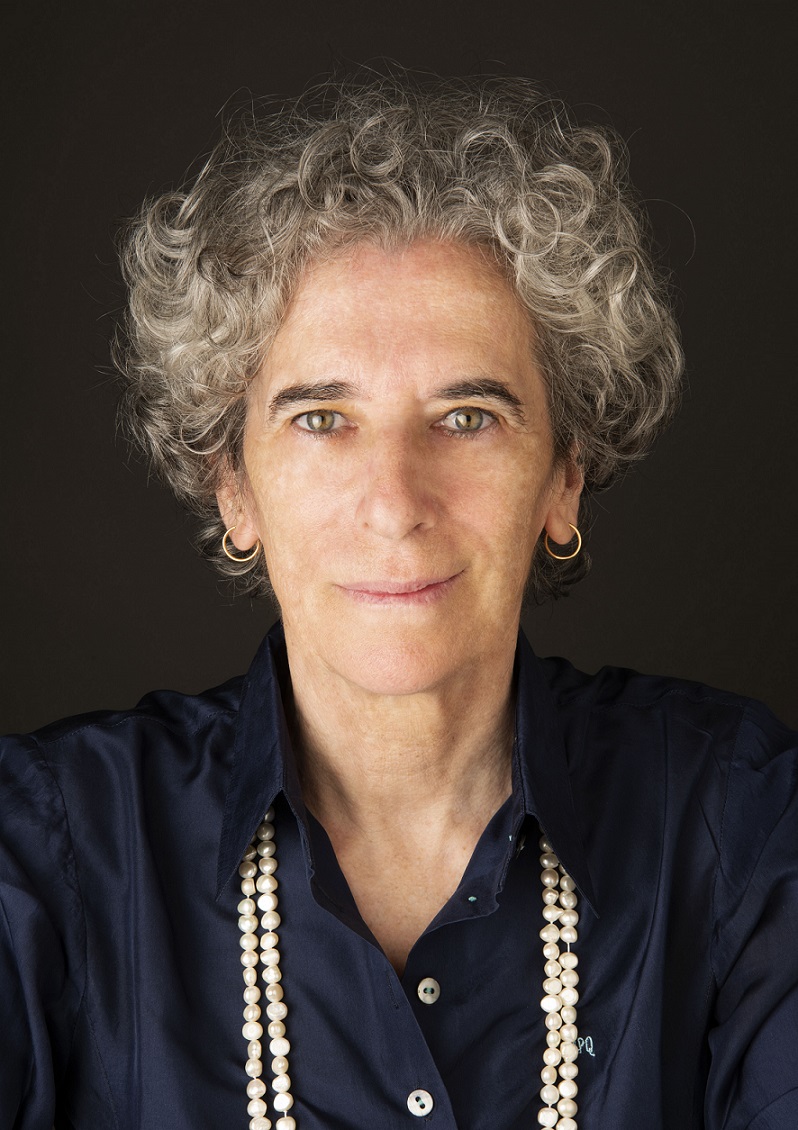
I spoke to Ana for The Prisma after her film was shown at Indielisboa last month.
I am curious why you didn’t make the film earlier.
Because my mother wouldn’t agree to it. I grew up with the idea that my mother’s story was an adventure, and I wanted to have an adventure like this. Visual arts was my field; I thought it would be a great subject. That was 30 years ago, and she only agreed in 2020, because she wanted to share this kind of story with the public.
Were these boarding schools just for the Spanish children?
The director was Russian, but the teachers and the doctors were Spanish, everything was in a Spanish bubble.
They made an incredible effort.
Of course, it was the Soviet Union at that time, but this is also good propaganda.
They gave money, the building and the music and gymnastics teachers, and they always told people: “you are Spanish, and you have to go back to Spain after the war”.
It was like “we give you the best of our education, and maybe when you return, you can say nice things about us”.
There have been many reports about the abuse of children in various institutions.
Did your mother hear any stories of that sort?
No, she has vivid and very beautiful memories about this, and my mother and her friends never told me anything of this sort.
She was 24 when she came back, after 20 years in Russia, and her mother was occupied with younger members of the family.
My grandmother needed to make a very brutal cut in the relationship. She was a young mother who sent two girls abroad as if for a holiday, and they are gone 20 years, they disappeared, it was so traumatic. Meanwhile she has three more children and when my mother returns, of course, it’s like building a new relationship.
Did your mother feel that there should have been more communication?
There were no diplomatic relations because of the war. Franco asked for these people to return to Spain, but Stalin refused because Spain had a fascist government, and these people came from the Republic. Things were more relaxed after 1956 when Khruschev was the leader.
You talked about post-memory.
My Ph.D. thesis is on that. Marianne Hirsch studied the trauma suffered not by the Holocaust victims, but the generations after, which bear the personal, collective, and cultural trauma of those who came before. Memories of traumatic events that are transmitted to them so deeply that they seem to constitute memories in their own right. They are mediated through stories, images, and behaviours, and can shape identity and artistic expression.
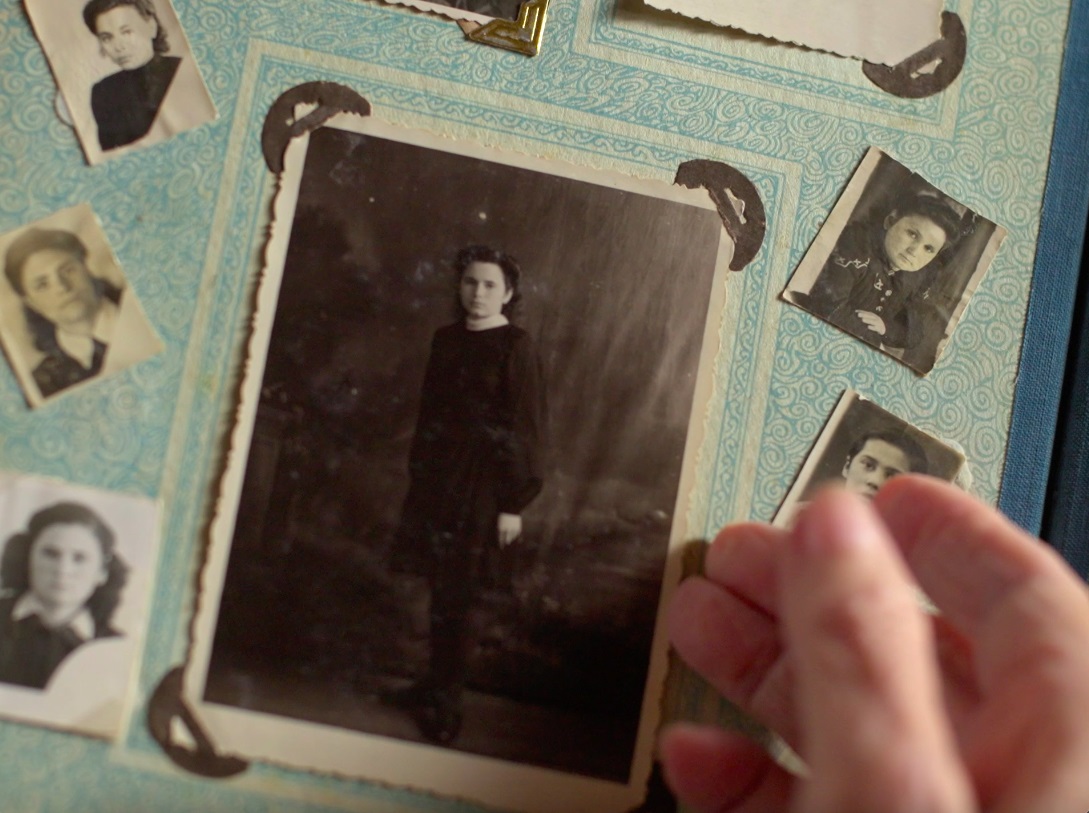
Photographs of relations are the recyclers of this kind of trauma, because you can relate, this is my father, or this is my great-grandfather. And I come from a visual arts background.
When I made the film, I also tried to respond to what I’m feeling; I suffer from post-memory trauma because I feel so connected with the trauma of my mother. It’s unconscious. There are books and films about this, but not from people who themselves experienced it. In the film this is another layer of things, besides my mother’s adventures.
Nothing was said about her father, who was imprisoned for his Republican views during the civil war.
She didn’t want to talk about it in the film. I know the story, but she wanted to keep it private. Because my grandfather was not so well, people were executed by firing squad in prison, and sometimes it was a pretence, just to torture them.
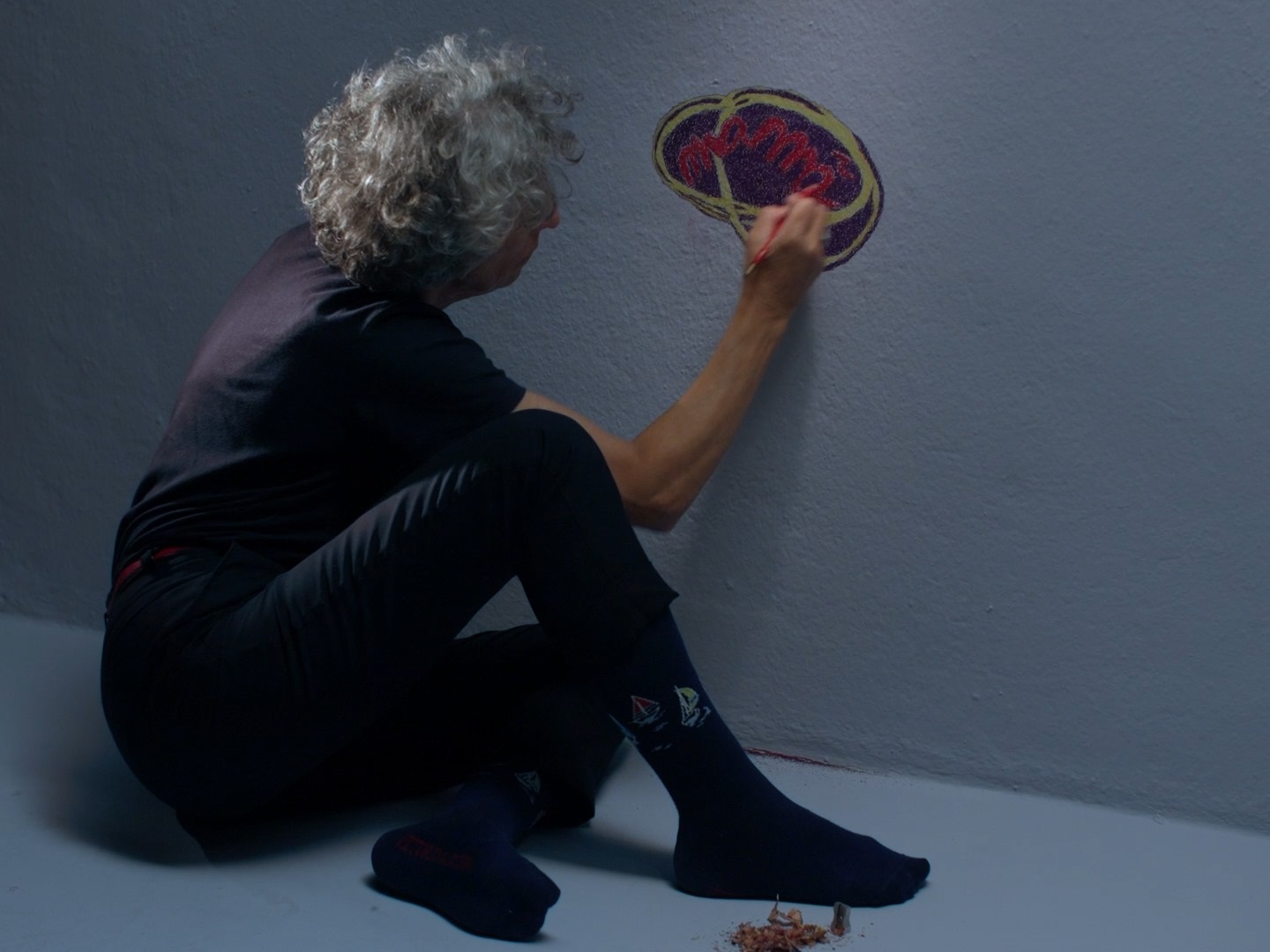
How does this project fit into your other visual artwork?
This is my first film, and working with a producer is new to me. Joana Ferreira from Sopro Filmes.
My major work was sculpture and installations, and some photography and short films. I tried to make it very static, in the blue range of colour, a very light aesthetic. I made everything you saw at the beginning of the movie.
At the beginning of the film, there was a red circle with “Archive Angelica 1937-1956” written on it, that looked like a Soviet thing.
I do a lot of exhibitions and lectures about this subject for museums. I made it to look like a stamp. People returned to Spain during the Marshall plan for the reconstruction of Europe.
The Americans wanted to know what happened in the Soviet Union, and this was a very direct source. Because these people are doctors and engineers, and some are spies also. And they return and talk about life in the USSR.
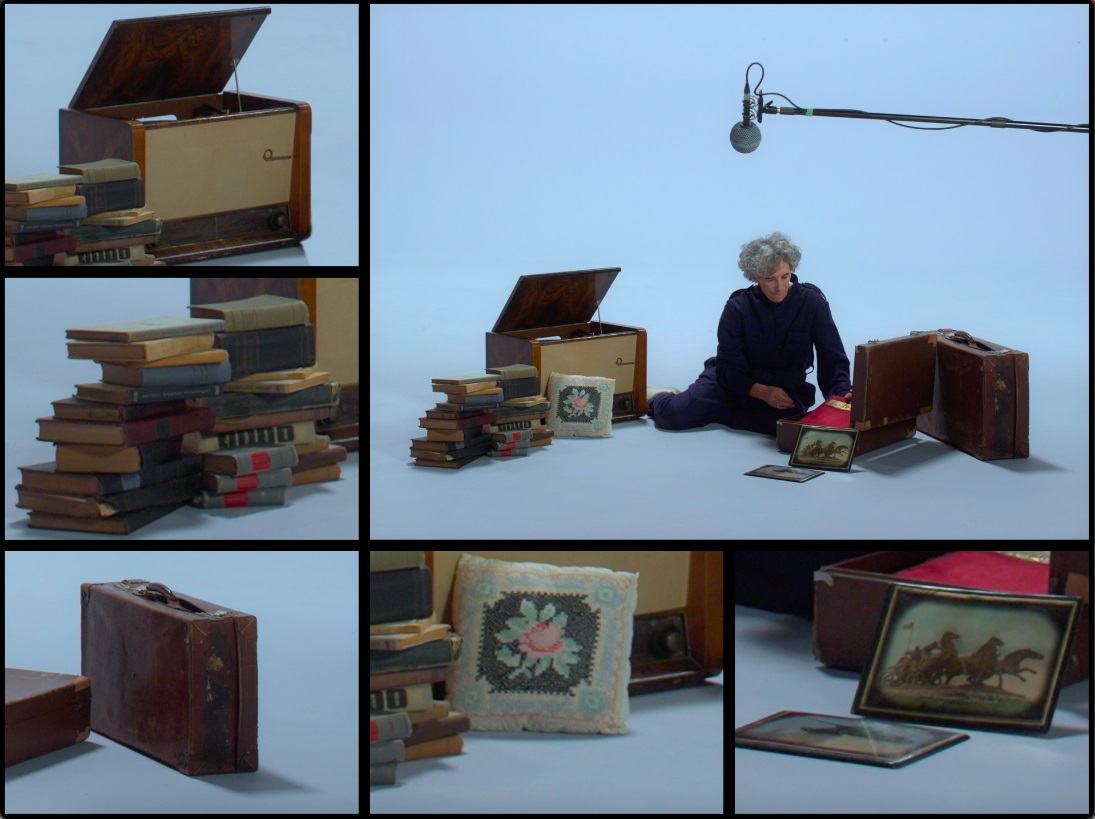
How was that information used? In 1945, the Russians were part of the victory, they suffered a lot, certainly more than the British did, and they reached Berlin first, but then the Cold War started.
You could imagine, the doctors and teachers are all coming back and saying, “we were given fantastic support and so our children are in much better psychological and physical health than they would have been if they’d stayed here”.
I think the lucky ones were the youngest, like my mother and my aunt who were only 4 or 5. But the older ones, some were rebellious teenagers, and out of the 2,895, maybe 50 were criminal and were in prison in the USSR. After the Second World War, a lot of the older ones were war heroes. But for them learning Russian and being in a boarding school were more difficult. Everyone stayed until 1956, that’s 20 years, so some of the teenagers were nearly 40 when they came back.
And when they returned, they spoke Spanish with a Russian accent and have been told they were Spanish in the USSR, but they also speak Russian and are treated as if they were Russian in Spain. Our Spanish culture is very nationalistic. The older ones had trouble finding work, so many of them went back to Russia.
Can you put numbers on this?
I don’t have any figures, but there are not many still alive. My mother was one of the youngest and she’s now 92, I met a small group of them in Moscow, about 20 people, but now only about five. They formed the Centro Español de Moscú (Spanish Association of Moscow), and they are supported by the Spanish government.
For my mother, marrying a Portuguese man and moving here was a kind of salvation, because she lost her home in Spain twice.
(Photos supplied by the interviewee and authorised for free publication).










.jpg)












