
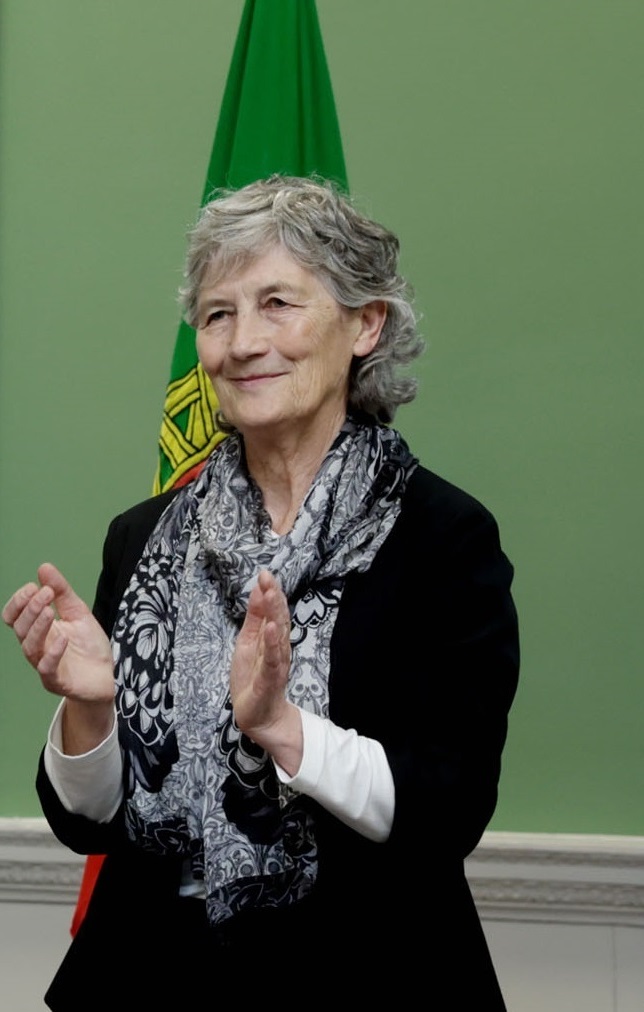
Catherine Connolly, a now former independent socialist member of Dáil Éireann, the Irish parliament, has taken her place as the 10th president of Ireland, replacing another progressive voice in the widely-respected Michael D. Higgins.
Seán Ó’Cuinn
Hailing from Galway City, the 68-year old is a veteran of the Irish anti-war movement, which often manifests its opposition to global wars in the context of Irish neutrality and the nation’s reputation as a friend to all. She is also a staunch Irish Republican who campaigns actively for reunification and a fluent Irish speaker to boot. But what can she actually do to bring forward Ireland’s progressive movement?
The Irish presidency is largely ceremonial, with a president acting as a guardian of the constitution. The president can refer government acts to the Supreme Court, but not that much else in terms of executive function.
It is, however, a powerful diplomatic tool and the centrepiece of Irish soft power in the world.
Ireland the state tends to be warmly welcomed nowadays alongside our people, even though historically speaking our emigrants weren’t always received well. One of the reasons that the Republic of Ireland is welcomed by many is the country’s neutrality. Ireland doesn’t do war, though its traditionally right-wing governments would like to see neutrality scrapped in favour of alignment with the west and NATO. Its neutrality places it as an important player in United Nations peacekeeping operations, and is well-known as peacekeepers in places like Lebanon, Kosovo and the Congo. The Triple Lock rule is at the heart of enforcing neutrality, which means that three things must happen to authorise participation in war, which are a cabinet order, a parliamentary majority and a UN mandate.
Ireland has had two female presidents, the centrist Mary McAleese and prior to her, the leftward-leaning Mary Robinson, who went on to serve as UN High Commissioner for Human Rights. With the blessing and support of then-UN Secretary General, Kofi Annan, she set about reinvigorating a post which had come to be largely bureaucratic, transforming it into an advocacy role. Mary Robinson’s role as human rights defender brought her under fire from the powers that be after criticising the so-called ‘war on terror’ declared in the post 9-11 world, and many considered her to have been pushed out by the powers that be.
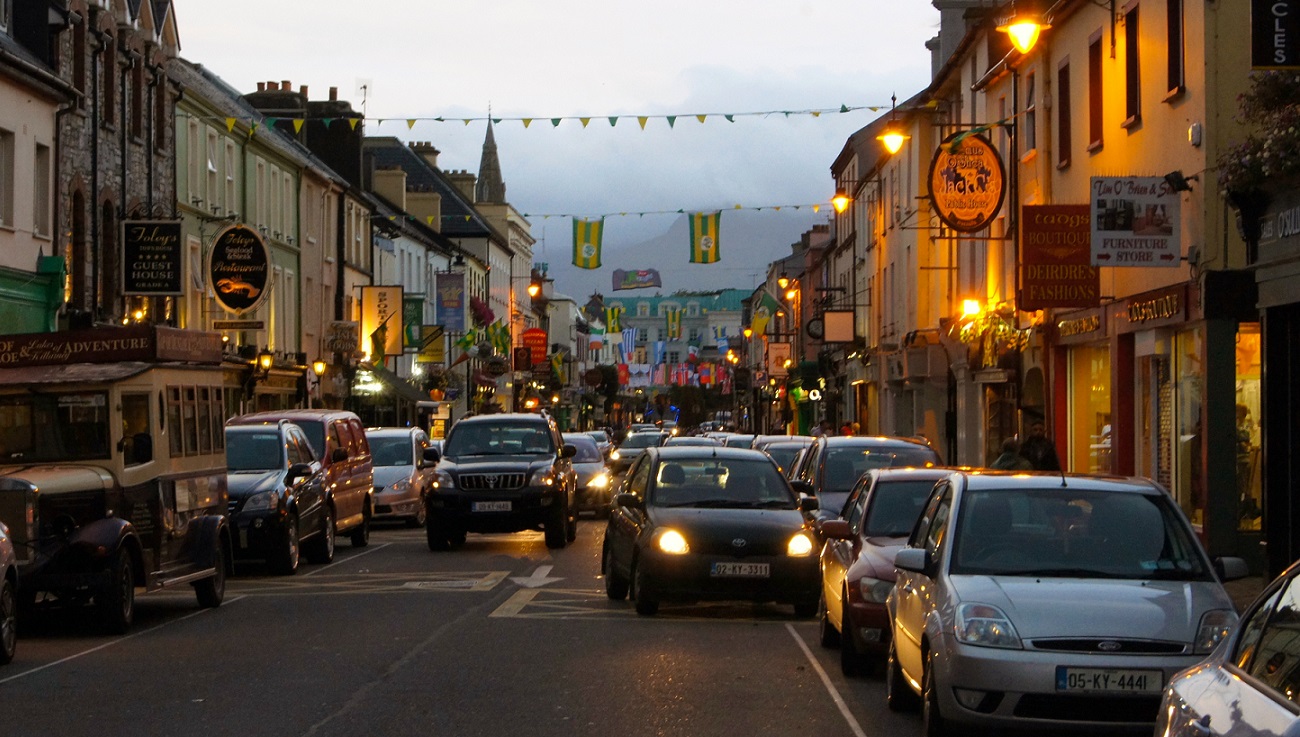 So female presidents sticking it to the man isn’t anything new for Ireland, and the nation’s history of rebellion attests to the mná na hÉireann, the women of Ireland and their central role in bringing progressive struggles forward. Catherine Connolly’s stances reflect that the Irish left tradition of protecting neutrality and promoting global justice in the world.
She has also been freer than other politicians to pursue the progressive agenda given her place as an independent socialist parliamentarian. After a fallout over candidate selection during the 2007 general election campaign, she left the Labour Party and went independent, finally winning a seat in Dáil Éireann in 2016, as Labour’s representation collapsed with the loss of 30 seats, falling to seven. The system of proportional representation makes it hard to gain an overall parliamentary majority and Ireland’s two main parties, Fianna Fáil and Fine Gael, are both right-wing, only separated by what we call Civil War politics, which means, what side your grandparents took at the time of partition in 1922.
Labour has traditionally gone into coalition with Fine Gael, much to the chagrin of its voter base and the trade unions, which is something which compromised Michael D’s leftward political positions.
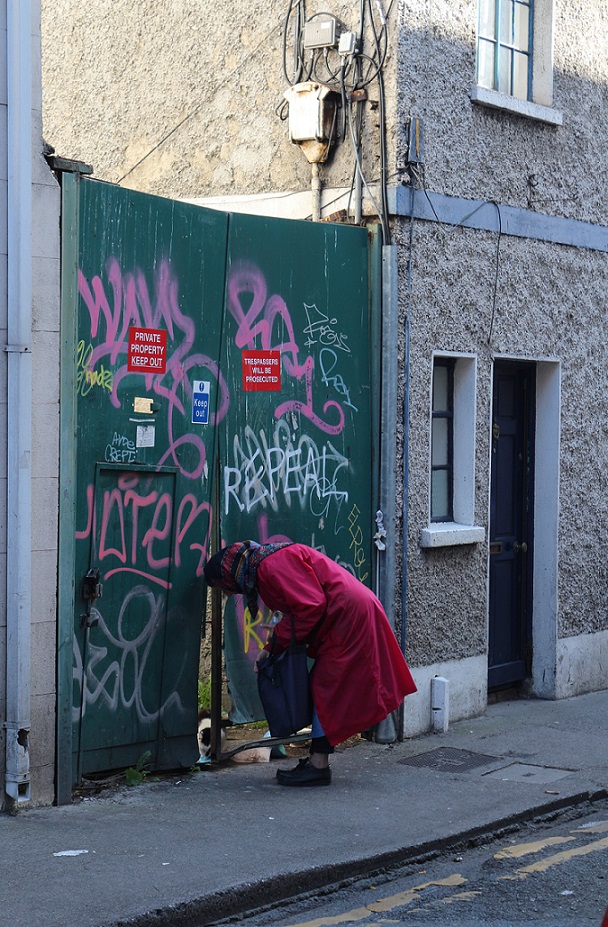 Ultimately Labour have paid the price of coalescing with the right and with Sinn Féin’s rise in popularity to become one of the biggest parties, Labour’s left vote has been effectively usurped and superseded by the all-Ireland Republicans of Sinn Féin.
Internationally, Irish affinity with the Palestinian people has been a long-time passion, especially with Republicans, a tradition which sees the parallel of the underdog against a more powerful coloniser. She has voiced her support for Palestinian rights consistently, and colonised peoples all around the world.
And it is the incomplete independence struggle inside Ireland that reflects our sympathies with colonised peoples around the world, including those who come to Ireland for a better life. Whether socially-progressive Irish voices might persuade the Protestant working class of the northern six counties of the benefits of independence remains to be seen, but many feel that the time of Irish reunification is now upon us and the election of an unapologetic Irish Republican is a herald of that.
The presidential campaign itself risked falling into farce with one candidate withdrawing over previous business dealings with tenants. The issue of landlords and renting conditions is prickly in Ireland, and is a throwback to the English absentee landlords of the 19th Century and the Land Wars which emancipated much of rural Ireland in the runup to independence. Celebrity Conor McGregor also expressed an interest in running on an anti-immigrant ticket, but ultimately failed to get the required nominations of 20 parliamentary members between the upper and lower houses of the Seanad and Dáil, or alternatively the backing of four local councils.
In the end, Catherine Connolly ran head-to-head with Heather Humphries, though the withdrawn Jim Gavin appeared on the ballot, and spoiled votes counted for 13%, with Catherine gaining 55% of all cast votes and 63.4% of valid votes, reflecting a strong anti-establishment and progressive backing from an electorate maybe looking for an alternative to a century of Civil War politics.
 What set her apart and impressed voters is how she never backed down from her stances.
Various attempts to cook up scandals by opponents and sections of the press eventually fell flat after she refused to ‘moderate’, which was in reality, to back down on her stances, whereas in the televised debate, the other candidates came across as being without stance and uncharismatic.
Her internationalism reflects Irish people’s history of emigration and poverty, a poverty which lasted until as recently as the 1980s. Her emancipation from party politics would seem to be her strength and has served her well in representing and engaging as broad a support as possible from the Irish left. She has proven that Ireland’s political left can come together behind a popular candidate, with some predicting a political eruption at the next general election as a consequence of her election.
The far-right, despite having grown in popularity recently with its anti-immigrant agenda, remains largely disorganised with their twisted stance on Irish history largely rejected by the Irish people. Various mainstream politicians have parroted right-wing talking points, and this is generally where the racist vote is absorbed as opposed to an organised party like in the UK or European countries.
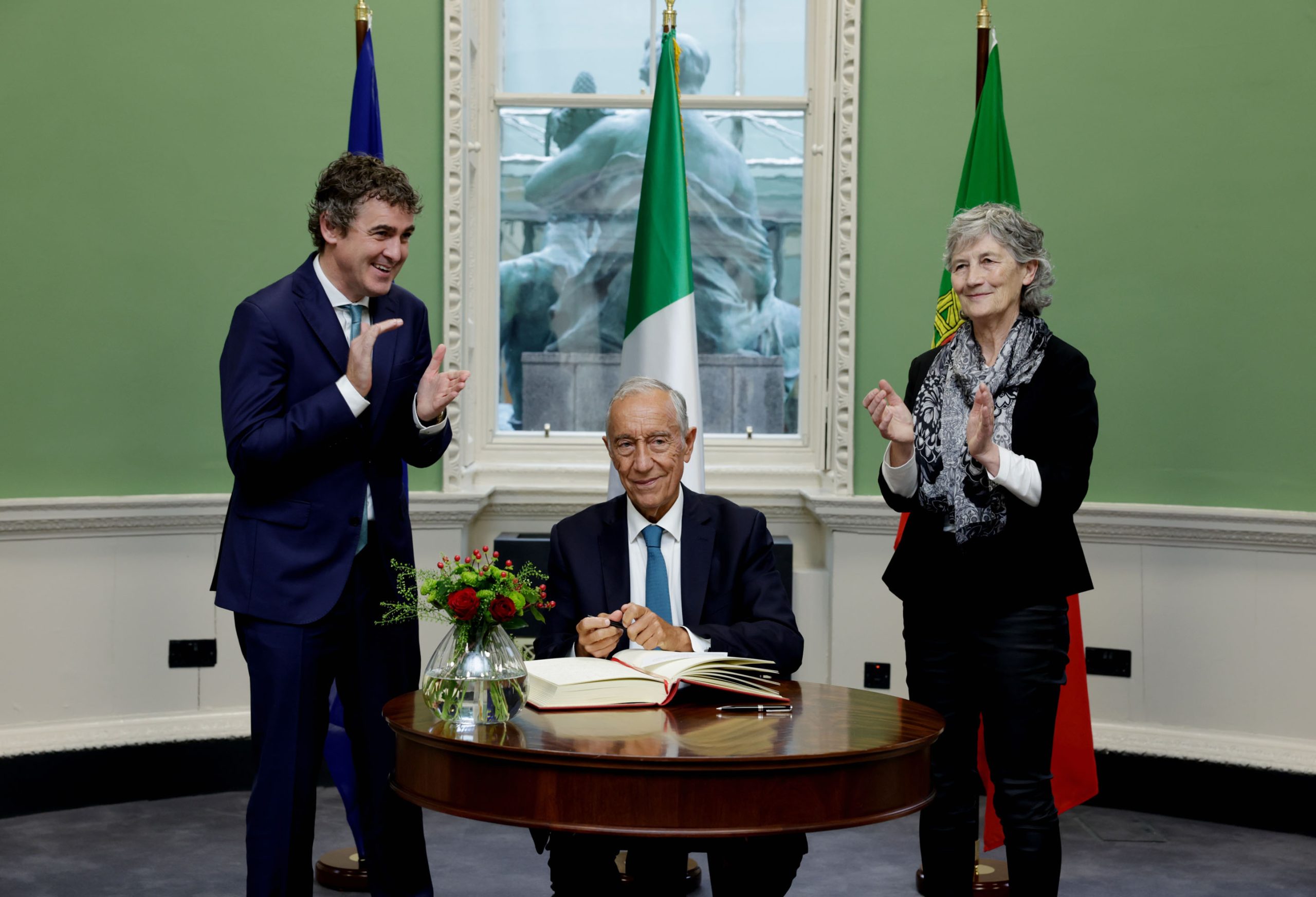
Irish mainstream parties also tend to tow the line internationally, with EU stances being the norm, so racist rhetoric is normally not sincerely followed through on, though its inclusion in mainstream discourse is obviously cynical, harmful and distressing. The question is whether socially-conscious voices, activists and politicians can seize the initiative and defeat the right under the umbrella of a progressive presidency.
(Photos: PixHere)










.jpg)












