
Trump has pursued a coercive agenda with Mexico since his investiture, including geographic changes and alterations to tariff policies. In contrast, the Mexican strategy has generated concrete results for security and control of the drugs trade, protected sovereignty and shown firm diplomacy despite the fact that the country was not invited to the recent hemispheric summit.
Lianet Arias Sosa
Before taking office on 20th January 2025, President Donald Trump threatened to impose tariffs on products from his closest partners, among them Mexico.
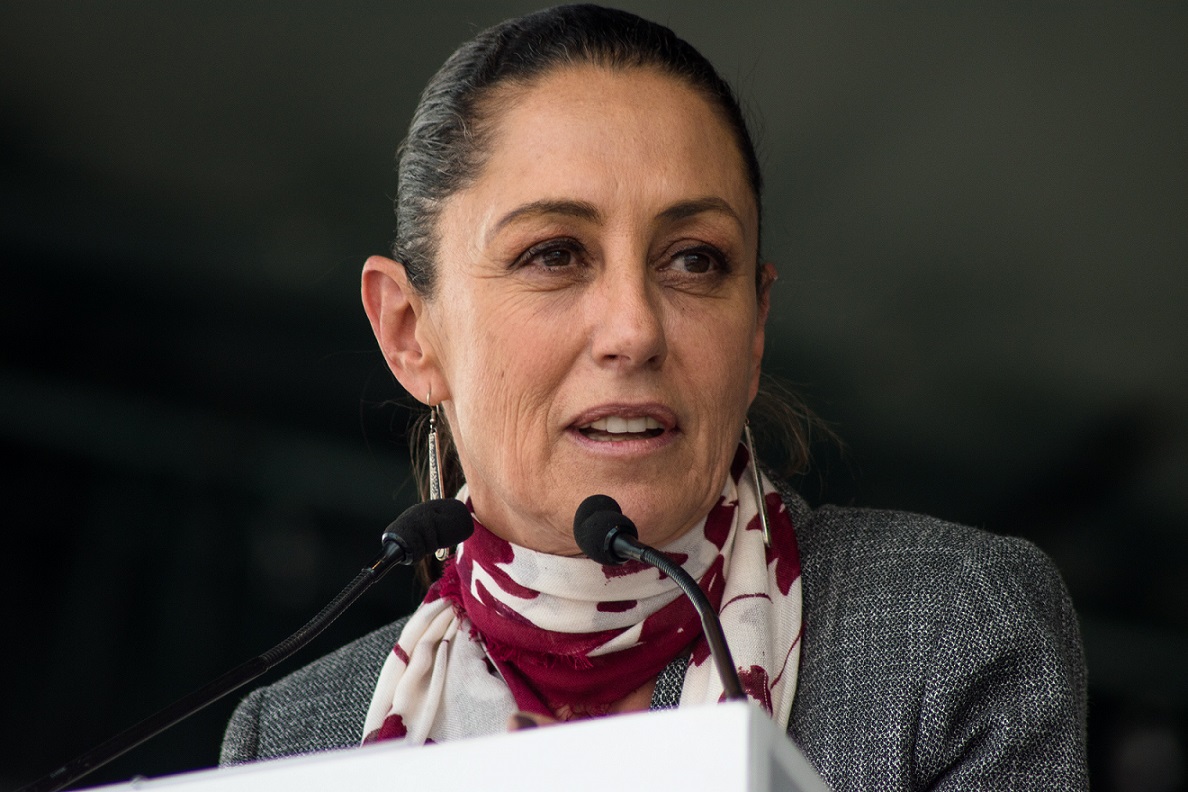
The magnate argued at the time that this was a “reprisal” for illegal immigration, “crime and drugs”, subjects that would continue to mark the constant exchanges between the two sides and on which, also from the outset, President Claudia Sheinbaum made her country’s position clear. “Neither migration nor the consumption of drugs in the United States can be dealt with by threats or tariffs. What is needed in the face of such huge challenges is cooperation and reciprocal understanding”, Sheinbaum said in November 2024 in a letter to the then president-elect.
The tension was further reflected in the recent hemispheric summit held in Florida to which Mexico, Colombia and Brazil were not invited. This exclusion reinforced the perception that Washington prioritises close allies in the region and underlines the Mexican administration’s challenges in maintaining cooperation without ceding sovereignty in the face of Trump’s coercive policies.
In the opinion of Juan Carlos Barrón, Director of the Mexico Autonomous National University’s North American Research Centre, the neighbouring territory has always sought to take maximum advantage from its economic and military situation.
 In Barrón’s view, Trump began his second term “in a hurry” and now his first year has passed “he is in even more of a hurry, as on 3rd November there is an election that will be key” in the United States.
Barrón told Prensa Latina that “his political regime’s ideological agenda is to see how his allies can be subjugated and obliged to cooperate on his terms, therefore he is managing a more coercive and aggressive agenda”.
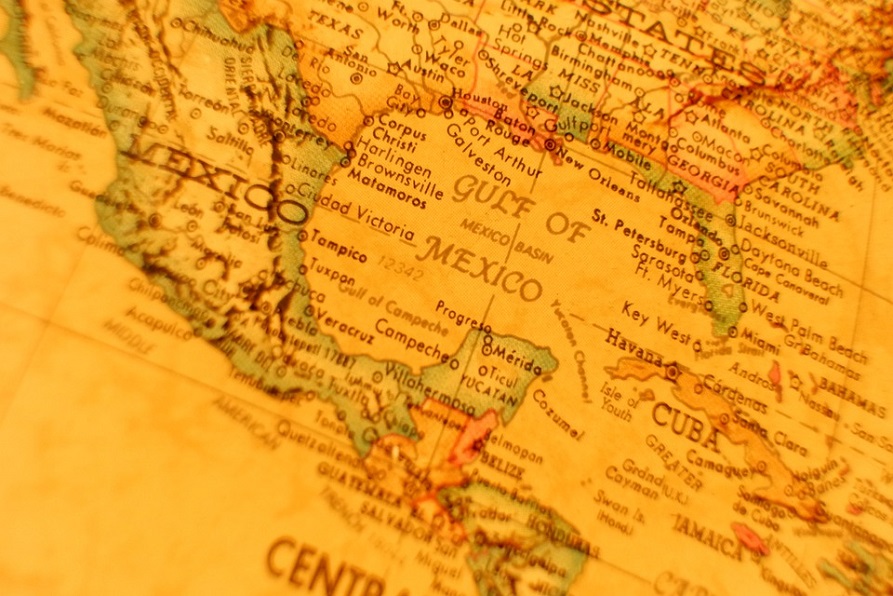
With Mexico, the magnate’s stridency and “undiplomatic” manners not only took the form of threats to tax his main trading partner’s products but also of decrees that even sought to alter geographical names. Newspapers around the world first reported on the proposal and then on the executive order Trump signed to change the Gulf of Mexico’s name to the Gulf of America as part of an avalanche of documents signed on the day of his investiture.
From this nation, Sheinbaum suggested ironically that the United States could be called “Mexican America” and pointed to a map from 1607 bearing that name and showing parts of the two countries mixed together. Later, she played down the Republican’s executive order.
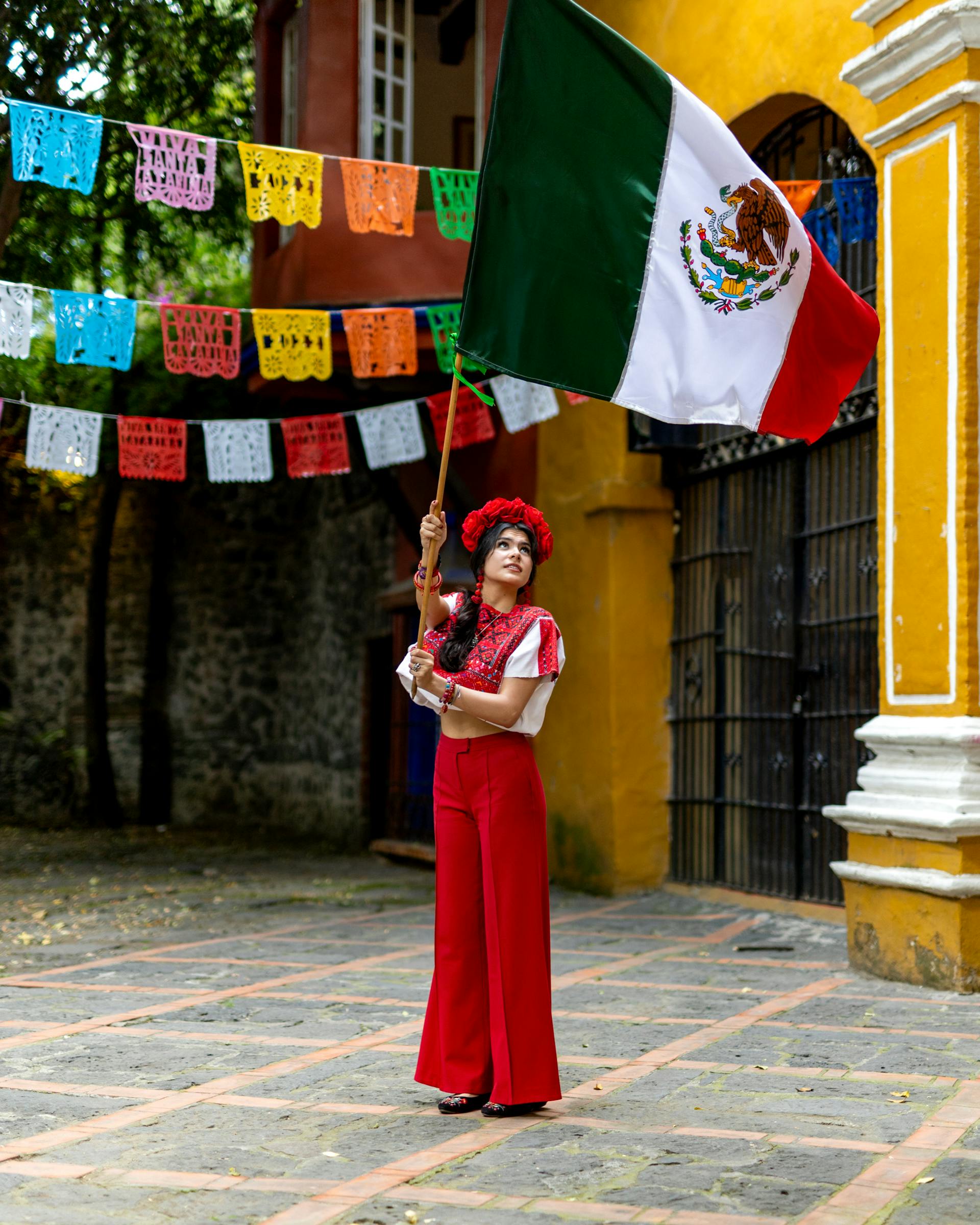 “They call the United States’ continental platform the Gulf of America. For us it continues to be the Gulf of Mexico, just as it does for the rest of the world”, she emphasised at one of her regular press conferences.
Security and tension
The catalogue of topics that caused tension or served as a pretext for Washington to make threats included security and particularly the traffic of fentanyl from Mexico to its northern neighbour by criminal gangs.
Despite clear results in security, Trump accused this country of not doing enough to combat drug trafficking and designated cartels as terrorist organisations, something that revived worries here about possible interference in the national territory.
The Republican went further: he stated on several occasions, without foundation, that Sheinbaum did not govern this nation and that instead it was governed by criminal groups. He went as far as suggesting that he would undertake actions on this country’s soil against organised crime. His least “strident” version took the form of telephone conversations with the Mexican leader, to whom he proposed – in different conversations – sending US troops supposedly to “help” in the fight against drug trafficking.
The head of the Mexican government drew a red line early on: “We can collaborate, we can coordinate with each other, we are neighbours…We talk, we negotiate, we work, but there is something that is not up for negotiation and that is the independence and sovereignty of the homeland”.
She not only repeatedly rejected “help” on Mexican soil from the United States, who grabbed more than half Mexico’s territory in the nineteenth century, but was also clear on her stance of “collaboration yes, subordination and intervention no”.
 She also implemented a security strategy, the most recent result of which was the capture of Nemesio Oseguera, alias “El Mencho”, leader of the Jalisco Nueva Generación cartel, who was seriously injured and died while he was being air-lifted to a medical centre.
Before the fall of one of the most wanted drug traffickers, the strategy was already bearing fruit: law and order authorities arrested 43,438 people for high-impact offences and confiscated 22,832 weapons and 327 tonnes of drugs during the current administration’s first 16 months. In the authorities’ judgement, these actions have had a direct effect on the decrease in violence, reflected in a 42% reduction in intentional homicides, equivalent to 36 fewer offences every day compared to September 2024.
Mexico’s advances also benefited Washington, since between 2024 and 2025 fentanyl seizures by the United States on the border decreased by 50% according to US data, something attributed to the confiscations in this Latin American nation.
Sheinbaum also demanded that the neighbouring country fight drug use there as well as the arms trafficking that fuels criminality in Mexico. According to official data, 78% of the artefacts confiscated during the current administration came from the country to the north.
 Criminalisation of immigrants
Another recurring topic between the two countries is the migratory flow which dropped from 3,000 arrests of immigrants from the other side of the border in January 2025 to 344, according to President Sheinbaum herself speaking a month ago. She highlighted the humanitarian policy undertaken by her government in this sphere.
In contrast to this approach, Trump’s focus on the subject involved the criminalisation of migrants, a stance rejected by Sheinbaum who promoted the repatriation strategy “Mexico embraces you” to attend to people deported from the US. She also strengthened the work of the consulates there. The magnate’s questioned tariffs policy, along with declarations in which he even suggested letting the Treaty between Mexico, the United States and Canada (T-MEC) expire in favour of new bilateral agreements, caused more doubt than certainty over the permanence of the deal.
However, despite the tariffs applied by Washington on products from all over the world, like steel and aluminium, which also affect this Latin American nation, the vast majority of exports to our northern neighbour take place under the treaty which is tariff-free.
The Director of the Mexico Autonomous National University’s North American Research Centre issued a reminder in conversation with Prensa Latina that Mexico “helps the United States maintain connectivity, logistics and supply chains as well as helping control its inflation.
 “Mexico is the principal export destination for a great many of the American Union states”, the specialist asserted, pointing out that entities and chambers from that country have asked the northern Congress to take into account the Latin American nation’s value to them.
Compared to what many categorise as Trump’s “bullying style”, the Mexican leader’s serene manner stands in contrast. She has been praised by politicians worldwide for the way she has dealt with an unpredictable partner. “In general, from outside the country, the strategy followed by the Mexican government and by President Sheinbaum and the foreign affairs minister, is seen as having worked very well: cool heads, not reacting to incendiary speeches”, says Juan Carlos Barrón.
“I can see that currently having a dignified, cool-headed president is paying us dividends, and that at an international level Trump has more respect for leaders who behave in that way, with dignity”, says the expert, who considers Sheinbaum’s strategy as “one of the best”. PL
(Translated by Philip Walker – Email: philipwalkertranslation@gmail.com) – Photos: Pexels and Pixabay










.jpg)












