
Latin women are portrayed on TikTok and Instagram as objects of desire: curvaceous bodies, explosive temperaments and sexually available. A study by the Latin American Women’s Rights Service (LAWRS) reveals that this online fetishisation is not a cultural cliché: it is a form of violence that impacts young people’s identity and mental health in this community in London. This is the first part first part of The Prisma Series: “Fetishisation of Latinas in the UK”.
 Sara Piquer Martí
“Dating a latina is not for the weak. One second she’s making you a home-cooked meal, calling you ‘papi’, kissing you, hugging you, being all touchy touchy and the next minute she’s threatening your life”, explains the content creator Hermano Kyle in one of his TikTok videos with thousands of views.
In another video, Whiskey Jennings from the United States explains why latinas are, in his opinion, “the best women”: “First of all, they got nice, smooth, dark, brown skin. Every Latin American chick knows how to make some kind of corn-based thing like a tamale [a filled dough dish], pupusa or arepa [both types of flatbread].”
Typing the term ‘latina’ in TikTok’s search engine brings back hundreds of similar videos in which latinas are usually portrayed in the same mould: curvaceous bodies, large busts and prominent glutes, slim waists and cinnamon-coloured skin. They are often shown dancing, angry, sexualised or embodying the stereotype of the problematic and passionate girlfriend.
This depiction, repeated millions of times on social media, is not just a cultural caricature. According to a study by the LAWRS Young Women’s Advisory Board, it is also a form of symbolic violence with devastating consequences on the lives of many young Latin American women.
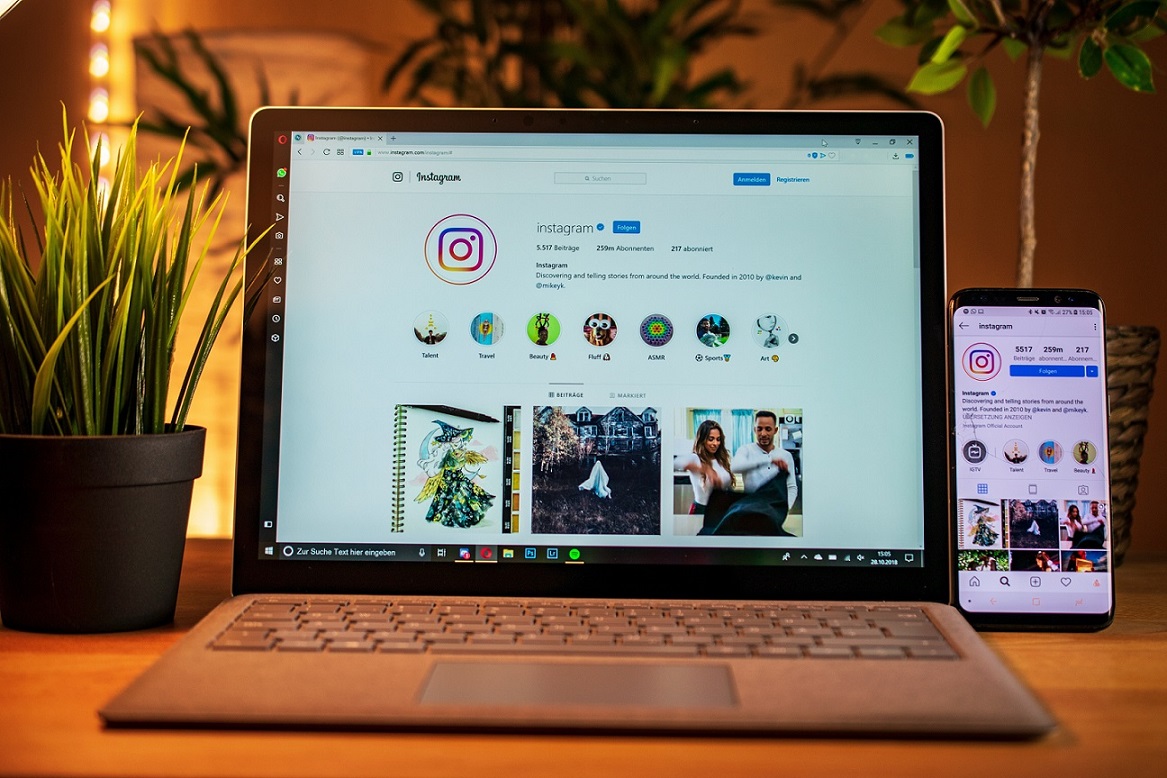
The report, Voices of young Latinas: Peer research on online abuse and the impact of fetishisation, analyses how Instagram and TikTok amplify a sexualised image of Latin American women and how this representation affects their identity, self-esteem and social participation.
 The Prisma spoke to Melissa Munz, co-ordinator of the LAWRS youth project, and Lorena Piedrahita-López, member of the Advisory Board, to get a close-up view of their research work.
Experience as a starting point
The study’s origin is linked to the personal experience of the researchers themselves, a group of thirteen Latin American women aged between 18 and 25 who study or live in London. They are all members of the LAWRS Young Women’s Advisory Board.
“At the beginning of the programme we formed a group where all the participants talked about our experiences as young Latin American women here in the United Kingdom. That led us to pool our experiences and decide which areas we wanted to focus on. We decided to concentrate on racial fetishisation and online abuse because it is something that all of us have experienced in our lives here in London”, explained Lorena.
According to Melissa Munz, the working group is based on a peer research model.
“This is a group that conducts activism through peer research. They carry out research so that decisions are made in the public policy sphere which benefit the Latin American community and young Latina women”, she says.
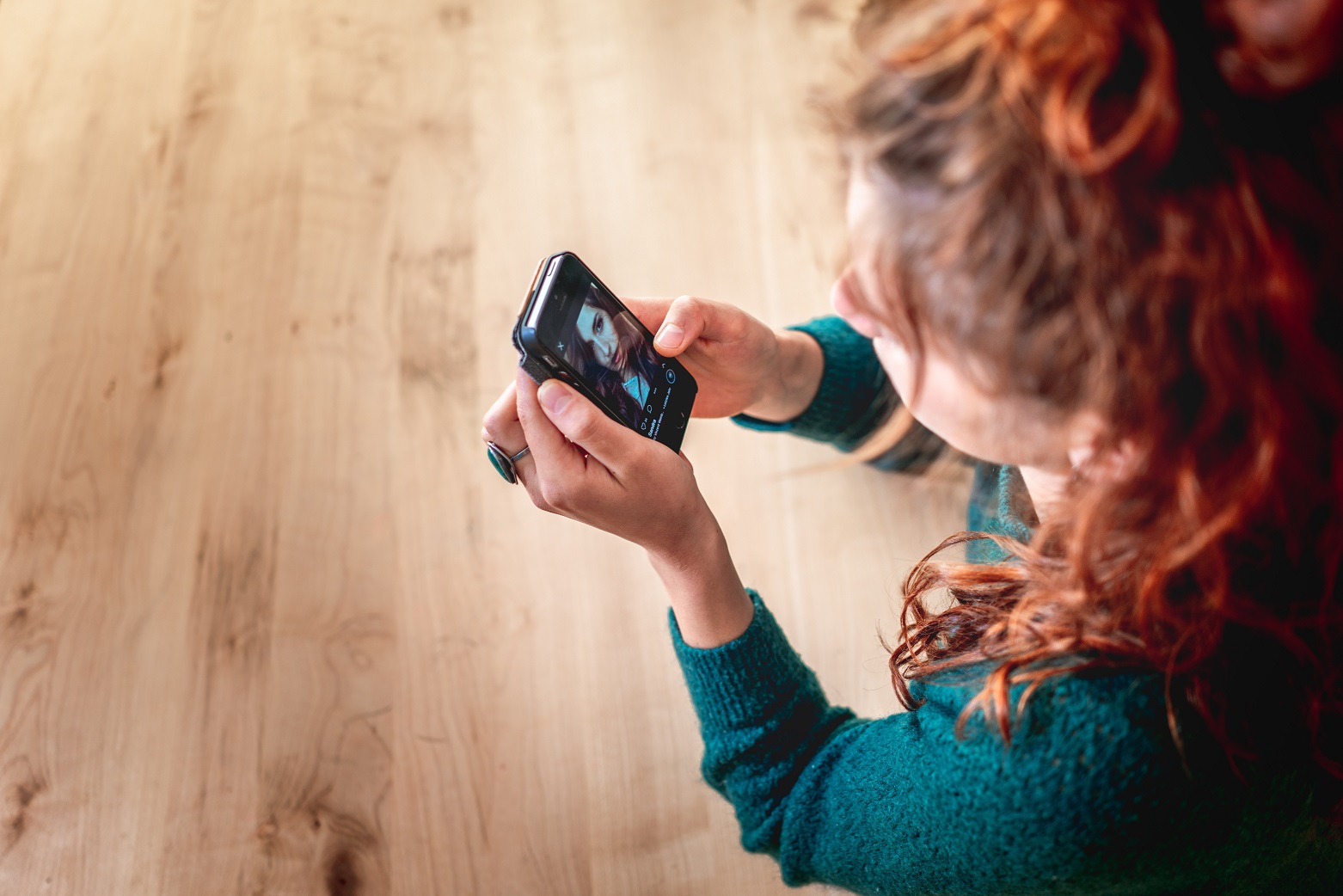 The thirteen researchers who participated in the Advisory Board all stated they had experienced, in some way, this type of online abuse.
The research combined several methods: 15 semi-structured interviews with latina women aged between 18 and 25 who live or study in London, as well as an online survey with 36 participants and analysis of video content from TikTok and Instagram.
The central question in the study was clear: What effect does the fetishisation of the image of Latina women on TikTok and Instagram have on the identity of young Latin American women who live in London?
The results point to a resounding conclusion: social media does not only reflect existing stereotypes, it amplifies and normalises them.
Among the report’s principal findings are that the viral content on these platforms reinforces a racialised and patriarchal image of latina women, perpetuates the stereotype of the Latina as aggressive or conflictive but also submissive and sexually available, imposes colonial and colourist body standards, and negatively affects self-esteem and body image.
 One of the questions in the survey asked participants to mention three words that defined the Latina woman as portrayed on Instagram and TikTok. Sexy, with racialized features, pretty, stereotyped, angry, objectified and hypersexualised were the seven words most frequently given.
A stereotype with a health impact
One of the most devastating effects of constant exposure to this type of content is the aesthetic pressure it creates.
María de Jesús López Alcaide, doctor in sociology at the National Autonomous University of Mexico’s Faculty of Political and Social Sciences, explained in an article on the university’s website that aesthetic violence is the imposition of physical norms.
This imposition, says López Alcaide, is overwhelming, since conforming to such norms is rarely possible.
Several of the women interviewed as part of the Young Women’s Advisory Board study described how this content that perpetuates a particular aesthetic standard for the Latina woman influences perceptions of one’s own body.
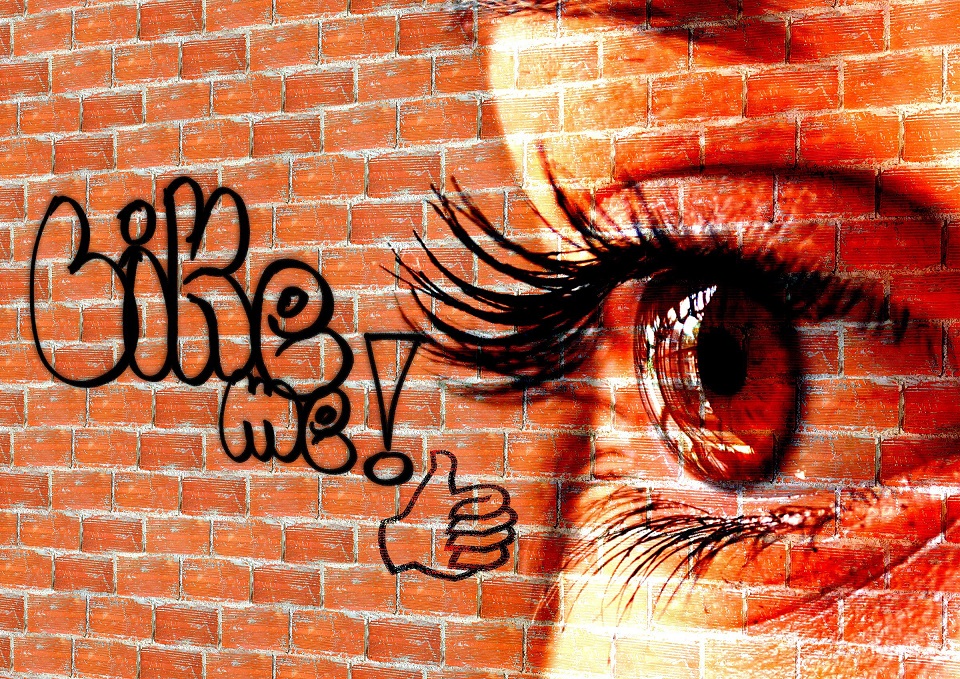 One of them explained, “After constantly seeing content about the typical Latin body, I began comparing myself more and wanting to have a smaller waist, bigger hips, things like that. I gained insecurities I didn’t have before.”
Another participant added, “Especially with body image, sometimes I feel pressure to be more feminine or have more curves, because that’s what social media shows as what it is to be Latina.”
According to Melissa Munz, such dynamics can have devastating psychological consequences.
“Being dehumanised leaves deep scars on mental health especially when we’re talking about young people. They are at a crucial stage in the consolidation of their identity”, she explains.
Among the effects mentioned by the researcher are phenomena such as the fragmentation of body image, hyper-vigilance of the body and problems related to self-esteem and eating.
All these symptoms can lead to very serious illnesses such as eating disorders, among them anorexia and bulimia, or body dysmorphia.
 According to the National Health Service, anorexia “is one of the principal causes of death related to mental health problems”.
Meanwhile, the researcher Katherine A. Phillips, in research into body dysmorphia published in the National Library of Medicine, warns that 80% of people with body dysmorphia disorder present suicidal ideation throughout their lives and between 24% and 28% have attempted suicide.
Next week: “From algorithm to real life: stereotypes about Latinas”
(Translated by Philip Walker – Email: philipwalkertranslation@gmail.com) -Photos: Pixabay
The Prisma Series: “Fetishisation of Latinas in the UK”
The symbolic violence of social media against Latinas
Being a Latina on social media: from stereotypes to abuse
From algorithms to real life: stereotypes of Latinas
Dating, stereotypes and prejudice: being a Latina in the UK
Body, accent and outside views: Latinas in the UK










.jpg)












