
Political messaging in Britain is increasingly shaped by emotional strategy rather than policy debate. From immigration to taxation, leaders on both sides deploy fear and pride to influence voters. Yet everyday British life tells a more nuanced story — one where the boundaries between “us” and “them” are far more fluid than the political rhetoric suggests.
 Kennedy Ogenna
If you don’t feel it, don’t use it. Nigel Farage understands this better than most politicians.
Immigration has become the defining fault line of British politics, and Farage has made it his most effective instrument — deploying both positive and negative emotional appeals with considerable skill. The reason this works is less political than neurological: it is inherent in the structure of the human brain.
Positive and negative emotions are not opposites of each other.
They are psychologically distinct, mediated by different neural circuits, and affect voting behaviour in different ways. A campaign that focuses only on optimism cedes half of the electorate’s emotional landscape to the opposition. Farage understands this. He does not choose between hope and fear — he uses both.
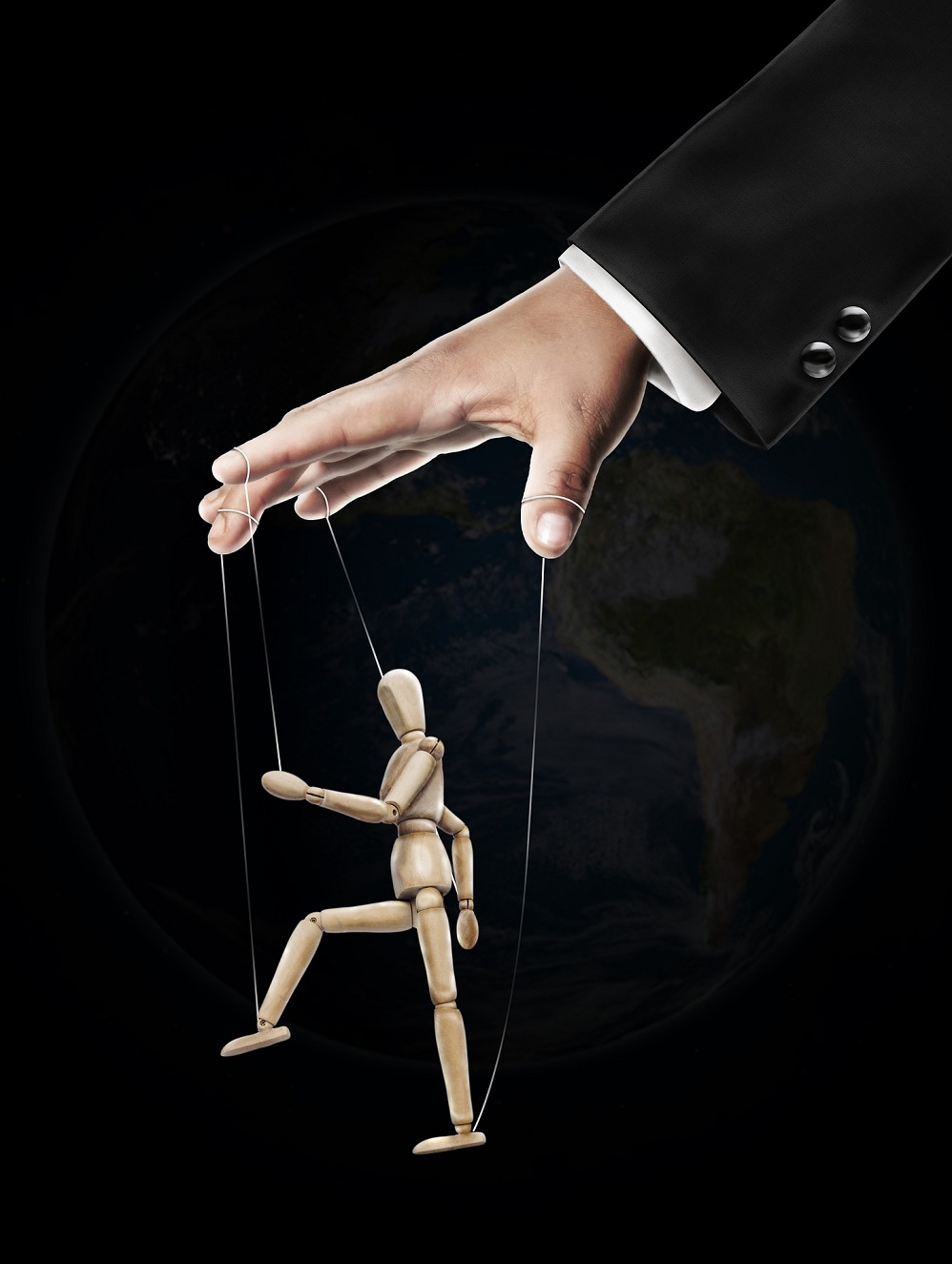
The essence of every political ad, stump speech, or social media post is to elicit a specific emotion. Audiences are often unaware of this. They submit their feelings to be shaped — pulled toward anxiety, pride, or belonging — like clay in a potter’s hands. The success of political messaging depends, in large part, on this remaining invisible.
As the jazz standard goes: “It don’t mean a thing if it ain’t got that swing.” Emotion is the first and most powerful principle of political persuasion.
Campaign groups are skilled at translating this into spectacle. At Reform UK’s recent election launch in Sunderland, Farage described Keir Starmer as “the most unpatriotic, the most dishonest, the most undeserving prime minister we have had in any of our lifetimes.” The language was hyperbolic and designed to be so — it bypasses rational evaluation and lands directly in the emotional register.
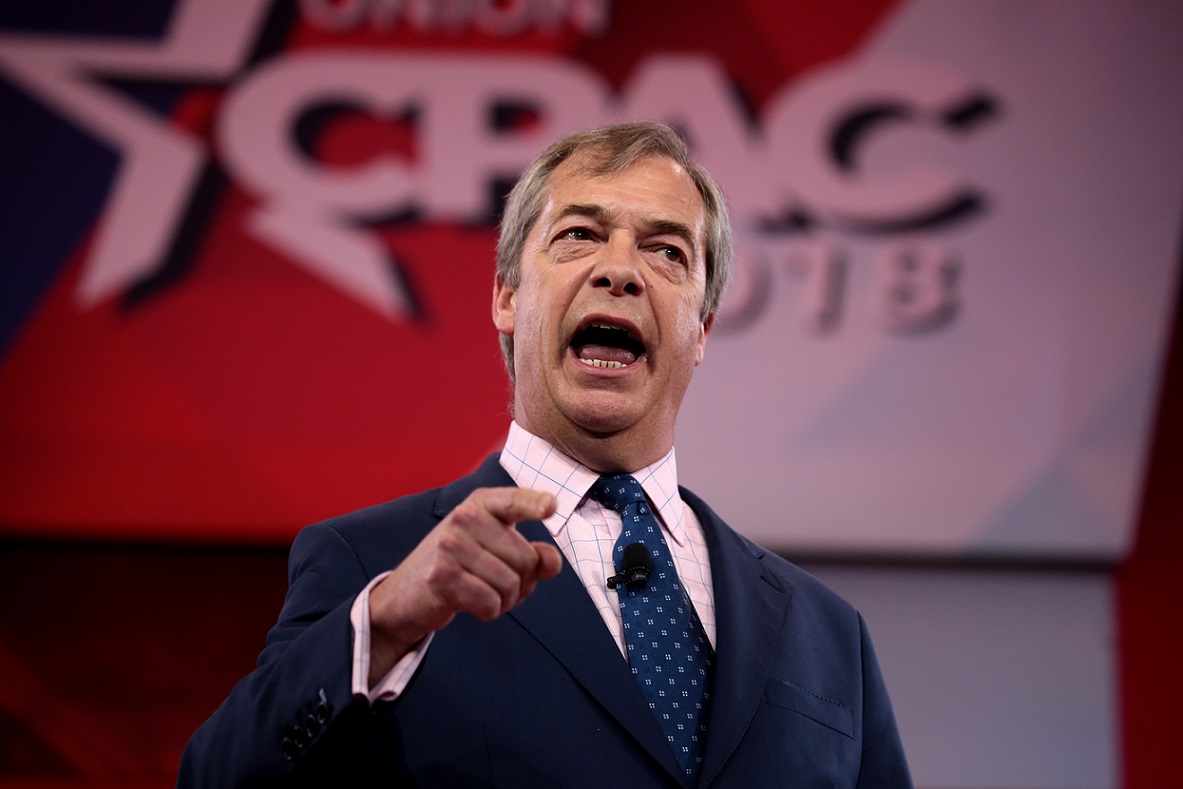
Through his Facebook page, Farage drew attention to the case of an Afghan asylum seeker jailed for abducting and raping a 12-year-old girl, framing it as evidence of a broader danger posed by illegal migrants.
The emotional power of a single case is undeniable. But as a statistical argument, it is misleading: one case involving a migrant says no more about immigration than one case involving a British-born offender says about British society. Sexual violence is committed across all demographics. The relevant question is one of proportion and pattern, not singular examples — a comparison Farage chose not to make.
This same emotional mechanics have been deployed by Conservative leader Kemi Badenoch in her campaign against the government’s tax policy. Her message is that if the tax burden becomes too onerous, businesses will simply relocate. She recently accused Starmer’s government of “piling yet more tax on precarious businesses.”
 Yet the evidence does not support the scaremongering. Of the four most competitive economies in the world, according to the World Economic Forum, two are among the highest-taxed. Tax burdens range from 29 percent of GDP in Japan to over 55 percent in Denmark, with no clear correlation to economic performance. Companies are not nearly as mobile as they claim to be.
Awareness of these tactics is declining. Underpinning them all is the politician’s understanding of what their audience fears and desires — and a willingness to exploit that understanding rather than address the underlying reality. It is the politician’s job, in the service of ambition, to supply people with the emotional story they are already predisposed to believe. Political news has never been a complete reflection of reality. It is, at best, a selection of stories about important things that are happening. The problem is that people have become uncritical of the information they receive from politicians. Much of what we read in the papers or watch on TV has flown straight from the desks of politicians and their PR agents. Arguably, politicians on both sides of the party divide are guilty of this.
Having arrived in England from Nigeria in 2024 for my Masters education, I have taken time to observe the national temperament of the British public when not under any political inducement. What I have found is more nuanced than the immigration debate suggests.
When immigrants work hard, play by the rules, and excel, British people have no trouble seeing “them as us”.
 They regard African British people like Anthony Joshua or Idris Elba not only as fellow citizens but as sources of national pride — and they have no trouble identifying with black and mixed-race footballers in the Premier League and the England national team.
That identification shows up in everyday language: when England’s women beat Spain to win the Euros, fans across the country said, “Mate, we won” — a “we” that included players of many different backgrounds.
The hostility stirred up by politicians is real, but so is this quieter solidarity. It emerges, without prompting, when the politics fall away.
(Photos: Pixabay)










.jpg)












