
The Latin American community has been gaining strength in British society for many years now. Ahead of the local elections on the 7th of May, many new leaders want to have a say in politics and to bring visibility to immigrants who have been hidden for too much time.
 Marwan Nabli
“Other ethnic group.” You might know this category if you’re Latin American and you’ve lived in the UK for years. This is the ethnic group to which you are affiliated in the UK census, just as Sikhs and the Kurdish community are.
According to the Coalition of Latin Americans in the UK (CLAUK), “in 2016, Latin Americans were the second fastest-growing non-EU migrant group in London and the eighth-largest non-UK-born population.”
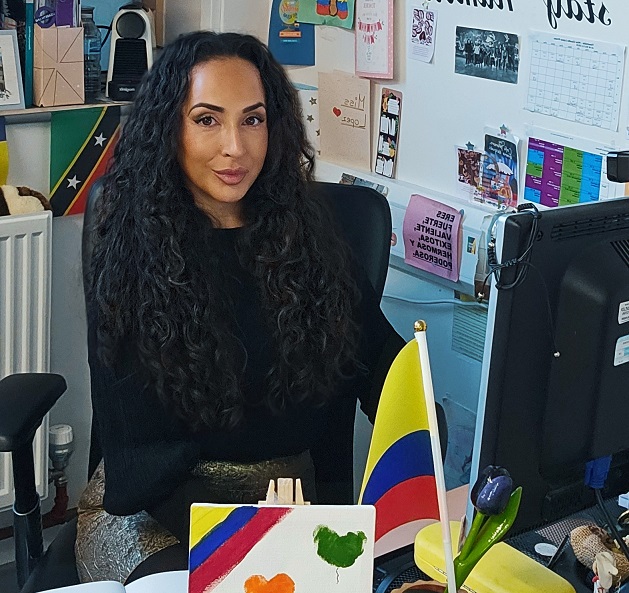
Claudia Lopez-Prieto, an English as an Additional Language (EAL) specialist teacher at Saint Gabriel’s College, estimates that “several million Latin Americans are living in the UK in 2026.” Despite this, she, who is also a CLAUK member, believes that “British politicians don’t know that we are here.”
Sonia Quintero, a Green Party candidate from Colombia running for councillor in Newham for these elections, describes a “hostile environment created by the media and the various policies affecting a community which has so many stigmas attached to it.” The poet, who leads various community groups for creative writing and activities, also argues that “if you don’t feel welcome, you are not going to participate in political decisions because you think that you don’t have a voice.”
Full of determination, she is standing in a borough council that has been dominated by a single party for 55 years.
In this context, it seems difficult for Latin Americans to get fully involved in UK politics, for example, by voting.
For Claudia Lopez-Prieto, the issue of participation is also due to a “lack of trust in political institutions back home.” Sonia Quintero adds that there is also “a lack of knowledge concerning the electoral system.”
But much has changed in recent years, and these elections can symbolize a milestone. “We are having more and more role models locally,” argues the EAL specialist teacher, who cites Martin Tiedemann, a former Labour councillor with roots in Argentina who was elected in the London Borough of Croydon in 1998.
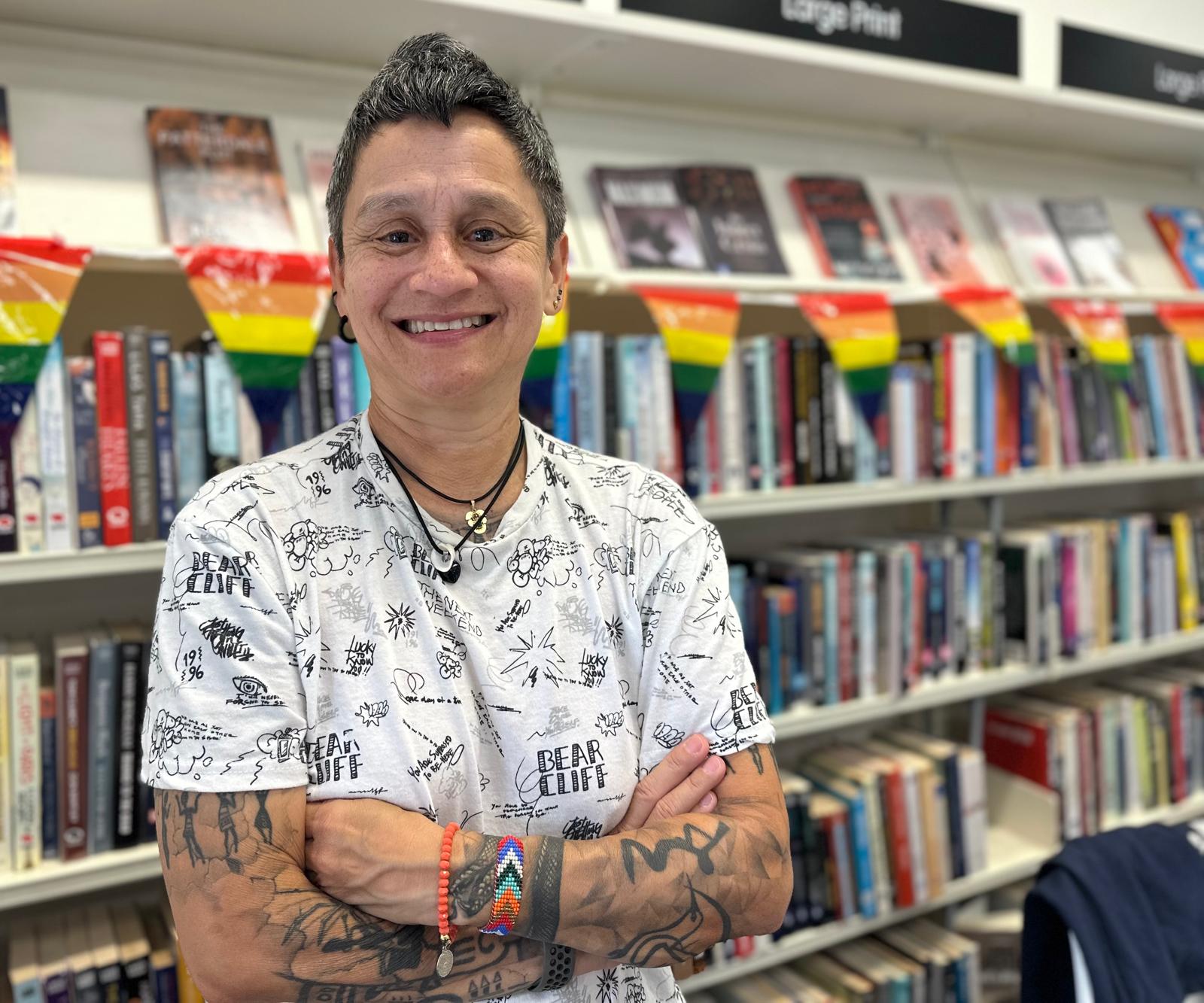
Sonia Quintero, who participated in a political leadership training programme with the Migrant Democracy Project (MDP), is now standing alongside 17 other Latin American candidates in Newham. It is a level of political participation never seen before in the borough council, “which is already a victory in itself”. Nationally, the other candidates from the community will undoubtedly form a significant proportion of the 1,817 councillors who are set to be elected.
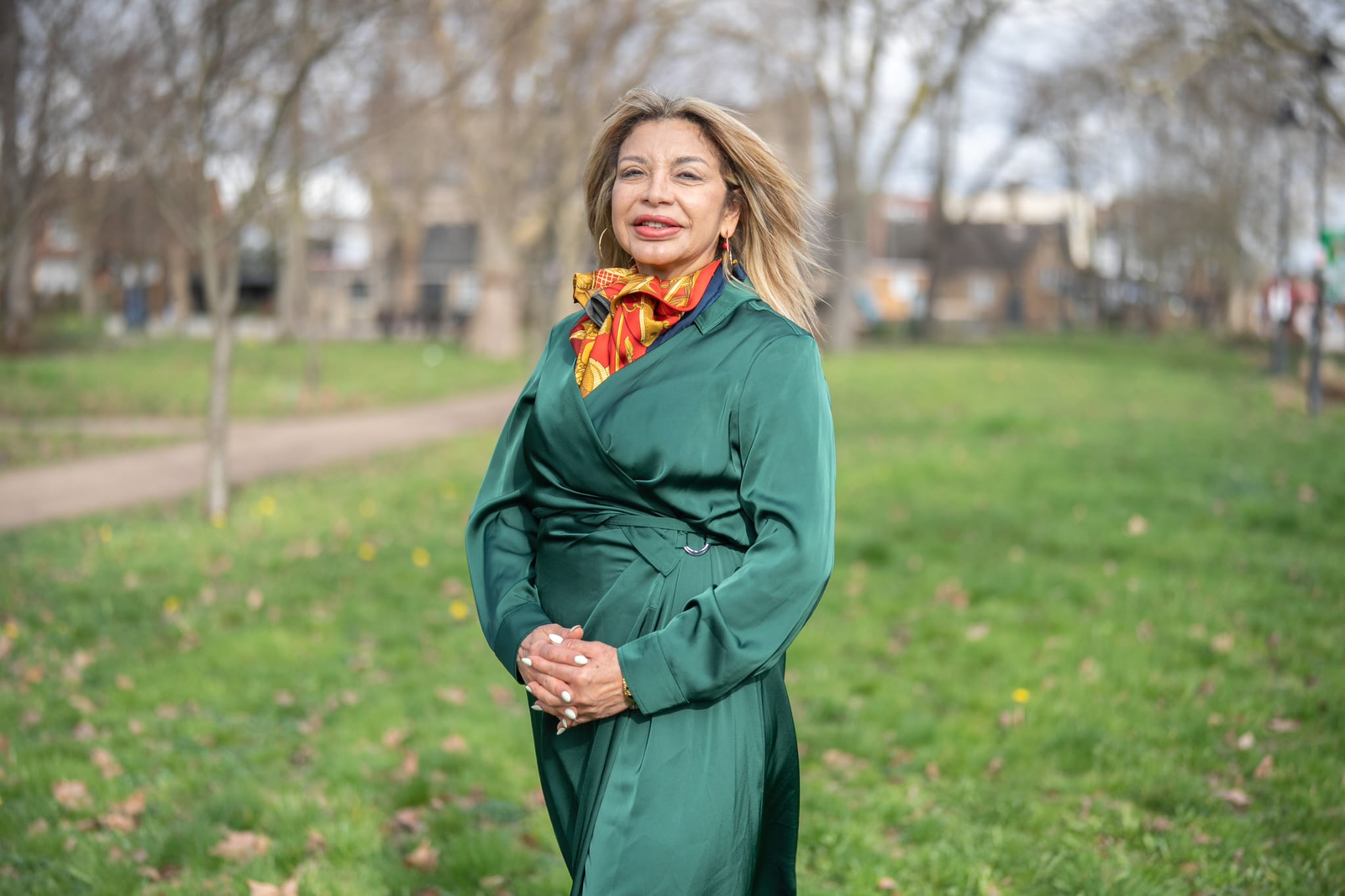
One of them might be Luisa Brands Tuff, who also took part in the MDP programme. This former lawyer moved from Ecuador to London 25 years ago. She is now the CEO of Oldalone UK, an organisation which promotes more inclusive communities by helping older people from underrepresented groups, and is a Green candidate running for Seven Sisters ward in Haringey, “a borough with more than 12,900 Latin American residents”, according to her.
The “only migrant candidate that has ever stood in Haringey” is convinced that political power is a must and is ready to highlight the issues affecting Latin Americans: “We want decent housing. Some people have been waiting for five years in overcrowded accommodation, while others are living in houses with mould. We would also like to have a care home in the ward for elderly people who don’t speak the language.”
Sonia Quintero and Claudia Lopez-Prieto add “immigration status, job opportunities, education, and access to public services” to the list of the community’s needs.
To reach voters during their campaign, both Latin American candidates sometimes speak in Spanish in Instagram videos. A decision reaffirmed by Sonia Quintero: “We need to communicate in many languages, as many as we can. This diversity also represents the borough council in a way, with all these different languages spoken daily.”
According to Claudia Lopez-Prieto, the difficulty in understanding the English language is also a major barrier to citizens’ access to the information they need: “Some parents have to work a lot every day, and they don’t have free time to learn English.”
She believes that involvement in Latin American politics is a “natural progression“. Similarly, the Newham candidate argues that “a lot of members of the community arrived in the UK in the last 15 years”.
Growing legitimacy helps to explain the rise in the number of candidates and gives reason to believe that greater consideration will be shown.
This phenomenon is not unknown to other politicians who are trying to get the migrant vote. “I don’t think this is a bad thing,” analyses the member of CLAUK. “It raises our profile in politics. If they want to reach us, we will come and explain our main issues”. Paradoxically, at the same time, it seems impossible to ignore that political groups that don’t believe in the contribution of immigrant communities in the United Kingdom are attracting more and more voters. Not a worry for Sonia Quintero: “I hope that as the far-right groups are getting louder, we also are”.
Luisa Brands Tuff, “shaped“ by her community, reaffirms her commitment by stating that “the true soldiers are on the battlefield“. Many candidates are taking part in this battle for legitimacy and visibility, like the Ecuadorian woman who will not give up: “We came to this country for a reason, not to live our lives as we did back home“.
 *CLAUK estimates that “according to the UK Labour Force Survey, there were 450,000 Latin Americans – born in Central and South America – residing in the UK in the last quarter of 2020.“ In this report, the Coalition regrets that “those born in the Caribbean, Mexico, or those who were second-generation Latin Americans born in the UK, were excluded.”
*If you want to check your voting eligibility, complete the Migrant Democracy Project’s tool.
(Photos supplied by the interviewees and authorised for free publication in The Prisma)










.jpg)












